
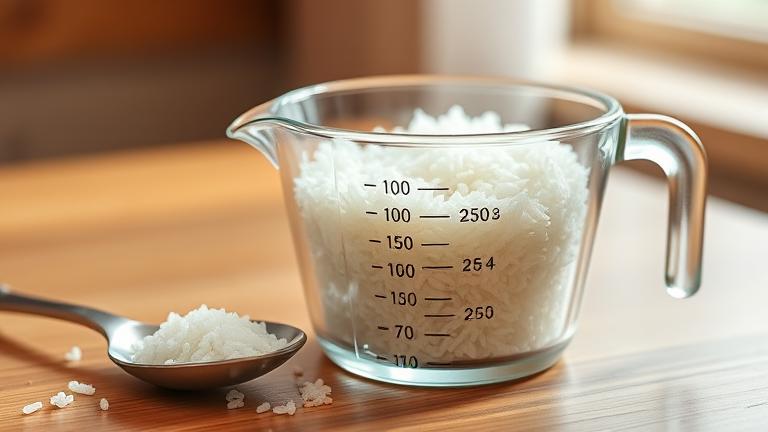
Rice Measurement Basics
When cooking rice, getting the right measurement is key to a perfect dish. Whether you’re making a simple side or a main course, understanding how to measure rice accurately helps ensure consistent results every time. In this section, we’ll cover the fundamental concepts and standard measurements related to rice, so you can cook with confidence.
First, it’s important to know that rice is usually measured in volume, with cups being the most common unit in home kitchens. A standard measuring cup holds about 240 milliliters, which is also the amount used in most recipes. When measuring dry rice, fill the cup until it’s heaping or level it off with a straight edge for accuracy.
One thing to keep in mind is that rice expands as it cooks. Typically, one cup of dry rice yields about three cups of cooked rice. This is useful to know when planning servings or meal prep. If you want enough cooked rice for four people, start with about one and a third cups of dry rice.
Types of Rice Measurements
- Measuring cups: Use standard dry measuring cups for the best accuracy. Avoid using kitchen mugs or glasses, as sizes vary.
- Scales: For precise measurements, especially in baking or specialty dishes, a kitchen scale can weigh rice in grams or ounces. One cup of dry rice typically weighs around 200 grams or 7 ounces.
Measuring Tips
- Always use a dry measuring cup for rice, not a liquid measuring cup. Liquid cups can give inaccurate readings because they are designed for liquids.
- Rinse the rice first if needed, then let it drain before measuring. This prevents excess water from adding to the measurement.
- If you’re measuring large quantities, use a measuring jug or scale for even greater accuracy.
Common Mistakes to Avoid
One frequent mistake is over-stuffing or underfilling the measuring cup. Always level off the rice with a straight edge to get a consistent measure. Another is misreading the measurements, especially when using cups that aren’t standard. Investing in a good set of measuring cups ensures your measurements are reliable.
Quick Reference for Rice Measurements
| Dry Rice (cups) | Yield After Cooking | Weight (grams) |
|---|---|---|
| 1 | about 3 cups cooked | around 200 grams |
| 0.5 | about 1.5 cups cooked | around 100 grams |
By mastering these basic measurement concepts, you’ll be well on your way to preparing perfect rice dishes. Remember, consistent measurements make cooking more predictable and enjoyable. Keep your measurements level and use the right tools for the best results. Happy rice cooking!
Converting Rice Sizes Made Easy
Cooking with rice often involves different measurements, whether you’re using cups, grams, or even traditional scoops. Knowing how to convert these sizes can make your cooking much smoother and help you follow recipes more accurately. Don’t worry, it’s simpler than it sounds!
Understanding standard rice measurements is the first step. Most recipes use cups, but you might see grams or ounces on packaged rice. Conversions allow you to swap measurements easily, whether you’re adjusting for serving size or using a different measuring tool.
Basic Conversions to Know
- One cup of uncooked rice weighs about 180 grams or 6.3 ounces.
- One cup of cooked rice yields roughly 3 cups of cooked rice, which is about 540 grams or 19 ounces.
- 1/4 cup equals approximately 45 grams of uncooked rice.
- 1 tablespoon of rice weighs roughly 9 grams.
- 1 ounce of rice is about 28 grams, or just under 1/8 cup uncooked rice.
Simple Conversion Tips
When adjusting recipes, it’s helpful to keep these measurements in mind. For example, if a recipe calls for 2 cups of rice but you only want to cook for two people, you might only need 1 cup. Using the conversion, you can determine the right weight or volume based on what you have.
Here’s a quick tip: if you’re using a kitchen scale, measure rice in grams for the most precise results. If you prefer measuring cups, remember that one cup of uncooked rice is about 180 grams.
Common Conversions You Might Need
| Measurement | Equivalent |
| 1 cup of uncooked rice | 180 grams / 6.3 ounces |
| 1/2 cup of uncooked rice | 90 grams / 3.15 ounces |
| 1/4 cup of uncooked rice | 45 grams / 1.6 ounces |
| 1 tablespoon of uncooked rice | 9 grams / 0.3 ounces |
| Cooked rice from 1 cup uncooked | About 3 cups cooked rice |
Extra Tips for Accurate Conversions
- Always note if a recipe specifies uncooked or cooked rice; they require different measurements.
- If you’re converting from weight to volume, use a kitchen scale for the most precise result.
- Remember that different types of rice (like jasmine or basmati) may slightly vary in size and weight, but these conversions usually work well overall.
- When doubling or halving recipes, convert each measurement carefully to avoid mistakes.
With these easy methods, measuring rice becomes less of a hassle. Whether you’re cooking a small portion or a huge pot for a gathering, these conversions will help you get it just right every time.
How to Measure Cooked Rice Accurately
Measuring cooked rice correctly is key to getting consistent results in your recipes. Whether you’re making a rice bowl, fried rice, or a side dish, accurate measurement helps ensure the flavors and textures turn out just right. It’s easy to do once you understand a few simple tips and techniques.
First, it’s important to understand that cooked rice expands in volume compared to its dry form. One cup of dry rice generally yields about three cups of cooked rice, though this can vary a little based on the type of rice and cooking method. To measure cooked rice with confidence, follow these steps:
Start by selecting the right measuring tools. Use a standard measuring cup, not a regular glass or bowl, to ensure accuracy. Even a slight difference in size can impact your results. Make sure the cup is level and flat on the counter before measuring.
When measuring cooked rice, it’s best to use a scale if you want the most precise results. Weighing your rice provides consistency, especially if you’re following a specific recipe. If you don’t have a scale, measuring by volume with a cup is perfectly fine for most home cooking needs.
To measure cooked rice by volume, fill your measuring cup gently with rice. Do not pack or press the rice down—just scoop it up loosely. Use a spoon or a small spatula to transfer the rice into the measuring cup if needed. Then, level it off with the back of a butter knife or a straight edge for an accurate reading. Doing this avoids overpacking and gives you a true measurement.
If your recipe calls for a specific amount of cooked rice, it’s helpful to measure the rice immediately after cooking. Let it sit for a few minutes so the steam escapes and it cools slightly. Hot rice can be tricky to measure because it’s often sticky and may settle unevenly.
Pro Tip:
- To measure rice stored in a bowl or container, transfer the rice to a measuring cup, then level it off. Avoid packing it down or pressing it, as this can give you a false high reading.
- If your recipe requires a specific weight of cooked rice, weigh the rice after cooking on a kitchen scale. Most scales show grams or ounces, which can help you be precise.
- For best results, try to measure the same way each time you cook, whether by volume or weight. This creates consistency from batch to batch.
Remember, different types of rice can behave differently. For example, long-grain rice tends to be fluffier and less sticky, making it easier to measure loosely. Sticky rice, on the other hand, may clump together. Adjust your measuring approach accordingly, and don’t be discouraged if your first few attempts aren’t perfect. Practice makes perfect!
Tips for Cooking Perfect Rice
Cooking rice may seem simple, but getting it just right can make a big difference in your meals. Whether you’re making fluffy basmati, sticky sushi rice, or hearty brown rice, there are some helpful tips to help you achieve the perfect texture and consistency every time.
First, choosing the right rice for your dish is important. Long-grain rice like Basmati or Jasmine stays light and fluffy, while short-grain rice tends to be stickier. Check the package for specific instructions, as cooking times and water ratios can vary between types.
Next, rinse your rice thoroughly before cooking. Rinsing removes excess starch that can cause clumping or stickiness. Place the rice in a fine-mesh strainer and rinse under cold water until it runs clear. This step is especially essential for fluffy rice dishes.
Measuring the right amount of water is key. A good rule of thumb is one part rice to two parts water for most long-grain varieties. For brown rice, you might need a bit more water. Using a measuring cup makes it easier to keep consistent results. Remember, too much water can make rice mushy, while too little can leave it dry and undercooked.
When cooking rice on the stovetop, bring the water to a boil first. Once boiling, reduce the heat to low and cover the pot with a tight-fitting lid. Simmer gently without lifting the lid during the cooking process. This traps steam and helps the rice cook evenly.
Steaming and Resting
After the cooking time is up, turn off the heat and let the rice rest for about 10 minutes. Resting allows the grains to firm up and finish absorbing any remaining moisture. Keep the lid on during this time. Avoid lifting the lid early, as this lets steam escape and can affect the rice texture.
If you’re using a rice cooker, follow the manufacturer’s instructions for water ratio and cooking time. Rice cookers are convenient and often produce consistent results with minimal effort.
Tips for Better Results
- Use fresh rice: Old rice can become dry or clump together. Use it within its expiration date for best results.
- Adjust water for altitude: Higher altitudes may require slightly more water and longer cooking times.
- Weigh your rice: For precision, use a kitchen scale to measure the rice for consistent results.
- Enhance flavor: Add a pinch of salt or a splash of broth to the cooking water for tastier rice.
- Fluff with a fork: Once resting, gently fluff the rice with a fork to separate the grains without mashing them.
Remember, practice makes perfect. With these tips, you’ll master the art of cooking rice that complements a wide range of dishes, from stir-fries to pilafs. Keep an eye on the process, and don’t be afraid to tweak the water and cooking time to suit your taste and equipment.