
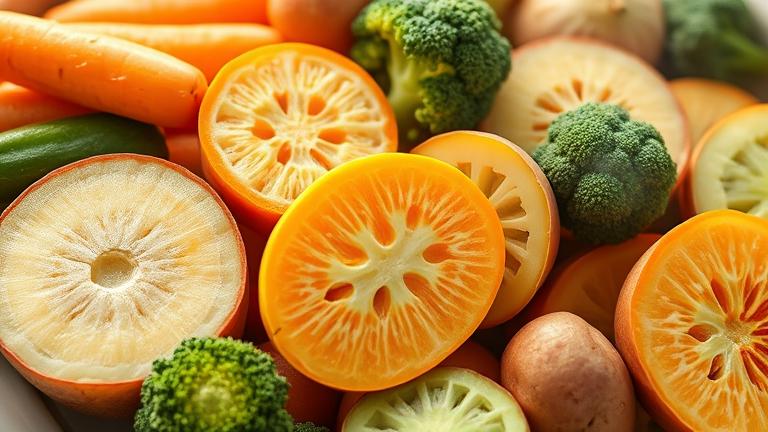
What Causes Vegetables to Soft Enzymes and Breakdowns
When you cook vegetables, you might notice they become soft and tender. This change happens because of natural biological processes inside the vegetables themselves. Understanding what causes these softening effects can help you cook vegetables perfectly every time.
Vegetables contain tiny structures called tissues. These tissues hold water, nutrients, and cell walls. During cooking, heat triggers a series of reactions that cause the tissues to break down. The main players in this process are enzymes and chemical reactions that happen naturally inside the vegetables.
How Enzymes Play a Role
Enzymes are special proteins that speed up chemical reactions within cells. In fresh vegetables, enzymes are active and help break down cell components. For example, enzymes like pectinase break down pectin, a substance that holds plant cells together. When pectin is broken down, the cell walls weaken, and the vegetable becomes softer.
However, enzymes are sensitive to temperature. They work best at normal room temperatures and can become inactive when heated strongly. Cooking vegetables at high heat, like boiling or steaming rapidly, can denature these enzymes, stopping their activity and preventing further softening from enzyme action.
What Causes Tissue Breakdown?
Besides enzymes, physical tissue breakdown is another reason vegetables soften. When heated, the water inside the cells turns into steam or becomes part of the cooking liquid. This process causes the cell walls to weaken and separate.
Think of it like a balloon filled with water. When heat is applied, the water inside turns into vapor or loosens, making the balloon’s walls more flexible and easier to distort. In vegetables, this means the cell walls become less rigid and more tender.
Factors That Accelerate Softening
- Cooking Method: Boiling, steaming, and roasting all break down tissue, but boiling tends to soften vegetables faster because of direct water contact.
- Temperature: Higher temperatures speed up enzyme activity initially but then denature enzymes, halting softening by enzymes.
- Time: Longer cooking times allow more tissue breakdown, but overcooking can cause mushy textures.
- pH Levels: Some vegetables soften faster in acidic environments, such as adding lemon juice or vinegar during cooking.
Common Mistakes That Lead to Too Much Softening
- Cooking vegetables for too long, causing them to break down excessively and turn to mush.
- Using too high a heat setting, especially during boiling, which speeds up enzyme activity and tissue breakdown.
- Not monitoring cooking times carefully, resulting in overcooked, unappetizing textures.
Knowing how enzymes and tissue breakdown affect vegetable softness can help you choose the right cooking method and timing. Whether you want a little crunch or a soft texture, understanding these processes ensures your vegetables turn out just how you like them.
Effects of Heat on Cell Structure and Water Release
When you cook vegetables, heat plays a big role in changing their cellular makeup. Understanding what happens at the cellular level helps you cook vegetables better and achieve your desired texture. Basically, heat affects the tiny structures inside the vegetables, leading to water release and tissue softening.
In raw vegetables, cells are tightly packed together. Each cell is surrounded by a thin cell wall that helps keep its shape, and inside, you have the cell membrane, which holds the cell’s contents, including water, nutrients, and certain sugars. When you introduce heat, the first thing that happens is that these structures start to break down.
How Heat Affects Cell Walls and Membranes
As vegetables warm up, their cell walls and membranes lose their rigidity. Heat causes the proteins in these structures to denature, which means they change shape and lose strength. This process makes the tissue softer because the cells can no longer hold their shape tightly.
Once the cell walls weaken, the internal pressure inside the cells decreases. This pressure, called turgor pressure, is what helps vegetables stay crisp and firm when raw. As it drops, the tissue begins to soften and become more tender.
Water Release During Cooking
One of the key effects of heating is water release. Inside each cell, water is held in small pockets called vacuoles. When heat causes the cell structures to break down, these vacuoles rupture, and water escapes into the surrounding tissue or out of the vegetable entirely.
This release of water is why cooked vegetables often look wetter and feel softer. It also helps explain why, for example, overcooked vegetables can become mushy—they have released too much water and lost their structural integrity.
Practical Tips for Managing Water Release and Softening
- Start with high heat for quick cooking if you want to preserve some firmness.
- Use gentle heat or shorter cooking times to prevent excessive water loss, especially for delicate vegetables like spinach or zucchini.
- Adding a small amount of acid, like lemon juice, can help keep cell walls intact longer, reducing water loss.
Common Cooking Methods and Their Effects
| Method | Impact on Cell Structure | Water Release | Final Texture |
|---|---|---|---|
| Boiling | Cell walls soften quickly, some break down completely | Significant water release, often causes vegetables to become soggy | Very soft, sometimes mushy if overdone |
| Steaming | Gentle softening, less damage to cell walls | Less water loss, retains more structure | Tender but retains some firmness |
| Sauteing | Cell walls break down gradually with high heat | Water escapes rapidly, leading to browning and caramelization | Soft with some crisp edges, depending on cooking time |
| Roasting | Intense heat causes cells to shrink, water evaporates quickly | Water loss mainly from evaporation, not release into tissue | Often caramelized, concentrated flavors, and tender texture |
Understanding how heat impacts the cellular structure of vegetables helps you choose the right cooking method and timing. Proper control ensures vegetables stay tasty, retain nutrients, and reach the desired tenderness without becoming overly mushy or dried out.
Role of Cell Walls and Pectin in Softening
When you cook fruits and vegetables, one of the main changes you notice is that they become softer. This softening happens because of alterations in their cell walls and a substance called pectin. Understanding these components can help you control texture and achieve perfect results every time.
Each plant cell is surrounded by a cell wall, a sturdy structure made mostly of cellulose. The cell wall keeps the cell’s shape and provides support. During cooking, heat causes the cell wall to break down gradually, making the fruit or vegetable easier to bite and chew. Think of it like your food’s own natural tenderizer. The longer you cook, the more the cell walls weaken, resulting in softer textures.
Pectin is another key player in softening. It is a type of carbohydrate that acts like a glue, holding cells together. In fresh fruit, pectin exists in a form that keeps cells tightly bonded. When heated or treated with acid and sugar, pectin breaks down or transforms, causing the cells to loosen and the fruit to soften. This is why jams and jellies set when pectin forms a gel—because the pectin network becomes cross-linked, trapping liquids.
How Cell Walls Change During Cooking
- The heat disrupts the cellulose fibers, weakening the cell wall structure.
- Water enters the cells as the wall loosens, causing turgor pressure to drop and making the tissue more flexible.
- In some cases, enzymes naturally present in produce break down cell wall components, speeding up softening.
Enzymes such as pectinase can be active before or during cooking, especially in fruits like apples and pears. Sometimes, pre-treating produce with enzyme solutions helps soften them faster. But be careful not to over-process, or you may end up with mush.
How Pectin Contributes to Softening
- Fresh fruit has high levels of pectin that keep its structure firm.
- Heating with acid (like lemon juice) and sugar causes pectin to change from a rigid form into a gel-like consistency.
- This gel formation is what gives jams their thick texture, but during cooking, pectin also releases from the cell walls, leading to softening.
Interestingly, pectin’s behavior depends on its form. Low-methoxyl pectin requires calcium to gel, while high-methoxyl pectin needs sugar and acid. Knowing this can help you adjust recipes for desired textures and softening times.
Practical Tips for Softening Fruits and Vegetables
- Begin cooking with gentle heat; rapid boiling can cause uneven softening or break down too quickly.
- Add acid (like lemon juice) early in the process if you want to control pectin breakdown and gel formation.
- For firmer textures, cook for a shorter time or at lower temperatures.
- If you want very soft produce, extend cooking time gradually and keep an eye on texture.
- Remember, overcooking can turn pectin into a mushy mess, so taste test as you go.
By understanding how cell walls and pectin behave, you can better control the softness of your cooked dishes. Whether you prefer your fruit slightly tender or completely melting, knowing these structural components helps you get it just right every time.
How Temperature and Cooking Time Matter
When cooking vegetables, both the temperature and the cooking time play a big role in how soft or firm they become. Understanding how these factors affect vegetable texture can help you achieve perfect results every time. Whether you want crisp-tender carrots or perfectly mashed potatoes, mastering this balance is key.
The right temperature starts with choosing whether to cook your vegetables quickly at high heat or slowly at lower temperatures. High heat, like boiling water or roasting at 400°F, causes rapid softening. Conversely, lower heat methods such as simmering or steaming take longer but can preserve more flavor and nutrients.
Cooking time is equally important. If you cook vegetables too short, they may be too firm and crunchy. If you cook them too long, they can become mushy and lose their texture. Find a happy middle ground to get the desired tenderness without overdoing it. For example, broccoli might need only 3-4 minutes of boiling for perfect bite, while carrots could require 8-10 minutes steaming.
The Impact of Temperature
Higher temperatures speed up the softening process. Roasting vegetables at 400°F or higher softens their cell walls quickly and adds a desirable caramelized flavor. Boiling water reaches 212°F, which is enough to break down tough fibers fast, making vegetables soft and tender.
Lower temperatures, like simmering at 180-200°F, take more time. This gentle heat preserves more nutrients and preserves the vegetable’s shape better. Steaming at around 212°F is also a good method to soften vegetables evenly while locking in flavor.
The Role of Cooking Time
Think of cooking time as the length of exposure to heat. Short cooking times keep vegetables crisp and bright. Longer times make them softer and sometimes mushy. For example, green beans need just 4-5 minutes boiling, but potatoes for mashed potatoes require about 15-20 minutes of simmering.
Overcooking is a common mistake. It not only ruins texture but also results in nutrient loss. To prevent this, stick to recommended times and check for doneness with a fork or knife. If your vegetables are easily pierced, they are ready.
Practical Tips for Perfect Texture
- Always start with clean, cut vegetables to ensure even cooking.
- Use a timer to keep track of cooking time and avoid overdoing it.
- Test vegetables early to prevent overcooking—some veggies soften faster than others.
- For firmer vegetables, reduce cooking time; for softer ones, extend it gradually.
- Adjust heat based on your method—quick boiling or slow simmering to control the softening process.
Remember, practicing these principles will help you develop a feel for how different vegetables respond to heat and time. With a little attention, you’ll be able to cook vegetables to just the right softness every time, making your meals tasty and visually appealing.
Differences Among Vegetables in Softening
When cooking vegetables, you’ll notice that each type softens at its own pace and in a different way. This is because of their unique structures and compositions. Understanding these differences can help you cook vegetables perfectly every time and avoid common mistakes like overcooking or undercooking.
Vegetables are made up of cells, and these cells contain water, fiber, and other compounds. The way these components break down during cooking affects how soft the vegetable becomes. Some vegetables soften quickly, while others take longer or need specific methods to reach the desired tenderness.
How Cell Structure Affects Softening
Vegetables with high water content, like zucchini or spinach, tend to soften rapidly. Their cell walls are thinner and less fibrous, so they break down easily when heated.
In contrast, root vegetables such as carrots or potatoes have dense, fibrous cell walls. These take longer to soften because the heat needs to penetrate deeply to break down the tough fibers.
Differences in Composition
- High-starch vegetables: Vegetables like potatoes and sweet potatoes need more cooking time for the starches to gelatinize, which results in a soft, fluffy texture.
- High-fiber vegetables: Green beans or broccoli have fiber-rich structures that require sufficient cooking to soften but can become mushy if overcooked.
- Leafy greens: Spinach or lettuce contain lots of water and delicate cells, so they soften quickly and reduce in volume substantially.
Cooking Methods and Their Impact
Different vegetables respond best to different cooking methods. For example, steaming softens vegetables gently and preserves nutrients, ideal for delicate greens and quick-cooking vegetables. Boiling can soften tougher root vegetables but may cause loss of nutrients into the water, so be mindful of cooking time.
Roasting or baking, on the other hand, enhances flavors and can soften vegetables like carrots or squash through caramelization. Stir-frying heats vegetables quickly at high temperatures, softening some vegetables while keeping others slightly crisp.
Practical Tips for Achieving Perfect Softness
- Cut vegetables into similar sizes for even cooking.
- Start checking for softness early to prevent overcooking.
- Use a fork or knife to test doneness—if it easily pierces, the vegetable is soft.
- Remember that some vegetables, like eggplant, will become mushy if overcooked, so keep an eye on timing.
Knowing why vegetables soften the way they do helps you become a more confident cook. With a little practice, you’ll master the art of timing and method to always serve vegetables with just the right tenderness.
Tips for Perfectly Cooked Vegetables
Cooking vegetables to the right level of softness and texture is key to bringing out their best flavor and ensuring they feel just right on your plate. Whether you prefer them tender, crisp, or somewhere in between, these practical tips will help you achieve perfect results every time.
First, always start with fresh vegetables whenever possible. Fresh produce tends to be more flavorful and easier to cook evenly. Before cooking, wash them thoroughly to remove dirt and any residual pesticides. For even cooking, cut vegetables into uniform sizes. Thin slices or small pieces cook faster and more evenly, which helps avoid overcooking or undercooking.
Choosing the Right Cooking Method
- Boiling: is quick and good for softer vegetables like carrots or green beans. Use a large pot with plenty of water and add a pinch of salt. Test doneness with a fork – it should go in easily but the vegetable should still hold some bite if you want them less soft.
- Steaming: retains more nutrients and flavor. Place vegetables in a steamer basket over boiling water. Cover with a lid and steam until tender, usually a few minutes depending on the vegetable.
- Sautéing or stir-frying: provides a nice texture and flavor. Cook vegetables in a bit of oil over medium-high heat. Stir frequently to prevent burning. This method works well for bell peppers, zucchini, and broccoli.
- Roasting: enhances sweetness and texture. Toss vegetables with oil, salt, and spices, then roast at 400°F (200°C) until browned and fork-tender. This is perfect for carrots, Brussels sprouts, or cauliflower.
Timing Is Everything
Overcooking vegetables can make them mushy and cause flavor loss. Under cooking, on the other hand, leaves them hard and difficult to eat. Always keep a close eye on cooking time and check with a fork or knife. Remember, vegetables continue to cook slightly after removing from heat, so it’s better to take them out just before they reach your preferred softness.
Using Proper Equipment
- A good quality pot with a tight-fitting lid helps retain heat and steam, speeding up cooking time.
- Sharp knives make cutting easier and help achieve uniform sizes, which cook evenly.
- Using a steaming basket or insert prevents vegetables from sitting in water, preserving their texture and nutrients.
Adding Flavor and Enhancing Texture
A pinch of salt or a splash of lemon juice during or after cooking can boost flavor. For extra crunch, add nuts or seeds when serving. Avoid over-seasoning during cooking, so you can adjust flavors in the final dish.
Common Mistakes to Avoid
- Cooking vegetables at too high a heat, which can burn or unevenly cook them.
- Overcrowding the pot or steamer, leading to uneven cooking and longer times.
- Not testing for doneness, which can result in vegetables that are too soft or too hard.
Following these simple tips will help you cook vegetables that are perfectly tender, flavorful, and enjoyable with every meal. Practice makes perfect, so don’t be afraid to experiment with different methods and seasonings to find what you like best!
Common Cooking Techniques That Soft Vegetables
When cooking vegetables, achieving the right level of softness can enhance their flavor and texture. Techniques like boiling, steaming, and sautéing are simple methods that help vegetables become tender and delicious. Each method offers different results and can be used based on the type of vegetable and your desired outcome.
Boiling
Boiling is one of the quickest ways to soften vegetables. To do it, fill a pot with water, bring it to a rolling boil, and then add your vegetables. Make sure the vegetables are fully submerged. Cook times vary depending on the vegetable’s size and firmness. For example, broccoli florets typically take about 3-4 minutes, while potatoes may need 10-15 minutes.
Keep an eye on the vegetables so they don’t become too soft or mushy. Test their tenderness by piercing with a fork. Once done, drain the hot water quickly to stop the cooking process, especially if you want to use the vegetables in salads later. Tip: Adding a pinch of salt to the water can enhance flavor and help maintain their color.
Steaming
Steaming gently cooks vegetables with heat and moisture from steam rather than directly in water. This method preserves more nutrients and natural flavors. You can use a steaming basket or a colander placed over a pot of boiling water. Cover the pot with a lid to trap the steam.
Vegetables like green beans or carrots usually take 5-10 minutes to become tender when steamed. Test their softness with a fork or knife. If you prefer a crisper yet soft vegetable, check early. Steaming is a great option if you want to retain vivid color and nutrients while softening the vegetables enough for eating or further cooking.
Sautéing
Sautéing involves cooking vegetables quickly in a small amount of oil or butter over medium-high heat. This method softens the vegetables while adding flavor, especially if you season the oil with garlic, herbs, or spices. Cut the vegetables into even pieces for uniform cooking.
Stir frequently to prevent burning. Harder veggies such as bell peppers or zucchini may take about 5-8 minutes until soft, while softer ones like spinach may only need a minute or two. Sautéing can be a quick way to prepare vegetables ready for salads, stir-fries, or as a side dish.
Additional Tips for Softening Vegetables
- Uniform size: Cut vegetables into similar sizes for even cooking.
- Don’t overcook: Overcooked vegetables can lose flavor, become mushy, and degrade in nutrients.
- Timing: Start checking near the minimum cooking time to avoid over-softening.
- Cold water shock: For vegetables that need stopping in their cooking process, dunking in cold water helps retain color and texture.
By choosing the right technique and watching cooking times, you can easily achieve perfectly soft vegetables for any dish. Whether boiling for a stew, steaming as a healthy side, or sautéing for flavor, these methods are the keys to tender, tasty vegetables in your kitchen.