
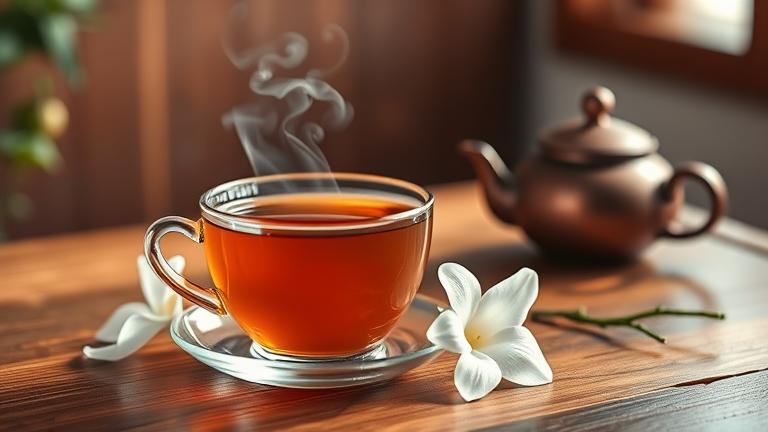
Understanding Jasmine Tea and Its Caffeine Content
Jasmine tea is a popular beverage enjoyed by many around the world. Although it contains caffeine, the levels are generally lower compared to other types of tea. Typically, an 8-ounce cup of jasmine tea holds about 15 to 60 milligrams of caffeine. The exact amount varies depending on factors such as brewing time, the type of tea leaves used, and water temperature.
Longer steeping times result in more caffeine being extracted from the leaves, making the tea slightly more stimulating. The type of tea leaves whether whole or broken also influences caffeine release during brewing. Additionally, brewing at higher temperatures can increase caffeine extraction, resulting in a more caffeinated beverage.
The Cultural Significance of Jasmine Tea Around the Globe
Jasmine tea is appreciated in diverse cultures, each with unique traditions and brewing methods. In China, jasmine tea is usually brewed by steeping high-quality green tea with jasmine blossoms. This beverage is often enjoyed during afternoon tea or as part of ceremonial practices that emphasize harmony and tradition.
In Japan, jasmine-infused green tea is popular and typically served alongside sweets, reflecting the cultural importance of aesthetic harmony and mindfulness during tea ceremonies.
The Middle East also has a rich tradition of enjoying jasmine tea hot, sometimes flavored with herbs or spices. It is commonly shared during social gatherings and is a symbol of hospitality and warmth. In Western countries, jasmine tea has gained popularity as a refreshingly iced beverage. Modern variations often include flavored syrups or citrus slices, catering to contemporary tastes.
Preparation methods across regions also vary significantly. For example, in India, jasmine tea is brewed with loose leaves and enjoyed with milk and sugar. This adaptation blends traditional flavors with local preferences. Meanwhile, in China and Southeast Asia, the traditional approach involves steeping tea leaves with jasmine flowers for several minutes. This method allows the tea to absorb the delicate aroma, producing a fragrant and soothing drink.
The Health Benefits of Jasmine Tea
Jasmine tea is renowned for its variety of potential health benefits, which contribute to its popularity among health-conscious consumers. Rich in antioxidants like catechins and polyphenols, jasmine tea helps combat oxidative stress. These compounds may lower the risk of chronic diseases such as heart disease and certain types of cancer. Antioxidants also support immune function and may enhance skin health by minimizing signs of aging and environmental damage.
In addition to its antioxidant properties, jasmine tea has a calming aroma that aids in relaxation and mental clarity. The scent of jasmine can help reduce stress and promote a sense of well-being. Some studies also suggest that jasmine tea may boost metabolism, assisting in weight management efforts. However, more scientific research is needed to definitively confirm these metabolic benefits.
Despite these benefits, individuals should be mindful of their caffeine intake. While jasmine tea generally contains less caffeine than coffee, it may still cause issues for those who are caffeine sensitive or have specific health conditions. Excess caffeine can lead to insomnia, elevated heart rate, and nervousness if consumed in large quantities or late in the day.
People who are pregnant, breastfeeding, or on certain medications should consult healthcare providers before consuming jasmine tea regularly. Monitoring caffeine intake is especially important for those with health issues or sensitivities. Enjoying jasmine tea in moderation can allow individuals to benefit from its health properties without experiencing adverse effects.
Comparing Caffeine Levels in Different Teas
Jasmine tea’s caffeine content typically ranges from 20 to 60 milligrams per 8-ounce cup, placing it in a similar range to green tea. Green tea generally contains about 20 to 45 milligrams per serving, providing a mild stimulant effect. In contrast, black tea usually offers higher caffeine levels, around 40 to 70 milligrams per cup, making it a more potent energizer.
Herbal teas, on the other hand, are often caffeine-free, making them suitable options for those avoiding caffeine altogether. The actual caffeine levels can vary depending on brewing methods and processing, which influence their stimulant properties.
Understanding these differences helps consumers select teas that align with their caffeine sensitivity and health preferences. For example, those seeking a mild energizer might choose jasmine or green tea, while individuals needing a stronger stimulant may opt for black tea. Herbal teas remain a caffeine-free alternative suitable for late evenings or sensitive individuals.
A Brief History of Jasmine Tea
Jasmine tea’s history is rich and spans over a thousand years. It originated during China’s Tang Dynasty, where it was highly valued for its aroma and flavor. Over the centuries, the tradition of jasmine tea spread across Asia, especially to Japan and Korea, becoming a staple in many households and tea ceremonies. In Chinese culture, jasmine tea symbolizes purity and grace. It is often served during special occasions and believed to have medicinal qualities that promote calmness and well-being.
In Japan, jasmine tea is celebrated for its fragrant aroma and is incorporated into tea ceremonies emphasizing mindfulness and aesthetic appreciation. During the 19th century, jasmine tea gained popularity in the West as trade routes expanded. European elites regarded it as a luxurious and refined beverage choice. Today, jasmine tea continues to be enjoyed worldwide, combining traditional craftsmanship with modern tea culture.