
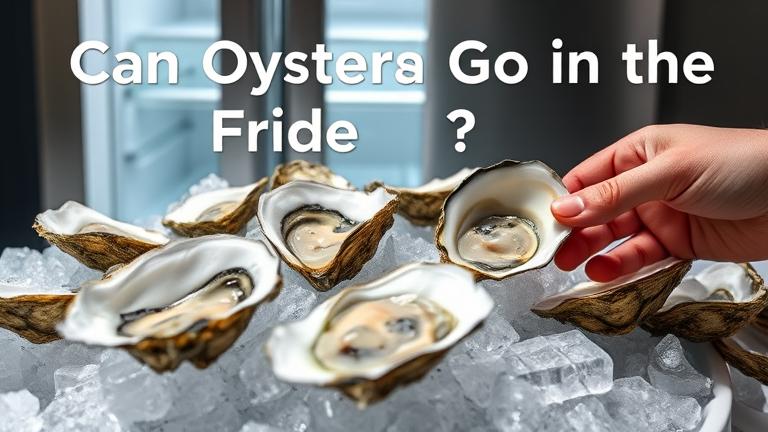
How to Determine if Oysters Are Fresh
The key to enjoying oysters safely and at their best flavor is assessing their freshness properly. Fresh oysters should have a clean, ocean-like smell without any fishy or sour odors. A strong, unpleasant smell indicates spoilage and should be a clear sign to avoid consumption.
Additionally, the shells play an essential role in determining freshness. They should be tightly closed or close when tapped lightly, demonstrating that the oyster is still alive and fresh. When opened, the meat inside must appear plump, moist, and glossy, with a firm texture and a briny aroma. Dry, discolored, or overly watery oysters are likely past their prime and should be discarded.
Visual, Olfactory, and Tactile Signs of Spoiled Oysters
Before consuming oysters, inspecting them carefully is essential. High-quality oysters will have shells free of cracks or chips and should be closed tightly. The flesh should be shiny, firm, and moist, with a pleasant briny smell. Any off-putting odors, such as a strong sour or ammonia-like scent, are warning signs of bacterial growth and spoilage.
Visual cues of oyster spoilage include shells that remain open and do not close when tapped, which suggests the oyster is dead and unsafe to eat. Discoloration, excessive liquid, or shells that are broken or chipped also indicate that the oyster may be spoiled. Olfactory signs, like a foul or sour smell, reinforce that the oyster has gone bad. Tactile cues involve a slimy or sticky surface texture, which points to bacterial overgrowth and spoilage.
Importance of Freshness for Safety and Flavor
Freshness is vital because it directly impacts both the safety and flavor of oysters. Consuming oysters while they are fresh reduces the risk of infections caused by bacteria such as Vibrio vulnificus. These bacteria can proliferate rapidly once oysters spoil, potentially causing serious health issues. Moreover, fresh oysters offer the best texture and a crisp, oceanic taste, providing a more enjoyable culinary experience.
Maintaining proper storage conditions extends their freshness. Storing oysters at temperatures near 32°F (0°C) helps slow bacterial growth and preserve quality. Regularly checking oysters for any signs of spoilage, such as off-odors or shell damage, is fundamental to ensuring safety. In this way, consumers can enjoy oysters at their freshest and safest.
Proper Storage Techniques for Oysters
Properly storing oysters is critical for maintaining their quality and safety. The optimal temperature range for refrigeration is between 35°F to 40°F (1.5°C to 4.5°C). Store oysters in shallow, breathable containers such as mesh bags or trays, which allow airflow and prevent suffocation. It is recommended to store oysters on the deep side down and cover them with a damp cloth or paper towel to keep them moist.
Avoid using airtight containers because these can trap moisture and promote bacterial growth. Do not submerge oysters in water, as this can also accelerate spoilage. Proper ventilation and moisture control help preserve their natural juices and extend shelf life. Keeping oysters in the fridge in this manner preserves their freshness for as long as possible.
How Long Can You Keep Oysters in the Fridge?
While oysters are best enjoyed fresh, they can be stored properly in the refrigerator for up to one or two days. It is essential to keep densely packed oysters at a temperature below 40°F (4°C) to prevent bacterial growth. After this period, the risk of spoilage increases and the oysters may no longer be safe to eat.
Signs that oysters have gone bad include a strong fishy or ammonia-like odor, slimy texture, or shells that are open and do not close when tapped. If any of these signs are present, it is safest to discard the oysters to avoid foodborne illnesses.
Signs That Oysters Have Spoiled
Visual, olfactory, and tactile cues help identify spoiled oysters. Open shells that do not close upon tapping are a key indicator of spoilage. A strong, sour, or ammonia-like smell indicates bacterial proliferation. Additionally, a slimy or sticky surface on the oyster’s exterior signals that it is no longer safe.
Any shell that is cracked, chipped, or remains open freely is suspect. Discard oysters with unpleasant odors or with shells that are damaged beyond minor cracks. Paying attention to these signs ensures that only fresh, safe oysters are consumed, safeguarding health and enhancing overall dining pleasure.
Handling and Serving Oysters Properly
Handling oysters with care helps maximize their flavor and safety. Before serving, gently scrub the shells with a brush to remove dirt and debris without washing away their natural brine. When shucking, use gloves or a towel to protect your hands and to preserve the shell’s integrity.
If oysters are shucked, keep them on ice or in a chilled environment and cover with a damp cloth to prevent drying. When storing, avoid airtight containers that trap moisture, which can hasten spoilage. Consume oysters within one to two days of purchase for the freshest taste. Always inspect for signs of spoilage, such as a sour smell or broken shells, before consuming.
Enjoying the Ocean Freshness
Oysters are a delicacy best enjoyed at the peak of freshness. Proper handling, storage, and inspection are crucial for ensuring both taste and safety. Remember to keep oysters chilled and stored in breathable containers. Cleaning shells before serving preserves their moisture and natural brine, enhancing flavor.
Eating oysters immediately after purchase or after proper storage guarantees the most satisfying culinary experience. Regularly checking for spoilage signs helps prevent foodborne illnesses. With careful attention, you can enjoy the unique taste of fresh oysters while keeping health risks at bay.