
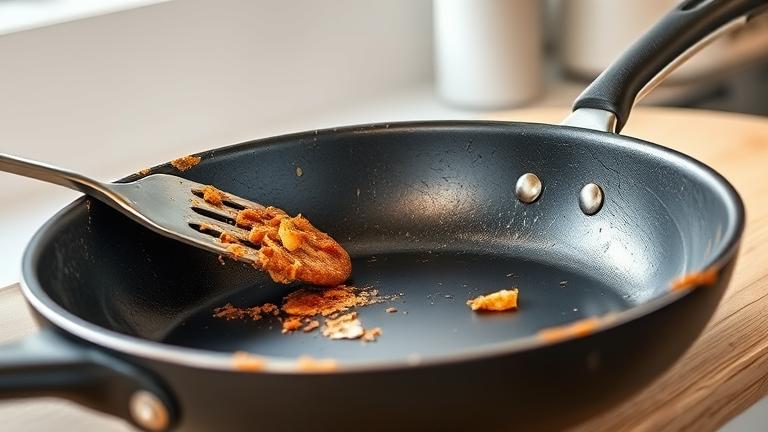
Understanding Non-Stick Cookware: Benefits and Limitations
Non-stick pans have become a staple in many kitchens due to their multiple advantages. They primarily offer easy food release, making cooking delicate items like eggs, pancakes, and fish hassle-free. This feature not only minimizes food sticking and burning but also simplifies cleaning afterward.
In addition to ease of use, non-stick cookware allows for healthier cooking since it requires less oil or butter. Home cooks appreciate how these pans make meal preparation quicker and more efficient by preventing food from tearing or sticking to the surface. As a result, non-stick pots encourage more frequent home cooking, promoting better dietary habits.
However, despite their popularity, non-stick pans have limitations that consumers should be aware of. Many mistakenly believe that the non-stick coating wears out within a year or two. In fact, with appropriate care such as avoiding metal utensils, high heat, and abrasive cleaning these pans can last three to five years or even longer. The durability of non-stick coatings depends greatly on the quality of the pan and how it is used and maintained.
Proper handling is essential to maximize the lifespan of your cookware. Gentle cleaning routines and proper storage keeping pans away from stacking heavy or sharp utensils help preserve the non-stick surface. Sticking to moderate cooking temperatures and avoiding rapid temperature changes further extends their usability. When respected with good practices, non-stick pans continue to deliver optimal performance over the years, making them a valuable investment in your kitchen.
Common Mistakes That Damage Non-Stick Surfaces
Despite their convenience, non-stick pans are susceptible to damage from common mistakes. One of the primary causes of coating deterioration is using metal utensils during cooking. Metal tools can scratch and chip the surface, leading to peeling and flaking over time. To prevent this, experts recommend utilizing silicone, wooden, or plastic utensils that are gentle on the coating.
Cooking at excessively high temperatures also poses a risk. High heat can cause the non-stick coating to degrade or peel, especially if the pan is left empty on the stove for too long. Maintaining a low to medium heat setting is advisable to protect the integrity of the coating. Additionally, sudden temperature fluctuations like running a hot pan with cold water may cause warping and damage.
Cleaning practices are equally vital. Abrasive scrubbers or harsh detergents can erode the non-stick layer, decreasing its effectiveness. Instead, it is best to hand wash pans with soft sponges and mild dish soap. Using dishwasher cycles with aggressive cleaning agents can accelerate wear, so it is preferable to wash non-stick cookware manually.
Storing these pans improperly can also lead to damage. Stacking them without protective padding like a paper towel or felt liner can cause scratches and chips. Regularly inspecting your cookware for signs of wear such as scratches, peeling, or flaking can help you determine when it is time to replace the pan to ensure safe and effective cooking.
Proper Maintenance and Care for Longevity
Optimal care extends the lifespan of non-stick cookware and preserves its non-stick properties. The foundational step is hand washing the pans with gentle cleaning tools. Soft sponges or cloths combined with mild dish soap are sufficient to clean the surface without scratching it. Avoid abrasive scrubbers like steel wool or rough pads that can deteriorate the coating.
Drying cookware thoroughly after washing prevents corrosion and rusting, especially along the edges and handles. Periodically, you can enhance the non-stick surface by lightly applying a small amount of cooking oil after cleaning. This practice, known as seasoning, can help reinforce the coating and improve its performance over time.
Storage is a simple yet crucial aspect of maintenance. Place a paper towel or soft cloth between stacked pans to prevent scratches and chipping. Using protective liners or storing each piece separately keeps the non-stick surface intact.
If you notice that the non-stick coating begins to peel, flake, or shows deep scratches that cannot be cleaned out, it is a sign that replacement is necessary. Harsh chemicals like bleach or oven cleaners should be strictly avoided as they can cause irreversible damage. For stubborn stains, natural cleaners such as baking soda and vinegar are gentle and effective, maintaining the integrity of the surface without harm.
Consistent inspection and proper care significantly reduce the need for early replacements. It is beneficial to replace damaged pans promptly to avoid ingestion of coating flakes, which could pose health concerns. Following these maintenance tips gentle cleaning, proper storage, and cautious usage—ensures your non-stick cookware remains safe, effective, and long-lasting.
Do’s and Don’ts: How to Use Non-Stick Pans Safely and Effectively
Using non-stick cookware correctly involves adhering to specific practices that preserve their durability and safety. The first do is to cook on low to medium heat settings. Excessive heat can cause the non-stick coating to break down, leading to peeling and reduced non-stick properties. The manufacturer’s recommended temperature range is usually around 350F to 400F, and staying within this range can greatly extend the life of your pan.
Another important do is to employ utensils made of silicone, wood, or plastic. Metal utensils pose a risk of scratching the coating, which compromises the non-stick surface. Using these gentle materials helps maintain the pan’s integrity over time and prevents unintentional damage. Additionally, applying a small amount of oil or cooking spray can create a barrier that reduces friction and wear on the coating.
Proper cleaning is vital for safety and performance. Always hand wash with soft sponges or cloths, and avoid harsh detergents or abrasive scrubbers. Dishwashers with aggressive cleaning agents should be avoided, as they can cause premature deterioration of the coating. When cleaning stubborn stains, mixtures of baking soda and vinegar provide a natural, non-damaging solution.
Do also remember to regularly inspect the pan for signs of degradation. If scratches or peeling become evident, it is safest to replace the pan rather than continue using it. This reduces the likelihood of ingesting coating flakes, which can pose health risks. Proper storage, such as stacking with a protective layer, prevents scratches and keeps the surface in good condition.
Now for the don’ts do not heat an empty non-stick pan at high temperatures and do not use abrasive cleaning tools. Also, avoid stacking or storing pans in a way that could cause scratches. Lastly, do not ignore signs of coating damage; replacing the pan at the earliest sign ensures safe cooking.
For a comprehensive guide on using non-stick cookware safely, check out this helpful YouTube video:
Alternatives to Non-Stick: When to Upgrade and What to Consider
Sometimes, non-stick pans may not meet the needs of every home cook. In such cases, exploring alternative cookware options is advisable. Each type comes with its own set of benefits and considerations that can align better with certain cooking styles and preferences.
One excellent alternative is stainless steel cookware. Known for its durability and versatility, stainless steel is ideal for browning, searing, and sautéing. It is resistant to scratches and can withstand high temperatures without degrading.
Although some foods may stick initially, proper preheating, and using enough oil can help prevent sticking.
Cast iron skillets are another popular choice. They excel in heat retention and are suitable for oven cooking, frying, and baking. Cast iron requires seasoning an initial layer of polymerized oil to develop a natural non-stick surface over time. With proper maintenance, cast iron pans can last for generations. They also add iron to your diet, which is a health bonus for many.
Ceramic cookware offers a non-reactive and often non-stick surface that is free of synthetic coatings. These pans are easy to clean and can be a good alternative for those sensitive to chemicals. However, ceramic coatings tend to wear out faster than metal options and require gentle handling.
Lightweight aluminum cookware heats quickly and provides excellent conduction. It is generally easy to maintain but often requires careful handling to avoid warping. Silicone bakeware and utensils represent a flexible alternative for baking needs, offering non-stick properties without synthetic coatings.
Choosing an alternative depends on your specific cooking habits. Cast iron requires seasoning and careful cleaning but offers exceptional durability. Stainless steel is low maintenance but may need oil to prevent sticking. Ceramic cookware is easy to clean but may not last as long.
Assess your kitchen setup, what types of dishes you prepare most often, and your cleaning preferences before selecting the best alternative. Consider that switching to different cookware may require some adjustment in cooking techniques. For instance, cast iron and stainless steel often tolerate high heat better than non-stick pans but require more careful handling. By selecting the right alternative, you can enhance your cooking experience and ensure safety and durability for years to come.