
The Evolution of Non-Stick Cookware
The development of non-stick pans has undergone significant advancements over the decades, resulting in cookware that is more efficient, durable, and safer. Initially, Teflon, also known as polytetrafluoroethylene (PTFE), revolutionized cooking surfaces when it was first introduced in the 1940s. This coating provided a smooth, non-reactive surface that greatly simplified food release and cleaning.
Teflon is applied through extrusion or spraying onto aluminum or other metal bases, followed by baking to secure the coating. This process creates a non-stick surface that is resistant to food sticking, which has made it a staple in many kitchens worldwide.
In the early 2000s, ceramic coatings gained popularity as an alternative to PTFE. Made from inorganic materials like silica, these coatings are applied via spray or immersion techniques and cured at high temperatures. They offer a durable, non-stick surface free of PTFE and PFCs, making them a preferred choice for health-conscious consumers.
Besides coatings, cast iron pans have been used for centuries, particularly in traditional cooking. Cast iron manufacturing involves pouring molten iron into molds and seasoning the surface with oil. This natural process develops non-stick properties over time, providing an eco-friendly and long-lasting cookware option.
Manufacturers are continually improving non-stick cookware by adopting eco-friendly curing processes and advanced coatings. These innovations focus on extending the lifespan of pans, enhancing safety, and reducing environmental impact. Such developments ensure that consumers have access to high-performance cookware that aligns with sustainability goals.
Proper Handling and Maintenance for Safety and Longevity
Proper handling and maintenance of non-stick cookware are essential for ensuring safety and maximizing the lifespan of your pans. Overheating non-stick coatings can lead to the release of toxic fumes that contain chemicals such as PFOA and PTFE. These fumes may cause flu-like symptoms known as “polymer fume fever” and have been linked to potential long-term health risks, including cancer.
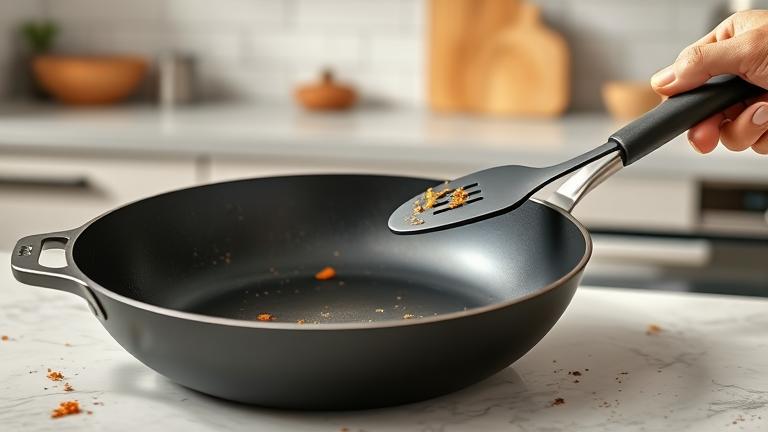
To mitigate these hazards, avoid heating non-stick pans above medium heat. Using utensils that do not scratch the surface preserves the coating’s integrity and prevents degradation. Scratches can cause chemicals to leach into food during cooking, posing health concerns.
Regularly inspecting the non-stick surface for scratches is vital; replacing pans that show wear and tear reduces the risk of ingesting harmful particles. Hand washing with gentle sponges and avoiding abrasive cleaners help maintain the coating’s effectiveness and longevity. Proper storage, such as stacking cookware carefully, and refraining from preheating empty pans also contribute to preserving their condition.
Adopting these practices not only extends the usefulness of your cookware but also creates a safer environment in the kitchen, minimizing health risks associated with deteriorating non-stick coatings.
Environmental Impact and Sustainable Alternatives
The environmental footprint of non-stick pans raises concerns from production to disposal. Manufacturing these pans often involves the use of perfluorinated compounds (PFCs), which are associated with pollution and health risks. PFCs can accumulate in water sources, adversely affecting wildlife and human health.
Disposal of non-stick cookware presents additional environmental challenges. Coatings like Teflon do not biodegrade readily, and improper disposal can lead to the leaching of harmful chemicals into the environment over time. When landfilled, these pans can persist for decades, releasing toxins that contaminate soil and water.
The production process also consumes significant energy and resources, adding to the overall carbon footprint compared to more environmentally friendly options. Consumers are increasingly turning to sustainable choices such as cast iron, ceramic, or stainless steel cookware. These alternatives are durable, generally free from toxic chemicals, and more eco-conscious over their lifecycle.
For environmentally minded shoppers, exploring eco-friendly cookware involves selecting products made from recycled materials and ensuring proper recycling at end-of-life. Transitioning away from traditional non-stick pans can significantly reduce pollution and support sustainability efforts in the kitchen.
Choosing Safe, Durable, and Eco-Friendly Cookware
When selecting cookware, it is crucial to prioritize safety, durability, and environmental impact. Materials like cast iron, stainless steel, and ceramic offer safe cooking surfaces, as they are generally non-toxic and do not release harmful chemicals when heated.
Cast iron pans are naturally free of synthetic chemicals and can last a lifetime with proper care. They distribute heat evenly and are highly resistant to damage, making them suitable for a wide range of cooking styles. Stainless steel cookware is made from recyclable materials, highly durable, and resistant to scratches and corrosion. Ceramic cookware often comes from natural clays and is free from PTFE and PFOA, making it a safe and eco-friendly option.
In addition to safety and durability, energy efficiency is an important factor. Cookware with excellent heat conduction reduces cooking times and energy consumption, making it more environmentally sustainable. Ensuring your cookware handles high temperatures well and is compatible with your cooktop type also enhances safety and effectiveness.
Making informed selections and maintaining your cookware properly not only promotes a healthier kitchen environment but also supports broader efforts toward environmental sustainability. Proper cleaning, storage, and choosing eco-conscious products contribute to reducing your kitchen’s carbon footprint while ensuring safe, effective cooking.