
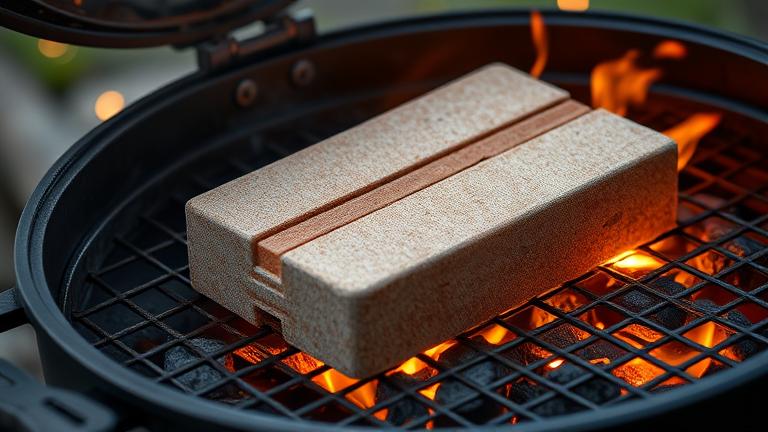
What Is a Grill Brick?
A grill brick is a handy tool that helps keep your grill clean and functioning well. It looks like a small, solid block made from materials like fire-resistant ceramic or refractory concrete. These bricks are designed to withstand high temperatures and are placed directly on your grill’s cooking surface.
The main purpose of a grill brick is to assist with cleaning and maintenance. Over time, grills can develop grease, food debris, and burnt-on residues that are hard to remove. Using a grill brick can make this task easier without needing harsh chemicals or scrubbing tools. It’s especially useful for cleaning grills after a few uses or before starting a new cookout.
To use a grill brick, first ensure your grill is turned off and cooled down slightly. Then, quickly rinse the brick under water to remove loose debris. Once damp, hold the brick firmly and scrub the grill grates in a back-and-forth motion. The abrasive surface of the brick helps loosen stuck-on food and grease. You can use it on both charcoal and gas grills.
Some grill bricks are versatile and can be used directly on the hot grill surface to remove charred residues while cooking. Others are better suited for use after grilling, when the grill is cool. Check the type of brick to make sure it fits your needs. Always follow the manufacturer’s instructions for the best results and safety.
One important tip is to avoid using a grill brick on non-stick surfaces. The abrasive texture might damage the coating. Also, never use a grill brick if it’s cracked or worn out, as small pieces could break off and get into your food.
- Benefits of Using a Grill Brick: Easy cleaning, saves time, no harsh chemicals needed, and prolongs the life of your grill.
- Common Tips: Keep the brick damp during use, clean it regularly, and replace it when it becomes too worn.
- Safety Reminder: Wear gloves if needed and ensure the grill is cool before starting to clean.
In short, a grill brick is a simple, effective tool for keeping your grill in top shape. It helps make cleaning easier and readying your grill for the next use. Whether you’re a beginner or an experienced griller, having a grill brick on hand can make grill maintenance quicker and safer.
How Do Grill Bricks Help in Cooking?
Grill bricks are simple yet effective tools that can make a big difference in your grilling experience. They are typically made of fireproof materials like ceramic or clay and are designed to sit directly on your grill grate. Using a grill brick during cooking can help distribute heat more evenly and improve overall results.
One of the main ways grill bricks help is by acting as a heat conductor. When placed on the grill, they absorb and spread the heat more uniformly across the surface. This means fewer hot spots and cooler zones, which are common issues with traditional grilling. By reducing these uneven areas, grill bricks make it easier to cook your food thoroughly without burning parts of it or leaving others undercooked.
Another benefit of grill bricks is that they can create a stable cooking surface. If you’re grilling delicate foods like fish or vegetables, a grill brick offers a flat, sturdy base that prevents fragile items from falling through the grates. This can be especially helpful when cooking smaller or more delicate items that tend to slip or break apart.
Using a grill brick can also help improve cooking efficiency. Because they distribute heat evenly, you may find that food cooks faster and more consistently. This can save you time during meal prep and reduce the need to frequently flip or adjust your food. Additionally, grill bricks can help reduce flare-ups caused by drips or fats hitting the flames. They catch or deflect these drippings, keeping flare-ups under control and making your grilling safer.
- Preheat the grill and place the brick on the grate to allow it to heat up evenly before adding food.
- Use a pair of tongs or heat-resistant gloves when handling a hot brick to prevent burns.
- Place food directly on the brick or on a grill pan that sits on top of the brick for even heating.
Keep in mind that grill bricks do need regular cleaning to prevent buildup of food debris or grease. After cooking, allow the brick to cool completely before scrubbing it with a brush or scrub pad. Avoid using harsh chemicals, as these can damage the material over time.
In summary, grill bricks are a versatile and practical accessory that helps you get better results from your grill. They promote even heat distribution, provide a stable surface for cooking delicate foods, and can enhance efficiency. With a little practice, using a grill brick can take the frustration out of grilling and help you cook food more evenly and confidently every time.
The Materials Behind Grill Bricks
When choosing or making grill bricks, understanding the materials used is important. The main goal is to create a durable, heat-resistant surface that can withstand high temperatures without breaking down. Two common materials used for grill bricks are fireclay and heat-resistant concrete.
Fireclay is a type of clay that can handle extremely high temperatures. It’s often used in kiln linings and fireplaces because of its ability to resist thermal shock. When incorporated into grill bricks, fireclay helps the brick withstand rapid temperature changes. This makes it an excellent choice for outdoor grills where the heat fluctuates quickly as you start or adjust your fire.
Heat-resistant concrete is another popular material. Unlike regular concrete, this special concrete contains aggregates and binders that are designed to endure the intense heat of a grill. These bricks provide a sturdy, even surface that can handle prolonged cooking sessions without cracking or crumbling. Plus, heat-resistant concrete is relatively easy to shape and mold, making it a practical material for custom grill bricks.
How These Materials Contribute to Performance
- Durability: Both fireclay and heat-resistant concrete create bricks that last a long time, even with frequent heating and cooling.
- Heat Resistance: They can sustain high temperatures without degrading, which is essential when grilling or broiling.
- Thermal Shock Resistance: Fireclay, in particular, handles sudden temperature changes well, reducing the risk of cracking.
- Ease of Maintenance: These materials are easy to clean and maintain because they do not absorb much grease or food residue.
Practical Tips
- Look for grill bricks made from fireclay or heat-resistant concrete to ensure longevity.
- If you’re making your own grill brick, choose high-quality fireclay or specialized heat-resistant concrete from a hardware or building supply store.
- Remember that some cheaper bricks may crack or degrade faster, especially if they are not specifically designed for high heat.
- Properly curing your bricks after construction can extend their lifespan. Follow the manufacturer’s instructions or general curing guidelines for concrete and fireclay.
Choosing the right materials for your grill bricks is key to a safe, efficient, and long-lasting grilling surface. With fireclay and heat-resistant concrete, you’ll be well on your way to building or maintaining a reliable outdoor cooking area.
Step-by-Step Use of a Grill Brick
Using a grill brick is a great way to keep your grill clean and functioning well. It helps remove grease, carbon buildup, and food residues that can affect the taste of your food. Properly using a grill brick ensures safe, effective grilling every time.
Before you start, make sure your grill is turned off and completely cool. This prevents accidents and protects the grill brick from damage. Have your grill brick ready, along with a bucket of warm water or a mild soap solution for cleaning it after use.
Step 1: Preheat Your Grill
Start by preheating your grill for a few minutes. This warms up the grill surface and softens any stubborn residue. Turn on the grill to a medium heat and let it run for about 5 minutes.
Step 2: Turn Off and Cool Down
After preheating, turn off the grill and let it cool for a few minutes. Be sure the surface is warm but not hot, usually around 100°F (38°C). You don’t want a hot surface that could cause the grill brick to wear out faster.
Step 3: Wet Your Grill Brick
Dip your grill brick into warm water or soak it briefly. Wetting the brick prevents it from scratching the metal surface and helps generate a gentle abrasive action. Avoid using soap directly on the brick, as residues can transfer to your grill.
Step 4: Scrub the Grill Surface
Using firm, circular motions, scrub the grill grates with the damp brick. Focus on areas with burnt-on food or heavy grease. Apply moderate pressure, but don’t press too hard, as it could damage the grill or the brick.
Step 5: Clean the Grill Brick Regularly
After scrubbing, wipe the brick with a damp cloth or rinse it under water to remove accumulated debris. For longer-lasting use, clean the brick after each grilling session to prevent buildup, which can reduce its effectiveness.
Step 6: Maintain and Store the Grill Brick
Once cleaned, let the brick air dry completely. Store it in a dry place to prevent mold or bacteria growth. Check the brick periodically for wear or cracks, and replace it if it becomes too worn down.
Tips for Best Results
- Use a grill brick on cooled, but still slightly warm grills for optimal cleaning.
- Avoid using a metal wire brush if your grill brick is available, as the brick can reach tight spots without scratching.
- For stubborn spots, re-soak the brick or repeat the scrubbing process.
- Never use harsh chemicals or abrasive cleaners on your grill brick, as they could damage it or leave residues on your grill.
With proper use and maintenance, your grill brick can be a valuable tool for keeping your grill in top shape. Regular cleaning of your grill grates with a grill brick ensures that your food tastes better and your grill lasts longer.
Benefits of Using a Grill Brick
A grill brick is a handy tool that can make your outdoor cooking experience much better. It is a simple, affordable, and versatile accessory that offers several advantages. If you want to improve how your grill performs and make cleaning easier, a grill brick might be just what you need.
One of the biggest benefits of using a grill brick is improved heat retention. When placed on your grill, the brick absorbs and holds heat well. This helps create a more consistent cooking temperature across your grill surface. As a result, your food cooks more evenly, reducing hot spots and burnt edges. Whether you’re grilling steaks or vegetables, this even heat can help you achieve better results every time.
Another advantage is even cooking. Grill bricks distribute heat across their surface, acting as a buffer between the flame and your food. This can prevent flare-ups and avoid burning delicate foods. For example, if you’re grilling fish or thin slices of meat, a grill brick can help prevent them from sticking or overcooking. Plus, it’s great for maintaining a controlled cooking environment, especially on high heat.
Cleaning your grill can sometimes be a chore, especially after a busy barbecue. Luckily, a grill brick can assist with this too. When heated, the brick can help loosen and dislodge stuck-on food and grease. This makes scrubbing much easier and lessens the need for harsh chemicals. You can rub the brick directly on the grill grates to scrub away grime and carbon build-up. Using a grill brick regularly can extend the life of your grates and keep your grill looking and functioning like new.
Additionally, grill bricks are durable and reusable. Made from sturdy materials like fired clay or similar heat-resistant substances, they can last for many grilling seasons. They are lightweight and portable, so you can take them camping or to tailgate parties easily. Because they don’t require batteries or electricity, they are a simple and eco-friendly tool to add to your grilling arsenal.
It’s useful to know that grill bricks are versatile. They can be used on different types of grills—charcoal, gas, or electric. Just ensure your brick is suitable for high temperatures and check for any manufacturer instructions. Some grill bricks are specially designed to withstand extreme heat without cracking or breaking apart. Using a grill brick is a small investment that can have a big impact on your grilling success.
- Use a grill brick to help control flare-ups by creating a barrier between flames and food.
- Always preheat the brick along with your grill to optimize heat retention.
- Be cautious when handling a hot brick to prevent burns. Use tongs or heat-resistant gloves.
- Clean the brick after each use with a wire brush or scraping tool to keep it in good condition.
- Replace your grill brick if it shows signs of cracks or significant wear.
Incorporating a grill brick into your outdoor cooking routine can make grilling more efficient and enjoyable. From better heat control to easier cleanup, it’s a practical tool that helps you get delicious results every time you cook outside. Give it a try and see how much it improves your barbecue experience!
Common Mistakes and Tips
Grill bricks are a handy tool for cleaning and maintaining your grill, but many home cooks make some common mistakes that can reduce their effectiveness or even cause damage. By understanding these errors and following a few simple tips, you can get the best results from your grill bricks every time.
Common Mistakes to Avoid
- Using a worn-out or damaged brick: Over time, grill bricks can wear down or chip. Using an old or damaged brick can scratch your grill’s surface or leave debris behind. Always inspect your brick before use and replace it if you notice cracks or excessive wear.
- Applying too much pressure: It may be tempting to press hard when scrubbing, but too much force can damage your grill’s coating or surface. Use gentle, even pressure to effectively remove grease and residue without causing harm.
- Using a dirty or contaminated brick: If your brick has dirt, old grease, or leftover food on it, it can transfer unwanted debris onto your grill. Rinse your brick thoroughly after each use and avoid using it if it looks dirty.
- Not pre-heating the grill: For best results, heat your grill slightly before using the brick. Warm surfaces help loosen built-up grime, making cleaning easier. Cold grills may require more scrubbing and longer effort.
- Neglecting to safety precautions: Always wear gloves to protect your hands from heat and sharp edges. Keep a safe distance and avoid using the brick on extremely hot surfaces that could cause sparks or burns.
Tips for Maximizing Effectiveness
- Use the right grit and size: Grill bricks come in different abrasiveness levels. For light cleaning, a softer brick is ideal. For heavy-duty grime, a more abrasive brick works better. Choose the right one for your needs.
- Pre-soak the brick if needed: For stubborn stains or baked-on grease, soak the brick in warm water for a few minutes. This softens residues, making them easier to scrub away.
- Work in small sections: Tackle the grill in sections rather than trying to clean everything at once. Use circular or back-and-forth motions to thoroughly scrub each part.
- Focus on problem areas: Pay extra attention to areas with heavy grime or food buildup. Applying a little extra elbow grease here can make a big difference.
- Follow up with a wipe-down: After using the brick, wipe your grill with a damp cloth or sponge to remove loosened dirt and debris. This helps keep your grill clean and ready for next time.
- Store the brick properly: Keep your grill brick in a dry, clean place. Avoid leaving it outside exposed to the elements, as moisture can cause deterioration.
By avoiding these common mistakes and applying these helpful tips, you can extend the life of your grill brick and keep your grill in top shape. Regular maintenance makes grilling safer and more enjoyable, ensuring your food always tastes its best.
FAQ and Troubleshooting Tips
Using grill bricks can make your outdoor cooking easier and safer, but sometimes you might face a few challenges. In this section, we’ll answer common questions and share practical tips to troubleshoot typical problems. Whether you’re a beginner or just looking to improve your grilling game, these suggestions will help ensure your grill bricks work perfectly every time.
Frequently Asked Questions
- Can I cut or modify grill bricks?
Yes, you can cut grill bricks to fit your grill or customize their shape. Use a strong saw or a utility knife. Always wear gloves and safety glasses for protection. Measure carefully before cutting to avoid waste or uneven edges. - How often should I replace my grill bricks?
Grill bricks typically last for about one season or until they show significant cracks or damage. Check them regularly and replace if they break apart or chip excessively to ensure safety and effective cooking. - Are grill bricks safe to use with all types of grills?
Most grill bricks are compatible with gas and charcoal grills. However, check the manufacturer’s instructions to confirm. Some bricks are designed for specific grill types or are made from materials that might not withstand certain heat levels. - Can I use a grill brick to cook all types of food?
Yes, grill bricks are great for cooking meats, vegetables, and even bread. They help distribute heat evenly and prevent flare-ups. Just avoid placing delicate foods directly on the brick to prevent sticking or burning. - How do I clean my grill brick?
Allow the brick to cool completely before cleaning. Brush off food residue with a stiff brush. For stubborn stains, wipe with a damp cloth. Avoid soaking or using harsh chemicals that could damage the brick.
Troubleshooting Tips
- Food sticks to the grill brick:
To prevent sticking, preheat the brick thoroughly before cooking. Lightly oil the brick’s surface or the food itself. Avoid overcrowding, which can cause sticking and uneven results. - Grill bricks crack or break:
Cracks can happen if the brick is subjected to rapid temperature changes or if it’s old and worn out. Always place the brick on a hot grill and avoid cooling it quickly with water. If the brick is heavily cracked, replace it to prevent pieces from falling into your food. - The brick doesn’t heat evenly:
Ensure your grill is preheated well before placing the brick. Rotate or reposition the brick during cooking if you notice hot spots. Proper preheating helps distribute heat more uniformly. - Smoke or unpleasant smells during use:
Sometimes remnants of food or oils can cause smoke. Clean the brick to remove residue. If odors persist, soak the brick in vinegar and water for a few hours, then rinse and dry thoroughly before next use. - My grill brick is discolored or stained:
This is normal with frequent use. It does not affect the brick’s performance. Regular cleaning can help reduce stains and prolong the brick’s lifespan.