
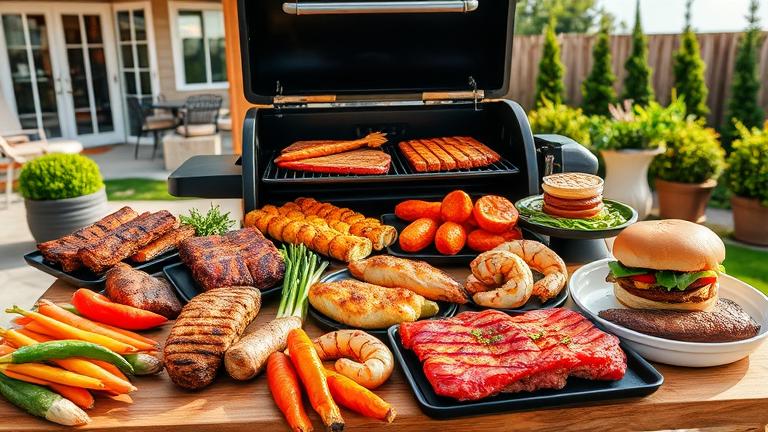
Introduction to Pellet Grill Cooking
If you’re new to pellet grill cooking, you’re about to discover a versatile and easy way to prepare delicious meals. Pellet grills, also known as pellet smokers, use wood pellets as their fuel source. These pellets are made from compressed sawdust, giving your food that smoky flavor you love while maintaining precise temperature control.
One of the biggest advantages of cooking with a pellet grill is its simplicity. Unlike traditional grills or smokers, pellet grills are equipped with an electronic control system. This means you can set your desired temperature, and the grill automatically adjusts the feed of the pellets to keep the heat steady. It’s like having a smart kitchen appliance dedicated to outdoor cooking.
Pellet grilling is very flexible. You can smoke, grill, roast, bake, braise, or even sear your food. Whether you want to enjoy slow, tender smoked ribs or quickly grill a steak, a pellet grill can handle it all. This makes it a favorite for home cooks who want to experiment with different styles of cooking without investing in multiple devices.
The benefits don’t end with versatility. Pellet grills also produce rich, smoky flavors that enhance your dishes. Since the wood pellets come in various flavors like hickory, apple, mesquite, or cherry, you can customize the taste to match what you’re cooking. Plus, the even heat distribution helps prevent hot spots, ensuring your food cooks evenly from edge to edge.
Getting started with a pellet grill is quite straightforward. You load the hopper with pellets, turn it on, and set your temperature. The grill’s internal fan circulates air, maintaining a consistent environment. Some models even have Wi-Fi connectivity, so you can monitor and control your cooking from your phone. It’s all about making outdoor cooking more convenient and enjoyable.
Whether you’re a beginner or an experienced outdoor chef, knowing how to use your pellet grill effectively starts with understanding its basic functions. Choosing the right pellets, maintaining your equipment, and learning different cooking techniques will help you get the best results. With a little practice, you’ll be turning out mouthwatering dishes in no time.
- Remember to preheat your grill before cooking to ensure an even start.
- Use quality pellets to avoid clogging or inconsistent burning.
- Experiment with different wood flavors to find your favorite taste profile.
- Maintain your grill regularly for optimal performance and safety.
So, if you’re ready to unlock new culinary possibilities outdoors, pellet grill cooking offers a fun, reliable, and flavorful way to prepare your meals. It’s a perfect blend of technology and tradition, bringing the smoky taste of outdoor cooking into your backyard with ease.
Best Recipes for Pellet Grills
Pellet grills are a versatile tool that can help you create delicious and flavorful meals with ease. Whether you’re new to pellet grilling or looking for inspiring ideas, there are plenty of recipes that turn out great and are perfect for any occasion. From tender meats to smoky vegetables, these recipes will help you make the most of your pellet grill.
Tips for Successful Pellet Grill Cooking
- Preheat your grill properly before adding food. This ensures even cooking and good searing.
- Choose high-quality hardwood pellets for flavor. Oak, hickory, apple, and mesquite each bring a different smoke flavor.
- Use a meat thermometer to monitor internal temperature. This prevents overcooking and ensures juicy results.
- Don’t rush the process. Low and slow cooking develops deep flavors and tender textures.
Popular Recipes to Try
1. Smoked Brisket
This classic barbecue favorite is perfect for pellet grills. Start by trimming excess fat and seasoning the brisket generously with a dry rub. Preheat your pellet grill to 225°F (107°C). Place the brisket on the grill and smoke for about 1 hour per pound, reaching an internal temperature of 195-203°F (90-95°C). Wrap it in foil during the last few hours if it develops a thick crust. Let the meat rest before slicing for the best result.
2. Pulled Pork Shoulder
Another barbecue staple, pulled pork is easy to prepare on a pellet grill. Rub the pork shoulder with spices and set the grill to 225°F (107°C). Smoke for several hours until the internal temperature hits around 190-200°F (88-93°C). Use forks or meat claws to shred the meat. Serve on buns with coleslaw or your favorite barbecue sauce.
3. Grilled Vegetables
Pellet grills aren’t just for meat; they add a wonderful smoky flavor to vegetables too. Toss sliced zucchini, bell peppers, mushrooms, or asparagus with olive oil, salt, and herbs. Preheat the grill to medium-high and cook the vegetables for 5-10 minutes, turning occasionally. They develop a tender texture with a hint of smoky aroma, perfect as a side dish or incorporated into salads.
4. Salmon with Herb Crust
For a lighter dish, try grilled salmon. Season fillets with salt, pepper, and lemon juice. Add a crust of chopped herbs, garlic, and breadcrumbs. Grill at medium heat for about 10 minutes or until the fish flakes easily with a fork. The smoky flavor complements the richness of the salmon beautifully.
Additional Ideas for Your Pellet Grill Adventure
- Try making homemade jerky for a tasty snack.
- Smoke Cheese for a bold, smoky flavor perfect for snacks or cooking.
- Prepare a whole chicken stuffed with herbs for a flavorful, easy meal.
With these recipes and tips, you’ll have a tasty menu ready to impress family and friends. Pellet grilling is all about experimentation and enjoyment, so don’t be afraid to modify seasonings or try new ingredients. Happy grilling!
Popular Pellet Grill Dishes
Pellet grills are known for their versatility and ability to produce delicious, smoky flavors across a wide range of dishes. From juicy meats to flavorful vegetables, these grills make outdoor cooking fun and rewarding. In this section, we’ll explore some of the most loved dishes prepared on pellet grills and share tips to help you succeed.
1. Pulled Pork Shoulder
Pulled pork is a classic favorite at backyard barbecues. It’s tender, juicy, and full of smoky flavor. To make it, start with a pork shoulder (also called pork butt). Rub it with a seasoning blend that includes salt, black pepper, paprika, and garlic powder. Let it sit for a few hours to absorb the flavors.
Preheat your pellet grill to about 225°F (107°C). Place the pork shoulder on the grill, fat side up. Cook low and slow for around 8-10 hours, until the meat easily pulls apart when shredded. Remember to occasionally check and maintain the grill’s temperature. Wrapping the pork in foil during the last few hours can help retain moisture and speed up cooking.
2. Smoked Brisket
Brisket is another favorite for pellet grill enthusiasts. It’s a bit more challenging but incredibly rewarding. Select a good quality brisket, trim excess fat, and apply a dry rub of salt, pepper, and your favorite spices.
Set your pellet grill to 225°F (107°C). Smoke the brisket for about 1 to 1.5 hours per pound. Use a meat thermometer to monitor the internal temperature, aiming for around 195°F to 205°F (90°C – 96°C). Rest the meat for at least 30 minutes before slicing to let the juices redistribute. The result is melt-in-your-mouth tenderness and rich smoky flavor.
3. Grilled Vegetables
Pellet grills aren’t just for meats. They produce fantastic grilled vegetables too. Slice peppers, zucchini, mushrooms, or corn, and toss them with olive oil, salt, and herbs.
Preheat your grill to medium-high heat, about 400°F (204°C). Place the vegetables directly on the grill grates or in a grill basket. Turn occasionally until they’re tender and lightly charred, about 10-15 minutes. Grilled vegetables are perfect as side dishes or toppings for burgers and sandwiches.
4. Whole Chicken
Cooking a whole chicken on a pellet grill gives it crispy skin and juicy meat. Start by seasoning the chicken inside and out with your favorite herbs and spices. For extra flavor, stuff the cavity with lemon halves or garlic cloves.
Preheat your grill to 375°F (190°C). Place the chicken breast side up on the grill. Cook for about 1.5 to 2 hours, until the internal temperature reaches 165°F (74°C). Use a meat thermometer for accuracy. Rest the chicken for 10 minutes before carving to keep it moist.
5. Ribs
Ribs are a barbecue mainstay, and pellet grills excel at slow-smoking tender ribs. Choose between baby back or spare ribs. Remove the membrane from the back of the ribs and apply a generous dry rub.
Set your pellet grill to 225°F (107°C). Smoke the ribs for 3-4 hours, then wrap in foil with a splash of apple juice for extra moisture for another 2 hours. Finish with a glaze or barbecue sauce if desired. The ribs should be tender and have a nice smoky flavor.
Whether you’re new to pellet grilling or a seasoned pro, these dishes showcase just how versatile your grill can be. Experiment with different flavors and techniques to make these favorites your own. Happy grilling!
Tips for Perfect Pellet Cooking
Pellet grilling is a fantastic way to cook flavorful, juicy meats and vegetables with ease. To get the best results, it’s important to understand some key tips and tricks for controlling the temperature and preparing your food properly. Whether you’re new to pellet grills or looking to improve your skills, these practical tips will help you achieve consistently delicious results.
1. Choose Quality Pellets
The foundation of good pellet cooking starts with high-quality pellets. Look for pellets made from 100% hardwood, with no fillers or binders. Popular options include hickory, oak, and mesquite, which add unique smoky flavors. Avoid pellets that are very soft or produce a lot of ash, as they can affect combustion and flavor.
2. Maintain Consistent Temperature
Temperature control is crucial for pellet grilling. Use the built-in digital controller to set your desired temperature and avoid opening the lid too often. Each time you lift the lid, heat escapes, which can cause fluctuations. For steady cooking, keep the lid closed as much as possible and wait for the grill to stabilize before adjusting the temperature.
3. Preheat Properly
Always allow your pellet grill to preheat fully before placing food on it. This helps to develop an even, smoky environment. It usually takes about 10-15 minutes for the grill to reach the target temperature. You’ll know it’s ready when the grill’s temperature stabilizes and the smoke begins to flow smoothly.
4. Use a Meat Thermometer
To achieve perfectly cooked meat, use an accurate digital meat thermometer. This helps prevent overcooking or undercooking. Insert the thermometer into the thickest part of the meat to monitor the internal temperature. Remember, meat continues cooking slightly after removal from the grill, so take it off a few degrees below the target temperature.
5. Keep the Lid Closed
One common mistake is opening the lid too often, which causes temperature fluctuations and prolongs cooking time. Plan ahead and check food at scheduled times. Using a probe thermometer that stays in the meat allows you to monitor progress without opening the lid.
6. Season and Prepare Food Thoughtfully
Good preparation makes a big difference. Marinate or dry rub your meats for at least a few hours before cooking to enhance flavor. Pat food dry before placing it on the grill — excess moisture can cause steaming rather than smoking. For vegetables, toss with oil and seasoning to prevent sticking and help flavors adhere.
7. Manage Smoke Output
Too much smoke can result in a bitter taste, especially for delicate foods. Adjust the pellet feed rate for a cleaner burn, and if your grill has a smoke setting, turn it to low or use the “smoke” cycle for slow, gentle smoke at the beginning of cooking. For longer cooks, a steady, light smoke adds richness without overpowering the dish.
8. Rest Your Meat
Allow meats to rest after cooking for better flavor and juiciness. Cover the meat loosely with foil and wait at least 10 minutes. This helps juices redistribute, making every bite tender and flavorful.
9. Clean Your Grill Regularly
Routine cleaning prevents flare-ups and maintains optimal airflow. Remove ash and food debris regularly, and clean the firepot and grease tray. This keeps your grill performing efficiently and extends its lifespan.
10. Practice and Experiment
The best way to perfect your pellet grilling skills is through practice. Experiment with different types of pellets, rubs, and cooking times. Keep notes of what works best and learn from your mistakes. Soon, you’ll be grilling like a pro!
Easy Recipes for Beginners
Getting started with pellet grilling can be exciting and fun, especially with simple recipes that don’t overwhelm you. If you’re a beginner, don’t worry — these easy recipes are perfect to build your confidence and enjoy delicious meals in no time. Pellet grills are known for their ease of use, consistent heat, and smoky flavor, making them ideal for those just starting out in outdoor cooking.
Let’s focus on recipes that require minimal prep and few ingredients. These basic dishes will help you get familiar with your pellet grill and give you the satisfaction of creating something tasty without much stress. Once you master these, you can start experimenting with more complex flavors and techniques.
Basic Grilled Chicken
This juicy, flavorful chicken is a great first recipe. It’s simple but flexible. You can serve it with sides like salad, rice, or grilled vegetables.
- Ingredients:
- 4 chicken breasts or thighs
- Salt and pepper
- Optional: garlic powder, paprika, or your favorite seasoning
- Preparation:
- Preheat your pellet grill to around 375°F (190°C). This is a medium-high heat suitable for chicken.
- Rub the chicken with salt, pepper, and any seasonings you like.
- Place the chicken on the grill grates and close the lid.
- Cook for about 15-20 minutes, turning once, until the internal temperature reaches 165°F (74°C).
- Let it rest for a few minutes before slicing. Enjoy!
Tips:
- Using a meat thermometer ensures your chicken is perfectly cooked.
- If you want extra flavor, marinate the chicken for a couple of hours before grilling.
Simple Grilled Vegetables
Vegetables are a healthy and easy addition to your pellet grilling lineup. They cook quickly and can be seasoned in many ways.
- Ingredients:
- Bell peppers, zucchini, mushrooms, or your favorite vegetables
- Olive oil
- Salt, pepper, and herbs (like thyme or rosemary)
- Preparation:
- Preheat the grill to about 400°F (204°C).
- Cut vegetables into similar-sized pieces for even cooking.
- Toss the vegetables with olive oil, salt, pepper, and herbs.
- Place them on a grill basket or directly on the grates.
- Grill for 10-15 minutes, turning occasionally, until tender and slightly charred.
- Serve as a side or toss into salads or pasta dishes.
Extra tip: Use skewers for smaller vegetables or to keep them from falling through the grates.
Easy Smoked Ribs
If you want to try something more substantial, smoked ribs are a classic choice. Don’t worry — this recipe is straightforward and perfect for beginners.
- Ingredients:
- 1 rack of pork ribs
- Rib rub (store-bought or homemade with paprika, garlic powder, salt, pepper, brown sugar)
- Preparation:
- Remove the thin membrane from the ribs for better flavor and tenderness.
- Apply the rub generously all over the ribs.
- Preheat your pellet grill to 225°F (107°C).
- Place the ribs bone side down on the grill.
- Close the lid and smoke for about 3-4 hours, spritzing with apple juice every hour to keep them moist.
- Check for doneness — the meat should pull back from the bones and be tender.
- Let rest for a few minutes before slicing and serving.
Pro tip: Using a wood pellet flavor like hickory or apple can enhance the smoky taste of your ribs.
Additional Tips for Beginners
- Keep an eye on the temperature. Maintaining the right heat is key to successful grilling.
- Start with simple recipes and gradually try more complex ones as you gain confidence.
- Clean your grill grates after each use for better flavor and longer-lasting equipment.
- Don’t be afraid to experiment or tweak seasonings to match your taste buds.
These easy pellet grilling recipes are perfect for beginners because they require minimal prep, simple ingredients, and quick results. With practice, you’ll become more comfortable with your grill and soon be creating your own favorite dishes. Happy grilling!
Smoking and Slow Cooking Tips
Smoking and slow cooking are fantastic ways to turn simple ingredients into mouthwatering, tender dishes. When done right on a pellet grill, these methods enhance flavor and ensure juicy results. Whether you’re new to smoking or looking to refine your technique, these tips will help you get the best out of your equipment.
Choose the Right Wood Pellets
The type of wood pellets you select significantly influences the flavor of your dish. For rich, smoky flavors, hardwood pellets like hickory, mesquite, or oak are excellent choices. For milder, sweeter notes, fruit woods such as apple or cherry work well. Keep in mind that mixing different pellets can create complex flavors, but avoid overdoing it as too many different woods may overpower the dish.
Pro tip: Use high-quality, fresh pellets for consistent smoke and flavor. Old or damp pellets can produce uneven smoke and affect the taste.
Maintain a Stable Temperature
Slow cooking relies on consistent heat. Use your pellet grill’s digital controller to set and maintain a steady temperature. For most slow-cooked dishes, keeping the temperature around 225°F to 250°F is ideal. This low and slow approach allows connective tissues to break down, resulting in tender meat.
Tip: Avoid opening the lid too often, as it causes temperature fluctuations and extends cooking time. Check your grill’s temperature regularly with a good thermometer to stay on track.
Prep Your Meat Properly
Before slow cooking, season your meat generously with a dry rub or marinade. Let it sit for at least a few hours or overnight in the refrigerator to absorb flavors. For tougher cuts like brisket, pork shoulder, or ribs, this step makes a big difference in tenderness and flavor.
Unique trick: Baste or spritz your meat with apple juice, vinegar, or broth during cooking. This adds moisture and helps build a flavorful crust called bark.
Use a Water Pan for Moisture
Placing a water pan inside your grill can help maintain humidity during long cooking sessions. This prevents the meat from drying out and keeps your grill environment stable. Fill the pan with hot water before cooking and check periodically.
Tip: For extra flavor, add herbs, citrus slices, or beer to the water. This subtle infusion impacts the aroma and taste of your dish.
Drink Smoker, Don’t Spoil It
Regularly clean out ash and excess grease from your grill to keep smoke clean and consistent. A clean grill also prevents flare-ups and maintains optimal operation.
Also, invest in a good meat thermometer. This helps you monitor internal temperature accurately, ensuring your meat reaches the perfect doneness without overcooking.
Perfect Your Finish
Slow cooking is about patience, but the last step is crucial. For tougher cuts, consider wrapping the meat in foil during the last few hours. This technique, called the Texas crutch, traps moisture and speeds up tenderness.
Once done, let the meat rest for 15 to 30 minutes before slicing. Resting allows juices to redistribute, giving you tender, flavorful slices every time.
- Avoid opening the lid frequently to keep consistent heat.
- Experiment with different wood flavors to find your favorite.
- Use a good meat thermometer to avoid guessing the doneness.
- Keep your grill clean for the best smoky flavors.
With these smoking and slow cooking tips, you’ll turn your pellet grill into a powerhouse of flavor and tenderness. Happy smoking!
Creative Ideas for Pellet Grilling
Pellet grilling is a versatile and fun way to cook, allowing you to explore flavors and techniques beyond the usual burgers and steaks. Whether you love experimenting with new ingredients or want to try different cuisines, your pellet grill can handle it all. Here are some creative ideas to inspire your next backyard feast.
Try International Flavors
Transform your pellet grill into a global kitchen. Use smoky spices and marinades to give dishes an international twist. For example, make Jamaican jerk chicken by marinating chicken with allspice, thyme, and Scotch bonnet peppers before grilling. Or, explore Asian fusion by grilling skewers of teriyaki-glazed beef with vegetables. You can also prepare Argentine-inspired chimichurri steak, adding fresh herbs and garlic for a vibrant, herby flavor.
Vegetarian and Vegan Delights
If you want to incorporate more plant-based meals, pellet grills are perfect for adding smoky depth to vegetables and plant proteins. Try grilling stuffed bell peppers filled with quinoa, black beans, corn, and spices. Portobello mushrooms make a hearty burger alternative—just brush them with olive oil and cook until tender. For a unique appetizer, try grilling corn on the cob and topping it with flavored butters or vegan cheese for a tasty snack.
Creative Appetizers
- Smoked shrimp skewers with garlic and lemon
- Grilled bacon-wrapped jalapeno poppers
- Stuffed date bites with goat cheese and almonds
Appetizers are a great way to showcase the grill’s smoky flavor. Wrap small foods in foil or skewers for easy grilling. Experiment with different fillings, like cheese, herbs, or spicy sauces, to surprise your guests.
Sweet and Savory Combos
Pellet grilling isn’t just for savory dishes. You can also craft delicious desserts by adding a smoky flavor to fruits and sweets. Grill pineapple slices, peaches, or apples, then serve with ice cream or yogurt. For a savory-sweet combo, try glazing pork tenderloin with fruit jam and grilling until caramelized. Smoked cheese and nuts make excellent snack ideas, perfect for parties or family nights.
Experiment with Different Cuts and Cooking Styles
Beyond traditional steaks and chicken breasts, explore different cuts like beef brisket, pork ribs, or even whole fish. Pellet grills excel at low and slow cooking, making tougher cuts tender and flavorful. You can also try grilling en papillote—baking fish in a pouch of foil with herbs and lemon—giving it a delicate, steamed texture while retaining smoky flavor.
Use Small Appliances for Unique Creations
Combine your pellet grill with other small appliances for special dishes. For example, use a smoker box inside your grill to infuse additional flavors, or set up a side smoker for cheeses. You could also experiment with smoking bread or making smoked butter for added richness in your recipes.
Remember, the key to creative pellet grilling is to have fun and not be afraid to try new ingredients or techniques. Keep notes on what works best, and gradually build your repertoire of inventive, delicious dishes. Happy grilling!