
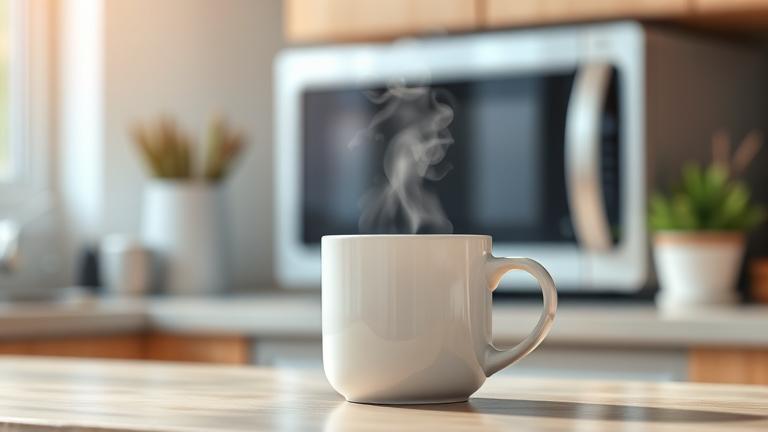
Is Reheating Coffee Safe?
Many coffee lovers enjoy a second cup or reheat their coffee to save time in the morning. But is reheating coffee safe to drink? The good news is that, in most cases, reheating coffee is safe if certain precautions are followed. However, there are a few health considerations to keep in mind.
When coffee is left out at room temperature, bacteria can grow, especially if it has been sitting for more than a couple of hours. Heating coffee to a proper temperature can kill most bacteria, making reheated coffee safe to consume. On the other hand, if coffee sits out too long, it could develop off-flavors or harmful bacteria that might cause stomach upset.
It’s also important to consider the taste and quality. Coffee stored for too long, even if reheated properly, might taste bitter or stale. To enjoy your coffee safely and flavorful, follow some simple best practices.
Best Practices for Reheating Coffee Safely
- Store leftover coffee in a clean, airtight container in the fridge if you plan to reheat it later. This helps slow bacteria growth.
- Reheat coffee within 24 hours of brewing. Beyond this time, the risk of bacterial growth increases, and the flavor deteriorates.
- Use a microwave or stovetop to reheat. When using a microwave, heat the coffee in short bursts of 20-30 seconds, stirring between each to ensure even heating. For stovetop reheating, pour the coffee into a small pot and heat over medium heat.
- Heat the coffee to at least 165°F (74°C). You can check this with a kitchen thermometer to ensure safety.
- Avoid reboiling coffee multiple times, as this can lead to a bitter, burnt taste and degrade the quality.
Potential Health Risks to Watch For
While reheating coffee is generally safe, there are some health risks if not done properly. Bacteria or mold can grow if coffee is left out too long or stored improperly. Consuming contaminated coffee might cause stomach upset or food poisoning.
Additionally, be cautious about reheating coffee that has been mixed with milk or cream. These dairy additions are more prone to bacterial growth and should be consumed quickly or discarded if left out too long.
Common Mistakes to Avoid
- Reheating coffee that was left out at room temperature for more than two hours.
- Reusing coffee multiple times, which can lead to a bitter flavor and potential safety issues.
- Overheating coffee, especially in the microwave, which can cause uneven heating and hot spots that might burn your mouth.
In summary, reheating coffee can be safe if you store it properly, reheat it to the right temperature, and consume it within a reasonable time frame. By following these simple safety tips, you can enjoy your leftover coffee without worry. Remember, when in doubt, trust your senses—if the coffee smells or tastes off, it’s best to discard it.
Best Ways to Reheat Coffee
If you’ve brewed a good cup of coffee but can’t finish it right away, you might wonder how to reheat it without losing its flavor or aroma. Reheating coffee can be tricky because it tends to taste flat or bitter if not done carefully. The good news is there are several methods that can help you warm up your coffee effectively while keeping it tasty and enjoyable.
Microwave Method
The microwave is one of the most convenient ways to reheat coffee. It’s quick, easy, and requires no special equipment. To do it right, pour your coffee into a microwave-safe cup or mug. Heat it on medium power for 30 seconds at a time, stirring gently after each interval. Repeat until your coffee reaches your preferred temperature. Be careful not to overheat, as boiling or super-hot coffee can taste burnt or bitter.
Many people worry that microwaving can change the flavor, but it mainly depends on how hot you get it. To prevent this, always warm in short bursts and check frequently. Also, if your coffee has milk or creamer, be sure to heat it gently so it doesn’t curdle or develop an unusual taste.
Stovetop Method
If you prefer a more traditional approach, reheating coffee on the stovetop works well. Pour your leftover coffee into a small pot or saucepan. Warm it over low heat, stirring occasionally. This method allows you to control the temperature and avoid overheating. Keep an eye on it to prevent burning or boiling over.
Stovetop reheating preserves the most flavor because it heats evenly and gently. It’s especially good if you have a larger amount of coffee or want to refill a thermal bottle. Remember, never leave the coffee unattended while on the stove to prevent accidental boiling or spills.
Coffee Maker or Thermal Carafe
If you have a coffee maker with a warming plate, you can pour leftover coffee back into the carafe and keep it warm for a little while. Some coffee makers also have a reheat function, but be cautious: leaving coffee on the warming plate too long can cause it to become bitter or stale.
Using a thermal carafe is best. It keeps your coffee warm without continuously heating it, which helps preserve flavor. If your coffee has cooled, pour it into the carafe and let it sit until ready to serve. This method is ideal for maintaining temperature for a while, especially when entertaining guests.
Tips to Keep Coffee Tasty When Reheating
- Avoid reheating multiple times. Each reheating can diminish flavor and quality.
- If possible, only reheat the amount you plan to drink, rather than the entire batch.
- Use fresh filters or clean equipment regularly to prevent old coffee flavors from contaminating your brew.
- Consider adding a splash of milk or a sprinkle of cinnamon after reheating to refresh the flavor.
By choosing the right reheating method and following these tips, you can enjoy warm coffee that still tastes great, even if it’s been sitting for a little while. Keep experimenting to see which technique suits your taste best and makes your coffee experience enjoyable every time.
Microwave vs. Stove: Which Method is Better?
When it comes to reheating coffee, many people wonder whether to use the microwave or the stove. Both methods have their advantages and disadvantages, so it depends on what you value most — speed, flavor, or control. Let’s take a closer look at each option.
Starting with the microwave, it is often the quickest and most convenient way to warm up a cup of coffee. Simply place your mug in the microwave, set the timer for 30 to 60 seconds, and you’re done. It’s perfect if you are in a hurry or need a quick caffeine boost. Plus, it heats evenly if you use a microwave-safe mug and stir halfway through.
However, microwaving coffee has some downsides. It can sometimes cause the coffee to heat unevenly, creating hot spots that may burn your tongue. Reheating too long or at too high a setting can also make the coffee taste “scorched” or bitter. Additionally, microwaves tend to zap the aroma and flavor, leaving your coffee less fresh-tasting.
On the other hand, reheating coffee on the stove gives you more control. You can place the coffee in a small pot or saucepan over low heat. Stir occasionally and stay nearby to prevent scalding or boiling over. This method warms the coffee gradually, helping preserve the original flavor and aroma. It also reduces the risk of overheating and bitter tastes caused by direct microwave radiation.
The main disadvantage of on-stove reheating is the extra time and effort involved. It takes longer — usually a few minutes — and requires more attention. Also, there’s a small risk of spilling or splashing if you’re not careful. For those who enjoy coffee’s full flavor experience, gently warming on the stove often results in a tastier cup.
Reheating Tips for Both Methods
- Microwave: Use a microwave-safe mug, heat in short bursts, and stir halfway through to prevent uneven heating.
- Stove: Use low heat, stir regularly, and avoid boiling to keep the flavor intact. Transfer to a fresh mug after reheating.
Choosing between the microwave and stove depends on your priorities. If you need speed and convenience, the microwave is your best bet. But if you want to preserve the taste and aroma, taking a few extra minutes on the stove might be worth it. Both methods can do the job well if used carefully—just pick the one that fits your routine today.
Tips for Restoring Coffee Flavor
If your reheated coffee has lost its rich aroma and fresh taste, don’t worry. There are simple ways to bring back its flavor so you can enjoy that perfect cup. Restoring coffee flavor is all about enhancing what’s already there and adding a few quick tricks to improve the taste.
First, consider how you’re reheating the coffee. Microwaving it at high power can sometimes cause it to taste stale or burnt. Instead, try warming it gently on the stove over low heat. This slow process helps preserve more of the coffee’s original flavor and prevents it from becoming bitter.
Another handy tip is to add a splash of milk or cream. Dairy ingredients naturally mellow out bitter notes and add a smooth, creamy texture. If the coffee feels flat, a small amount of half-and-half or a dollop of foam can work wonders for revitalizing the flavor.
Sweeteners can also make a difference. A pinch of sugar, honey, or flavored syrup can mask any dull or sour notes that develop after reheating. Adjust gradually and taste as you go to avoid over-sweetening, which can overpower the coffee’s natural taste.
For a flavor boost, try adding a pinch of spices like cinnamon or nutmeg. These warm spices complement coffee beautifully and can create that fresh-brewed experience. Just sprinkle a small amount into your mug, stir well, and see how the aroma transforms.
If your coffee seems to lack brightness, a curveball trick is to add a small piece of citrus peel or a few drops of orange extract. The citrus notes can brighten the drink and add a fresh, lively flavor. Be cautious with quantities so the citrus doesn’t overpower the coffee.
Sometimes, stale or old coffee can be improved by mixing it with freshly brewed coffee. If you have some leftover strong brew, blend a little with reheated coffee. This can invigorate the flavor and make it taste closer to freshly made.
Use fresh flavorings: herbs like a sprig of mint or a basil leaf can add a surprising twist. Steep the herbs in hot water for a few minutes, then add the infused water to your coffee. It’s a neat trick to infuse new layers of flavor.
Lastly, storing coffee properly is key to maintaining its original flavor. Keep your coffee in an airtight container away from sunlight and heat. When reheating, avoid boiling or overheating, which can destroy delicate flavors.
By following these simple tips, you can turn a dull, reheated mug of coffee into a delightful drink once again. Remember, small adjustments can make a big difference in flavor, so don’t be afraid to experiment and find what works best for your taste buds.
Common Mistakes to Avoid
Reheating coffee might seem simple, but many home cooks make mistakes that can ruin its flavor and aroma. Knowing what to watch out for can help you enjoy a fresh-tasting cup every time. From overheating to using the wrong containers, these common errors can turn your beloved brew into an unpleasant experience.
One of the most frequent mistakes is reheating coffee at too high a temperature. When you heat coffee rapidly on high heat, it can quickly become bitter and lose its delicate flavors. It’s better to warm it gently, using low heat or even the microwave’s defrost setting, which heats more evenly. Be careful not to leave the coffee in the microwave for too long; over-heating can cause it to scorch and develop a burnt taste.
Another common error is reheating coffee too many times. Each reheating cycle degrades the quality further, leading to a dull, flat taste. If you notice your coffee has cooled down, it’s best to reheat only once. If you have leftovers, consider making a smaller portion or starting fresh. This way, you keep the flavor fresh and vibrant.
Using inappropriate containers can also affect the taste. Avoid reheating coffee in plastic that isn’t meant for high temperatures, as it can release unwanted chemicals or alter the flavor. Glass or microwave-safe ceramic mugs are better options. Additionally, leaving your coffee in a dirty cup or one with leftover flavors can taint the taste of reheated coffee. Always use a clean container for reheating.
Ignoring Storage Best Practices
How you store leftover coffee impacts the reheating process. Avoid leaving coffee out at room temperature for hours, as bacteria can grow, and the flavor can deteriorate. Instead, transfer leftovers to an airtight container and refrigerate if you plan to reheat later. When reheating, give the coffee a quick stir to distribute heat evenly, reducing the chance of hotspots that can scorch the coffee.
Overlooking the Aroma and Texture
The smell and texture of coffee can give clues about its freshness and quality after reheating. If the coffee smells off or stale, it’s best to discard it. Reheated coffee often becomes more watery or thin, especially if it has been sitting too long or was stored improperly. Experiment with small batches to find the best reheating method that maintains the original aroma and richness.
Lastly, avoid adding too many extras when reheating. Say no to putting sugar or milk directly into hot coffee that has been reheated multiple times. These additions can curdle or change the flavor profile. Instead, add fresh milk or sweeteners after reheating, when the coffee is at the right temperature.
- Use gentle heat to avoid bitterness.
- Reheat only once to preserve flavor.
- Choose safe, clean containers for reheating.
- Store leftovers properly in the fridge.
- Don’t add dairy or sugar until after reheating.
By avoiding these common mistakes, you can enjoy your reheated coffee without sacrificing flavor or aroma. With a little care, leftover coffee can still be a comforting, enjoyable drink.
Enhancing Reheated Coffee
Reheated coffee can sometimes lose its fresh aroma and rich taste. However, with a few simple tricks, you can bring back its flavor and make it more enjoyable. Whether you prefer to use a microwave or stovetop, these tips will help you improve your reheated coffee quickly and easily.
Using the Microwave
The microwave is the fastest way to reheat coffee, but it can sometimes make the coffee taste flat or burnt if not careful. To enhance the flavor, start by pouring your coffee into a microwave-safe mug. Before heating, add a small pinch of salt or a tiny piece of butter. These ingredients can balance out any bitterness caused by reheating and add a subtle richness.
Heat the coffee in short bursts of 20-30 seconds, stirring between each. This prevents overheating, which can dull the flavor. After reheating, consider adding a dash of cinnamon or vanilla extract. These natural flavors can refresh the coffee and add interesting aroma notes.
Stovetop Method
Reheating coffee on the stove offers more control over temperature, reducing the risk of overcooking. Pour your coffee into a small saucepan and warm it over low heat. Use a spoon or whisk to stir occasionally. This gentle warming helps preserve the coffee’s original aroma while evenly heating it.
Once warmed, taste the coffee and decide if it needs a boost. You might add a splash of milk or cream to mellow any bitterness. For extra flavor, a pinch of cocoa powder or a sprinkle of nutmeg can make your reheated coffee taste more lively and inviting.
Add Flavors to Enhance Taste
- Spices and extracts: Cinnamon, nutmeg, or a drop of vanilla or almond extract can transform reheated coffee into a more aromatic experience.
- Sweeteners: Honey, maple syrup, or flavored syrups can help mask any flat taste and add complexity.
- Milk or cream: Warming your milk or cream before adding it to the coffee can improve its taste and texture.
Be cautious with the amount of flavorings added. Start with small amounts and taste as you go. Overdoing it can overpower the natural coffee flavor.
Tips for Better Reheated Coffee
- Always store coffee in an airtight container in the fridge if you plan to reheat it later. This helps maintain freshness.
- Avoid reheating coffee multiple times. Each reheating can degrade flavor and aroma.
- If your coffee tastes bitter after reheating, add a tiny pinch of sugar or salt to balance the flavor.
- For best results, drink the reheated coffee soon after warming. Coffee loses its aroma quickly.
Common Mistakes to Avoid
- Overheating coffee in the microwave, which can cause it to taste burnt.
- Reheating coffee more than once. This compounds flavor loss and can make the coffee taste stale.
- Adding too much flavoring at once, leading to an artificial taste.
With these simple techniques, your reheated coffee can taste much fresher and more satisfying. Small adjustments and thoughtful add-ins are key to turning a dull leftover into a delicious treat. Experiment to find your perfect reheating method and flavor combo!
Is Reheated Coffee Worth It?
If you’ve ever brewed a fresh cup of coffee only to find yourself saving some for later, you’ve probably wondered if reheating coffee is a good idea. Reheating coffee can be convenient, especially when you’re in a rush or the coffee has cooled too quickly. But before you pop that cup in the microwave or reheat on the stove, it’s helpful to consider how it affects taste, safety, and overall experience.
Reheated coffee can be a practical choice if you prefer your coffee warm rather than cold. Many people enjoy their coffee hot, and reheating makes it easy to re-energize your morning without brewing a new batch. However, the taste of coffee often changes during the reheating process. Coffee contains natural oils, acids, and aromatic compounds that can break down or alter when exposed to heat again.
When you reheat coffee, you may notice it tasting more bitter, stale, or even burnt. This happens because reheating can intensify the acidic or bitter notes, especially if the coffee has been sitting out for a while. If you’re a coffee lover who values the fresh aroma and nuanced flavors, reheating might be a less satisfying experience. But if convenience is more important to you than flavor perfection, reheating can still be worthwhile.
Safety Considerations
Reheated coffee is generally safe to drink if it has been stored properly. The main concern is how long the coffee has sat out. Bacteria can grow on coffee if it’s left at room temperature for more than two hours. To minimize risks, store leftover coffee in an airtight container in the fridge and reheat only the amount you plan to drink.
When reheating, it’s best to bring the coffee to a high enough temperature to kill any bacteria. Use a microwave or stove to heat it evenly, stirring if necessary. Avoid reheating multiple times, as each reheating cycle can increase the chance of bacterial growth and degrade flavor further.
Convenience Tips
- Use the microwave for quick reheating, setting it to medium power to avoid burning the coffee. Heat in short bursts and stir in between.
- If reheating on the stove, warm the coffee over low heat, stirring gently to prevent scorching or sticking to the pan.
- Only reheat the amount you plan to drink in one sitting. Avoid reheating the same coffee repeatedly to maintain safety and taste.
- For a better taste, consider adding fresh milk, cream, or a sprinkle of cinnamon after reheating. This can mask some flavor changes caused by reheating.
Summary
Whether reheated coffee is worth it really depends on your priorities. If time is tight and convenience matters more than perfect flavor, reheating is a practical option. Just keep safety in mind by storing leftover coffee properly and reheating it thoroughly.
If you’re a coffee purist who loves that fresh, aromatic taste, you might prefer to brew a new cup instead of rewarming leftovers. But for most people, reheating offers a simple way to enjoy remaining coffee without waste. It’s all about finding the right balance between flavor and convenience in your daily routine.