
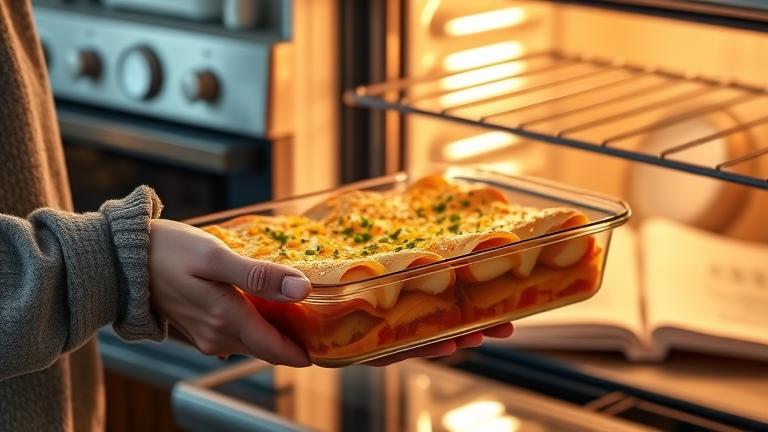
Introduction to Cooking Frozen Enchiladas
Cooking frozen enchiladas is a convenient way to enjoy a tasty Mexican-inspired meal without much prep work. These ready-to-bake dishes are perfect for busy weeknights or when you want a comforting dinner with minimal effort. But knowing the right way to cook them ensures they turn out delicious and are safe to eat.
The key to perfectly cooked frozen enchiladas is understanding the common methods of heating and the importance of proper cooking techniques. Whether you prefer baking them in the oven, microwaving for a quick fix, or using a combination of both, each method has its own benefits and tips for the best results.
Why Proper Cooking Matters
Cooking frozen enchiladas thoroughly isn’t just about taste; it’s also a safety issue. When food isn’t heated evenly or long enough, harmful bacteria may survive, leading to foodborne illnesses. Proper cooking also helps melt cheese, soften the tortillas, and bring out the flavors of the filling and sauce.
Achieving the right temperature is crucial. Enchiladas should reach an internal temperature of 165°F (74°C) to be considered safe to eat. Using a food thermometer is a great way to check, especially if you’re unsure if they’re heated through.
Common Methods for Cooking Frozen Enchiladas
- Oven Baking: This is the most popular method for an evenly heated, crispy, and flavorful result. It takes longer but produces the best texture and taste.
- Microwaving: Perfect for a quick and easy meal. While it heats the enchiladas faster, they might be softer and less crispy. Covering them with a microwave-safe lid or wrap helps trap steam and heat evenly.
- Combination Method: Start by microwaving to thaw slightly and then finish in the oven. This method saves time and improves flavor and texture.
Tips for Best Results
- Always check the package instructions as they often have the recommended cooking times and temperatures specific to the brand and size.
- If baking in the oven, cover the dish with foil during the first part of cooking to prevent the edges from drying out, then uncover for a crispy top.
- Use a food thermometer to ensure the enchiladas have reached at least 165°F (74°C) all the way through.
- Let the enchiladas rest for a few minutes after cooking. This helps the filling set and makes serving easier.
With the right techniques, cooking frozen enchiladas can be quick, easy, and delicious. Whether you’re craving a quick microwave meal or a crispy baked version, knowing these methods will help you get the most flavor and safety from your frozen enchiladas every time.
How Long to Bake Frozen Enchiladas
Baking frozen enchiladas is a great way to enjoy a tasty homemade meal with minimal prep. The key is to find the right baking time so they are heated thoroughly and the cheese is perfectly melted. Usually, baking times for frozen enchiladas range from 25 to 35 minutes in a standard oven, but several factors can influence this duration.
When baking frozen enchiladas, it’s important to consider the size and thickness of the enchiladas, as well as your oven’s actual temperature. Thin or smaller enchiladas might cook faster, while larger, denser ones take a bit longer. It’s a good idea to check the dish around the 25-minute mark and then add extra time if needed.
Here is a general guideline to follow:
| Oven Temperature | Estimated Baking Time |
|---|---|
| 350°F (175°C) | 25 to 35 minutes |
| 375°F (190°C) | 20 to 30 minutes |
| 400°F (200°C) | 20 to 25 minutes |
To ensure your enchiladas are heated all the way through, you can use a food thermometer. The internal temperature should reach at least 165°F (74°C) to be safe to eat. Check the center of the enchiladas before removing them from the oven. If the filling is hot and bubbly and the cheese is melted and slightly browned, they are ready to serve.
Another tip is to cover the dish with aluminum foil during the first part of baking. This helps the enchiladas heat evenly and keeps them moist. Remove the foil in the last 5 to 10 minutes if you want a crispier cheese topping. If your enchiladas are frozen solid, it might take an additional 5 minutes, so give them some extra time and check frequently.
Remember, every oven is slightly different. If you notice your enchiladas are browning too fast on top but still cold inside, lower the temperature slightly or cover them to prevent burning. Conversely, if they are hot but the cheese isn’t bubbly, increase the baking time or temperature slightly.
By paying attention to these factors and checking the internal temperature, you’ll always end up with deliciously heated enchiladas. It’s a simple process, and with these guidelines, you can enjoy your frozen enchiladas anytime with confidence.
Temperature Tips for Perfect Results
Getting the oven temperature just right is key to making delicious, evenly cooked enchiladas. Whether you’re baking, warming, or melting cheese, understanding the ideal oven settings can make a big difference. Keeping a consistent heat helps ensure that every enchilada is flavorful and perfectly cooked from edge to edge.
First, it’s important to know the common oven temperatures used in enchilada recipes. Most recipes call for baking at 350°F (175°C). This temperature provides a good balance, allowing the cheese to melt nicely without burning and the filling to heat through uniformly. If you’re reheating leftover enchiladas, a slightly lower temperature of about 325°F (165°C) helps prevent drying out.
Maintaining Consistent Heat
Ovens can sometimes have hot spots or temperature fluctuations. To maintain a steady temperature, it’s helpful to use an oven thermometer. Place it inside your oven to get an accurate reading. If you notice your oven running hot or cold, adjust the temperature accordingly or consider calibrating your oven if it tends to be off.
Preheating the oven before baking is crucial. Give your oven at least 15 minutes to reach the desired temperature. This way, your enchiladas cook evenly from the moment they go in. Avoid opening the oven door frequently during baking, as this causes temperature dips that can lead to uneven cooking.
Using the Right Bakeware
Choose the appropriate baking dish—metal pans tend to heat up quickly and distribute heat evenly, whereas glass or ceramic dishes may require slight temperature adjustments and longer cooking times. Covering your enchiladas with foil during the first part of baking helps trap heat and moisture, ensuring they cook evenly. Remove the foil towards the end to get a golden, bubbly top.
Additional Tips for Even Cooking
- Rotate the dish halfway through baking to counteract hot spots and promote even heat distribution.
- If your oven has a convection setting, using it can help circulate hot air around your enchiladas. Just reduce the temperature by about 25°F (14°C) to prevent overbaking.
- Use an oven thermometer to verify your actual temperature if you rely on your oven’s built-in setting. Ovens can sometimes be inaccurate over time.
- Let the enchiladas rest for 5–10 minutes after baking. This helps toppings set and makes serving easier, while also allowing heat to distribute evenly.
Remember, thoughtful temperature control isn’t just about safety. It’s about creating those beautifully melted cheese layers and tender fillings everyone loves. With these simple tips, your enchiladas will come out perfectly every time—hot, bubbly, and delicious.
Preparing Your Enchiladas for Cooking
Getting your frozen enchiladas ready for the oven is simple and makes a big difference in how they turn out. Taking a few easy steps before cooking ensures they heat evenly and taste delicious. Let’s walk through the process so your enchiladas come out perfect every time.
First, carefully remove the enchiladas from their packaging. If they are wrapped in plastic wrap or foil, gently peel it away. Be careful not to tear the tortillas or spill any filling. If your enchiladas are in a microwave-safe tray, check if they need to be transferred to a different baking dish for oven cooking.
Next, decide if you want to add some extra toppings before baking. Classic options include shredded cheese, chopped onions, sliced jalapenos, or a dollop of sour cream. Adding cheese on top creates a delicious, melty finish, but it’s optional if you prefer them simpler. If you like a crispy topping, sprinkle a little extra cheese or crushed tortilla chips over the enchiladas now.
Arrange the frozen enchiladas in a single layer in a baking dish. A rectangular or square dish works well. Make sure they are spaced slightly apart so they heat evenly. If you’re baking multiple layers, use foil to cover the dish and prevent the top from burning while the inside heats through.
If your enchiladas came with sauce, pour some over the top before baking. This adds flavor, keeps them moist, and prevents the tortillas from drying out. Use enough to cover each enchilada lightly—about half to one cup, depending on the size of your dish.
For even cooking, it’s helpful to preheat your oven to the temperature specified on the package—usually around 350°F (175°C). Cover the dish with aluminum foil if you want the enchiladas to stay moist. Removing the foil during the last 10 minutes of baking will give the top a nice, bubbly finish and help cheese melt and brown just right.
Before baking, double-check that your enchiladas are evenly spaced and that the sauce and toppings are distributed as you like. This small step makes a big difference in presentation and enjoyment. Now you’re ready to pop them into the oven and wait for a warm, cheesy feast.
Microwave vs. Oven Cooking
When it comes to cooking frozen enchiladas, many home cooks wonder whether to use a microwave or an oven. Both methods have their advantages and potential downsides. Knowing how each works can help you choose the best option based on your time, texture preferences, and convenience.
The microwave is a quick and easy choice. It heats food fast, making it perfect when you’re in a hurry. On the other hand, the oven takes more time but offers a more even cook and crisping of the top layer. Let’s explore the main differences so you can decide which method suits your needs.
Microwave Cooking
Microwaving frozen enchiladas is the fastest way to enjoy a warm meal. To do it safely and effectively, follow these tips:
- Remove any plastic film or wrapping before cooking. Use microwave-safe containers or plates.
- Place the enchiladas in the center of the microwave for even heating.
- Start with 2 to 3 minutes on high power. Check the temperature and stir or rotate if necessary.
- If still cold in parts, microwave for additional 30-second intervals until hot all the way through.
- Let the enchiladas sit for a minute after microwaving, as they continue to cook slightly and reduce hot spots.
Advantages include speed, convenience, and minimal cleanup. It works well when you’re short on time or just reheating leftovers.
However, some disadvantages are that microwave heating can produce uneven heating, possibly leaving cold spots. The texture of the tortillas may also become soggy or rubbery if overcooked.
Oven Cooking
The oven method takes longer but can produce a tastier, more evenly cooked enchilada. Here’s how to do it properly:
- Preheat your oven to 375°F (190°C).
- Remove any plastic wrapping from the frozen enchiladas.
- Place them in an oven-safe dish, and cover loosely with foil to prevent drying out.
- Bake for about 25 to 30 minutes. Check to see if they’re heated through and the cheese is melted.
- Remove the foil in the last 5 minutes if you want a crispier top.
- Let sit for 5 minutes before serving to allow the filling to settle.
Advantages include even heating, a crispy top layer, and better overall texture. It mimics traditional baked enchiladas, which many find more satisfying.
Disadvantages involve longer cooking times and the need to turn on the oven, which uses more energy and requires more planning.
Summary
| Method | Time | Texture | Best For |
|---|---|---|---|
| Microwave | Few minutes | Soft, possibly soggy | Quick reheating or fast meals |
| Oven | 20–30 minutes | Even, crispy edges | Full flavor and texture improvement |
In summary, if you’re short on time and just want to enjoy your frozen enchiladas quickly, the microwave is your friend. For a tastier, more authentic experience with a better texture, the oven is the way to go. Whichever method you choose, make sure to heat thoroughly for safety and enjoy your meal!
Checking If Enchiladas Are Fully Cooked
You’ve assembled your enchiladas and popped them into the oven. Now, how do you know when they’re perfectly cooked and ready to enjoy? Checking if enchiladas are fully cooked is simple once you look for some key signs and use a few handy techniques. These tips will help ensure your dish is both safe to eat and deliciously hot throughout.
First, consider the visual cues. When enchiladas are done, the cheese on top should be bubbly, golden, and slightly browned. The sauce around the edges should be thick and slightly reduced, indicating it’s hot and melded with the other ingredients. If the cheese is only melted but not bubbly, they might need a few extra minutes. Keep an eye on the overall appearance, especially if you used a cheese blend, as different types melt and brown at different rates.
Next, check the sauce. When enchiladas are fully cooked, the sauce should be thick and slightly glazed. If it looks watery or has separated, they may need more time in the oven. Be sure to use oven mitts to handle the dish safely while checking.
One practical way to verify that your enchiladas are heated through and fully cooked is to take the internal temperature. Use a food-safe meat or digital probe thermometer for accuracy. Insert the thermometer into the center of one or two of the enchiladas, avoiding the sides where it might be too close to the hot dish. The safe internal temperature for cooked poultry and meat is generally 165°F (74°C). If you used cooked chicken or other meats in your enchiladas, make sure they reach that temperature to ensure safety.
For vegetarian or cheese-only enchiladas, you don’t have to worry about pathogens, but it’s still best to make sure everything is hot enough to melt the cheese fully and blend the flavors. Usually, a temperature of 165°F also works well here, ensuring heat penetration.
If you aren’t using a thermometer, a good test is the “wiggle” test. Gently shake the dish slightly—if the sauce and filling jiggle, it’s likely hot throughout. Also, a quick poke with a clean fork or skewer into the center can help you feel if it’s hot to the touch or if the sauce is bubbling around the edges.
For best results, let your enchiladas rest for a few minutes after removing from the oven. This helps the sauce thicken and settle so the dish is easier to serve and ensures better heat distribution.
- Observe bubbling around the edges and bubbling on top.
- Use a food thermometer to check for 165°F inside the dish.
- Gently shake the dish to see if the filling jiggles, indicating it’s heated through.
Serving Suggestions and Meal Ideas
Cooked enchiladas are a versatile and crowd-pleasing dish that can be enjoyed in many ways. Whether you’re serving them for a weeknight dinner or a special occasion, the right accompaniments can elevate the flavors and make your meal even more satisfying. Here are some practical tips and creative ideas to help you serve enchiladas beautifully and turn your meal into a delightful experience.
Basic Serving Tips
Start by placing the enchiladas on a large platter or individual plates. A drizzle of fresh lime juice or a sprinkle of chopped cilantro on top adds brightness and color. For a classic look, serve enchiladas with a dollop of sour cream and extra salsa on the side. To keep them warm, cover with foil until ready to serve, especially if you’re making several at once.
Complementary Side Dishes
Enchiladas are hearty, so pairing them with the right sides creates a balanced meal. Here are some popular options:
- Mexican Rice: Fluffy, flavorful rice cooked with tomato, garlic, and spices pairs perfectly with enchiladas. It helps soak up the extra sauce and adds a comforting element.
- Refried Beans or Black Beans: Creamy beans add protein and fiber, making the meal more filling. For a twist, try refried beans with a touch of cheese or chopped onions.
- Grilled Vegetables: Sautéed peppers, onions, or zucchini provide a smoky contrast. They also add color and nutrition to your plate.
- Fresh Salad: A simple side salad with lettuce, tomatoes, cucumbers, and a tangy vinaigrette brings freshness to the meal.
Creative Meal Ideas
Mix and match your sides and toppings to create exciting variations. Here are some ideas to inspire your next enchilada feast:
- Breakfast Enchiladas: Fill tortillas with scrambled eggs, cheese, and breakfast sausage or veggies. Top with salsa verde and sour cream for a savory morning treat.
- Vegetarian Version: Substitute chicken or beef with sautéed mushrooms, spinach, or beans for a meatless option that is equally flavorful.
- Enchilada Casserole: Layer the enchilada filling and sauce in a baking dish, then bake as a casserole. It’s perfect for feeding a crowd and easy to serve in slices.
- Spice Level: Adjust the heat by choosing milder or hotter chile sauces. Add sliced jalapenos, hot sauce, or crushed red pepper flakes for extra spice.
Presentation Tips
For an attractive display, sprinkle chopped fresh cilantro, thinly sliced radishes, or shredded cheese over the top of the enchiladas just before serving. Use colorful plates or garnishing to make the meal photo-worthy. A squeeze of lime or lemon just before eating can brighten the flavors and add a professional touch.
Remember, serving enchiladas with thoughtful sides and garnishes transforms a simple dish into a memorable meal. Feel free to experiment with flavors and presentation to make it your own. Enjoy your delicious enchilada feast!