
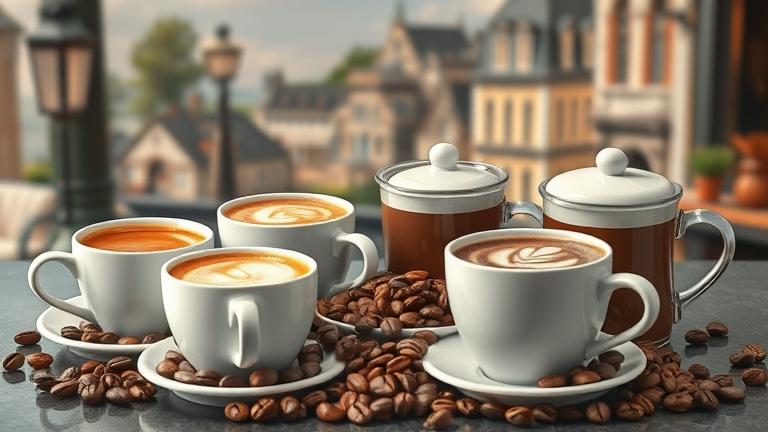
Types of Coffee in Europe
Europe is famous for its rich coffee culture, with a wide variety of coffee types enjoyed across different countries. From the bold espresso in Italy to the creamy café au lait in France, each region has its own unique coffee traditions. If you’re curious about the most popular European coffee styles, this guide will help you understand their characteristics and how to enjoy them at home or while traveling.
One of the most iconic European coffees is the espresso. Originating in Italy, it is a small, concentrated shot of strong coffee made by forcing hot water through finely-ground coffee beans. Espresso serves as the base for many other drinks, so learning how to brew a good shot is a great place to start. To make espresso at home, you’ll need an espresso machine or a stovetop moka pot. Use fresh, finely-ground coffee, and don’t forget to tamp the coffee evenly for a smooth extraction. A well-made espresso should have a rich aroma, a thick layer of crema on top, and a bold flavor.
Across Spain and Italy, the caffè latte and cappuccino are popular breakfast choices. These drinks combine espresso with steamed milk, but the ratios differ. A latte has more milk, making it smoother and milder, while a cappuccino has equal parts of espresso, steamed milk, and foam, giving it a frothy top. To prepare these drinks at home, brew a shot of espresso and steam milk until it’s frothy. Use a milk frother or steam wand; remember, the milk should be velvety but not boiling. Pour the steamed milk over the espresso, and finish with a layer of foam for that classic appearance.
In France, the café au lait is a breakfast staple. It combines strong brewed coffee, often filtered or French press, with hot milk. Unlike the espresso-based drinks, café au lait is usually made with regular brewed coffee. To make it, brew a pot of coffee, heat milk, and then pour equal parts coffee and hot milk into your cup. This creates a smooth, milky coffee that’s perfect for relaxing mornings.
In Nordic countries such as Sweden and Finland, the Kaffeost serves as a cozy tradition. It involves dipping bread or bun into hot coffee or adding pieces of cheese or bread into the coffee itself, creating a warm, comforting drink. Though not as common, it highlights the regional love for different ways to enjoy coffee outside traditional brewing methods.
Germany and Austria are well known for their Melange and Filter Coffee. Filter coffee is similar to drip coffee in the US, where hot water drips through ground coffee in a filter, resulting in a smooth, medium-strength brew. Melange is a type of specialty coffee with equal parts of espresso, steamed milk, and milk foam, similar to a cappuccino but usually softer and creamier.
Whether you enjoy the intense richness of an Italian espresso, the frothy charm of a French café crème, or the milky comfort of a Nordic café au lait, European coffee offers a variety of experiences. Exploring these different types helps you understand the regional flavors and traditions that make European coffee culture so vibrant. Next time you visit, try ordering these classic styles or experiment with brewing some at home to bring a piece of Europe into your daily routine.
Popular Brewing Methods in Europe
European coffee culture is rich and diverse, with many brewing methods celebrated across the continent. From traditional techniques passed down through generations to modern ways that bring convenience and new flavors, these methods shape how Europeans enjoy their coffee every day.
Understanding some of the most popular brewing methods can help you explore different tastes and find the perfect cup for your preferences. Let’s take a look at the well-loved techniques that are part of Europe’s coffee scene.
Drip Coffee Makers
This is one of the most common methods used in many European households. The drip coffee maker, also known as filter coffee machine, involves pouring water over ground coffee held in a paper or metal filter. The water heats up, passes through the coffee grounds, and drips into a pot below.
Drip coffee is praised for its convenience and consistency. It produces a clean, smooth flavor that many people love to start their day. Modern machines often come with settings for brewing strength and temperature, giving you some control over your brew.
Tip: Use fresh ground coffee for better flavor. Coarse grounds work best to avoid over-extraction, which can make the coffee bitter.
French Press (Press Pot)
The French press, or press pot, is popular especially in countries like France. It’s simple and allows for full control of the brewing process. You add coarsely ground coffee to the cylindrical container, pour hot water over it, and let it steep for a few minutes.
After steeping, you press down the plunger to separate the grounds from the liquid. The result is a rich, full-bodied cup with more oils and flavors than filtered coffee.
Tip: Use a coarse grind and let the coffee steep for about four minutes for the best balance of strength and clarity. Always clean the plunger thoroughly to prevent old coffee oils from affecting the taste.
Espresso Machines
Espresso is a cornerstone of many European coffee traditions, especially in Italy. An espresso machine forces hot water through finely ground coffee under high pressure, creating a small, concentrated shot of coffee.
This method is the base for many popular drinks like cappuccinos, lattes, and macchiatos. Espresso is known for its bold flavor and thick texture, making it a favorite for coffee enthusiasts.
Tip: Use freshly ground coffee and tamp it evenly into the portafilter. Proper extraction time is about 25-30 seconds. Small mistakes here can lead to bitter or weak espresso.
Percolators
Percolators are traditional in some parts of Europe, especially for making larger amounts of coffee. Water gets heated in a lower chamber, then rises through a tube and filters through the coffee grounds repeatedly until the desired strength is achieved.
This method can produce a robust, strong coffee, but it’s easy to over-extract and taste bitter if left too long. Many appreciate the vintage charm of percolators and their ability to brew at high temperatures.
Tip: Keep an eye on the brewing time. About five minutes usually gives a good balance, but it depends on the amount of coffee and personal taste.
Modern and Specialty Methods
In recent years, European cafes have embraced innovative brewing methods such as pour-over, AeroPress, and cold brew. Pour-over involves pouring hot water in circles over coffee grounds in a cone-shaped filter, allowing full control over brewing time and extraction. AeroPress uses pressure to brew a strong concentrate similar to espresso but with a cleaner taste. Cold brew, made by steeping coffee grounds in cold water for 12-24 hours, results in smooth, less acidic coffee enjoyed especially during warmer months.
These methods allow for personalized flavors and are perfect for home baristas wanting to experiment. They also capture the craftsmanship and artistry that many European coffee lovers seek.
Whether you prefer the simplicity of a drip machine or the full-bodied richness of a French press, exploring these popular brewing methods can deepen your appreciation for coffee. Each technique offers a unique taste experience, reflecting Europe’s diverse and vibrant coffee culture.
The History of European Coffee Culture
Coffee did not always hold the prominent place it does today in European society. Its journey into the hearts and daily routines of Europeans is a fascinating story that spans centuries. Originally discovered in Ethiopia, coffee made its way to the Middle East and then gradually spread across Europe. By the 17th century, coffee houses began to emerge in cities like Venice, London, and Paris, quickly becoming popular social spots.
These early coffee houses were more than places to enjoy a hot drink. They became centers of conversation, exchanging news, ideas, and even business. In England, they earned the nickname “penny universities” because for just a penny, anyone could enjoy a cup of coffee and engage in lively discussion. This tradition helped shape social connections and intellectual movements.
Throughout the 18th century, coffee culture expanded across Europe, influencing art, literature, and political thought. Coffee houses were often places of debate, innovation, and networking. In France, cafes like Café de Flore became iconic, fostering artistic and literary communities. In Vienna, coffee houses provided cozy spots for writers and musicians, nurturing creative talents like Beethoven and Freud.
The way Europeans drink coffee also evolved over this time. Espresso brewing techniques, imported from Italy, brought a new level of precision and flavor to coffee. Cafés and coffee bars sprang up, especially in urban centers, making coffee more accessible and stylish. Today, the European coffee culture is characterized by its diversity—ranging from the quick espresso shot in Italy to the slow, social café experience in France and the Nordic tradition of enjoying high-quality coffee at home or in specialty shops.
Many current coffee rituals can be traced back to these historical roots. For example, the leisurely café visits in France and Italy reflect centuries-old social customs. Likewise, the emphasis on high-quality, freshly brewed coffee has become a hallmark of modern European taste, rooted in centuries of tradition. If you ever find yourself in a European city enjoying a coffee, it’s worth remembering how these rituals were born from centuries of social, cultural, and artistic exchanges.
As coffee continues to evolve, it remains a vital part of European daily life. Whether it’s a quick espresso or an afternoon in a bustling café, these traditions connect today’s coffee lovers to centuries of history and social history in Europe. The story of European coffee culture shows how a simple beverage can become a powerful symbol of community, creativity, and culture.
Regional Coffee Preferences Across Europe
Europe is a diverse continent when it comes to coffee. Each region has its own unique coffee traditions, flavors, and ways of enjoying this beloved drink. Understanding these regional preferences can help you appreciate local customs or even try making new coffee styles at home.
In some parts of Europe, coffee is more than just a morning pick-me-up; it’s a social event. In Italy, for example, espresso is king. Small, strong shots are enjoyed quickly at cafes or standing at the bar. Italians love to savor their espresso shots, often standing up and chatting briefly before rushing off. If you want to try making authentic Italian espresso, use finely ground coffee and a good espresso machine or a stovetop moka pot. Remember, the key is to brew quickly at high pressure for that rich, creamy crema on top.
Moving to France, you’ll find a preference for a simpler, milder coffee. The classic French café au lait combines brewed coffee with hot steamed milk. It’s usually enjoyed at breakfast with a croissant or baguette. If you’re making café au lait at home, brew a strong coffee—using a French press or drip method—and mix it with equal parts steamed milk. For a little extra, add a touch of sugar or a sprinkle of cinnamon.
In Scandinavian countries like Sweden and Norway, coffee is deeply embedded in daily life with a tradition called ‘fika’ (pronounced fee-ka). It refers to a coffee break, often accompanied by pastries like cinnamon buns. Filter coffee is common here and tends to be lighter and milder. To replicate this style, use drip or pour-over coffee beans—medium roast works well. Serve in larger mugs with a sweet treat for the full experience.
Spain has its own coffee culture, with a focus on tapas-style coffee drinks. The popular ‘Café con leche’ mixes strong coffee with hot milk, similar to the French café au lait but often served throughout the day. Another favorite is the ‘Cortado,’ a small espresso cut with a splash of warm milk. If you want to try a Cortado at home, brew a shot of espresso and add just a little warm milk, maintaining the small size for strong flavor.
Eastern European countries like Hungary, Poland, and the Czech Republic enjoy coffee with a touch of tradition. For example, in Hungary, black coffee is often served with a splash of cream or flavored with sugar and sometimes even brandy. In Poland, instant coffee is popular for its convenience, but of course, brewed coffee is also enjoyed. These regions tend to prefer a hearty, robust flavor to start the day.
Overall, European coffee preferences reveal a rich tapestry of customs and taste. Some favor strong, quick shots like espresso, while others enjoy milky, relaxed drinks or social coffee breaks. Whether you’re in Italy, France, Scandinavia, or Eastern Europe, trying these different styles can bring a new appreciation for coffee traditions across the continent.
How to Choose the Best European Coffee
Finding the perfect European coffee can be a delightful journey. Europe is known for its rich coffee culture, with each country offering unique styles and flavors. Whether you prefer a strong espresso or a smooth drip brew, choosing high-quality coffee involves understanding a few key factors.
First, consider the origin of the coffee beans. Different regions produce distinct flavors. For example, coffee from Italy often has a deep, bold taste, perfect for espresso. On the other hand, Scandinavian countries might favor lighter roasts with fruity or floral notes. Look for labels that specify the country or even the specific estate where the coffee was grown. This gives you a hint of the flavor profile to expect.
Next, think about the roast level. Roasting influences the flavor, aroma, and strength of your coffee. Light roasts preserve more of the beans’ original flavors and are often more acidic and fruity. Medium roasts tend to be balanced, with a good mix of sweetness and acidity. Dark roasts develop a smoky, intense flavor, ideal for those who like a strong, bold brew. European coffees, especially Italian espresso blends, often lean towards dark roasts, but there’s a wide variety of options available.
Another important aspect is the grind size, which should match your brewing method. For espresso machines, use a fine grind. French press or cafetière calls for a coarser grind, while drip coffee makers use medium grind. Using the right grind ensures your coffee extracts properly, delivering optimal flavor and strength.
When selecting your coffee, also consider the freshness. Coffee is best enjoyed within a month of its roast date. Check the packaging for a roast date and choose bags that have been recently roasted. Whole beans stay fresh longer than pre-ground coffee, so if you want maximum aroma and flavor, buy whole beans and grind just before brewing.
Brewing style plays a role too. If you prefer a quick, intense shot like an espresso, choose a blend designed for that purpose. European brands often offer specific blends tailored for espresso, with robust, full-bodied characteristics. For a milder, more aromatic coffee, try drip or pour-over styles common in countries like Norway or Austria.
- Explore different regions and try small sample packs to find your favorite flavor profile.
- Pay attention to the roast and grind recommendations on the packaging.
- Buy fresh, whole beans when possible, and grind just before brewing.
Finally, don’t be afraid to experiment. Coffee tasting is personal, and discovering your perfect European coffee might take a few tries. Whether you love a rich Italian espresso or a bright Scandinavian filter brew, choosing quality beans matched to your brewing style will make each cup more enjoyable.
Top European Coffee Brands and Producers
Europe is home to many renowned coffee brands and producers celebrated for their quality, innovation, and long-standing traditions. Whether you prefer a rich espresso, a smooth roast, or a unique blend, these brands have made a mark in the coffee world with their commitment to excellence. Let’s explore some of the most notable European coffee companies that bring great taste and craftsmanship to your cup.
Italy: A Tradition of Espresso Excellence
Italy is famous worldwide for its espresso culture. Iconic brands like Illy and Lavazza have a long history of producing high-quality coffee beans. Illy is known for its smooth, balanced blends and dedication to sustainable farming practices. Lavazza offers a variety of roasts, from intense darks to lighter, aromatic options, and often innovates with new blends.
When choosing Italian coffee, look for blends marked as “Espresso” or “Rich Roast” to get that authentic Italian flavor. Knowing the roasting date and grind size can also make a big difference in brewing a perfect shot.
France: Sophistication and Gourmet Quality
France’s coffee scene combines gourmet tradition with innovative flavors. Brands like Café Richard and Malongo emphasize quality beans and refined roasts. Malongo is noteworthy for its ethical sourcing programs, ensuring fair trade practices.
If you visit a French café or brew at home, selecting a medium roast with fruity or floral notes can give you a taste of French elegance. Remember, French presses and pour-over brewing methods often highlight the nuanced flavors of these beans.
Germany: Precision and Craftsmanship
Germany’s top coffee brands focus on consistency and quality. Tchibo is a well-known name offering a wide range of blends tailored to different tastes. They source beans globally and roast them meticulously for a balanced flavor profile.
For home brewing, Tchibo’s ground coffee or beans are easy to use, and they often provide detailed brewing tips and recipes. Experimenting with different roasts can help you find your perfect everyday coffee fix.
Spain: Rich Flavors and Cultural Fusion
Spain’s coffee brands combine local tastes with influences from Latin America and Africa. Cafés La Estrella and capsule brands like Nespresso are popular, offering convenience without compromising quality. Many brands prioritize full-bodied, aromatic roasts. They are great for brewing with espresso machines or moka pots, which are common in Spanish households.
Other Notable European Producers
- Switzerland: Nespresso leads with their wide variety of capsules and high-quality beans, focusing on sustainability and innovation.
- Portugal: Brands like Delta Coffee focus on bold, robust flavors reminiscent of local tastes and traditions.
- Austria: Julius Meinl blends tradition with modern roasting, offering a range of premium coffees for home and professional use.
Choosing the Right Brand
When selecting a European coffee brand, consider factors such as your preferred flavor profile, brewing method, and whether you value sustainability or tradition. Many brands now offer eco-friendly options, fair trade beans, and single-origin selections, giving you more ways to enjoy coffee responsibly.
Trying a few different brands can help you discover what suits your taste best. Many companies also sell sample packs or smaller packages perfect for experimentation.
Tips for Tasting and Enjoying European Coffee
European coffee has a rich history and distinct flavors that deserve to be appreciated fully. Whether you’re visiting a cozy café in Italy or enjoying a high-quality brew in France, knowing how to taste and savor coffee can transform your experience. Here are some practical tips to help you get the most out of every sip.
1. Choose Quality Coffee
Start with a good-quality coffee bean. European cafes often serve specialty roasts that highlight regional flavors. Look for freshly roasted beans, as they preserve more aroma and flavor. If you’re brewing at home, buy whole beans and grind them just before brewing for the best taste. Avoid stale, pre-ground coffee, which can result in a flat cup.
2. Pay Attention to the Aroma
Before taking a sip, take a moment to smell your coffee. The aroma is a big part of the tasting experience. European coffees, especially espresso and filter brews, often have complex scents like chocolate, nuts, fruits, or spices. Smelling helps you anticipate the flavors and enjoy the coffee even more.
3. Savor the Visual Appearance
Look at your coffee carefully. A well-prepared espresso, for instance, should have a thick, golden crema on top. The color and body can tell you about the quality of the brew. A clear, shiny surface indicates freshness and good extraction. If you’re drinking a French press or filter coffee, notice the color and clarity.
4. Take Small, Mindful Sips
When tasting, take small sips and let the coffee spread across your palate. Notice the initial flavors, then the mid-palate notes, and finally the finish or aftertaste. European coffee often emphasizes balance and nuanced flavors, so avoid rushing through it. Pay attention to the sensations and aromas lingering after swallowing.
5. Explore Different Flavors and Pairings
European coffee pairs beautifully with specific foods. For example, enjoy a rich espresso with a biscotti or a flaky croissant. Try different beans and brewing styles like pour-over or moka pot to experience various flavor profiles. Don’t be afraid to experiment with sugar, milk, or spices to find what enhances your enjoyment most.
6. Avoid Common Mistakes
- Don’t over-sweeten your coffee, which can mask delicate flavors.
- Avoid using stale or cheap coffee beans, as they produce dull tastes.
- Don’t rush the tasting process—take your time to appreciate each aspect.
- Be mindful of excessively hot coffee, which can burn your palate and hide subtle notes.
7. Use Proper Equipment and Technique
Invest in a good coffee maker suited for your preferred style—be it an espresso machine, French press, or pour-over. Clean your equipment regularly to avoid off-flavors. Use clean cups and spoons. Proper brewing techniques, like maintaining consistent water temperatures and correct grind sizes, ensure you get the best flavor out of each cup.
Enjoying European coffee is about more than just drinking; it’s about appreciating the craftsmanship and flavors. With these tips, your coffee journey will become richer, more rewarding, and full of delightful discoveries every time you brew or sip a cup.