
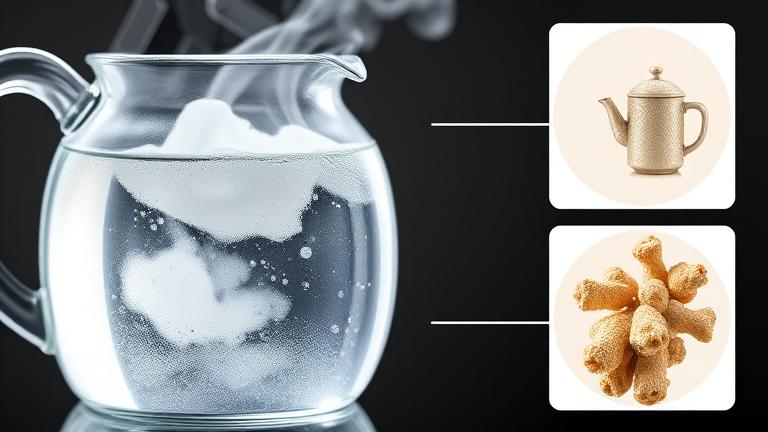
What Causes Cloudy Boiled Water?
Have you ever boiled water and noticed it becoming cloudy or murky? You’re not alone. Cloudy boiled water is a common sight in many kitchens, and it often puzzles people about what causes it. The good news is that in most cases, it’s nothing to worry about. The main reasons for cloudiness are usually harmless and related to natural elements in the water or the boiling process itself.
When water boils, tiny particles and gases are affected. These changes can make the water look cloudy temporarily. Understanding the causes can help you decide whether the cloudiness is something to worry about or just a normal part of boiling water.
Mineral Deposits and Hard Water
One of the most common reasons for cloudy boiled water is the presence of minerals, especially in hard water. Hard water contains high levels of minerals like calcium and magnesium. When you boil this water, these minerals tend to come out of solution and form tiny particles called precipitates.
These mineral particles float in the water or settle at the bottom. They can make the water appear cloudy until they gather together and settle. If you notice cloudiness only in water from a certain tap or source, it’s likely due to these mineral deposits. Using a water filter or softening system can help reduce this cloudiness over time.
Air Bubbles and Dissolved Gases
Another common cause is the release of air bubbles during boiling. Water naturally contains dissolved gases, mainly oxygen and nitrogen. When you heat the water, these gases are less able to stay dissolved and start forming tiny air bubbles.
These bubbles stick to the sides of the pot or float throughout the water. When the water reaches boiling point, these bubbles rise and escape, temporarily making the water look cloudy. Once the bubbles escape completely, the water clears up.
This type of cloudiness is normal and short-lived. It’s similar to the foam or bubbles you see on a freshly poured cup of tea or coffee. Flipping the lid or stirring gently can help release the bubbles faster, making the water clear sooner.
Impurities and Other Particulates
Sometimes, dirt, rust, or other small particles in your water can contribute to cloudiness after boiling. This is more common if your plumbing is old or if the water source isn’t well-filtered. Boiling can cause these particles to become more noticeable, floating around or settling at the bottom.
Cleaning your water source, using a good water filter, and regular maintenance of your plumbing help prevent this kind of cloudiness. If you notice persistent cloudiness or an unusual smell or taste, consider testing your water quality or consulting a professional.
When to Be Concerned
In most cases, cloudy water after boiling is harmless and temporary. However, if your water remains cloudy even after boiling and settling, or if it has a strange odor, color, or taste, it could indicate a problem. In such cases, testing the water for bacteria, heavy metals, or other contaminants is a wise step.
So, next time you see cloudy boiled water, check if it clears quickly, or if it seems persistent and unusual. Most often, it’s just minerals or gases escaping, and no cause for concern. If you’re unsure, safer to get your water tested or talk with a water expert.
Common Questions About Cloudy Water
Finding cloudy water in your kettle, coffee maker, or even your drinking glass can be confusing. You might wonder if it’s safe, what causes it, or if you need to do anything about it. Let’s go over some common questions to help you understand this everyday occurrence.
What causes water to look cloudy?
Cloudy water often appears due to tiny particles suspended in the water. These can be air bubbles, minerals, or organic matter. For example, if your water has high mineral content, especially calcium or magnesium, it can look cloudy. Air bubbles form when water is heated or depressurized quickly, trapping tiny air pockets that make the water look cloudy temporarily.
Is cloudy water safe to drink?
In most cases, cloudy water is safe to drink if the cloudiness is caused by air bubbles or natural minerals. If the cloudiness is persistent and doesn’t clear after a few minutes, or if you notice a strange odor or taste, it’s better to test or have your water checked. Sometimes, cloudiness can result from bacteria or other contaminants, which are not safe. If you’re unsure, it’s best to consult your local water provider or get a water test.
How can I tell if the cloudiness is just air bubbles?
If the cloudiness disappears after a few minutes or when the water settles, it is likely just air bubbles. You can gently tap or swirl the container to see if the cloudiness moves or dissipates. Watching closely, you’ll notice air bubbles rising to the surface. If the cloudiness remains even after the bubbles have floated away, consider other causes like minerals or dirt.
What should I do if my water stays cloudy?
If your water remains cloudy over time, it’s a good idea to check your water source. Run the water for a few minutes to see if it clears up. If it doesn’t, and especially if you notice any bad smell, taste, or discoloration, you should consider testing the water. Clean your appliances and filters regularly to prevent mineral buildup or bacterial growth that can cause cloudiness.
Can hard water cause cloudy appearance?
Yes, hard water, which contains a lot of minerals like calcium and magnesium, can make water look cloudy or milky. This is common in areas with hard water. Using a water softener can help reduce mineral content and improve water clarity. You might also notice white spots on your fixtures or mineral deposits in your kettle if you have hard water.
Are there any safety concerns with mineral cloudiness?
Generally, mineral cloudiness caused by calcium or magnesium isn’t harmful. In fact, these minerals are part of natural water sources and can be beneficial. However, high levels can cause deposits and reduce appliance efficiency. Always check local water quality reports if you’re concerned about mineral levels or contaminants that might affect health.
- Use filters if your water has excessive mineral deposits.
- Regularly clean appliances like kettles or coffee makers to prevent buildup.
- If unsure about water safety, get it tested by professionals.
Factors That Make Water Cloudy During Boiling
When you boil water, sometimes it turns cloudy or milky looking. This can be confusing or even concerning for home cooks, but don’t worry. Several common factors can cause water to look cloudy during boiling, and in most cases, it’s perfectly normal. Understanding these factors can help you troubleshoot and know what to expect when boiling water.
One of the main reasons water appears cloudy is due to its mineral content. Hard water, which contains high levels of minerals like calcium and magnesium, is a common culprit. When heated, these minerals can form tiny particles or precipitates that make the water look cloudy. This is especially common in areas where tap water is hard. If you notice cloudiness mainly in hard water regions, it’s usually just mineral deposits floating around.
Another significant factor is the presence of dissolved gases. Water naturally contains air and other gases that are dissolved inside it. When you heat water, these gases are released quickly, often forming bubbles that make the water appear cloudy or frothy. This is similar to the bubbles you see in a fizzy drink. Once the water reaches a boil and the gases escape, the cloudiness usually clears up.
Temperature plays a role as well. When you start heating water, it may look hazy or cloudy for a while before it reaches a rolling boil. The higher the temperature, the more gases are released, which can temporarily cloud the water. If you observe cloudy water early in the heating process, it’s typically just gas escaping, and it’s harmless.
Contaminants or impurities can also cause cloudiness, though this is less common when using clean, filtered water. Any particles in the water, like dirt or sediment, can become suspended when heated, creating a cloudy appearance. If your water source isn’t clean, boiling may intensify the cloudiness. This is usually a sign that you should filter or purify the water before boiling.
Sometimes, the material of the pot itself can influence the appearance of the water. For example, older pots with mineral buildup or rust can leach particles into the water, making it cloudy during boiling. Using stainless steel or glass pots can help reduce this issue.
To sum up, the main factors that cause cloudy water during boiling include mineral content, dissolved gases, temperature, impurities, and the pot material. Here are some practical tips:
- Use filtered water if you notice persistent cloudiness from minerals or impurities.
- Allow the water to sit for a few minutes before boiling to let some gases escape.
- Use clean, modern cookware to prevent rust or mineral leaching.
- Remember that cloudiness caused by gases or minerals is usually harmless and clears up after boiling.
How to Prevent Cloudiness When Boiling Water
When boiling water, you might notice it becomes cloudy or murky. This cloudiness can be caused by minerals, air bubbles, or impurities in the water. Luckily, there are simple ways to keep your water clear, making it look as clean and appealing as it tastes. Here are some practical tips to prevent cloudiness before or during boiling.
Use Fresh, Clean Water
The most important step is starting with high-quality water. If your tap water contains a lot of minerals like calcium or magnesium, it may turn cloudy when boiled. Try using filtered or bottled water if you notice persistent cloudiness. Refill your kettle or pot with fresh water each time, especially if the water has been sitting for a while, as stagnant water can trap air or impurities.
Pre-treat the Water
- Let the water sit: Pour the water into a container and let it sit for a few minutes. This gives air bubbles time to rise to the surface and escape before boiling.
- Use cold water: Start with cold water rather than hot. Hot water can hold more dissolved gases, which form bubbles during boiling and cause cloudiness.
- Filter the water: Use a household water filter pitcher or a fine mesh strainer to remove minerals and impurities that can contribute to cloudiness.
Gentle Heating to Reduce Bubbles
When boiling water, rapid heating can trap air and create foam or clouds. To prevent this, heat the water slowly and gradually. Turn on the stove at a medium or low setting, then increase the heat once small bubbles form. This slow process allows air to escape steadily rather than trapping large bubbles that make the water look cloudy.
Skim Off Foam and Bubbles
If you notice foam or bubbles accumulating on the surface during boiling, gently skim them off with a spoon or a ladle. While not always necessary, removing foam can help keep the water clear, especially if the foam is caused by organic impurities or other substances.
Avoid Overcrowding the Pot
Don’t fill your pot to the brim. Overcrowding causes the water to bubble over more vigorously, trapping air and impurities. Leave some space at the top for bubbles to escape smoothly and prevent excessive cloudiness or spills.
Additional Tips
- Boil only the amount of water you need to reduce impurities.
- Clean your kettle or pot regularly to avoid residues that can cause cloudiness.
- If your water is still cloudy after trying these tips, consider using distilled or purified water for cooking or drinking.
By starting with clean water and heating it carefully, you can enjoy clear, pure-looking boiled water every time. These small steps make a big difference in getting rid of cloudiness and ensuring your beverages and recipes come out just right.
Methods to Clear Cloudy Boiled Water
If you’ve boiled water and find it cloudy afterward, don’t worry. Cloudy water usually happens because tiny particles or minerals haven’t fully settled or been removed. Fortunately, there are several simple and effective ways to clarify it so it’s safe and clear to use.
Why Does Water Turn Cloudy?
Cloudiness often results from minerals like calcium or magnesium, tiny air bubbles, or trapped particles. When water boils, some of these impurities can become more visible. If the water contains a lot of minerals, boiling might not remove them but can make the cloudiness more noticeable.
Effective Techniques to Clarify Cloudy Water
- Let the Water Stand and Settle
- Use Cold Water and Re-Boil
- Filtration with a Cloth or Coffee Filter
- Add a Pinch of Alum or Baking Soda
After boiling, turn off the heat and leave the water uncovered. Small particles and air bubbles tend to rise to the surface or settle at the bottom over time. Wait about 15–30 minutes. Once the particles settle, you can carefully pour the clear water into another container, leaving the cloudy sediment behind. This method is simple, uses no extra ingredients, and works well for minor cloudiness.
If the water is still cloudy after standing, try adding a small amount of cold water and then re-boil. This can help push out remaining air bubbles and some particles. Repeat this process a few times if necessary. Each boil can improve clarity and remove lingering impurities.
For clearer water, pour the boiled water slowly through a clean cloth, cheesecloth, or coffee filter into a fresh container. This physical filtration helps trap tiny particles and makes the water appear clearer. Be gentle to avoid stirring up sediment.
For mineral-induced cloudiness, adding a small pinch of alum (aluminum sulfate) or baking soda can help. Mix a tiny amount into the hot water and stir well. These substances cause minerals to clump together and settle at the bottom. After a few minutes, let the water sit undisturbed and then carefully decant or filter.
Safety Tips and Common Mistakes
- Ensure Clean Equipment: Always use clean pots, jars, and filters to prevent introducing new contaminants.
- Avoid Overusing Chemicals: Do not add excessive alum or baking soda, as it can alter the water’s taste or safety.
- Reconsider Water Source: If water remains cloudy after multiple attempts, consider using bottled or filtered water to prevent health risks.
- Remember Boiling Doesn’t Remove All Contaminants: Boiling kills bacteria and viruses, but minerals and particles might still cause cloudiness.
With these simple techniques, you can improve the clarity of your boiled water and make sure it’s safe for drinking or cooking. Gentle patience and proper filtering usually do the trick for most common causes of cloudiness.
Tips for Perfectly Clear Boiled Water
Getting clear, pure boiling water is essential for many kitchen tasks, from making tea and coffee to preparing delicate sauces. Even if your tap water looks clean, it can sometimes contain tiny particles or impurities that make the boiled water appear cloudy. Fortunately, with a few simple tips, you can achieve perfectly clear boiling water that’s both clean and visually appealing.
First, start with cold, filtered water whenever possible. Hot water from the tap often contains more dissolved minerals and impurities that can contribute to cloudiness once boiled. Using filtered water helps reduce these particles, leading to clearer results. If you don’t have a filter, letting the water sit in the pitcher for a few hours can also help sediments settle at the bottom.
Before boiling, pour the water into your pot and give it a gentle swirl. This can help loosen and remove surface impurities. Bring the water to a boil slowly over medium heat. Rapid boiling or high heat may cause impurities to stir up, making the boiled water appear cloudy. A gentle, steady boil allows sediments to settle at the bottom, keeping the water clearer on top.
While the water boils, keep a close watch. When you see the first bubbles form, you can reduce the heat slightly to maintain a gentle boil. A vigorous boil tends to trap air bubbles and impurities, which contribute to cloudiness. If you see foam or scum forming on the surface, carefully skim it off with a spoon. This foam is often made up of dissolved minerals or organic matter that’s been precipitated out of the water.
Once the water has boiled for a minute or two, turn off the heat. If you need very clear water for a specific use, pour it through a fine-mesh strainer or a coffee filter. This extra step removes any remaining tiny particles or air bubbles that can make the water look cloudy. Let the water sit for a minute or two to allow any residual bubbles to escape before using or storing it.
Another helpful tip is to avoid stirring the water during boiling. Stirring can re-suspend particles that have settled, causing cloudiness. If you’re boiling large quantities, consider dividing it into smaller batches for better clarity and control.
- Use cold, filtered water as your starting point.
- Bring water to a gentle boil rather than a vigorous one.
- Skim off foam or scum as it forms.
- Pour the boiled water through a fine-mesh strainer or coffee filter if crystal clarity is needed.
- Avoid stirring during boiling to prevent cloudiness.
Remember, a bit of patience and attention to detail makes all the difference. Clear boiling water not only looks nicer but also ensures your cooking and drinks are as pure and tasty as possible. With these friendly tips, you’ll be boiling clear water like a pro in no time!
When to Seek Professional Help
Noticing cloudiness in your food or beverages can sometimes be normal, but there are times when it signals a problem that needs professional attention. Recognizing these signs early can prevent health issues and ensure your culinary efforts stay safe and delicious.
If you’re unsure whether a cloudy appearance is harmless or a sign of spoilage, it’s better to be cautious. Some foods might turn cloudy due to natural fermentation or minor techniques, but certain changes should prompt concern. Learn to spot when it’s time to consult a professional or discard the item.
Common Situations That Warrant Professional Evaluation
- Persistent or Strong Odors: If a food or drink develops an unusual, sour, or foul smell along with cloudiness, this is often a sign of bacterial growth or mold. Trust your nose—if it smells off, it’s safer to stop consuming it and seek advice if necessary.
- Visible Mold or Fuzzy Growths: Cloudiness combined with green, black, or white fuzzy patches on the surface of foods like cheeses, fruits, or beverages indicates mold. Do not try to scrape it off; mold can produce toxins that are harmful even beneath the surface.
- Unexpected Color Changes: When a food’s color shifts dramatically or develops dark spots alongside cloudiness, it could mean spoilage. Some foods naturally change color over time, but sudden or unusual shifts are a red flag.
- Signs of Fermentation or Gas Buildup: If your homemade fermented foods or drinks suddenly overflow, bubble excessively, or produce an unpleasant smell, it might indicate over-fermentation or contamination. While fermentation often produces bubbles that are normal, foul odors or gases that cause the jar to swell should be checked by a professional.
Food Safety Tips
- Always follow recommended storage times and conditions for perishable items.
- When in doubt, toss it out. Do not taste or re-consume food that appears suspicious.
- Keep your workspace and utensils clean to avoid cross-contamination that can cause spoilage.
- If you’re uncertain about a food’s safety, consult local health guidelines, or ask a food safety expert or professional for advice.
Understanding When to Consult a Professional
If you suspect your food might be unsafe, it’s better to reach out to a professional rather than risk illness. This could include contacting a local health department, a professional food safety consultant, or your healthcare provider if there’s a chance of foodborne illness.
Some signs, like persistent cloudiness combined with other spoilage indicators, warrant professional evaluation. Accurate assessment can help determine whether the food is still safe to eat or needs proper disposal.
Always trust your instincts and safety standards. When unclear, it’s wise to get expert advice to keep your family safe and healthy while enjoying your homemade treats.