
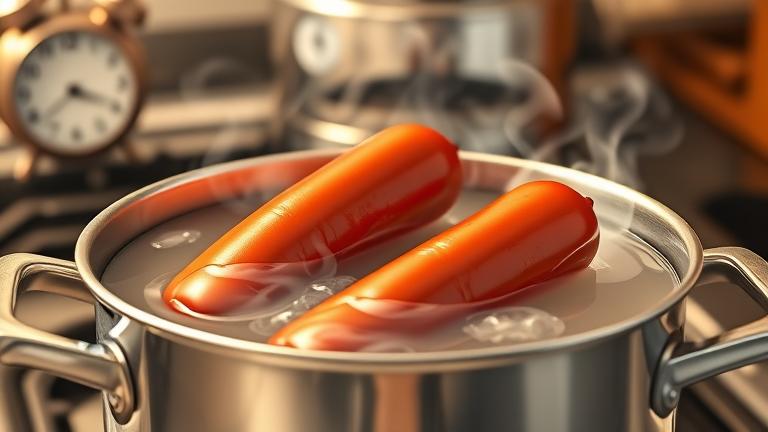
Hot Links: What Are They?
Hot links are a type of sausage known for their spicy flavor and easy versatility. You might find them in barbecue dishes, breakfast plates, or even as a quick snack. They are popular in many regions because of their bold taste and convenient size.
At their core, hot links are made of ground meat, usually pork, beef, or a mixture of both, seasoned generously with spices. The seasoning often includes ingredients like paprika, cayenne pepper, garlic, and black pepper, which give the sausage its signature heat and deep flavor. Some hot links also contain additional ingredients like onion powder or chili powder for extra zest.
They are typically encased in a natural or synthetic casing, which helps keep the sausage together during cooking. The casing is usually removed if you are grilling or pan-frying, but sometimes they are cooked directly in their casings for ease and flavor retention.
Ingredients of Hot Links
- Ground pork or beef
- Spices (paprika, cayenne, garlic, black pepper, chili powder)
- Salt and other flavorings
- Optional fillers like breadcrumbs or rice (less common in traditional hot links)
- Casing (natural or synthetic)
How Are Hot Links Usually Used?
Hot links are incredibly versatile and can be cooked in many ways. They’re often grilled until charred and sizzling, which adds smoky flavor and a crispy exterior. You can also pan-fry them in a little oil to achieve a similar effect or bake them in the oven for a hands-off approach.
Many people serve hot links as part of a hearty meal. For example, they go well with rice, potatoes, or bread. They’re also great sliced and added to stews or pasta dishes for a spicy kick. Some like to serve them with mashed beans or coleslaw on the side for a complete, satisfying plate.
Quick Cooking Tips
- Always cook hot links thoroughly until they reach an internal temperature of 160°F (71°C) to ensure safety.
- If boiling or simmering before grilling, it helps to keep them moist and flavorful.
- Allow the hot links to rest for a few minutes after cooking so the juices settle inside.
- Be cautious of the spiciness—if you prefer less heat, remove some of the seeds or choose milder types.
In summary, hot links are a spicy sausage with bold flavor, perfect for quick meals or adding a fiery touch to dishes. Their ingredients and cooking methods make them a favorite for home cooks wanting something flavorful and easy to prepare.
Why Proper Boiling Matters
Boiling is a fundamental step in many cooking recipes, especially when preparing hot links, sausages, or other quality meat products. Getting the boiling right can make a big difference in how your food turns out. Proper boiling doesn’t just affect flavor; it also influences texture and safety.
When hot links are boiled correctly, they become juicy and flavorful. If the water is too hot or boiling too aggressively, the links may burst or become tough. On the other hand, if the water is too cool, the links might cook unevenly, leaving parts undercooked and unsafe to eat. Finding that perfect simmer ensures the hot links are cooked evenly through and stay tender.
Flavor Enhancement
Hot links absorb the spices and seasonings better when boiled at the right temperature. Proper boiling allows the flavors to penetrate the meat evenly, making each bite taste better. If you rush the process with too high heat, you risk cooking the outside too quickly while the inside remains underdone. Slow, gentle boiling helps the flavors develop fully, resulting in a tastier dish.
Texture and Appearance
Texture is another key reason why proper boiling matters. Overly vigorous boiling can cause hot links to split open, losing juices and becoming dry. It can also create tough casings that are difficult to bite through. When you boil at a gentle simmer, the links stay intact, retain their juiciness, and have a nice plump appearance.
Food Safety
Ensuring your hot links are cooked thoroughly is crucial for safety. Under-boiled links may harbor harmful bacteria, which can cause foodborne illnesses. It’s important to cook hot links until they reach an internal temperature of at least 160°F (71°C). Using proper boiling techniques helps you achieve this safely by cooking the links evenly from outside to inside.
Practical Tips for Proper Boiling
- Use enough water to fully submerge the links. This ensures even cooking.
- Bring the water to a boil, then reduce heat to a gentle simmer before adding the hot links.
- Maintain a steady, gentle boil or simmer during the cooking process—avoid vigorous bubbling.
- Check the internal temperature with a meat thermometer to ensure safety.
- Once cooked, let the hot links rest for a few minutes before serving for the best flavor and texture.
Common Mistakes to Avoid
- Spilling or splashing hot water while boiling—be careful to prevent burns.
- Boiling at too high a heat, which can cause links to burst.
- Overcrowding the pot—this lowers the water temperature and results in uneven cooking.
- Not checking internal temperature—don’t rely solely on time; always verify safety with a thermometer.
In summary, proper boiling is essential for delicious, safe, and attractive hot links. Taking a little extra care during this step ensures your dish turns out just right, with perfect flavor, ideal texture, and food safety you can trust.
How Long to Boil Hot Links?
When it comes to boiling hot links, a common question is how long they need to be cooked to be safe and tasty. Hot links are a type of spicy sausage that can vary in size and ingredients, so the boiling time may differ slightly. The goal is to heat them thoroughly without overcooking, ensuring they stay juicy and flavorful.
In general, boiling hot links is a quick and easy method. It helps to loosen their casing and warms the sausage evenly. Whether you’re preparing classic smoked hot links or spicy fresh ones, knowing the right boiling time is key to a perfect bite.
Guidelines Based on Size
- Small hot links: These are usually around 3 to 4 inches long. Boil them for about 5 to 7 minutes. They heat up quickly and are ready when the casing feels firm and the inside is hot.
- Medium hot links: If your sausages are about 5 to 6 inches long, plan on 8 to 10 minutes of boiling. This ensures the sausage is heated through without bursting the casing.
- Large hot links: For chunky, longer hot links of around 7 inches or more, boiling for 10 to 12 minutes works well. Larger sausages need a bit more time to cook thoroughly inside.
Type of Hot Links and Additional Tips
The type of hot links can influence boiling time. Smoked or cured hot links are often precooked, so they just need to be heated until steaming hot. Fresh hot links, however, require a little more cooking time to reach the safe internal temperature.
To check if your hot links are done, use a food thermometer. They should reach an internal temperature of 160°F (71°C). If you don’t have a thermometer, look for the casing to be firm and the meat to be steaming hot inside.
Practical Tips for Boiling Hot Links
- Bring a large pot of water to a gentle boil first. Too vigorous boiling can cause the sausages to burst open.
- Add a pinch of salt or other seasonings to the water if you like extra flavor.
- Once the hot links are boiling, reduce the heat to prevent splattering.
- After boiling, you can serve hot links directly or give them a quick pan-fry or grill for extra flavor and grill marks.
- Always ensure hot links are heated thoroughly, especially if they are made from raw meat.
Remember, each type and size of hot link might vary slightly, so use these guidelines as a starting point. With a little practice, you’ll master the perfect boiling time for your favorite hot links every time!
Step-by-Step Boiling Instructions
Boiling hot links is a simple way to prepare these flavorful sausages quickly and easily. Whether you’re adding them to a meal or serving them on their own, following the right steps ensures they come out juicy and tasty. Here’s a friendly, practical guide to boiling hot links perfectly every time.
First, gather your hot links and some basic ingredients. You’ll need enough water to fully cover the sausages, and optional flavorings like bay leaves, garlic, or onion for extra taste. Make sure your hot links are fresh or fully thawed if they are frozen. This helps them cook evenly and prevents splitting.
Preparation
- Place the hot links in a large pot. Choose a pot that’s big enough so they aren’t crowded.
- Fill the pot with enough cold water to cover all the sausages completely. Cold water helps them heat evenly.
- If desired, add flavorings such as a few garlic cloves, a bay leaf, or a sliced onion to the water. These add extra flavor to the hot links as they cook.
Boiling Process
- Put the pot on the stove over medium-high heat. Turn the heat up to bring the water to a gentle boil.
- Watch for bubbles rising steadily to the surface, indicating a gentle boil. Avoid a rolling boil, which can burst the sausages or make them burst open.
- Once boiling, reduce the heat to medium or medium-low. This gentle simmer helps the hot links cook through without splitting.
- Let the hot links simmer for about 10-15 minutes. If they are thick or cold from the fridge, you may need a bit more time—up to 20 minutes—to ensure they’re cooked properly.
Checking for Doneness
You want the hot links to be heated all the way through. The best way is to use a meat thermometer. Insert it into the thickest part of a sausage.
The internal temperature for fully cooked hot links should reach 160°F (71°C). If they haven’t reached this, continue boiling and check every couple of minutes.
Tips for Best Results
- Don’t overboil. Cooking too long can make the hot links tough or cause their skins to burst.
- Use a slotted spoon or tongs to remove the hot links from water. This prevents excess water from dripping onto your plate.
- For extra flavor, after boiling, you can transfer the hot links to a hot grill or skillet for a quick sear. This adds a nice smoky flavor and crispy texture.
- Let the hot links rest for a minute or two after boiling. This helps the juices redistribute inside the sausage for maximum flavor and moisture.
- Store leftovers in an airtight container in the refrigerator if you plan to reheat them later. They usually stay good for 3-4 days.
By following these friendly, practical steps, your hot links will be perfectly cooked, juicy, and ready to enjoy. Whether served with buns, added to a dish, or eaten straight from the pot, boiling hot links is an easy and reliable method that delivers tasty results every time.
Tips for Perfect Hot Links
Hot links are a favorite for their smoky flavor and juicy texture. To enjoy them at their best, a few simple tips can make all the difference. Whether you’re grilling, pan-frying, or baking, these practical tricks will help you achieve perfectly cooked hot links every time.
First, start with quality hot links. Look for links made from fresh ingredients and check the packaging for freshness or expiry dates. Good quality hot links tend to cook evenly and taste much better.
Timing and Cooking
The key to perfect hot links is not overcooking or undercooking. Typically, hot links need about 8 to 12 minutes of cooking, depending on their size and your chosen method. Use a thermometer to ensure they reach an internal temperature of 160°F (71°C). This guarantees they are safely cooked through but still juicy.
If you’re grilling hot links, preheat your grill to medium heat. Place the links on the grill and turn them every few minutes for even browning. If frying in a pan, heat a little oil over medium heat. Cook the links, turning frequently, until they’re browned on all sides.
Baking is a simple and hands-off method. Preheat your oven to 375°F (190°C). Lay the hot links on a baking sheet, and bake for about 20 minutes, turning halfway through. Always check with a meat thermometer before serving.
Seasoning Tips
Hot links are flavorful on their own, but you can enhance their taste with simple seasonings. Brush them with a little barbecue sauce, mustard, or a splash of apple cider vinegar before or during cooking for added zest. Some cooks like to sprinkle paprika, garlic powder, or cayenne pepper for extra spice.
Remember, taste tests are helpful. Sample a piece before serving. Adjust seasonings or add a finishing glaze if desired. Over-seasoning can mask the natural flavor, so keep it balanced.
Serving Suggestions
- Hot links are versatile and go well with various sides. Classic choices include baked beans, coleslaw, or potato salad. For a quick meal, serve them in a bun with toppings like onions, relish, or mustard. They also pair nicely with grilled vegetables or corn on the cob.
- If you’re entertaining, slicing hot links into coins makes a great addition to salads, nachos, or pasta dishes. For a fun presentation, arrange the links on a platter with dipping sauces such as spicy mustard or barbecue sauce.
Additional Tips
- Always pierce the hot links a few times with a fork before cooking to prevent bursting from steam buildup.
- Allow hot links to rest for a couple of minutes after cooking. This helps juices redistribute and keeps them moist.
- By maintaining consistent heat and timing, you’ll prevent dry or burnt links.
Follow these easy tips and tricks to serve hot links that are perfectly cooked, flavorful, and enjoyable every time. Whether for a quick weeknight dinner or a backyard cookout, these techniques will elevate your hot link game.
Common Cooking Mistakes to Avoid
Boiling hot links can be simple, but there are some common mistakes that can affect their taste and texture. Paying attention to these details can help you achieve the best results every time. Whether you’re cooking hot links for a quick snack or as part of a larger meal, avoiding these mistakes will give your sausages the perfect flavor and consistency.
Overcooking or Undercooking
This is one of the most common mistakes. Hot links that are boiled too long can become tough, dry, and lose their juicy, flavorful interior. Conversely, undercooked hot links might be unsafe to eat, as they may contain bacteria that need thorough cooking to be destroyed.
To avoid this, monitor the cooking time closely. Typically, boiling hot links takes about 10-15 minutes after the water starts to boil. Use a food thermometer to ensure the internal temperature reaches 160°F (71°C). When properly cooked, the hot links will be firm to the touch and hot all the way through.
Using Too Much Water or Too Little
Using the right amount of water is key. If you use too much, the hot links may not absorb enough flavor and could become waterlogged. If there’s too little water, the hot links might stick to the pot or burn at the bottom.
Fill the pot enough to fully cover the sausages but avoid exceeding the top. Once the water boils, reduce the heat to maintain a gentle simmer, which helps prevent bursting or splitting.
Not Piercing or Pricking the Hot Links
Some cooks poke holes in hot links before boiling, thinking it helps flavor escape or prevents bursting. However, this can actually let out juices, making the hot links dry and less flavorful. Others avoid piercing altogether, which is often better.
If you are worried about hot links bursting, gentle simmering and not overcrowding the pot help. There’s generally no need to pierce unless you want to release excess fat or liquids, but keeping the heat gentle works fine.
Adding Cold Hot Links to Boiling Water
Putting cold hot links directly into boiling water can cause the casing to crack or burst due to sudden temperature changes. To avoid this, start with cold water and the hot links together. Gradually bring the water to a boil, allowing heat to distribute evenly.
This gentle heating process helps maintain the casing integrity and results in evenly cooked hot links with a juicy interior.
Skipping Proper Resting Time
After boiling, some cooks rush to serve hot links immediately. However, letting hot links rest for a few minutes after cooking allows the juices to redistribute inside the sausage. This results in a more tender, flavorful hot link.
Once cooked, remove the hot links from the water and let them sit for 2-3 minutes before serving. You can also briefly pan-fry or grill them afterward for a crispy exterior if desired.
In Summary
- Keep an eye on cooking time to avoid over or undercooking.
- Use enough water to cover hot links, but not so much that they become waterlogged.
- Let hot links come to room temperature with cold water initially, then bring the water to a gentle simmer.
- Allow resting time after boiling for better flavor and juiciness.
By avoiding these common mistakes, you’ll ensure your hot links are juicy, flavorful, and cooked to perfection every time. Practice makes perfect, so don’t be discouraged if it takes a few tries to get everything just right!
Serving Suggestions and Recipes
Hot links are a flavorful and versatile dish that can be enjoyed in many ways. Whether you’re serving them at a casual family dinner or a weekend barbecue, pairing them with the right side dishes can really enhance your meal. Here are some friendly ideas and recipes to help you serve hot links beautifully and deliciously.
Start by considering your preferred flavor profile. Hot links often have a spicy kick, so balancing that heat with cool, crunchy sides works well. Classic options include fresh coleslaw, crisp pickles, or baked beans. These sides add texture and contrast that make each bite more satisfying. For a more hearty meal, serve hot links with baked potatoes or grilled corn on the cob. These staples are simple, filling, and complement the savory sausage beautifully.
Complementary Dishes to Try
- Coleslaw: A creamy or vinegar-based coleslaw can tone down the spice and add a refreshing crunch.
- Baked Beans: Sweet and smoky baked beans pair naturally with hot links. Try adding a splash of barbecue sauce or some diced onions.
- Potato Salad: A classic potato salad with mustard and herbs creates a cool, hearty side that balances the heat.
- Grilled Vegetables: Bell peppers, onions, and zucchini on the grill are colorful, healthy, and enhance the smoky flavors of your hot links.
- Cornbread: A slice of warm cornbread makes a delightful accompaniment, soaking up the juices and spicing up the meal.
Simple Recipes to Elevate Your Hot Links
- Hot Link Wraps: Slice cooked hot links and wrap them in warm tortillas with shredded cheese, sliced jalapeños, and a drizzle of barbecue sauce. Fold and grill lightly until cheese melts. Perfect for a quick handheld meal.
- Spicy Hot Link Skewers: Thread hot links with chunks of bell peppers, onions, and cherry tomatoes onto skewers. Grill until charred and serve with a side of garlic dipping sauce. Ideal for outdoor barbecues.
- Hot Link and Potato Hash: Dice cooked hot links and sauté with diced potatoes, onions, and peppers until crispy. Top with chopped fresh herbs for a hearty breakfast or dinner option.
- Meal Prep Tip: Cook a batch of hot links ahead of time and store in the refrigerator. Reheat quickly and serve with different sides to keep your meals interesting throughout the week.
Serving Tips for the Perfect Meal
- Presentation: Arrange hot links on a large platter with colorful sides to make the meal inviting.
- Temperature: Serve hot links warm for the best flavor and texture. Keep them covered with foil or in a warming tray if needed.
- Balance: Pair spicy hot links with sides that balance heat and richness. Fresh salads or tangy pickles are excellent choices.
- Personal Touch: Offer a variety of dips and sauces, such as mustard, barbecue sauce, or hot sauce, so everyone can customize their plate.