
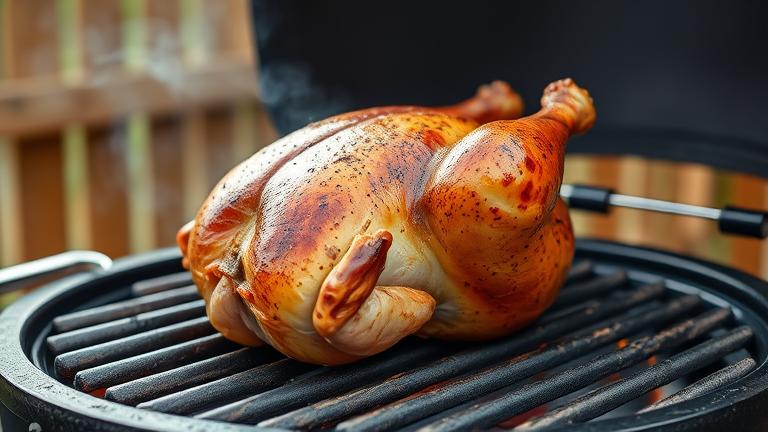
Choosing the Right Side to Start
Grilling chicken can be a tasty and satisfying experience, but starting on the right side makes all the difference. Knowing how to choose the best side to begin with helps ensure even cooking, attractive grill marks, and flavorful results. Several factors come into play when selecting where to start your grill session, including the thickness of the chicken, the presence of skin, and seasoning considerations.
Consider the Thickness of the Chicken
The thickness of your chicken pieces is a key factor. Thicker parts, such as the breast or thigh, take longer to cook through. If you begin grilling on a thinner side, it might overcook or blacken before the thick parts are done.
For example, if you’re grilling chicken breasts with skin, start on the thicker, meatier side. This allows the thinner part to cook more quickly once flipped, reducing the risk of burning or undercooking.
Look for Skin Presence and Texture
Chicken with skin needs special attention. Starting with the skin side down helps render out excess fat and creates a crisp, golden exterior. This adds flavor and appealing grill marks.
If the skin is on, begin on the skin side. Keep an eye on it to prevent burning, and flip to cook the other side once the skin is crispy and browned. For skinless chicken, it’s best to start on the side that will give you that even sear and grill lines.
Seasoning and Marination Tips
If your chicken has been seasoned or marinated, consider where the seasoning is most concentrated. Starting on the seasoned side can help develop a flavorful crust. Just be mindful of sugar-based marinades, which can burn quickly. Starting on a less seasoned or plain side prevents over-charring while allowing the seasoned side to caramelize.
Remember, even seasoning distribution matters. When in doubt, start on the side that benefits most from the initial sear, ensuring flavor and visual appeal.
Practical Tips for Starting the Grill
- Preheat your grill well to achieve immediate sizzle and grill marks.
- Use tongs to place the chicken gently on the grill, avoiding crowding.
- If using a thermometer, target an internal temperature of 165°F (75°C) for fully cooked chicken.
- For even cooking, once the initial side is browned, flip the chicken and cook the other side until done.
- If the chicken starts to burn on one side before the inside is cooked, move it to a cooler part of the grill or reduce the heat slightly.
Choosing the right side to start with may seem small, but it significantly impacts how perfectly your chicken turns out. With a little practice, you’ll develop an eye for which side promises the best start, leading to delicious, evenly cooked grilled chicken every time.
Tips for Perfect Chicken Grill Marks
Grilling chicken with beautiful, flavorful grill marks can make your dish look restaurant-quality and even enhance its flavor. Achieving those perfect lines takes a bit of technique and attention to detail. Don’t worry—once you know the tricks, you’ll be creating professional-looking grilled chicken every time.
First, start with properly prepared chicken. Pat the pieces dry with paper towels to remove excess moisture. This helps the grill marks stand out and prevents sticking. If you’re using boneless, skinless chicken breasts or thighs, consider marinating or seasonings that complement the smoky flavor of the grill.
Next, preheat your grill well. You want it hot enough to sear the chicken quickly, usually around 400 to 450 degrees Fahrenheit (200 to 230 degrees Celsius). Use a two-zone setup if possible: one side with high heat for searing, and the other with medium heat for finishing. This gives you control and prevents overcooking.
Timing and Positioning
To create those attractive crosshatch grill marks, you need to pay attention to how you place and turn the chicken.
- Place the chicken on the hot grill at a 45-degree angle to the grates. Let it cook undisturbed for about 2-3 minutes (depending on thickness). You should see the meat naturally release from the grates when it’s ready to turn.
- After the first set of marks forms, rotate the chicken 90 degrees to create a crosshatch pattern. Cook for another 2-3 minutes, then flip or rotate as needed to ensure even cooking.
When turning the chicken, use tongs or a spatula to avoid piercing the meat, which can cause juices to escape and dry out the chicken. Keep a close eye on the time, as overcooking can lead to tough, dry meat that loses its beautiful marks.
Managing Heat and Cooking Time
Proper heat management is key. If the heat is too high, the outside might burn before the inside cooks through. If it’s too low, the grill marks will be faint or uneven. Aim for a steady, high heat at the start to sear, then reduce to medium to finish cooking thoroughly without charring.
An instant-read thermometer can help. Chicken should reach an internal temperature of 165 degrees Fahrenheit (74 degrees Celsius). Remove the chicken from the grill just as it hits this temperature to keep it juicy and tender.
Additional Tips for Professional Results
- Clean your grill grates before cooking to prevent sticking and ensure clean grill marks.
- Oil the grates lightly with a paper towel dipped in oil, using tongs to prevent sticking and promote nice marks.
- If your chicken pieces are uneven in thickness, pound them gently to a uniform thickness for even cooking and consistent grill marks.
- Rest the chicken for a few minutes after grilling. This helps juices redistribute, keeping the meat moist and flavorful.
By paying attention to timing, positioning, and temperature, you’ll master the art of creating those beautiful, flavorful grill marks on your chicken. Practice makes perfect, so don’t be discouraged if it takes a few tries to get it just right. Soon, you’ll impress family and friends with your perfectly grilled chicken every time!
Common Mistakes in Chicken Grilling
Grilling chicken can be simple and rewarding, but many home cooks make common mistakes that affect the juiciness and flavor of the meat. Knowing these pitfalls can help you avoid dry, unevenly cooked chicken and make your grilling experience much more successful.
One big mistake is using the wrong heat level. Grilling chicken over too high a heat can cause the outside to burn before the inside is cooked through. On the other hand, too low an heat can leave the chicken underdone and unsafe to eat. The best approach is to use medium heat, which allows the chicken to cook evenly and develop a nice, flavorful crust.
Another common error involves flipping the chicken too often. Some people think turning the meat frequently will cook it faster, but this can actually prevent proper browning and cause uneven cooking. It’s best to flip the chicken only once or twice during grilling. Wait until you see a nice golden color and clear juices pooling before flipping. This helps develop a good sear and seals in juices.
Seasoning issues are also widespread. Applying too little seasoning makes the chicken bland, while over-salting can overpower it. Remember to season your chicken well before grilling, using salt, pepper, and herbs or spices as desired. Marinating the chicken for at least 30 minutes can also enhance flavor and tenderize the meat.
Another mistake is pressing down on the chicken with a spatula or grill tool. This presses out the juices and makes the chicken drier. Letting the chicken cook undisturbed preserves moisture and results in a juicier piece of meat.
Time management is important too. Cooking chicken too long can dry it out, but undercooking is unsafe. To avoid this, use a meat thermometer and aim for an internal temperature of 165°F (74°C). Remember, residual heat continues to cook the chicken slightly after removing it from the grill, so take it off just before it hits the target temperature.
Lastly, not letting the chicken rest after grilling is a common mistake. Cutting into hot chicken right away causes juices to escape. Let the grilled chicken rest for about 5 minutes on a plate covered loosely with foil. This allows the juices to redistribute and keeps the meat moist and tender.
Be aware of these frequent mistakes and your grilled chicken will turn out juicy, flavorful, and perfectly cooked every time. With the right heat, proper flipping, good seasoning, and patience, you’ll master the grill in no time.
Healthier Ways to Grill Chicken
Grilling chicken is a popular and delicious way to enjoy a nutritious meal. To make it healthier, you can choose better preparation methods, marinades, and cooking techniques that help reduce added fat and preserve the chicken’s natural nutrients. This way, you get a tasty dish without the extra calories or unhealthy fats.
One of the first steps is selecting the right chicken. Skinless chicken breasts are a leaner option compared to thighs or drumsticks with skin. Removing the skin before grilling cuts down on saturated fat. You can also consider using boneless, skinless chicken thighs if you prefer a moister, more flavorful piece. Keeping portion sizes in check helps control calorie intake without sacrificing satisfaction.
Marinating for Flavor and Nutrition
Marinades are a great way to infuse chicken with flavor without relying on high-fat sauces or artificial additives. Opt for marinades made with healthy ingredients like lemon juice, vinegar, herbs, garlic, and a small amount of olive oil. These add flavor while providing antioxidants and other nutrients.
For a healthier marinade, avoid high-sugar sauces or excessive salt. Instead, try a mix of lemon juice, chopped rosemary, black pepper, and a splash of low-sodium soy sauce. Marinate the chicken for at least 30 minutes, or up to a few hours, to ensure the flavors penetrate the meat. This not only makes the chicken tastier but also tenderizes it naturally.
Choosing the Right Cooking Temperature
Cooking chicken at the right temperature is key for safety and nutrition. Use a medium-high heat on your grill, around 375 to 450 degrees Fahrenheit. This allows the chicken to cook evenly without drying out or burning.
Preheat the grill thoroughly before placing the chicken on it. When grilling, avoid pressing down on the meat, which can cause the juices to escape and increase dryness. Use a meat thermometer to check doneness; chicken should reach an internal temperature of 165 degrees Fahrenheit. This ensures it’s cooked through but still juicy.
Preparation Tips for a Healthier Meal
- Use vegetable or olive oil spray instead of pouring oil directly onto the chicken. This reduces added fat.
- Barrier grill with foil or a grill mat if you’re worried about sticking or flare-ups, which can cause charring. Charring can create harmful compounds, so cook just until the chicken is done.
- Turn the chicken frequently to prevent burning and ensure even cooking. Avoid overcooking, which can dry out the meat and reduce flavor.
- Serve with plenty of vegetables like peppers, zucchini, and onions. Grilling vegetables alongside chicken adds fiber, vitamins, and colors your plate beautifully.
Additional Tips for Healthier Grilled Chicken
- If you’re watching sodium intake, skip salty marinades and opt for herbs and citrus to boost flavor.
- Use whole, fresh ingredients to maximize nutrient intake and avoid processed additives.
- Save leftovers in airtight containers in the fridge for up to 3 days to enjoy healthy grilled chicken later.
By making these simple modifications and paying attention to preparation and cooking techniques, you can enjoy flavorful, healthier grilled chicken that fits well into a balanced diet. It’s all about smart choices that bring out great taste without sacrificing your health.
Best Marinades and Seasonings
If you want your grilled chicken to taste amazing, choosing the right marinade and seasonings is key. Marinades add flavor, tenderize the meat, and make every bite more delicious. Seasonings, on the other hand, give that perfect burst of flavor right on the surface. Together, they turn simple chicken into a flavorful dish everyone will enjoy.
Many popular marinades include ingredients you might already have in your kitchen. For example, a classic mixture of olive oil, lemon juice, garlic, and herbs like thyme or rosemary works well for a fresh, zesty flavor. If you like a bit of sweetness, try adding honey or maple syrup. For heat lovers, a dash of hot sauce or cayenne pepper will do the trick. It’s easy to customize marinades to suit your taste or mood.
Pairing Marinades and Seasonings
Matching the right marinade or seasoning with your chicken depends on the flavor profile you want. For a Mediterranean taste, try marinading chicken in lemon juice, olive oil, garlic, and oregano. For a BBQ-inspired flavor, use a smoky BBQ sauce mixed with a little vinegar. If you prefer Asian-inspired flavors, try soy sauce, ginger, garlic, and a touch of sesame oil.
Here are some popular flavor pairings:
- Herb and Lemon: lemon juice, olive oil, garlic, thyme, rosemary
- Spicy and Smoky: paprika, chili powder, cumin, cayenne, smoked paprika
- Sweet and Tangy: honey or maple syrup, soy sauce, garlic, ginger
- Garlic and Herb: garlic, parsley, basil, oregano, olive oil
Application Tips
Marinating your chicken properly ensures it absorbs maximum flavor. Place the chicken in a resealable plastic bag or a shallow dish, and pour the marinade over. Make sure the chicken is fully coated. For best results, marinate in the refrigerator for at least 30 minutes, though a few hours or overnight is ideal for deeper flavor and tenderness.
When applying seasonings, sprinkle evenly over the whole piece of chicken before grilling. You can also brush marinades onto the chicken while it grills for extra flavor and moisture. Just be sure to discard any leftover marinade that has touched raw chicken to avoid cross-contamination.
Remember, marinades with acidic ingredients like lemon or vinegar help tenderize, but leaving the chicken in too long can sometimes make the meat mushy. A good rule is to marinate poultry for 1 to 4 hours, depending on the strength of the marinade.
- Always marinate in the fridge, not at room temperature, to prevent bacteria growth.
- Pat the chicken dry before grilling to get a good sear.
- Adjust seasoning levels to your taste, and don’t over-marinate, especially with acidic ingredients.
Essential Tools for Grilling Chicken
Grilling chicken can be both fun and rewarding, but having the right tools makes all the difference. Whether you’re a beginner or a seasoned grill master, the proper equipment ensures your chicken turns out juicy, flavorful, and cooked just right. Let’s explore some must-have grilling tools that will help you achieve perfect results every time.
1. Meat Thermometer
A reliable meat thermometer is essential for grilling chicken safely and perfectly. Chicken needs to reach an internal temperature of 165°F (74°C) to be safely cooked, and a thermometer helps you monitor this precisely. Digital instant-read thermometers are popular because they give quick readings, often in just a few seconds. Insert the probe into the thickest part of the chicken, avoiding bone, to get an accurate temperature. Using a thermometer prevents undercooking, which can be unsafe, or overcooking, which can dry out the meat.
2. Skewers and Grill Baskets
If you’re thinking of making kebabs or grilling small pieces of chicken, skewers are your best friends. Metal skewers are sturdy and reusable, but bamboo skewers are affordable. Just remember to soak bamboo skewers in water for 30 minutes before grilling to prevent them from burning. Grill baskets are great for chopped chicken pieces, keeping them together and making flip and removal easier. They also help prevent smaller bits from falling through the grill grates.
3. Basting Brushes and Marinade Tools
Flavorful chicken often benefits from marinating and basting during grilling. A silicone basting brush is heat-resistant and easy to clean, perfect for applying marinade or sauce. A silicone brush lasts longer and is more hygienic than traditional bristle brushes. Some cooks like to use a squeeze bottle for BBQ sauce or marinade, which makes applying liquids quick and mess-free. This helps keep the chicken moist and adds delicious flavor with every turn.
4. Tongs and Spatulas
Good-quality tongs are a must-have for turning chicken pieces safely without piercing the meat, which keeps juices locked in. Look for tongs with a locking mechanism and heat-resistant grips. A wide spatula also comes in handy for flipping larger cuts or transferring cooked chicken onto plates. Using the right tools reduces the risk of tearing the meat or dropping it onto the grill or ground.
5. Grill Brush and Cleaning Tools
After grilling, a clean grill is essential for both safety and flavor. A sturdy grill brush helps remove grease and residue from the grates. Choose a brush with durable bristles or a scrubbing surface that can handle heavy-duty cleaning. Cleaning the grill regularly not only prolongs its lifespan but also prevents flavors from previous cooks from mixing into your chicken.
Tips for Choosing Your Tools
- Look for heat-resistant handles for safety and comfort.
- Opt for tools that are easy to clean and dishwasher safe.
- Invest in quality for durability—cheap tools may bend or break over time.
Having these essential grilling tools at your side transforms chicken grilling from a guesswork game into a straightforward, enjoyable experience. With the right equipment, you can focus on your technique and seasoning, knowing your tools will support every step toward perfect, delicious grilled chicken.
Step-by-Step Grilling Guide
Grilling chicken is a popular way to enjoy a flavorful and satisfying meal. Whether you’re using a charcoal or gas grill, following a clear process ensures your chicken turns out juicy, tender, and perfectly cooked every time. Here’s a friendly, practical guide to help you master the art of grilling chicken from start to finish.
1. Choose Your Chicken and Prepare It
Start by selecting the type of chicken you want to grill. Common choices include chicken breasts, thighs, drumsticks, or whole chicken. Thighs and drumsticks tend to stay juicy, making them great for beginners.
Before grilling, pat the chicken dry with paper towels. Removing excess moisture helps the seasoning stick and promotes better browning. You can marinate the chicken for added flavor—try a simple mix of olive oil, lemon juice, garlic, salt, and herbs. Marinate for at least 30 minutes, or up to a few hours, for extra taste.
2. Preheat Your Grill
Heat your grill to the right temperature. For most chicken cuts, a medium-high heat works well, around 350-400°F (175-200°C). If you’re using a charcoal grill, arrange the coals to have a hot side and a cooler side. For gas grills, turn on the burners to reach the same temperature range.
Make sure the grill grates are clean. Use a grill brush to scrape off any leftover bits. This prevents sticking and ensures even cooking.
3. Season and Oil the Chicken
Season your chicken generously with salt, pepper, and other spices or herbs you like. Classic options include paprika, cumin, garlic powder, or a barbecue rub. To prevent sticking, lightly brush the chicken with oil or spray the grates with non-stick spray.
4. Grill the Chicken
- Place the chicken pieces on the grill grates. Arrange thicker pieces like thighs and breasts over indirect heat if you want to prevent burning.
- Let the chicken cook without moving it too often. This helps develop a nice crust. Turn the pieces every 4-6 minutes to avoid burning and promote even cooking.
- Use tongs or a spatula, not a fork, to turn the chicken. Piercing the meat releases juices and can dry it out.
Cooking times vary depending on the cut and size:
| Chicken Cut | Grilling Time | Internal Temp |
|---|---|---|
| Chicken breasts | 6-8 minutes per side | 165°F (74°C) |
| Thighs or drumsticks | 10-15 minutes per side | 170-175°F (77-79°C) |
| Whole chicken | 1 to 1.5 hours | 165°F (74°C) in the thickest part |
5. Check for Doneness
Use a meat thermometer to check the internal temperature. Insert it into the thickest part without touching the bone. Chicken should reach at least 165°F (74°C) for safe consumption. Juices should run clear, not pink.
Remember, chicken can be slightly undercooked on the surface but safe once the internal temperature is correct. Don’t rely solely on color or juices as indicators.
6. Rest and Serve
Once cooked, transfer the chicken to a plate and let it rest for 5-10 minutes. This allows the juices to redistribute, making the meat more tender and flavorful. Cover loosely with foil if desired.
Slice, serve with your favorite sides, and enjoy your homemade grilled chicken. Pair it with salads, grilled vegetables, or rice for a complete meal.
- Tip: Keep a spray bottle nearby to occasionally mist the chicken to keep it moist during grilling.
- Mistakes to avoid: Overcrowding the grill, which can lower temperature and cause uneven cooking, and burning the skin by cooking at too high heat for too long.