
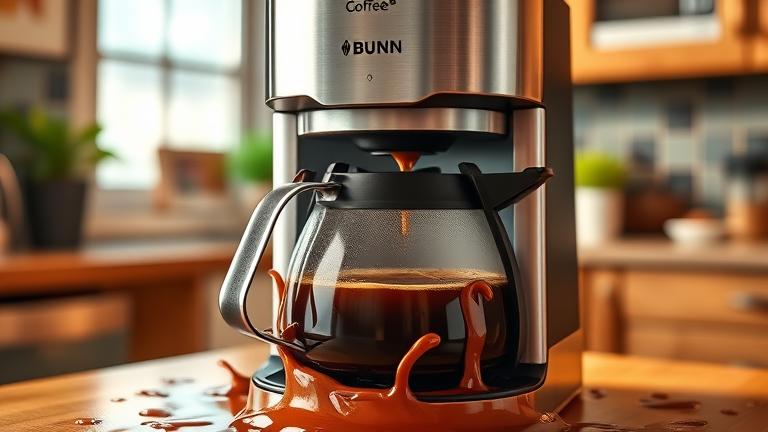
Common Causes of Overflow
If your Bunn coffee maker is overflowing, it can be frustrating and messy. Understanding the common reasons behind this problem can help you fix it quickly and keep your mornings running smoothly. Usually, overflows happen because of some small issues that are easy to check and resolve.
One frequent cause is an excess amount of water in the reservoir. If you pour too much water into the machine, it will have nowhere to go but out. Always double-check the water level markings on the side of the reservoir before starting your brew. Using the recommended amount prevents overflowing and ensures your coffee tastes just right.
Another common reason is a clogged or blocked spray head. The spray head is the part that distributes hot water evenly over the coffee grounds. If it gets clogged with mineral deposits or dirt, water can’t pass through properly. This causes the water to back up and spill over the sides. Regularly cleaning the spray head with vinegar or a descaling solution helps prevent blockages.
Leaks or cracks in the water reservoir or other parts can also lead to overflow issues. Over time, parts can wear out or get damaged, especially if the machine is used frequently. Inspect your coffee maker for any cracks or leaks. If you see damage, replacing the affected part is the best solution to avoid further problems.
The coffee filter or basket can sometimes be a culprit as well. If the filter is overloaded or not fitted properly, water may not flow correctly through the coffee grounds. This causes pressure to build up and can result in overflow. Make sure to use the right size filter and fill it only to the recommended level. Also, ensure it is seated securely in the filter basket.
Finally, if you’re using very fine coffee grounds, they might cause clogging in the filter or spray head area. Finer grounds tend to pack too tightly and slow water flow. Stick to medium or coarser grounds for best results unless your machine specifically recommends fine coffee. This small change can make a big difference in preventing overflows.
- Check and measure water carefully to avoid overfilling.
- Clean the spray head regularly to prevent buildup.
- Inspect the reservoir and other parts for cracks or leaks.
- Use correct coffee filters and avoid overfilling the filter basket.
- Choose the right grind size for your coffee maker.
By paying attention to these common causes, you can keep your Bunn coffee maker working smoothly and enjoy a perfect cup of coffee every time. A little maintenance and careful use go a long way in preventing spills and extending your coffee maker’s life.
Signs Your Coffee Maker Overflows
If you’re noticing unusual water or coffee spilling outside your Bunn coffee maker, it might be a sign of overflowing. Catching this early can save you time, mess, and potential damage. Here are some common signs to watch for.
- Puddles or Excess Water Around the Machine: One of the most obvious signs is water pooling on your countertop near the coffee maker. If you see drips, puddles, or wet spots regularly, your machine may be overflowing during brewing.
- Water or Coffee Spillover During Operation: If the liquid starts spilling over from the top or sides while the machine is making coffee, it indicates a problem. This can happen if the water reservoir isn’t seated properly or if the internal parts are blocked.
- Unusual Noise or Gurgling Sounds: Sometimes, an overflowing machine makes strange sounds. You might hear gurgling or bubbling during brewing, signaling that the water isn’t flowing properly and may be backing up.
- Slow Coffee Flow or No Coffee Coming Out: Ironically, an overflowing machine can sometimes seem to clog, with the flow of coffee slowing down or stopping altogether. This might be caused by excess water pressing against internal parts.
- Persistent Smell of Burned Coffee or Water: Overflows can cause water or coffee to spill onto hot surfaces inside the machine. If you smell a burnt odor, it could be a sign that excess liquid has caused internal overheating or damage.
Sometimes the signs are subtle, especially if the overflow happens intermittently. It’s a good idea to periodically check for any of these indicators, especially if your machine starts acting up. Overflows can happen for a variety of reasons, including internal clogs, improper assembly, or blockages in the water flow system.
Common Causes of Overflows
- Clogged or Dirty Filter Basket: If the coffee filter is clogged or packed too tightly, water can’t flow through properly and may cause an overflow.
- Incorrect Water Reservoir Placement: If the reservoir isn’t seated correctly on the machine, water can spill during brewing.
- Internal Blockages or Scale Buildup: Hard water can cause mineral deposits inside the machine, restricting flow and leading to overflows.
- Overfilled Water Reservoir: Pouring too much water exceeds the machine’s capacity and causes spillage during operation.
If you spot any of these signs, it’s best to stop the machine and inspect it early. Addressing the cause—like cleaning, re-seating parts, or removing blockages—can prevent bigger problems down the line. Catching an overflow early makes brewing coffee safer, cleaner, and more enjoyable.
How to Troubleshoot Overflow Problems
If your pot overflows while boiling pasta or your slow cooker leaks, don’t worry. Overflow problems are common in cooking and usually easy to fix with a few simple steps. Troubleshooting starts with understanding what causes the overflow and then testing different solutions. This guide will help you identify the root cause and get your dish cooking smoothly again.
Step 1: Recognize The Signs of Overflow
Overflow typically shows up as bubbling over the edges of a pot or sudden leakage from a sealed appliance. It can happen in many cooking methods, from boiling liquids to slow cooking. Spotting the signs early can prevent messes and save your dish from overcooking or burning.
Before troubleshooting, observe the pattern of overflow. Does it happen only at a certain temperature or with specific ingredients? Noticing these details helps narrow down the cause.
Step 2: Check Your Cooking Pot or Appliance Setup
Make sure you’re using the right size of pot or slow cooker. A pot that’s too small can cause liquids to boil over easily. Similarly, a slow cooker that’s too full leaves no room for expansion during cooking.
Leave some space — about one-half to one-third of the pot’s capacity — to allow liquids to bubble without spilling. For slow cookers, check the maximum fill line indicated on the side. Overfilling is a common mistake.
Step 3: Test the Heat Level
High heat can lead to rapid bubbling and spilling, especially with starchy ingredients like pasta or rice. Try lowering the heat and watch if the overflowing stops. When boiling liquids, a gentle simmer often prevents vigorous bubbles that cause overflow.
In stove-top cooking, start on medium or medium-low after bringing things to a boil. For electric or induction cooktops, adjust the temperature control accordingly.
Step 4: Monitor the Ingredients
Some ingredients cause more foaming or bubbling than others. For example, beans, rice, pasta, or sauce with dairy can create extra foam. To prevent overflow, stir these ingredients regularly and consider adding a small amount of fat, like butter or oil, which can reduce foam formation.
If you’re making a sauce, simmer gently and avoid rapid boiling. This prevents excessive bubbling that can lead to spills.
Step 5: Use Tricks to Control Bubbles
- Place a wooden spoon across the top of the pot. If bubbles start to rise, the spoon can pop them and reduce overflow.
- Add a splash of oil or butter to boiling water or sauces. The fat can decrease foam formation.
- Skim off foam or excess bubbles with a spoon during cooking. Removing foam early prevents it from spilling over.
These simple tricks are effective and safe to do while cooking without stopping the process.
Step 6: Test with Small Batches
If trouble persists, try cooking a small portion first. This helps you see how aggressively it bubbles and adjust your method accordingly. Small tests save time and keep your kitchen tidy.
For example, boil a cup of pasta instead of a whole box to check for bubbling behavior. Adjust cooking temperature or pot size, then proceed with the full batch.
Step 7: Review and Fix Common Causes
Some overflow issues happen because of basic mistakes. Double-check that your stove controls are set correctly, the lid is fitting properly, and the ingredients are prepared as instructed.
Remember that some recipes naturally bubble more, especially when thickening or reducing liquids. Just keep an eye on them, and apply these troubleshooting tips as needed.
Easy Fixes for Overflow Issues
If your Bunn coffee maker is overflowing, it can be frustrating and messy. Fortunately, most overflow problems are simple to fix with a few practical steps. These solutions are user-friendly and don’t require professional help. Let’s explore some easy ways to get your coffee maker back in working order.
Check the Water Reservoir
The most common cause of overflow is overfilling the water reservoir. Always measure your water carefully and never fill beyond the maximum fill line marked inside the reservoir. Overfilling can cause excess water to spill into the brew basket or grounds, leading to overflow.
Make sure the lid is securely in place after filling. A loose lid can allow water to splash or leak, especially during the brewing process. If you suspect the reservoir isn’t sealing properly, inspect for cracks or damage and replace it if needed.
Clean the Brew Basket and Filter
Clogged or dirty filters can cause water to back up and overflow. Remove the brew basket and discard old filters. Clean the basket thoroughly with warm, soapy water, removing any coffee grounds or residue.
If you use paper filters, ensure they fit properly and are not folded or crumpled, which can block water flow. For reusable filters, check for mineral buildup or stubborn debris and scrub gently. Regular cleaning helps maintain smooth water flow and prevents overflow issues.
Inspect the Drainage System
Sometimes, the drain tube or outlet may become clogged with mineral deposits or debris. This can cause water to back up and overflow. To fix this, turn off and unplug the coffee maker.
Remove the brew basket and any removable parts. Use a small brush or a toothpick to clear out any blockages in the outlet or drain tube. Rinse all parts thoroughly before reassembling. If mineral buildup persists, soak the parts in vinegar for a few minutes to dissolve deposits.
Descale Your Coffee Maker Regularly
Over time, mineral deposits from hard water can build up inside your machine, leading to clogs and overflow problems. Descaling removes these deposits and keeps the machine functioning well.
Follow the manufacturer’s instructions for descaling — usually, it involves running a solution of equal parts vinegar and water through a brew cycle. Afterward, run a couple of plain water cycles to rinse out any vinegar taste. Doing this every few months can significantly reduce overflow issues.
Check for Cracks and Damage
Inspect your coffee maker regularly for cracks or damage, especially around the water reservoir and outlet area. Cracks can allow water to leak or cause uneven flow, resulting in overflow.
If you find any damage, replacing the broken parts is often the best solution. Many Bunn models have replaceable reservoirs or components sold separately, making repairs easy and affordable.
Tips to Prevent Overflow
- Always measure water carefully and don’t overfill.
- Clean filters and brew basket regularly.
- Perform descaling to prevent mineral buildup.
- Inspect and replace damaged parts promptly.
- Use high-quality, soft water to reduce mineral deposits.
By following these simple steps, you can usually fix overflow problems in your Bunn coffee maker without much hassle. A little maintenance and attention go a long way in keeping your machine functioning smoothly and your mornings stress-free.
Preventing Future Overflow
Overflow issues in your coffee maker can be frustrating and messy. Luckily, many problems can be prevented with simple maintenance and careful use. Taking a few extra steps can help your coffee maker run smoothly and last longer.
The key to avoiding overflow is understanding what causes it. Usually, it happens when the machine is overloaded, the filters are blocked, or the machine is not cleaned regularly. By keeping these factors in check, you can enjoy a great cup of coffee every time without surprises.
Regular Cleaning is Essential
Residue and mineral buildup are common causes of overflow problems. Coffee grounds, soap scum, and mineral deposits can clog the filters and internal parts. This restricts water flow and makes the machine spill over during brewing.
To prevent this, clean your coffee maker at least once a month. Use a mixture of equal parts water and white vinegar to run through a brewing cycle. This helps remove scale and buildup. After that, run plain water through twice to rinse out any vinegar smell or taste.
Check the Filters and Water Level
Always fill the water reservoir with the correct amount of water. Overfilling can cause the machine to overflow. Most coffee makers have a max fill line. Stick to it to avoid overloading.
Make sure to use the right size filter and place it properly. A dislodged or improperly fitted filter can block water flow, leading to overflows. Regularly inspect the filter for tears or clogs and replace when needed.
Use the Right Coffee Grind and Quantity
If the coffee grind is too fine or too much coffee is used, it can block the filter or cause the water to overflow. Use medium grind coffee for drip machines and measure the coffee correctly, usually one to two tablespoons per cup.
Experiment with smaller amounts if you notice frequent overflow. This also helps prevent waste and keeps your machine running smoothly.
Maintain Proper Machine Settings and Usage
Some coffee makers have automatic shut-off or brew strength settings. Use these as recommended to prevent overflows caused by excessive brewing time or machine overheating.
Allow your machine to cool down if it’s been running for a long time before brewing again. Overheating can sometimes cause pressure buildup, resulting in spills.
Preventative Tips at a Glance
- Clean your coffee maker regularly, using vinegar and water cycles.
- Don’t overfill the water reservoir—stick to the max line.
- Use the correct coffee grind and measure accurately.
- Check filters frequently and replace when needed.
- Follow guidelines for brewing settings and machine care.
By following these simple maintenance tips and being attentive to your coffee maker, you can significantly reduce the chance of overflow problems. Proper care not only keeps your machine functioning well but also ensures that every cup of coffee tastes great.
DIY Solutions for Bunn Coffee Makers
If your Bunn coffee maker isn’t brewing as it should, don’t worry. Many common problems can be fixed at home with a few simple steps. Being comfortable with basic maintenance can save you time and money, and help keep your coffee brewing smoothly every morning.
Before starting any repair, always unplug the coffee maker to ensure safety. Gather some basic tools like a screwdriver and a cleaning cloth. Now, let’s explore some common issues and straightforward fix-it tips that anyone can try.
Clogged or Dirty Water Lines
Over time, mineral deposits and coffee residues can clog the water lines in your Bunn coffee maker. This can cause slow brewing or inconsistent coffee flow. To fix this, perform a descale process using a vinegar solution.
- Fill the water reservoir with equal parts white vinegar and water.
- Turn on the machine and let it run through a brew cycle, but place a cup under the dispense spout.
- Once the cycle finishes, turn off the machine and let it sit for about 20 minutes to break down deposits.
- Run two or three full cycles with clean water to rinse out any vinegar residue.
Regular descaling every few months helps prevent clogs and prolongs your machine’s life. If the water flow is still weak, check if the water filter, if your model has one, needs replacing.
Temperature or Brewing Issues
If your coffee isn’t hot enough or the machine isn’t brewing properly, the heating element or thermostat might need attention. First, verify the machine is plugged into a functioning outlet. If it is but the coffee isn’t hot, try these steps:
- Ensure the water reservoir has enough water and is properly seated.
- Clean the warming plate with a damp cloth to remove any buildup that could interfere with heat transfer.
- Perform a reset: unplug the machine, wait 10 minutes, then plug it back in. Sometimes, a simple reset restores normal temperature settings.
- If it still doesn’t heat properly, consider checking for loose wires or connections if you’re comfortable with basic repairs. Otherwise, contacting a professional or Bunn customer service is wise.
Leaking or Dripping Coffee Makers
A leaky Bunn could be caused by a worn gasket or a loose connection. Start with a visual inspection:
- Unplug the machine and remove any covers if accessible.
- Check the brew basket and water reservoir seals for cracks or deformities.
- If you find a damaged gasket, replacement parts are available online or from authorized service centers.
- Ensure all fittings and screws are tightened securely, but be careful not to overtighten as this can cause damage.
Keeping Your Bunn in Top Shape
Besides fixing minor issues, routine maintenance can prevent many problems. Here are some helpful tips:
- Clean the brew basket and water reservoir weekly to prevent buildup.
- Perform a descaling process every 3-6 months or as recommended by your model’s manual.
- Check the power cord and plug regularly for wear and tear.
- Store your machine in a dry, ventilated area to avoid corrosion.
If you encounter persistent issues or feel unsure about any step, contacting Bunn customer support or a professional technician is the safest move. Remember, a little DIY can go a long way in keeping your coffee fresh and brewing without a hitch!
When to Seek Professional Help
Dealing with overflow issues in your home appliances or plumbing can be tricky. While some minor clogs and leaks can be fixed with simple tools or DIY techniques, there are times when calling a professional is the safest choice. Knowing when to seek expert help can prevent further damage, save you time, and ensure the job is done correctly.
One common sign you need a professional is if the overflow problem persists after trying basic fixes. For example, if you’ve used a plunger or drain cleaner and the water still won’t drain, there might be a deeper blockage in your pipes or appliance that requires special equipment.
Another situation to watch out for is if you notice water backing up into unexpected places. If your sink, bathtub, or toilet overflows frequently, or if the water floods onto your floor despite your efforts, this can indicate a serious plumbing issue. Professional plumbers have tools to diagnose hidden problems such as tree roots blocking underground pipes or broken sewer lines.
If your appliance, like a washing machine or dishwasher, keeps overflowing or leaking excessively even after cleaning filters and checking hoses, it’s a good idea to have an expert take a look. Sometimes, internal parts might be worn out or damaged, and attempting repairs without proper knowledge could make things worse.
Safety is another key factor. If the overflow involves contaminated water, such as sewage or chemicals, do not attempt to clean or fix it yourself. Exposure to harmful substances can pose health risks. In these cases, professional technicians are trained to handle hazardous situations safely and thoroughly.
Cost considerations also matter. If the cost of ongoing repairs or temporary fixes exceeds the expense of a professional inspection and repair, it’s usually better to bring in an expert early. This approach can save money in the long run by preventing further damage to your home’s plumbing or appliances.
Look out for signs of recurring problems, such as frequent overflows, strange odors, or slow drainage that doesn’t improve over time. These signs suggest underlying issues that need a professional diagnosis rather than repeated DIY attempts.
Lastly, consider the age of your appliance or plumbing system. Older systems are more prone to breakdowns and may require specialized knowledge to repair safely. If your equipment is nearing the end of its lifespan, calling a professional can help determine whether repair or replacement is the best option.
- Persistent problems: When simple fixes don’t work after several tries.
- Repeated overflows: Water backs up regularly or floods your space.
- Unsafe situations: Contaminated or hazardous overflow involving sewage or chemicals.
- Signs of damage: Cracks, corrosion, or internal wear that you can’t diagnose yourself.
- Age and condition: Older systems that are more likely to have serious issues.
In the end, trusting a professional ensures your problem is fixed safely and reliably. If you’re unsure about the severity of your overflow issue, it’s always better to play it safe and call an expert. They have the tools, knowledge, and experience to get your home back to normal quickly and securely.