
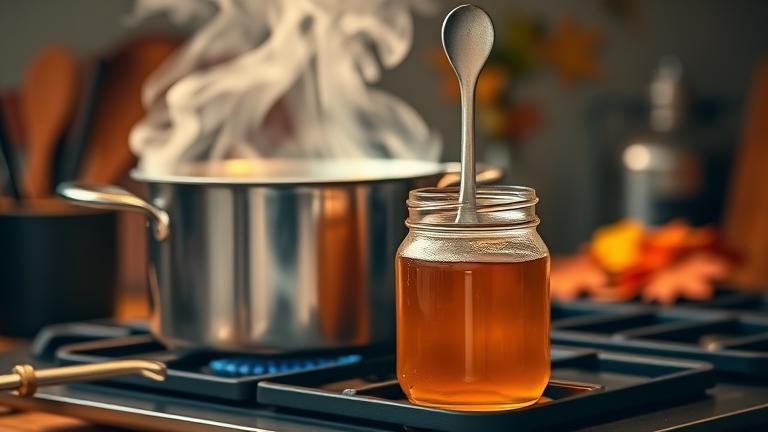
Introduction to Maple Syrup Boiling
Boiling maple syrup is a key step in turning freshly tapped sap into the sweet, thick syrup we love to drizzle on pancakes and waffles. This process might seem simple, but it’s actually very important for creating high-quality, flavorful syrup. Proper boiling helps concentrate the sugar and develops the rich, characteristic maple taste.
When the sap is collected from maple trees, it’s mostly water with tiny amounts of sugar and natural flavors. Boiling removes most of this water, leaving behind the thick syrup you enjoy. It might take several hours of steady boiling, so patience is a must. The goal is to reach the right temperature and consistency without burning or overcooking the syrup.
Understanding the basic steps involved in boiling maple syrup can make the process easier and more successful. First, you’ll need a large, flat pan or evaporator. Many home cooks use a boil-over or outdoor fire to keep the process safe and manageable. As the sap heats, you’ll see it turn from a clear liquid into a golden, syrupy consistency. During boiling, foam and bubbles will form; these are normal, but they need careful attention to prevent boil-overs.
Why is proper boiling so important? If you don’t boil long enough, your syrup might be too thin and won’t store well. If you overboil, it can become too dark and lose some of its delicate flavors. The key is to monitor the temperature closely and look for the right finishing point. This is typically when the syrup reaches a temperature of about 219°F (104°C) or slightly higher, depending on your altitude.
Some home cooks use a simple thermometer or the “float test” to check if their syrup is ready. The float test involves placing a small spoonful of syrup into cold water; if it forms a soft, malleable mass that holds shape, it’s done. Using these methods helps ensure consistent, quality syrup every time.
The process of boiling maple syrup not only transforms the taste and consistency but also helps preserve the sap naturally, without additives. With a little patience and attention, you can produce your own homemade maple syrup that’s fresh and full of flavor. Remember, safety is key—boiling hot syrup can cause burns if not handled carefully. Always keep a close eye on the boiling pot and keep children and pets at a safe distance.
In the end, the art of boiling maple syrup combines science and practice. It’s about controlling temperature, watching for the right signs, and adjusting as needed. Once mastered, it’s incredibly rewarding to enjoy homemade syrup made right in your own kitchen or backyard. So, gather your tools, prepare your sap, and get ready for a delicious and satisfying process!
How to Boil Maple Syrup Properly
Boiling maple syrup is a key step in turning fresh sap into the rich, sweet syrup you enjoy on pancakes or waffles. Doing it right ensures the syrup reaches the perfect consistency and flavor. Whether you’re tapping your own trees or buying sap, mastering the boiling process makes a big difference.
The goal when boiling maple syrup is to evaporate water from the sap until it reaches the right sugar concentration. This process requires patience, attention to temperature, and safety precautions. Let’s walk through the essential techniques so you can achieve delicious, high-quality syrup every time.
Preparing for the Boil
- Use a large, deep pan. A wider surface area helps the water evaporate faster. Many home cooks prefer a flat-purpose syrup pan or a large stockpot.
- Filter the sap first. Remove leaves, debris, or any floating particles by pouring the sap through a fine mesh or cheesecloth. Clear sap boils more evenly and produces better syrup.
- Start with a boiling area cleared of drafts. Wind or air currents can cool the boiling surface, making it harder to reach the right temperature. A covered outdoor setup or a dedicated boiling station is ideal.
The Boiling Process
Begin by heating the sap over medium-high heat. Keep an eye on it and stir occasionally to prevent burning. As water evaporates, the syrup thickens and the boiling aroma becomes sweeter. This process can take several hours depending on the amount of sap and your setup. Be patient and steady.
Monitoring Temperature
One of the most important aspects of boiling syrup properly is reaching the right temperature. Use a candy or syrup thermometer to track your progress. The target temperature for syrup is typically 7 degrees Fahrenheit (3.9 degrees Celsius) above the boiling point of water at your elevation. In most areas, this is around 219-220°F (104-105°C).
| Stage | Description | Temperature |
|---|---|---|
| Initial Boil | Sap starts actively boiling, water evaporates quickly. | 212°F (100°C) |
| Final Concentration | Syrup thickens, approaching the target temperature. | 219-220°F (104-105°C) |
Safety Tips
- Stay attentive. Boiling sap produces a lot of steam and hot splashes. Never leave it unattended for long.
- Use proper tools. Protect your hands with oven mitts and use long-handled spoons or ladles for stirring.
- Avoid spills and burns. Keep a fire extinguisher nearby when boiling over open flame or large burners.
Finishing the Syrup
Once your syrup reaches the correct temperature, remove it from heat. Allow it to cool slightly before testing. To check for readiness, you can place a small amount on a cold plate—if it wrinkles and sheets off when pushed, it’s ready. Keep in mind that syrup continues to thicken as it cools.
Careful boiling and monitoring yield a smooth, flavorful syrup perfect for your breakfast table. With practice, you’ll master the art of boiling maple syrup and enjoy the delicious results of your efforts.
Tips for Cooking with Maple Syrup
Maple syrup is a sweet, rich ingredient that can add depth to many recipes. Whether you’re drizzling it over pancakes, baking with it, or using it in savory dishes, knowing how to cook with maple syrup can make your meals more delicious. Here are some friendly and practical tips to help you get the most out of this natural sweetener.
First, consider flavor pairing. Maple syrup’s warm, caramel-like taste pairs well with ingredients like walnuts, butter, cinnamon, and vanilla. It can also enhance the flavor of roasted vegetables such as carrots, sweet potatoes, and Brussels sprouts. For a savory touch, brush it on grilled meats like pork or chicken during the last few minutes of cooking. Combining maple syrup with tangy elements like lemon juice or balsamic vinegar can create a lovely balance of flavors.
Be mindful of heat when cooking with maple syrup. High temperatures can cause it to burn rapidly, leading to a bitter taste. When using it in sauces or glazes, keep the heat on medium or low. If you’re adding maple syrup to boiling or simmering dishes, stir frequently to prevent sticking and burning.
If you’re baking with maple syrup, reduce other sugar amounts slightly to balance sweetness. Maple syrup contains liquid, so you may need to cut back on other liquids in your recipe. For muffins or quick breads, replace part of the sugar with maple syrup, but keep an eye on baking times, as syrups can make baked goods browner faster.
When using maple syrup as a topping, consider warming it slightly. Warm syrup flows more easily and spreads smoothly over pancakes, waffles, or oatmeal. You can do this by gently heating it in the microwave or in a small pot over low heat. Just avoid boiling it, which can change its flavor and texture.
Not all maple syrups are equal—there are grades and varieties. Light syrup has a delicate flavor perfect for drizzling over fresh foods, while darker syrups are more robust and work well in cooking or baking. Use the grade that best matches your recipe to ensure the best flavor outcome.
Common Mistakes to Avoid
- Adding maple syrup too early in cooking, which can cause burning or loss of flavor.
- Using too much in delicate dishes, as it can overpower other flavors.
- Forgetting to adjust other ingredients when substituting it for sugar in baking.
- Not storing opened maple syrup properly, which can lead to spoilage or crystallization. Keep it in the fridge once opened.
Finally, experiment with your own recipes! Maple syrup can be a versatile secret ingredient that adds warmth and richness. With a little practice and attention, you’ll find it elevates many dishes and becomes a staple in your kitchen.
Benefits of Maple Syrup in Your Diet
Maple syrup is more than just a delicious pancake topping. It offers a range of nutritional benefits that many people might not know about. When enjoyed in moderation, maple syrup can be a healthier sweetener choice compared to processed sugars and artificial sweeteners.
One of the main advantages of maple syrup is its natural content of vitamins and minerals. It contains small amounts of calcium, potassium, zinc, and manganese, all of which are essential for your overall health. These nutrients support bone strength, immune function, and energy production.
Maple syrup also provides antioxidants, which are compounds that help protect your body against free radicals. Free radicals are unstable molecules that can damage cells and contribute to aging and many diseases. The antioxidants found in maple syrup include polyphenols, which have been linked to reducing inflammation and lowering the risk of chronic illnesses.
Another benefit is that maple syrup has a lower glycemic index than some other sweeteners. This means it causes a slower rise in blood sugar levels after eating. This can be especially helpful for people managing blood sugar or insulin levels, making it a better alternative to refined sugars.
When choosing maple syrup, going for the pure, grade-A kind ensures you’re getting the full nutritional benefits without additives or artificial ingredients. Use it to sweeten oatmeal, yogurt, smoothies, or even in marinades and salad dressings for an added touch of natural sweetness.
It’s important to remember that maple syrup, despite its benefits, is still a sweetener and contains natural sugars. Consuming it in excess can lead to weight gain or other health issues. Moderation is key. A tablespoon or two can add flavor and nutrients without overdoing it.
- Tip: Replace sugary breakfast syrups with pure maple syrup for a healthier start to your day.
- Tip: Use maple syrup in baking, but be mindful of the overall sugar content in your recipes.
- Tip: Store maple syrup in a cool, dark place and keep it tightly sealed to preserve its freshness and nutritional quality.
Incorporating maple syrup into your diet can be a tasty way to add natural sweetness and some valuable nutrients. Just remember, enjoy it as part of a balanced diet, and you can reap the health benefits while satisfying your sweet tooth.
Best Ways to Store Maple Syrup
Maple syrup is a delicious and versatile sweetener, and proper storage is key to keeping it fresh and flavorful for as long as possible. Whether you’ve just bought a bottle or made your own, knowing how to store maple syrup correctly can make a big difference in preserving its quality and taste. Here are some friendly and practical tips to help you keep your maple syrup perfect.
Use the Right Storage Containers
The best way to store maple syrup is in a clean, airtight container. Glass jars or bottles with tight-fitting lids are ideal because they don’t react with the syrup and help keep out air and moisture. You can also use food-grade plastic containers, but ensure they are sealed well. Avoid storing maple syrup in open or loosely covered containers, which can lead to spoilage and contamination.
Once opened, it’s a good idea to transfer any leftover syrup into a clean glass jar if it was in a different container. This helps prevent bacteria from developing and keeps the syrup tasting fresh. If you buy syrup in large containers, consider dividing it into smaller portions for storage so you only open what you need over time.
Proper Temperature and Storage Location
Maple syrup should be stored in a cool, dark place away from direct sunlight. A pantry or cupboard is usually perfect. Keep it away from heat sources like the stove or oven, as high temperatures can alter the flavor and consistency.
Once opened, maple syrup can be refrigerated to prolong its shelf life. The cold helps prevent mold growth and keeps the syrup tasting fresh. Be aware that refrigeration may cause the syrup to become cloudy or crystallize, but this doesn’t affect its safety. If syrup crystallizes, you can gently warm it to return it to a liquid state.
Shelf Life and Storage Tips
Unopened maple syrup stored in a cool, dark place can last for several years without spoiling. Once opened, it’s best to use it within six months to a year for optimal flavor. Always check for signs of spoilage before using, such as an off smell, mold, or a change in appearance.
To keep your syrup at its best, follow these additional tips:
- Label your containers with the date of opening so you can keep track of how long they’ve been open.
- Always use a clean spoon or pour spout when serving to prevent contamination.
- Refrigerate after opening, especially in warm or humid climates.
- If mold appears, simply skim it off and boil the syrup briefly to kill any remaining spores, then store it again in a clean container.
By following these simple storage guidelines, you can enjoy fresh, flavorful maple syrup for months to come, whether drizzled on pancakes, mixed into recipes, or enjoyed straight from the jar. Proper storage is your best friend in maintaining quality, so a little extra care goes a long way!
Different Types of Maple Syrup
Maple syrup is a delicious natural sweetener that comes in a variety of types, each with its own unique color, flavor, and use. Understanding the different grades of maple syrup can help you choose the perfect kind for your pancakes, baking, or cooking needs. Whether you prefer a light drizzle or a bold flavor, there’s a maple syrup for everyone.
The first thing to know is that maple syrup is classified by color and flavor. This classification helps consumers pick the right syrup based on sweetness, thickness, and taste preferences. The grading system used in North America primarily includes Grade A, which is further divided into different color categories.
Color Grades of Maple Syrup
The color of maple syrup ranges from very light to dark amber. These colors correspond to different flavor intensities, so think about what suits your dish best.
- Golden Color, Delicate Taste: This is the lightest grade. It has a clear golden hue and a mild, sweet flavor. It works well on pancakes, waffles, or as a topping for yogurt. Its subtle flavor won’t overpower your dishes.
- Amber Color, Richer Taste: Slightly darker than golden syrup, amber syrup has a more robust maple flavor. It’s versatile and great for baking and cooking, where a hint of sweetness is desired without overpowering other ingredients.
- Dark Color, Robust Taste: This syrup has a deep amber color and a strong, distinct maple flavor. It is perfect for recipes that need a bold maple note, such as glazing meats or in richer desserts.
- Very Dark, Strong Taste: The darkest grade, very dark syrup, has an intense flavor. It is primarily used in recipes where the maple flavor is meant to stand out or for cooking applications that require strong sweetness.
Flavor Profiles and Uses
The flavor of maple syrup correlates with its color. Lighter syrups have a delicate, nuanced taste, while darker syrups tend to be more intense and complex.
Here are some practical tips:
- Use lighter syrups for pouring on pancakes or mixing into tea and yogurt. They add sweetness without overshadowing other flavors.
- Opt for darker syrups in baking, marinades, or sauces where a rich maple taste adds depth.
- Very dark syrup is excellent for recipes needing a strong maple aroma or when you want the flavor to shine through.
Choosing the Right Maple Syrup
When shopping, check the label for the grade to ensure it suits your purpose. Remember that the authentic, high-quality syrup is usually labeled as “Grade A” with a specific color. Sometimes, you’ll also see “Fancy,” “Grade A Amber,” or “Grade B” labels—these are different grading systems used outside North America but generally refer to similar qualities.
If you’re unsure, try a few different types to discover what you like best. Keep in mind that darker syrups don’t mean lower quality; they just have a more pronounced flavor. So, select the syrup that best complements your recipe or taste preference.
By understanding these differences, you can enjoy maple syrup not just as a topping but as a versatile ingredient that enhances your culinary creations.
Creative Uses of Maple Syrup in Desserts
Maple syrup is a versatile sweetener that can add rich flavor and natural sweetness to a variety of desserts. If you love the warm, caramel-like taste of maple, you’ll find tons of creative ways to incorporate it into your sweet treats. From drizzling over ice cream to mixing into baked goods, maple syrup can transform ordinary desserts into something special.
One of the easiest ways to use maple syrup is as a topping. Try pouring it over your pancakes, waffles, or French toast for an instant flavor boost. But don’t stop there—you can also drizzle it over yogurt, ice cream, or fruit salads for a touch of sweetness and depth. The natural flavor pairs beautifully with berries, bananas, and apples.
Maple Syrup in Baking
In baking, maple syrup not only sweetens but also adds a unique flavor. Swap out some of the sugar in recipes for maple syrup to create moist, flavorful cakes, muffins, and cookies. When doing this, remember to reduce the liquid in your recipe slightly because maple syrup adds moisture.
For a simple idea, make maple syrup brownies by stirring a few tablespoons of syrup into your batter. It gives the brownies a chewy texture and a caramel-like taste. You can also brush maple syrup over freshly baked muffins or scones for an extra glossy finish and enhanced flavor.
Creative Dessert Ideas
- Maple-Glazed Fruit: Toss roasted or grilled fruit like peaches, apples, or pears with a little maple syrup. The warmth helps the syrup soak in, creating a delicious, shiny glaze.
- Maple Sugar Cookies: Add maple syrup to your cookie dough for a sweet, aromatic twist. Sprinkle a little extra syrup on top before baking for a shiny finish.
- Maple Pudding or Mousse: Mix maple syrup into custards, puddings, or mousses. It pairs especially well with vanilla, cinnamon, or ginger flavors, creating a cozy, comforting dessert.
Frozen Treats with Maple Syrup
Make your own maple ice cream by mixing maple syrup into your ice cream base before freezing. You can also swirl it into yogurt or smoothie bowls for a natural sweetener with a rich flavor. For a fun twist, try maple-banana popsicles or maple-infused sorbet. Just blend ripe fruit, a splash of maple syrup, and freeze in molds for a cool, satisfying treat.
Tips for Using Maple Syrup
- Always choose pure maple syrup for the best flavor. Avoid imitation syrups that are mostly artificial sweeteners.
- Adjust the amount according to your taste, starting with a small amount and adding more as needed.
- Remember that maple syrup is sweeter than sugar, so reduce other sweeteners in your recipes accordingly.
- Store leftover maple syrup in a cool, dark place or in the fridge to keep it fresh.
With these ideas, you can elevate your desserts and impress family and friends with the warm, natural sweetness of maple syrup. Get creative, experiment with new recipes, and enjoy the delicious possibilities!