
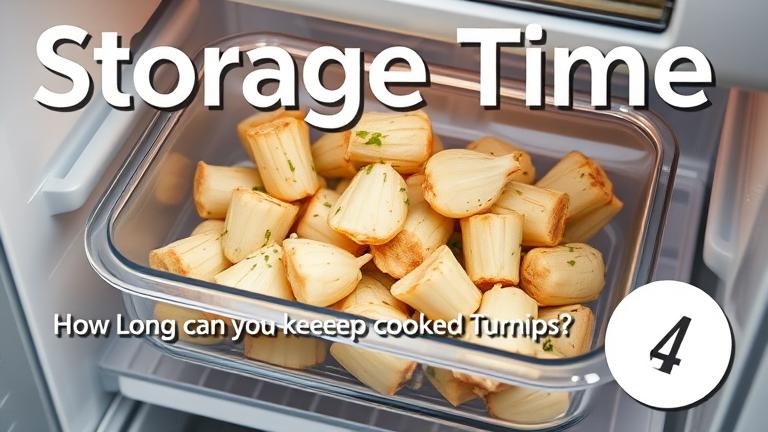
How Long Do Cooked Turnips Last in the Fridge?
Cooked turnips are a delicious and healthy side dish, but they don’t last forever once prepared. Knowing how long they stay good in your fridge can help prevent food waste and keep your meals safe. Generally, cooked turnips can last in the refrigerator for about 3 to 4 days. After this time, their quality may decline, and they could become unsafe to eat.
Several factors impact how long cooked turnips stay fresh. The first is how well you store them. Always keep cooked turnips in an airtight container or tightly covered with plastic wrap or foil. This prevents exposure to air, which can cause spoilage and drying out. Additionally, if they were stored at the right temperature—below 40°F or 4°C—they stay fresher longer.
Another important factor is the initial freshness of the turnips before cooking. Fresh, high-quality turnips will generally last longer after cooking. If the turnips had any signs of spoilage before cooking, their shelf life after cooking will be shorter. Also, how you handle them after cooking matters. Using clean utensils and avoiding cross-contamination helps prevent bacteria growth.
It’s smart to check for signs of spoilage before eating leftover cooked turnips. Look for an off smell, slimy texture, or a change in color. If you notice any mold or unusual spots, it’s safest to discard them. Even if they seem fine, remember that the 3 to 4-day guideline is a good rule of thumb for safety and quality.
To maximize freshness, cool cooked turnips quickly after cooking. Don’t leave them at room temperature for more than two hours, especially in warm weather. Instead, transfer them into the fridge as soon as they have cooled slightly. Doing so helps prevent bacterial growth and keeps them tasting their best.
If you’re not sure whether the cooked turnips are still good, it’s better to be cautious. Eating spoiled food can cause food poisoning, with symptoms like stomach pain, nausea, or diarrhea. When in doubt, it’s safest to toss them out and make fresh turnips for your next meal.
In summary, enjoy your cooked turnips within 3 to 4 days for the best flavor and safety. Proper storage, quick cooling, and good hygiene help extend their shelf life. Keeping these tips in mind ensures you get to savor your delicious leftovers without any worries.
Best Storage Practices for Cooked Turnips
Storing cooked turnips properly helps keep them fresh, flavorful, and safe to eat later. Turnips are a nutritious root vegetable that, once cooked, can be enjoyed over several days if stored correctly. Whether you’ve made a hearty mash, roasted slices, or added them to a soup, following some simple storage tips ensures they stay tasty.
The key to good storage is controlling temperature and using the right packaging. Cooked turnips are perishable, so refrigeration is your best option for short-term storage. With proper methods, they can stay good for up to 3 to 5 days. If you want to keep them longer, freezing is a great choice, extending their shelf life to about 10 to 12 months.
Cooling Before Storage
Before you store cooked turnips, make sure they have cooled down to room temperature. Putting hot food directly into the fridge can raise the internal temperature, increasing the risk of bacteria growth. To cool them safely, spread the cooked turnips on a baking sheet or use shallow containers. This helps them cool evenly and quickly, ideally within two hours after cooking.
Packaging Options
- Airtight Containers: Use clean, airtight containers to prevent moisture loss and keep out bacteria and other odors. Plastic or glass containers with tight-fitting lids work well.
- Resealable Bags: For smaller portions or if you want to save space, resealable freezer bags are convenient. Squeeze out as much air as possible before sealing to prevent freezer burn.
- Aluminum Foil or Cling Wrap: If you don’t have containers, wrap cooked turnips tightly in aluminum foil or plastic wrap. However, this method is best for short-term storage.
Temperature Settings
The refrigerator should be set to 40°F (4°C) or below. Keep cooked turnips in the coldest part, usually at the back of the fridge. For freezing, set your freezer at 0°F (-18°C). Proper temperature control is essential to prevent bacteria growth and maintain quality.
Additional Tips for Storage
- Label Your Food: Write the date on containers or bags so you know how long they’ve been stored. Use the oldest items first.
- Don’t Leave Out Too Long: Avoid leaving cooked turnips at room temperature for more than two hours, especially in warm environments.
- Reheat Safely: When reheating, make sure to reach an internal temperature of 165°F (74°C). Reheat only what you plan to eat to avoid waste and spoilage.
Freezing Cooked Turnips
If you want to store cooked turnips for longer, freezing is your best bet. As mentioned, use airtight containers or freezer bags. For best results, remove excess air from bags to prevent freezer burn. Label with the date so you can keep track of freshness. When you’re ready to eat, thaw them in the fridge or reheat directly from frozen for a quick meal.
Following these best storage practices ensures your cooked turnips stay fresh and delicious longer. With just a little planning and care, you can enjoy your prepared turnips over several days or even months later.
Recognizing Spoiled Cooked Turnips
Enjoying cooked turnips can add a tasty touch to many meals, but it’s important to know when they have gone bad. Spoiled turnips can sometimes be tricky to spot at first, but with a little practice, you’ll learn to recognize the signs quickly. Detecting spoilage early helps keep your meals safe and prevents food waste. Here are some common indicators that cooked turnips should be discarded.
The first and sometimes most obvious sign is a foul or sour smell. Fresh cooked turnips have a mild, earthy aroma. If you notice a strong, sour, or rotten odor that wasn’t there when you cooked them, it’s a clear sign they’ve spoiled. Trust your nose — it’s usually the first line of detection.
Next, examine the appearance. Spoiled turnips often develop a slimy or sticky texture on the surface. If you see a slim film or if the turnips look mushy or overly soft beyond their cooked state, it’s time to toss them out. Discoloration is another warning sign. Freshly cooked turnips are typically light tan or white. If they turn gray, brown, or develop dark spots, bacteria may have taken hold.
Pay attention to any changes in texture. When you poke the turnips, they should feel firm but tender. If they become excessively mushy or watery, that can indicate they have broken down and spoiled. Sometimes, mold can form on the surface. Although mold is more common on leftovers stored for days, it’s safest to discard any turnip with visible mold growth.
It’s also good to check for signs of fermentation or bubbling in the storage container. If you notice any fizzing or bubbling, it suggests fermentation has begun — a clear sign that it’s no longer safe to eat. Generally, cooked turnips should be stored in an airtight container in the refrigerator and eaten within 3 to 4 days.
Sometimes, a spoiled turnip may not show all these signs at once. Trust your senses: smell, sight, and touch. If something seems off — even if it’s just a slight oddity — it’s best to play it safe and discard the batch. Consuming spoiled turnips can cause food poisoning, leading to stomach cramps, nausea, or other uncomfortable symptoms.
Remember, when in doubt, it’s safer to throw out questionable food. Proper storage and timely consumption help keep your leftovers fresh and prevent health risks. When you follow these visual, smell, and texture tests, you’ll become confident in knowing exactly when your cooked turnips have gone bad and are no longer safe to eat.
Recommended Containers for Storing Turnips
Keeping cooked or raw turnips fresh and safe is easy when you use the right storage containers. The key is choosing options that prevent contamination, retain moisture, and fit your kitchen routine. Proper storage also helps preserve their flavor and texture, so they stay tasty for later use.
When selecting containers for storing turnips, look for those that are airtight. Airtight containers prevent air from getting in, which can cause spoilage or drying out. They also protect against odors from other foods in the fridge, maintaining the turnips’ natural flavor.
For raw turnips, a simple vegetable storage container with a lid works well. If you don’t have one, a resealable plastic bag can do, especially if you gently press out the excess air before sealing. For cooked turnips, use shallow, airtight containers that allow for quick cooling and easy portioning.
Types of Containers Recommended
- Glass containers with lids: These are durable, non-porous, and do not absorb odors. They are safe for microwave reheating and easy to clean.
- Plastic containers with tight-fitting lids: Look for BPA-free options. These are lightweight and convenient for stacking in the fridge.
- Resealable plastic bags: Great for short-term storage of raw turnips. Just remove excess air before sealing to keep them fresh.
- Reusable silicone bags: Eco-friendly, flexible, and perfect for storing small or chopped turnips.
Additional Tips for Storage
- Use the crisper drawer: Store turnips in the vegetable drawer of your fridge. It maintains optimal humidity, keeping turnips crisp and fresh longer.
- Avoid washing before storage: If possible, store turnips unwashed. Excess moisture can promote mold and spoilage. Just rinse them before use.
- Label your containers: Write the date of storage on the container. Turnips stored for too long can lose flavor or spoil.
- Keep cooked turnips away from raw meats: Store cooked turnips separately in sealed containers to prevent cross-contamination.
How Long Can You Store Turnips?
Raw turnips can usually stay fresh in the fridge for up to two weeks. Make sure they are kept in a sealed container or bag and stored in the vegetable drawer. Cooked turnips, on the other hand, should be eaten within 3 to 4 days when stored in an airtight container in the fridge.
If you’re not planning to use the cooked turnips within that time frame, consider freezing them. Place them in airtight freezer containers or bags, and they can last for up to three months. Remember to label the containers with the date so you know how long they’ve been stored.
Choosing the right containers and storing turnips properly helps prevent spoilage, keeps them flavorful, and saves you time in the kitchen later. Easy organization and good storage habits will ensure your turnips stay fresh and delicious when you need them.
Safe Reheating Tips for Cooked Turnips
Reheating cooked turnips can be a quick way to enjoy leftovers, but it’s important to do it safely to prevent foodborne illness and preserve their tasty qualities. Proper reheating not only keeps your dish safe to eat but also helps maintain the flavor and texture of the turnips. Here are some friendly, practical tips to help you reheat cooked turnips the right way.
1. Cool Turnips Quickly and Store Properly
Before reheating, make sure your cooked turnips have been cooled quickly after cooking. If you’ve made a batch and won’t be eating them right away, transfer the turnips into shallow containers. This speeds up cooling and prevents bacteria from growing. Store the leftovers in the refrigerator within two hours of cooking.
If the room temperature is above 90°F (32°C), such as during a hot summer day, refrigerate leftovers within one hour. Keep the turnips sealed tightly to avoid contamination and spoilage.
2. Reheat to a Safe Internal Temperature
The key to safe reheating is reaching a high enough temperature to kill any bacteria that may have developed. Turnips should be heated to at least 165°F (74°C). You can check this with a food thermometer, which provides the most accurate reading.
Use the stove, oven, or microwave for reheating. When using the microwave, stir the turnips halfway through cooking to distribute heat evenly and avoid cold spots where bacteria can survive.
3. Choose the Right Method
- Microwave: Convenient and fast. Cover the turnips with a microwave-safe lid or wrap to keep moisture in. Stir midway for even heating.
- Oven: Preheat your oven to 350°F (175°C). Place the turnips in an oven-safe dish, cover with foil, and warm until the internal temperature reaches 165°F.
- Stovetop: Place the turnips in a pan with a little water or broth. Heat gently and stir often to prevent sticking and ensure even heating.
4. Avoid Repeated Reheating
Every time you reheat leftovers, there is a risk of bacteria multiplying if not heated properly. To stay safe, only reheat the amount you plan to eat and store the rest promptly in the fridge. If you need to reheat again later, do so once more to the proper temperature.
5. Check for Signs of Spoilage
Before reheating, inspect your turnips. If they develop an off smell, slimy texture, or discoloration, it’s best to discard them. Do not taste to test if you suspect spoilage.
Tips for Best Results
- Reheat only once when possible. Repeated heating and cooling can increase food safety risks.
- Store leftovers in shallow containers for quick cooling and reheating.
- Always use a food thermometer to confirm the right temperature is reached.
- Eat reheated turnips promptly to enjoy the best flavor and texture.
Meal Ideas with Cooked Turnips
Discovering Delicious Ways to Use Cooked Turnips
Cooked turnips are versatile and can add flavor and nutrition to many dishes. If you’ve prepared a batch of cooked turnips and wonder how to turn them into tasty meals, you’re in the right place. These root vegetables have a mild, slightly sweet flavor that pairs well with various ingredients. Whether you have leftover turnips from roasting, boiling, or steaming, you can transform them into hearty lunches or dinners with just a few simple ideas.
Classic Puree and Soups
One of the easiest ways to enjoy cooked turnips is to make a smooth, creamy puree. Simply mash the turnips and add a splash of cream, butter, or olive oil for richness. For extra flavor, stir in herbs like thyme or parsley. This puree makes a perfect side dish or base for a hearty vegetable soup.
Turn your leftover turnips into a warming soup. Start with a basic vegetable broth, and add cooked turnips, onions, garlic, and any other vegetables you like. Simmer until everything is tender, then blend until smooth for an easy, comforting soup. For added texture, leave some chunks of turnip rather than pureeing everything.
Stir-Fries and Sautéed Dishes
Cooked turnips work wonderfully in stir-fries. Cut them into bite-sized pieces and sauté with garlic, ginger, and your favorite vegetables. Add a splash of soy sauce or tamari for a savory touch. Turnips absorb flavors well, making them a great addition to quick weeknight meals.
For a simple sauté, heat some oil in a pan, toss in the chopped cooked turnips, and cook until they’re slightly crispy on the edges. Finish with a sprinkle of salt and pepper or a dash of your preferred herbs. This method allows the turnips to retain their flavor while becoming tender and flavorful.
Salads and Grain Bowls
Cooked turnips are also excellent in salads and grain bowls. Slice or cube the turnips and toss them with greens, grains like quinoa or rice, and a tangy dressing. They add a lovely texture and mild flavor that complements other ingredients.
For a nutritious grain bowl, layer cooked turnips with roasted sweet potatoes, beans, avocado, and a lemon vinaigrette. Adding nuts or seeds gives extra crunch. This is a quick yet filling meal that can be customized to your liking.
Fritters and Patties
Turnips can be mashed and combined with eggs, breadcrumbs, and herbs to make tasty fritters or patties. Shape the mixture into small rounds and fry until golden brown. Serve with a dipping sauce or a dollop of yogurt for a satisfying snack or side.
This idea is perfect if you have leftover cooked turnips that need a new purpose. Fritters are easy to customize with spices like cumin or paprika, making them a flavorful addition to your meal rotation.
Tips for Cooking with Turnips
- Usually, cooked turnips are best when they’re tender but still hold their shape. Overcooking can make them mushy, which isn’t ideal for certain dishes.
- When storing cooked turnips, keep them in an airtight container in the fridge for up to three days. For longer storage, freeze them in portioned bags.
- Mix cooked turnips with other root vegetables or greens for a more colorful and nutritious dish.
- Don’t be shy about experimenting with spices and herbs. Turnips pair well with garlic, thyme, rosemary, and even a touch of cumin or smoked paprika for a smoky flavor.
With these creative ideas, you can turn your stored cooked turnips into delicious and hearty meals. Feel free to mix and match based on what you have in your kitchen. Cooking should be fun and flexible—enjoy experimenting with this versatile vegetable!
Expert Tips for Storing Cooked Vegetables
Storing cooked vegetables properly is key to maintaining their freshness and flavor, especially for vegetables like turnips. When you finish cooking your vegetables, knowing the best storage practices can help prevent spoilage and keep them tasting great for days. Whether you have leftovers from a meal or prepared vegetables in advance, these tips will guide you in keeping your cooked vegetables fresh and safe to eat.
Cooling and Preparing for Storage
After cooking vegetables such as turnips, it’s best to let them cool down at room temperature for no more than two hours. This helps prevent bacteria growth that can occur when hot food is stored immediately. Once cooled, transfer the vegetables into shallow, airtight containers. Shallow containers help them cool evenly and speed up the refrigeration process.
If you’re short on time, you can spread the cooked vegetables in a single layer on a baking sheet and place them in the fridge until they cool. Just make sure to cover or transfer them into storage containers quickly afterward.
Choosing the Right Storage Containers
Use airtight containers or resealable bags to store cooked vegetables. These help keep out air and moisture, which can cause spoilage or freezer burn. For added protection, consider wrapping vegetables tightly with plastic wrap before placing them in containers or bags.
Label each container with the date it was cooked. This helps you track freshness and avoid eating vegetables that have been stored too long. Turnips and other root vegetables typically stay good for three to five days in the refrigerator, so it’s best to enjoy them within that timeframe.
Proper Storage Temperatures
The refrigerator should be set at 40°F (4°C) or below. This temperature slows bacterial growth and preserves your cooked vegetables longer. For longer storage, consider freezing them. Freezing turnips and similar vegetables extends their shelf life up to three months.
When freezing, place cooked vegetables in freezer-safe containers or heavy-duty bags. Remove as much air as possible to prevent freezer burn. Label the containers with the date so you can keep track of how long they’ve been stored.
Storing Turnips and Similar Vegetables
- Insert cooked turnips into airtight containers after they have cooled.
- Keep them in the refrigerator for up to five days for best quality.
- For longer storage, freeze turnips in a solid, airtight container or a freezer bag. They will stay good for about three months.
- When reheating, check that the vegetables are steaming hot all the way through to ensure safety.
General Tips and Common Mistakes to Avoid
- Do not leave cooked vegetables at room temperature for more than two hours to prevent bacteria growth.
- Avoid storing cooked vegetables in large, deep containers, which slow down cooling and increase spoilage risk.
- Always label your stored vegetables with the date to prevent eating old or spoiled food.
- Reheat leftovers thoroughly before eating to kill any potential bacteria.
Following these expert tips will help you store your cooked vegetables safely and keep their taste at its best. Proper storage not only extends the freshness but also ensures your meals remain delicious and nutritious for days to come.