
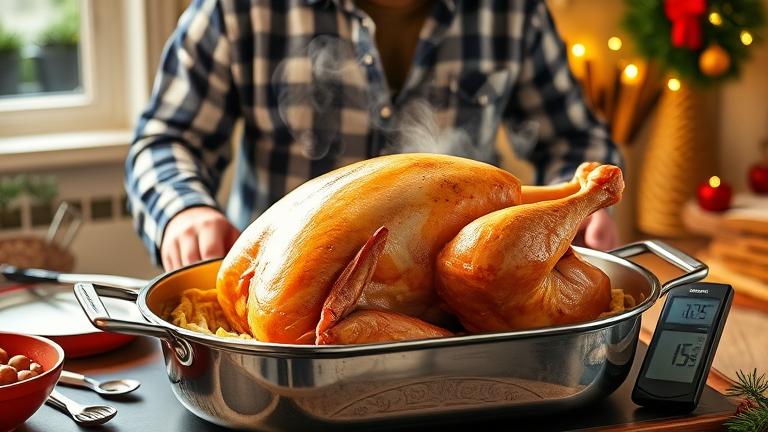
Is It Safe to Cook Frozen Turkey?
Cooking a frozen turkey might seem convenient, especially when you’re short on time or forgot to thaw it earlier. However, many people wonder if it’s safe to cook a turkey straight from the freezer. The good news is, yes, it is possible to cook a turkey from frozen, but there are important safety considerations to keep in mind.
First, it’s essential to understand that a frozen turkey will take about 50% longer to cook than a thawed one. This means if a thawed 12-pound turkey typically takes about 3 to 3.5 hours at the right temperature, a frozen one might need around 4.5 to 5 hours. During this time, it’s crucial to monitor the internal temperature carefully to make sure it’s cooked all the way through.
One of the main safety concerns when cooking a frozen turkey is the risk of bacteria growth. Raw poultry should be cooked to an internal temperature of 165 degrees Fahrenheit (74 degrees Celsius) to ensure all harmful bacteria are killed. When cooking from frozen, it’s even more important to use a reliable meat thermometer and check the temperature in the thickest part of the breast and the innermost part of the stuffing, if used.
It is safe to cook a turkey directly from the freezer as long as you follow proper cooking procedures. Do not attempt to cook a turkey in a slow cooker or crockpot that is frozen. Slow cookers do not heat evenly and can keep parts of the bird in the danger zone, the temperature range where bacteria can grow rapidly, for too long. This increases the risk of foodborne illness.
Another safety tip is to avoid rinsing the turkey before cooking. Rinsing raw poultry can spread bacteria around your kitchen through splashes of water. Instead, handle the frozen turkey gently and cook it thoroughly without rinsing.
To make sure everything goes smoothly, here are some practical tips:
- Use a meat thermometer to check the internal temperature often.
- Cook the turkey in a roasting pan with a rack to allow heat circulation.
- Never cook a frozen turkey at a high temperature like 500 degrees Fahrenheit. Instead, stick to the recommended roasting temperature of about 325 degrees Fahrenheit.
- Be patient and allow the turkey to cook fully; rushing or increasing heat drastically can cause uneven cooking or dryness.
In summary, it is safe to cook a turkey directly from the freezer, but only if you follow safety guidelines, use a thermometer, and cook it to a safe temperature. Avoid shortcuts like slow cookers and always handle raw poultry with care to keep everyone safe and healthy.
What Changes During Frozen Turkey Cooking?
Cooking a frozen turkey is different from cooking a thawed one. When you start with a frozen turkey, several things change in the process, especially in terms of texture, moisture, and cooking time. Understanding these changes can help you plan better and achieve a deliciously cooked turkey.
First, the biggest difference is that you won’t be able to cook a frozen turkey directly from the freezer in the same way as a thawed one. Most recipes recommend allowing the turkey to thaw in the refrigerator for several days before cooking. If you cook a fully frozen turkey, it can lead to uneven cooking, with the outside overdone and the inside undercooked. That’s why most home cooks prefer to plan ahead and thaw the turkey first.
When you do cook a frozen turkey, it will take approximately 50% longer than a thawed turkey of the same size. For example, if a thawed 12-pound turkey normally takes about 3 hours to cook, a frozen one might take around 4.5 hours. This extra time is needed because the heat must first penetrate the ice coating around the bird. Keep in mind, too, that cooking time can vary depending on your oven and the size of the turkey.
Next, the texture of the meat can change when starting from frozen. Because the outside of the turkey begins cooking before the inside has thawed, the meat can become tougher or more rubbery in some areas. To minimize this, it’s best to cook the turkey at a lower temperature and to be patient. Using a meat thermometer can help ensure that the inside reaches a safe temperature without overcooking the outer layers.
Moisture is another important factor that changes during frozen turkey cooking. When cooking from frozen, the turkey tends to lose more moisture because the outside may dry out before the inside is fully cooked. Basting the turkey regularly can help keep the meat moist, but it’s not always sufficient. Covering the turkey with foil during part of the cooking process can also help retain moisture and prevent the skin from burning.
When preparing a frozen turkey, it’s essential to pay close attention to food safety. Never attempt to cook a turkey directly from the freezer without following specific instructions, as this can increase the risk of bacteria growth. The USDA recommends planning for extra cooking time and using a reliable meat thermometer to verify that the thickest part of the bird reaches at least 165°F (74°C).
- Always use a meat thermometer for accurate doneness.
- Expect longer cooking times when roasting from frozen.
- Be cautious about drying out the meat; use foil or basting to help retain moisture.
- Remember that the texture may be slightly different, often tougher if not monitored carefully.
In summary, cooking a frozen turkey involves longer cooking times, potential changes in texture, and moisture considerations. With patience and attention, you can still get a tasty, safe, and moist turkey, even starting from frozen. Planning ahead and following safety tips will make the process smoother and more successful for your holiday or dinner table.
How to Cook a Frozen Turkey Safely
Cooking a frozen turkey is a great option when you forget to thaw it in advance. While it might seem challenging, with the right safety guidelines, you can prepare a delicious turkey directly from the freezer without any worries. The key is to follow proper steps to prevent foodborne illness and ensure even cooking.
First, always remember that a turkey must be cooked to a safe internal temperature. The USDA recommends reaching at least 165°F (74°C) in the thickest part of the bird to kill any harmful bacteria. Cooking from frozen takes longer, so you need to plan ahead. Never attempt to thaw or partially cook the turkey and then finish it later. This can cause bacteria to grow and increase the risk of foodborne illness.
Preparing for Cooking
- Remove the turkey from the freezer and verify the weight. A larger turkey will require more cooking time.
- Pick a suitable cooking method. The best options are roasting in an oven or using a slow cooker that can handle frozen poultry. Avoid methods like deep-frying unless you are experienced, as frozen water inside the bird can cause dangerous splattering.
- Preheat your oven to 325°F (163°C). This lower temperature helps ensure the bird cooks evenly.
- Place the turkey in a roasting pan with the breast side up. Do not stuff the turkey until it is fully cooked, as stuffing from a frozen bird can harbor bacteria.
Cooking Steps
- Set your timer based on the weight of the turkey. As a general rule, plan for approximately 50% longer cooking time than a thawed bird. For example, if a thawed turkey takes 13 minutes per pound, expect about 19-20 minutes per pound when frozen.
- Insert a meat thermometer into the thickest part of the breast and the inner thigh. Make sure it does not touch bone, which can give a false reading.
- Place the turkey in the oven and cook uncovered. Check periodically to make sure the oven remains at 325°F. Add foil if the skin starts to over-brown but don’t cover the entire bird, as this can trap moisture and affect roasting.
- Start checking the temperature about 30 minutes before the estimated cooking time ends. Continue cooking until the thermometer reads at least 165°F (74°C).
- Once the turkey reaches the safe temperature, remove it from the oven and let it rest for 20 minutes. Resting helps the juices settle, making the meat more tender and easier to carve.
Safety Tips and Common Mistakes
- Always use a reliable meat thermometer. Relying on cooking times alone can be dangerous because size, oven differences, and starting temperature vary.
- Never thaw the turkey at room temperature. Thawing should be done in the refrigerator, in cold water, or in the microwave. But if you choose to cook from frozen, skip the thawing process altogether.
- Do not stuff the turkey until it is fully cooked and the internal temperature is above 165°F. Stuffing added too early can become a breeding ground for bacteria.
- Disregarding these safety tips can lead to undercooked meat or food poisoning, so patience and proper technique are essential.
Best Methods for Even Cooking
Getting your turkey cooked evenly and staying juicy can seem tricky, but with the right techniques, it’s definitely achievable. Ensuring your turkey is perfectly cooked all the way through makes for a flavorful and safe meal. Here are some practical methods to help you achieve evenly cooked, delicious turkey every time.
Choose the Right Size and Shape
Start by selecting a turkey that fits your oven and your number of guests. Larger turkeys tend to cook unevenly, especially if they are not evenly shaped. Opt for a uniform size and shape whenever possible. If you have a particularly large bird, consider breaking it into parts, such as breasts and thighs, which cook at different rates but can be made evenly when cooked separately.
Use a Reliable Thermometer
One of the best ways to guarantee even doneness is to use a probe thermometer. It helps you monitor the internal temperature accurately. Insert it into the thickest part of the breast and the innermost part of the thigh. The safe temperature for cooked turkey is 165°F (74°C). Using a thermometer prevents overcooking or undercooking, ensuring juiciness and safety.
Preheat and Prepare Your Oven Properly
Always preheat your oven to the right temperature before placing the turkey inside. A hot oven ensures quick initial searing and even heat distribution. For most turkeys, 325°F (163°C) is a good start. Additionally, rotating the bird during cooking can help improve heat distribution, especially in ovens that tend to have hot spots.
Position the Turkey Correctly
Place your turkey on a rack in a roasting pan. Elevating it allows heat to circulate evenly around the bird. This promotes uniform cooking and prevents the bottom from becoming soggy. Make sure the bird is not touching the sides of the oven or other pans, as this can cause uneven heat exposure.
Cook at a Moderate Temperature
Cooking at a moderate temperature—around 325°F (163°C)—helps the turkey cook evenly without drying out. Cooking at too high heat can lead to a burnt exterior and undercooked interior. Using a consistent temperature throughout the roasting process is key to juicy, evenly cooked meat.
Rest the Turkey After Cooking
Once you remove your turkey from the oven, let it rest for at least 20 minutes before carving. Resting allows the juices to redistribute within the meat, making every slice tender and moist. Tent the turkey loosely with foil during resting to keep it warm. This simple step makes a big difference in achieving even, juicy results.
Additional Tips for Perfect Even Cooking
- Stuff the turkey loosely if you stuff it at all. Overstuffing can trap cold spots and cause uneven cooking.
- If your turkey has a lot of uneven thicker sections, consider spatchcocking—removing the backbone and flattening the bird. This technique promotes uniform thickness and even roasting.
- Use foil to shield parts that are cooking too quickly, especially when nearing the target temperature.
By incorporating these methods—using a thermometer, proper placement, and moderate heat—you’ll find that your turkey turns out beautifully even, juicy, and perfect for your holiday table or Sunday dinner. Practice makes perfect, so don’t be discouraged if your first attempt isn’t flawless. With patience and attention to detail, even cooking becomes second nature.
Tips for Thawing vs. Cooking Frozen Turkey
When preparing a turkey, you might wonder whether to thaw it first or cook it directly from frozen. Both methods have their pros and cons, and knowing the best approach can help you save time and ensure a delicious, safe meal.
Thawing a turkey involves giving it enough time to defrost in the refrigerator or other safe methods before cooking. Cooking from frozen means starting right away without thawing, which can be handy if you’re pressed for time. Let’s look at each method’s advantages and disadvantages to help you decide.
Thawing Your Turkey
- Advantages: Thawed turkey cooks more evenly. It’s easier to remove the giblets and check for any imperfections. You can season the turkey more thoroughly and control the cooking process better.
- Disadvantages: Thawing takes time—generally one day for every four to five pounds of turkey in the fridge. It requires planning ahead to avoid last-minute rushes. If not thawed properly, bacteria growth can be a concern.
To safely thaw your turkey, keep it in the refrigerator at 40°F (4°C) or below. Place it in a shallow pan or tray to catch drips and prevent cross-contamination. If you’re short on time, you can use cold water thawing: submerge the wrapped turkey in cold water, changing the water every 30 minutes. Allow about 30 minutes per pound with this method.
Important: Never thaw a turkey at room temperature. This can encourage bacteria growth and cause food poisoning.
Cooking the Frozen Turkey Directly
- Advantages: It saves time, since you skip the thawing stage. You can start cooking immediately, which is useful if you forgot to thaw or run out of time.
- Disadvantages: Cooking from frozen takes about 50% longer. The turkey may cook unevenly, especially if not monitored closely. You might need to tent certain parts with foil to prevent over-browning.
When cooking a frozen turkey, it’s best to use a roasting method at a consistent temperature of 325°F (163°C). Be sure to check the internal temperature with a meat thermometer. The turkey should reach 165°F (74°C) in the innermost parts, like the thigh and stuffing if used.
Because of the longer cooking time, it’s important to start early and be patient. Also, try to cook the turkey uncovered for the first part, then tent with foil if needed to prevent over-browning. Remember to check the temperature regularly for safety and quality.
Helpful Tips for Both Methods
- Always use a food thermometer to ensure proper doneness.
- Keep raw poultry separate from other foods to avoid cross-contamination.
- If thawing in the fridge, plan ahead about 24 hours per 4-5 pounds.
- When cooking from frozen, expect about 1.5 times longer cooking time.
- Don’t forget to remove the giblets if they’re in the cavity after thawing or partway through cooking.
Choosing between thawing and cooking frozen depends on your timeline and desired results. Thawing generally offers more control and even cooking, but cooking frozen is a handy backup. Whichever method you choose, safety and internal temperature are key to a tasty and safe turkey dinner.
Common Mistakes When Cooking Frozen Turkey
Cooking a frozen turkey can seem straightforward, but it’s easy to make some common mistakes that can affect the flavor, texture, and safety of your meal. Knowing these pitfalls can help you avoid frustrations and serve a delicious, perfectly cooked turkey every time.
The most frequent error is trying to cook a frozen turkey directly without thawing. Many people assume they can just toss it in the oven straight from the freezer, but this often leads to uneven cooking. The outside can become overcooked or dry while the inside remains frozen or undercooked. It’s important to plan ahead and allow enough time for proper thawing before roasting.
Another mistake is not following safe thawing methods. The best way to thaw a turkey is in the refrigerator. This method is slow but safe, typically taking about 24 hours for every 4-5 pounds of turkey. For quicker thawing, you can submerge the turkey in cold water, changing the water every 30 minutes. Avoid thawing at room temperature, as this can promote bacteria growth and risk food poisoning.
Many cooks forget to remove the packaging or any plastic parts from the turkey before cooking. Sometimes, plastic or other packaging can melt or catch fire in the oven, creating a mess or hazard. Always remove all wrapping and giblet bags before placing the turkey in the roasting pan.
Overcrowding the roasting pan is another mistake. When the pan is too full, heat can’t circulate evenly, leading to uneven cooking and uneven browning. Use a large enough pan and leave some space around the bird so heat can distribute properly.
Seasoning is also something that many forget or underestimate. A frozen turkey will not absorb flavors well, so it’s best to season it after it’s thawed. Also, not basting or covering the turkey properly can result in dry meat. To avoid dryness, consider tenting the turkey with foil during the first part of roasting, then removing it in the final stages for crispy skin.
- Forget to check the internal temperature using a meat thermometer — aim for 165°F (74°C) in the thickest part of the breast and 170-175°F (77-79°C) in the thigh.
- Skip resting the cooked turkey. Letting it sit for about 20 minutes after removing from the oven helps juices redistribute, making the meat more tender and flavorful.
By avoiding these common mistakes, you will guarantee a safer and tastier turkey. Proper planning and attention to detail can make all the difference in your holiday meal or special dinner.
Final Tips for Perfect Results
Cooking a frozen turkey can seem tricky, but with a few expert tips, you’ll have a delicious, perfectly cooked bird every time. Remember, patience is key when it comes to frozen turkey. Rushing the process can lead to uneven cooking or dryness. Take your time and follow these practical suggestions for the best outcome.
First, always plan ahead. It typically takes about 50% longer to cook a frozen turkey than a thawed one. For example, a 12-pound turkey might need around 5 to 6 hours in the oven, depending on your oven temperature. Use a reliable meat thermometer to check for doneness. The safe internal temperature for turkey is 165°F (75°C), measured at the thickest part of the breast and the innermost part of the stuffing if you’re using it.
Before cooking, remove any packaging carefully, and do not rinse the frozen turkey. Rinsing can spread bacteria around your kitchen. Instead, season your turkey during the cooking process if you like. You can add salt, herbs, or spice rubs once the bird begins to thaw and cook. Applying butter or oil to the skin helps achieve crispy, golden-brown skin, but do this during the mid to late stages of roasting to prevent burning.
To ensure even cooking, place the turkey on a rack in a roasting pan. This allows heat to circulate evenly around the bird. If you’re cooking a stuffed turkey, be extra cautious and use a meat thermometer to verify that the stuffing reaches 165°F. If the stuffing isn’t hot enough, it can be unsafe to eat.
Cover your turkey loosely with foil for the first half of roasting to prevent the skin from over-browning. Remove the foil in the last hour to let the skin crisp up beautifully. Baste the turkey with pan juices every 30 minutes to keep the meat moist, especially if you’re roasting for several hours.
After removing the turkey from the oven, let it rest for at least 20 minutes before carving. Resting allows juices to redistribute inside the meat, making it juicier and easier to carve. Use this time to prepare your gravy or finalize side dishes.
- Keep a close eye on your thermometer to prevent overcooking. Once the temperature hits 165°F, it’s ready.
- Check different spots on the turkey to ensure even cooking, especially the thickest parts.
- Use oven mitts and be cautious when handling the hot pan and utensils.
- If the skin is browning too fast, cover the top loosely with foil.
- Don’t forget to remove the giblets and neck if they are stuffed inside.
Cooking a frozen turkey may take a bit more time, but following these practical tips will help you achieve a juicy, flavorful bird without any stress. Enjoy your feast, knowing you did it right from start to finish.