
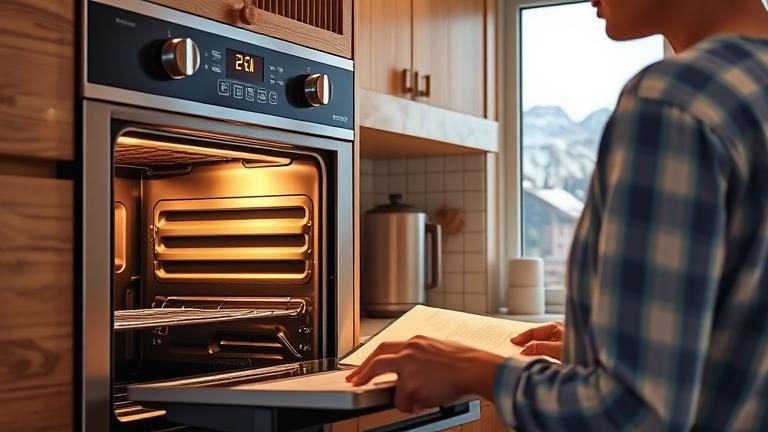
Understanding High-Altitude Baking Effects
Baking at high altitudes can be a little tricky for home cooks. When you go above 3,000 feet, the air pressure drops, and the humidity can change as well. These factors might seem small, but they can really influence how your baked goods turn out. Understanding these effects helps you adjust your recipes for the best results.
At high elevations, the lower air pressure causes gases in your batter or dough to expand more quickly. This can make bread rise faster and sometimes more than desired, leading to a coarse or uneven texture. On the other hand, cakes and quick breads may rise too quickly and then collapse or fall before they are fully baked. It’s like the air in the recipe is trying to escape before the structure can set.
Humidity also plays a role. In dry high-altitude environments, ingredients like flour and sugar tend to dry out faster. This means you might need to add a little more moisture or reduce some ingredients to prevent dry, crumbly baked goods. Conversely, if it is humid, excess moisture can make your batter too thin, causing issues like spreading or sinking.
Another important factor is boiling point. Water boils at lower temperatures as altitude increases. Since many recipes rely on boiling or simmering for part of the process, this can affect things like boiling of sugar syrup or cooking times for certain ingredients. It can also influence leavening agents like baking soda and baking powder, which react differently at lower pressures.
What Happens to Common Ingredients?
- Flour: May absorb more liquid at high altitude, so you might need to reduce the amount slightly or increase liquids in your recipe.
- Sugar: Can cause the batter to be too stiff or too loose depending on humidity, so balancing sugar content is key.
- Leavening agents: React faster, so using less baking powder or soda can prevent over-rising and collapsing.
How Does This Affect Baking Times and Temperatures?
You may notice that baked goods need shorter baking times but may also brown more quickly. To prevent over-browning, lowering oven temperatures by 15-25 degrees Fahrenheit is often helpful. Keep an eye on your baked items and use toothpicks or cake testers to check doneness instead of relying solely on time.
In summary, understanding how high altitude impacts baking involves recognizing changes in air pressure and humidity. These changes influence how ingredients behave and how baked goods rise or set. With some small adjustments—like tweaking ingredients, oven temperature, and baking times—you can achieve delicious results even at high elevations. Remember, experimentation is part of the process, so don’t be discouraged if your first tries need some work. Keep notes and adjust as needed for perfect baking every time.
Why Does Baking Time Change at Altitude?
Baking at higher altitudes can be a bit tricky, especially because your baked goods often need more time in the oven. But why does the baking time change when you’re baking above sea level? The main reasons are related to how the altitude affects the way moisture, pressure, and temperature behave during baking.
At higher elevations, the air is thinner, meaning there is less atmospheric pressure. This lower pressure causes liquids to boil at lower temperatures. For example, water that boils at 100°C (212°F) at sea level might boil at around 93°C (200°F) or even lower at higher altitudes. Because the boiling point changes, it influences how baked goods set and cook inside.
Another key factor is the faster evaporation of liquids. When you’re baking in a dry, high-altitude environment, moisture escapes more quickly from your batter or dough. This rapid moisture loss means your baked items might dry out faster if you don’t adjust your baking time or ingredients. As a result, recipes that work perfectly at sea level may need longer in the oven at high altitudes to fully cook through and develop the right texture.
Additionally, the temperature at which ingredients react or expand can shift. For example, leavening agents like baking powder or baking soda cause dough and batter to rise. At high altitude, gases expand more quickly due to reduced pressure, which can cause goods to rise too rapidly and then collapse. To compensate, bakers often need to adjust the amount of leavening or bake for longer to ensure baked goods are cooked evenly and not overly puffed.
Here are some practical reasons why baking times often increase at altitude:
– Liquids boil at lower temperatures, slowing down the cooking process inside the product.
– Faster evaporation causes moisture loss, so items may need extra time to finish baking.
– Gas expansion from leavening agents can cause uneven rising, requiring longer baking to set the structure.
It’s important to keep in mind that these changes are not one-size-fits-all. Different recipes respond differently to altitude adjustments, so some trial, error, and note-taking help. To get your baked goods just right, consider making small adjustments like increasing baking time, lowering oven temperature slightly, or tweaking the amount of liquids and leaveners.
You might also find that using an oven thermometer helps monitor the real temperature inside your oven, helping to prevent over- or under-baking. And remember, patience is key. Baking at altitude might be a little different, but with experience and small tweaks, you’ll master perfectly baked treats no matter the elevation.
How Much Longer Do You Need to Bake?
When baking at high altitudes, you might notice that your usual baking times don’t quite cut it. Elevations over 3,000 feet can cause baked goods to cook faster on the outside while remaining underdone inside, or they may not rise as well. Adjusting baking times is an important step to ensure your treats turn out just right.
Understanding how altitude affects baking will help you tweak your recipes for the best results. Typically, you’ll need to extend your baking time slightly, but the exact increase depends on your altitude. Let’s look at some general guidelines and tips to help you decide how much longer to bake.
General Guidelines for Baking Time Adjustments
- Up to 3,000 feet: No significant change needed. Baking times roughly stay the same as at sea level.
- 3,000 to 5,000 feet: Increase baking time by about 5 to 10 minutes. Keep an eye on your baked goods to prevent over-baking.
- 5,000 to 7,000 feet: Increase baking time by 10 to 15 minutes. You may also need to increase oven temperature slightly to help baked goods set properly.
- Above 7,000 feet: Baking time might need to be extended by 15 to 20 minutes or more. Adjustments will vary depending on the recipe and oven specifics.
Practical Tips to Adjust Your Baking Time
Since every oven and recipe reacts slightly differently, it’s best to check your baked goods a little earlier than the adjusted time. For example, if a cake’s normal baking time is 30 minutes, start checking around 28 minutes at high altitudes.
Use visual cues to know when something is done. A cake is ready when the top is golden and a toothpick inserted into the center comes out clean. For bread, it should sound hollow when tapped on the bottom. Don’t rely solely on timers; visual and tactile cues are vital.
Remember, if your baked good appears done on the outside but is still wet inside, you may need to extend baking time—just be sure to check frequently to prevent overbaking.
Additional Tips for Baking at High Altitudes
- Reduce oven temperature: Slightly lowering the temperature by 15-25°F (about 10-15°C) can help prevent over-browning and allow the batter to bake through properly.
- Use bake even temperatures: Avoid opening the oven door excessively during baking, as sudden temperature changes can affect the rising process.
- Consider recipe adjustments: Since altitude affects leavening, you might need to tweak ingredient amounts like reducing baking powder or soda, but for timing, focus on extending the bake time as discussed.
By keeping a close eye and adjusting baking times based on your altitude, you’ll be more likely to get perfectly baked cakes, cookies, and bread no matter where you are. With a little practice, you’ll become a high-altitude baking pro in no time!
Common Mistakes in High-Altitude Baking
Baking at high altitude can be tricky. The thinner air affects how ingredients behave, making it easy to run into common mistakes. Knowing what to watch out for can help you turn out better baked goods each time. Here are some frequent errors and tips to avoid them for more successful high-altitude baking.
One common mistake is using the same recipes and measurements as you would at sea level. Recipes developed at lower altitudes often don’t account for the faster evaporation of liquids and the lower air pressure. This can cause cakes to overflow, cookies to spread too much, or bread to be dense. To fix this, adjust recipes by reducing liquids, increasing flour, or modifying leavening agents.
Over-leavening is another mistake many bakers make high up. Baking powder and baking soda create the bubbles that make baked goods rise. At high altitude, these gases expand faster, which can cause the batter to rise too quickly and then collapse. Always follow high-altitude recipes or adjust your leavening slightly downward, about 25% less than the original amount.
Temperature control is also crucial. Because liquids evaporate faster, baked goods can dry out before they finish baking. To prevent this, increase the oven temperature slightly—usually by 15 to 25 degrees Fahrenheit. Keep a close eye on baking times too, since items may cook faster. Using an oven thermometer can help ensure accuracy.
Another common mistake is adding too much sugar. Sugar tends to weaken gluten and can cause baked goods to fall or become overly dense at high elevations. Reduce sugar by about 1 to 2 tablespoons per cup in your recipes. Doing this helps improve structure and consistency.
Failing to adjust flour is a mistake that can affect the texture of your baked items. At high altitude, the lower air pressure can cause gluten to form a stronger structure, making bread and cakes tougher than desired. Increasing the amount of flour slightly—by about 1 to 2 tablespoons per cup—can provide better stability.
Lastly, not testing and tweaking recipes can lead to repeated failures. Every high-altitude location is different due to varying elevation, humidity, and even oven calibration. Keep notes on your baking experiments, such as adjustments made and results obtained. Over time, this helps refine your recipes for perfect results.
Here are some quick tips to improve your high-altitude baking:
- Start with recipes designed for high altitude or make small adjustments from standard recipes.
- Adjust liquids, flour, and leavening carefully based on your experience.
- Use an oven thermometer to maintain accurate baking temperature.
- Keep baked goods covered or use humidifiers in the oven to prevent drying out.
- Be patient and willing to experiment a little to find what works best for you.
By avoiding these common mistakes and making thoughtful adjustments, you’ll enjoy more consistent, delicious baked goods no matter the altitude. Happy baking!
Tips for Adjusting Recipes Successfully
Adjusting recipes to account for altitude changes can seem tricky at first, but with some simple tips, you can make your baked goods turn out perfect every time. High altitudes, generally above 3,000 feet, affect baking because the air is thinner, which can cause baked items to rise too quickly, then collapse, or dry out faster. Baking at lower altitudes might require less liquid or shortening, as your baked goods tend to be moister.
Whether you live in the mountains or at sea level, knowing how to adjust your recipes ensures consistent results. Small tweaks can make a big difference, so it’s helpful to understand the key adjustments and how to apply them.
Common Adjustments for Different Altitudes
- Increase liquid: At high altitudes, liquids evaporate faster. Add an extra tablespoon or two of water or milk for every cup of liquid in the recipe.
- Adjust leavening agents: Baking powder and baking soda can cause over-rising. Reduce these by about 1/4 teaspoon per teaspoon called for in the recipe at higher elevations.
- Modify baking temperature: Raising the oven temperature by 15 to 25 degrees Fahrenheit can help set the structure of baked goods faster, preventing collapse.
- Lower sugar content: Less sugar can improve volume and prevent the baked item from becoming dry or overly coarse.
- Reduce fats slightly: Cutting back on fats like butter or oil by about 1 tablespoon per cup can also help maintain moisture without making items greasy.
Practical Tips for Success
Start by making small adjustments. For example, if your cookies spread too much, try increasing baking temperature or reducing sugar slightly. Keep detailed notes of what you change so you can fine-tune future batches.
When baking bread or cakes, consider testing the batter first. For instance, at high altitudes, you might want to slightly undermix to prevent over-development of gluten, which can cause toughness. Using an oven thermometer ensures you’re baking at the correct temperature, especially if your oven tends to run hot or cold.
Common Mistakes to Avoid
- Making too many changes at once: Adjust one element at a time, such as reducing leavening or increasing liquids. This helps identify which change improves the result.
- Not monitoring baking times: baked goods may need slightly less or more time. Keep an eye on them as they bake, and perform the toothpick test—insert a toothpick in the center; it should come out clean.
- Ignoring altitude when converting recipes: Always check if the recipe is meant for your altitude level. Follow recommended adjustments or search for recipes specifically developed for high or low elevations.
Helpful Tools and Resources
Investing in an oven thermometer can be helpful for ensuring accurate baking temperatures. Also, many baking books and online resources provide altitude-specific tips and tested recipes. By experimenting just a little and keeping notes, you’ll soon develop a reliable method to adapt your favorite baked goods for any altitude.
Essential Equipment for High-Altitude Baking
Baking at high altitudes can be tricky because the thinner air affects how baked goods rise and set. Having the right tools and equipment can make a big difference in achieving consistent, delicious results. With a few handy items, you’ll be better prepared to tackle altitude challenges and bake with confidence.
First, a reliable kitchen scale is a must. Measuring ingredients by weight provides precision, which is especially important when altitude can change how much moisture or leavening you need. Avoid using just cups or spoons, as these can vary and lead to inconsistent outcomes. Invest in a digital scale that reads in grams or ounces for the best accuracy.
Next, gather some specialized baking tools. A set of high-quality mixing bowls in various sizes helps when whisking, stirring, and combining ingredients. Silicone spatulas are excellent for scraping down bowls and folding ingredients gently. Additionally, having adjustable measuring spoons and cups ensures you can precisely measure baking soda, baking powder, or other leavening agents, which may need slight modifications at altitude.
Important Baking Equipment
- Oven thermometer: Many home ovens are not perfectly calibrated. An oven thermometer helps you verify the actual temperature and prevent under- or over-baking. Maintaining a consistent temperature is critical, especially at high altitude.
- Mixing with a stand mixer or hand mixer: An electric mixer ensures thorough mixing and aeration, resulting in better rise and texture. It also saves time and effort.
- Heavy-duty baking pans: Use sturdy, good-quality pans that distribute heat evenly. Light or thin pans may cause uneven baking or burning, which is more common at higher elevations.
- Silicone baking mats or parchment paper: These prevent sticking and promote even baking, helping your baked goods turn out perfect every time.
Optional but Useful Equipment
- Adjustable oven racks: Positioning racks strategically can improve heat circulation, especially for larger baked items.
- Cooling racks: Proper cooling helps baked goods set correctly and prevents sogginess. High-altitude baked items can be more delicate, so a good cooling rack is worth the investment.
- Kitchen timer and temperature controller: Timing is crucial. A timer keeps you on track, while a temperature controller can help maintain steady oven heat during longer baking sessions.
By investing in these essential tools, you’ll be better equipped to understand and control the variables at high altitude. Remember, the right equipment alone doesn’t guarantee success, but it makes a big difference in achieving consistency and improving your baking skills. Keep your tools clean and calibrated, and you’ll see your baked goods rise to new heights—literally and figuratively!
Final Tips for Perfect Baked Goods
Baking at high altitude can be tricky, but with a few expert tips, you can achieve delicious, perfectly baked treats every time. Whether you’re adjusting recipes or troubleshooting common problems, these practical tips will help you succeed in the kitchen.
Adjust Your Recipe for High Altitude
At higher altitudes, the air is thinner, which can cause baked goods to rise too quickly and then collapse. To prevent this, you might need to make some recipe adjustments. Typically, you should slightly decrease the amount of baking powder or baking soda by about 1/8 teaspoon for every teaspoon called for. You can also increase liquids by a few tablespoons to keep batter moist. When in doubt, consult a specific high-altitude baking guide for your recipe.
Measure Accurately
Precise measurements are key to baking success. Use standard measuring cups and spoons for dry ingredients, and a liquid measuring cup for liquids. Level off dry ingredients with a flat edge for accuracy. Consider weighing ingredients if you’re serious about consistency. Small variations can lead to big differences in texture and rise.
Prevent Overmixing
Overmixing batter, especially with cake or muffin recipes, can cause the gluten in flour to develop too much, resulting in dense or tough baked goods. Mix until just combined, and stop as soon as the ingredients are incorporated. Gentle folding is often best for delicate batters.
Check Oven Temperature
Ovens can run hot or cold compared to the dial setting. Use an oven thermometer to verify the temperature. An oven that’s too hot can cause baked goods to brown too quickly or collapse. Adjust baking times if necessary, and always preheat the oven thoroughly before placing your baked goods inside.
Use the Right Bakeware
Dark or non-stick pans can cause items to brown faster, while glass pans may need slightly longer baking times. Use the recommended size and type listed in your recipe. If you switch pans, keep a close eye on your baked goods and consider lowering the temperature slightly if they brown too quickly.
Troubleshooting Common Problems
- Dry or Dense Baked Goods: Usually caused by overmixing or too little liquid. Try mixing less and increasing liquids slightly.
- Sinking or Collapse: Often due to too much leavening or oven temperature issues. Reduce baking powder or soda, and check your oven temperature.
- Uneven Baking: Ensure your oven racks are level and rotate your pans during baking. Use an oven thermometer to confirm temperature accuracy.
- Burnt Edges: Use lighter-colored pans or lower the oven temperature slightly. Cover edges with foil if needed.
Practice and Record Your Adjustments
Baking well at high altitude can take some trial and error. Keep a baking journal where you note adjustments, baking times, and results. Over time, you’ll develop a reliable method tailored to your kitchen and altitude.
Final Tips for Perfect Baked Goods
Remember, patience and practice are your best tools in baking. Don’t be discouraged by early missteps. Building baking skills takes time, and each attempt is a step towards mastery. With careful measurements, recipe adjustments, and attention to your oven, your baked goods will improve with every batch. Happy baking!