
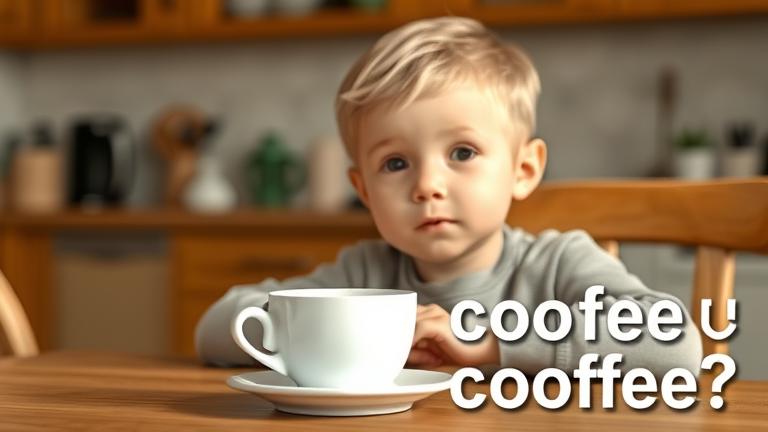
Is Decaf Coffee Safe for Kids?
Many parents wonder if decaf coffee is safe for children to drink. While decaf coffee contains much less caffeine than regular coffee, it is still important to understand its safety and when it might be appropriate for kids. In general, decaf coffee is considered safer than regular coffee because it has lower caffeine levels, but there are other factors to keep in mind.
First, it is essential to note that caffeine is a stimulant that can affect children differently than adults. Young children are more sensitive to caffeine, which can cause symptoms like trouble sleeping, increased heart rate, or stomach upset. Although decaf coffee has most of the caffeine removed, it still contains small amounts—usually about 3 milligrams per cup compared to 70-140 milligrams in regular coffee. This small amount may not cause harm in older children, but it is best to limit intake.
Many pediatric experts recommend avoiding caffeine altogether in kids under the age of 12. For teenagers, a small amount of decaf coffee might be okay if consumed occasionally, but it should not replace healthy drinks like water, milk, or 100% fruit juice. Children’s developing bodies are more vulnerable to the effects of stimulants and other compounds in coffee.
Safety considerations also include potential health concerns related to acids in coffee, such as stomach irritation or acid reflux. Coffee is naturally acidic, which can upset sensitive stomachs or exacerbate conditions like gastroesophageal reflux disease (GERD). Decaf coffee can still be acidic, so if a child has stomach issues, it might be better to avoid coffee entirely.
Another factor is the presence of chemicals found in some decaffeination processes. Some methods use solvents that can leave trace residues. To keep things safe, look for decaf coffee that has been processed using safer methods like carbon dioxide or water decaffeination, which are considered more natural and less risky.
It’s also good to think about the overall diet and habits. Drinking coffee should not replace more nutritious and hydrating drinks. Excessive caffeine—even in small amounts—can interfere with sleep and concentration, especially in teens who are already experiencing growth spurts and hormonal changes.
- Limit decaf coffee to special occasions or very small servings for older children.
- Choose decaf coffee made with healthy decaffeination methods.
- Keep an eye on how your child reacts after drinking decaf coffee, especially if they show signs of stomach upset or trouble sleeping.
- Encourage water, milk, and fruit drinks as main beverages instead.
Generally, it is best to consult your child’s pediatrician before introducing decaf coffee into their diet. They can provide guidance based on your child’s health history and specific needs. While decaf coffee might seem harmless, a cautious approach ensures your little ones stay healthy and happy.
Health Benefits and Risks for Children
Decaf coffee is a popular beverage for many adults, but parents often wonder whether it is safe and beneficial for children to drink. While decaf coffee has some potential health benefits, it also comes with certain risks that are important to consider. Understanding both sides can help you make informed choices about your child’s beverage options.
One of the main potential benefits of decaf coffee for children is its lower caffeine content. Caffeine is a stimulant that can cause issues like difficulty sleeping, increased heart rate, or nervousness in young children. By choosing decaf, you reduce these risks while still giving your child a coffee-like experience. Decaf also contains antioxidants, which are compounds that help protect cells from damage. These antioxidants are found naturally in coffee beans and can support overall health in small amounts.
However, there are important risks to be aware of when it comes to children drinking decaf coffee. First, decaf is not completely caffeine-free. The decaffeination process usually leaves a small amount of caffeine behind, which can still affect sensitive children. Consuming too many caffeinated drinks can lead to problems like insomnia, irritability, or rapid heartbeat.
Another concern is the acidity of coffee. Coffee can be harsh on a child’s stomach, potentially causing stomach upset or acid reflux. For children with pre-existing digestive issues, drinking decaf coffee might worsen their symptoms. It is also worth noting that coffee contains compounds called tannins, which can interfere with the absorption of certain minerals like iron. Young children are still developing, and adequate iron intake is critical for their growth and development. Excessive coffee consumption could contribute to iron deficiency anemia if it replaces more nutritious beverages like milk or water.
Safety should always come first. Here are some practical tips to keep in mind:
- Limit the amount of decaf coffee given to children. A small cup now and then is usually fine, but it should not replace healthy drinks like milk, water, or fruit juices.
- Watch for signs of caffeine sensitivity, such as jitteriness, trouble sleeping, or stomach upset.
- Choose decaffeinated options that are prepared with minimal additives or sugar. Flavored decafs often contain added sweeteners that are not ideal for children.
- If your child has health conditions like acid reflux or iron deficiency, consult your pediatrician before offering decaf coffee.
- Introduce decaf coffee gradually, and observe how your child reacts before making it a regular part of their diet.
In summary, while decaf coffee can offer some antioxidant benefits and lessen caffeine-related risks, it is important to be cautious. Moderation and careful selection of decaf products play a crucial role. Always prioritize your child’s overall nutrition and health, and when in doubt, consult a healthcare professional to determine what is safest for your child’s individual needs.
How to Serve Decaf Coffee to Kids
Decaf coffee can be a fun and cozy treat for kids, especially when served the right way. Since children have different needs and sensitivities, it’s important to know how to serve decaf coffee safely and appealingly. This guide offers simple tips on appropriate serving sizes and easy ways to prepare decaf coffee for young drinkers.
Choosing the Right Coffee
Start with a good quality decaf coffee that is smooth and mild. Look for options labeled as decaffeinated using water or carbon dioxide methods, which keep the flavor natural and free of chemical residues. Remember, children’s taste buds tend to prefer less bitter and more aromatic drinks, so pick a flavor profile that is gentle and not too strong.
Deciding How Much to Serve
Children should enjoy small portions of decaf coffee to avoid overdoing caffeine intake. A typical serving size for kids is about a half cup or 4 ounces. Even this amount should be given only a few times a week, especially for younger children. For toddlers, it’s best to limit decaf coffee to just a few sips or serve it as a special treat in tiny cups.
Always consider individual sensitivity. If your child is new to coffee, start with a very small amount to see how they respond. Keep in mind that children process caffeine differently, so monitor for any signs of excitement or difficulty sleeping.
Preparation Tips for Kid-Friendly Decaf Coffee
- Use a mild brew: Brew the decaf coffee at a lower strength to make it less bitter. You can do this by using less coffee grounds or shorter brewing time.
- Add flavor naturally: Mix in a bit of milk, a sprinkle of cinnamon, or a drop of vanilla extract to improve the taste. These additions make the drink more appealing and less intense.
- Serve warm, not hot: Ensure the coffee is warm, but not scalding. Test the temperature before giving it to your child to avoid burns.
- Limit added sugar: Aim for little or no added sugar to keep the drink healthier. If your child prefers a sweeter taste, try natural sweeteners like a touch of honey or maple syrup in moderation.
Presentation Ideas
Kids love fun presentation. Serve decaf coffee in colorful mugs or cups with playful designs. Add a whipped cream topping for a festive look or place a fun drinking straw in the cup. Making it look special encourages kids to enjoy their drink and feel included in the treat.
Safety Tips
- Always supervise young children when they are drinking coffee, even if decaf.
- Keep coffee out of reach when not in use to prevent accidental spills or ingestion.
- Remember that decaf still contains small amounts of caffeine — keep servings moderate.
- If your child has health conditions or takes medications, consult a healthcare professional before offering coffee.
Serving decaf coffee to kids can be a delightful experience with the right approach. Keep portions small, choose gentle flavors, and present it in a fun way. This makes drinking coffee safe, enjoyable, and special for children, without any worries about excessive caffeine or overpowering taste.
Common Concerns About Children and Caffeine
Many parents wonder about the effects of caffeine on children and whether giving them decaf coffee is a safe choice. Caffeine is a stimulant found naturally in coffee, tea, chocolate, and certain sodas. While adults often enjoy moderate caffeine, children are more sensitive to its effects. This sensitivity raises questions about how much caffeine is safe for kids and the potential risks involved.
One of the biggest worries is that caffeine might cause sleep problems. Children need plenty of rest for healthy growth and development. Consuming caffeine late in the day or in large amounts can make it harder for them to fall asleep or stay asleep. This could lead to tiredness, irritability, and difficulty focusing at school.
Another common concern is the impact of caffeine on children’s behavior. Caffeine can increase feelings of jitteriness, anxiety, or hyperactivity. Some children may be more affected than others, especially those with underlying conditions like ADHD. Parents might notice their kids becoming more energetic or restless after consuming caffeinated products.
Besides behavioral effects, there are worries about caffeine’s effect on a child’s heart and overall health. Though small amounts usually don’t cause harm, large quantities can increase heart rate or cause stomach upset. Over time, high caffeine intake might even contribute to increased blood pressure, although research is ongoing.
Many parents ask whether decaf coffee is a good alternative. Decaf coffee contains most of the caffeine removed, usually about 3 mg per cup compared to 70-140 mg in regular coffee. This makes decaf a lower-risk option, but it’s still important to remember that it isn’t completely caffeine-free. Some children and sensitive adults might still react to even small amounts.
When considering giving children decaf coffee, parents should think about the reasons behind it. If the goal is to limit caffeine but allow a taste of coffee, decaf can be a sensible choice. However, it’s best to serve it in moderation and as part of a balanced diet.
It’s also good to be aware of hidden sources of caffeine in foods and drinks. Chocolate, flavored yogurts, energy drinks, and some medications can contain caffeine. Reading labels helps prevent unintentional over-consumption, which can be especially important for children sensitive to caffeine’s effects.
Parents should talk to healthcare providers if they have concerns or questions about caffeine and their children. Each child is different, and what’s safe for one might not be for another. In general, experts recommend keeping caffeine consumption for children to a minimum. Focus on plenty of water, nutritious drinks, and healthy snacks to support their growth and energy needs.
By understanding these common concerns, parents can make smarter choices about caffeine for their children. Whether it’s limiting regular coffee or opting for decaf, the key is moderation and awareness. Keeping caffeine intake low helps ensure children stay healthy, active, and well-rested.
What Parents Should Know
Decaf coffee is often seen as a better choice for children and teenagers who enjoy the taste of coffee but need to avoid caffeine. As parents, it’s important to understand the safety, nutritional aspects, and age recommendations related to decaf coffee.
While decaf coffee contains significantly less caffeine than regular coffee, it still has some caffeine content. For young children, even small amounts of caffeine can cause issues such as difficulty sleeping, increased heart rate, or nervousness. Most health experts recommend that children under the age of 12 avoid caffeine altogether, including decaffeinated options.
For teenagers and older kids, moderate consumption of decaf coffee is generally considered safe. However, it’s best to limit intake to avoid any potential side effects. Teachers, coaches, and parents should work together to set healthy boundaries to prevent overconsumption.
Health and Safety Tips
- Check the caffeine content: Although labeled decaf, coffee can still contain between 2 to 15 milligrams of caffeine per cup. Compare brands to find options with the lowest caffeine levels.
- Monitor their intake: Keep track of how much decaf coffee your child drinks. Encouraging water, milk, or fruit juices as main beverages supports good hydration and nutrition.
- Watch for symptoms of caffeine sensitivity: Some children may be more sensitive to caffeine, experiencing jitteriness, stomach upset, or trouble sleeping. If these occur, reduce or eliminate decaf coffee from their diet.
- Be cautious with additives: Many flavored coffee drinks contain added sugars or artificial ingredients. Opt for plain decaf coffee or make your own at home to control ingredients.
Nutritional Considerations
Decaf coffee provides minimal calories and nutrients, but it does contain some antioxidants, which are good for health. However, it lacks essential nutrients like calcium and vitamins that children need for growth. Relying heavily on coffee as a beverage can displace more nutritious options like milk or juice.
For growing kids, the main source of nutrition should still be balanced meals with plenty of fruits, vegetables, dairy, and whole grains. Coffee, whether decaf or regular, should be enjoyed in moderation and not replace these vital foods.
Age Recommendations
Most health organizations advise against children under 12 drinking coffee, even decaffeinated. For teenagers, an occasional cup is okay if the child is healthy and the consumption is limited. Always check with your child’s pediatrician if unsure about what’s appropriate for their specific health needs.
In summary, decaf coffee can be a safe treat for older kids and teens if consumed responsibly. Parents should be mindful of caffeine content, monitor intake, and focus on nutritional balance. Making informed choices helps ensure your child enjoys coffee as a fun, occasional beverage without risking their health.
Alternatives to Decaf Coffee for Kids
If you’re looking for tasty and healthy beverage options for children that can serve as alternatives to decaf coffee, you’re in the right place. Kids often enjoy drinks that are fun, flavorful, and nutritious. While coffee might not be suitable for young children, there are plenty of other drinks they can enjoy that are both satisfying and good for them.
One popular choice is warm milk. It’s comforting and provides calcium, which is important for growing bones and teeth. For added flavor, you can add a small drizzle of honey or a sprinkle of cinnamon. If your child prefers it cold, a chilled glass of milk can be just as enjoyable.
Herbal teas are another great alternative. Many herbal teas are caffeine-free and come in a variety of flavors such as chamomile, peppermint, or fruit blends. Make sure to choose varieties designed for children or specifically labeled caffeine-free. You can serve them warm or cooled, depending on your child’s preference. Just keep in mind that some herbal teas have strong flavors, so it’s good to start with small servings.
Fruit juices are also a popular choice, especially when diluted with water. For example, mixing orange juice with water reduces sugar content while keeping the fruity flavor. Always opt for 100% fruit juice to avoid added sugars or artificial ingredients. Remember that juices are high in natural sugars, so offering them in moderation is best.
Fruit-infused water is a fun and healthy alternative. You can add slices of berries, citrus fruits, or cucumber to a pitcher of water. It’s a colorful and tasty way to encourage kids to drink more water and stay hydrated. Plus, it can be a beautiful addition to breakfast or snack time.
Smoothies made with fresh fruit and milk or yogurt are also a fantastic option. They’re customizable so you can blend bananas, berries, mango, or other favorite fruits. For added nutrition, toss in a handful of spinach or a spoonful of flaxseed. Smoothies are not only delicious but also packed with vitamins and fiber.
If your child enjoys slightly sweet drinks, consider homemade hot chocolate made with cocoa powder and milk. You can control the sugar levels and skip artificial additives. For an added twist, sprinkle a dash of cinnamon or top with whipped cream for a special treat.
Lastly, homemade beverages like herbal iced teas or flavored water can be easily prepared in advance. Keep a variety of fruit slices or herbs on hand so your child can pick what they like best. These drinks are not only refreshing but also a healthy way to stay hydrated throughout the day.
Tips for Choosing Better Alternatives
- Opt for drinks with minimal added sugars.
- Introduce new beverages gradually to see what your child enjoys.
- Avoid caffeinated drinks and energy drinks, which are not suitable for children.
- Make hydration fun by experimenting with different flavors and presentation styles.