
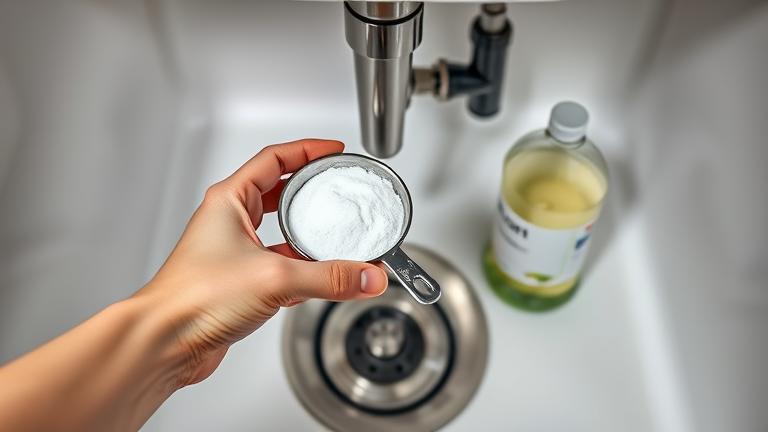
Is Baking Soda and Vinegar Safe for Disposal?
Many homeowners wonder if using baking soda and vinegar in their garbage disposal is safe and effective. These common household items are often seen as natural cleaning solutions, but it’s important to understand how they interact with your disposal system.
When mixed, baking soda and vinegar create a fizzy reaction that helps break down food particles and odors. Because both ingredients are generally non-toxic and biodegradable, they are considered safe for most garbage disposals when used properly. However, it’s good to know some safety tips to avoid any potential issues.
One major benefit of using baking soda and vinegar is their ability to freshen up your disposal and eliminate bad smells. Baking soda neutralizes odors, while vinegar acts as a natural disinfectant. Together, they can keep your kitchen smelling fresh without harsh chemicals.
To safely use baking soda and vinegar in your garbage disposal, follow these tips:
- Start by pouring about half a cup of baking soda into the disposal.
- Follow that with half a cup of white vinegar. You will notice fizzing and bubbling, which is normal and helpful for cleaning.
- Let the mixture sit and fizz for about 10 to 15 minutes. During this time, avoid running water or turning on the disposal.
- After waiting, turn on the cold water tap and run the disposal for 30 seconds to rinse away loosened debris.
Remember, while baking soda and vinegar are safe for most disposals, avoid overusing them. Excessive amounts can lead to buildup or minor plumbing issues over time. Using this mixture once a week or as needed is usually enough to keep your disposal clean and odor-free.
Also, steer clear of using harsh chemical drain cleaners immediately after or alongside baking soda and vinegar. Combining strong chemicals can produce harmful fumes or damage your pipes.
Finally, be cautious if your garbage disposal is already clogged or malfunctioning. In such cases, it might be best to consult a plumber instead of trying DIY remedies. Baking soda and vinegar are great for regular maintenance, but they aren’t a fix-all for serious problems.
In summary, baking soda and vinegar are safe and effective for routine disposal cleaning when used correctly. They are eco-friendly options that help keep your kitchen fresh without the risk of harmful chemicals. Just remember to use them in moderation, follow safety tips, and always run water while operating the disposal for best results.
How These Natural Cleaners Work
When it comes to natural cleaning, baking soda and vinegar are two of the most popular and effective options. Their power lies in their chemical properties, which make them great for deodorizing and cleaning household systems, like the garbage disposal.
Baking soda, also called sodium bicarbonate, is a mild alkaline compound. When you sprinkle it into your disposal, it helps neutralize acids and absorb odors. That’s why it’s so good at freshening up smelly drains and garbage disposals. Its abrasive texture also slightly scrubs away grime without scratching surfaces.
Vinegar, usually white distilled vinegar, contains acetic acid. This acid cuts through grease, grime, and mineral deposits. When mixed with baking soda, a chemical reaction occurs that produces carbon dioxide gas. You’ll see bubbles or fizzing, which helps loosen dirt and buildup inside your disposal and pipes.
Here’s how the chemistry works in simple terms: When baking soda and vinegar combine, they create a fizzy reaction that lifts away grease and grime. The fizzing action helps dislodge stuck-on food particles and neutralizes bad smells. After the reaction, the remaining solution leaves behind an environment that’s less hospitable to bacteria and mold that cause odors.
Practically, this means your cleaning mixture not only deodorizes your disposal but also helps break down stubborn gunk that can cause clogs. It’s a gentle but effective way to keep your kitchen fresh and your disposal working smoothly.
Another reason these ingredients are so practical is that they’re safe for most plumbing systems. Unlike harsh chemical cleaners, baking soda and vinegar won’t corrode pipes or harm the environment. Plus, they’re inexpensive and easy to find in most grocery stores.
To make the most of their cleaning power, you can pour baking soda directly into your disposal, followed by vinegar. Let the mixture fizz and sit for a few minutes to do its job. Then, run hot water and turn on the disposal to flush everything through. This simple routine can keep your kitchen smelling fresh and functioning well without the use of chemical-laden cleaners.
Just keep in mind: if your disposal is heavily clogged or very greasy, you might need to repeat the process or combine it with other cleaning methods. But for regular maintenance, baking soda and vinegar are a friendly, natural choice that work behind the scenes to keep your kitchen cleaner and fresher.
Step-by-Step Cleaning Method
Keeping your garbage disposal clean is important to keep it running smoothly and smelling fresh. Using baking soda and vinegar is an easy, natural way to do this. These two common kitchen ingredients work together to break down buildup and eliminate odors. Follow these simple steps to maintain your disposal effectively.
- Gather your supplies: You will need baking soda, white vinegar, ice cubes, lemon or citrus peels (optional for fresh scent), and a scrub brush or old toothbrush. Make sure your disposal is turned off before starting.
- Clear out debris: Remove any large pieces of leftover food or debris from the sink area. Do not put your hand into the disposal; instead, use tongs or a brush for removal.
- Pour baking soda: Measure about half a cup of baking soda and pour it directly into the disposal opening. Baking soda helps neutralize odors and loosens grime inside the pipes.
- Follow with vinegar: Slowly pour one cup of white vinegar into the disposal. You will see bubbling as the vinegar reacts with the baking soda. This fizzing action helps break down buildup and cleans the inside of the disposal.
- Let it sit and fizz: Allow the baking soda and vinegar mixture to foam and sit for about 10 to 15 minutes. During this time, you can run hot water to help flush the pipes and dissolve remaining residues.
- Use ice and citrus: Fill the disposal with a few handfuls of ice cubes and add lemon or citrus peels—this combination acts as a natural scrub. Turn on the disposal and let it run for about 30 seconds. The ice and peels help remove sludge and brighten the blades.
- Flush with hot water: After running the disposal with ice, turn on the hot water tap and run the disposal for another 30 seconds. Hot water helps wash away loosened grime and residue.
- Finish with a fresh scent: Optional: grind some more lemon or citrus peels in the disposal for a fresh, clean smell. You can also pour a few drops of essential oil down the drain if desired.
Repeat this cleaning routine every one to two months to keep your garbage disposal in good shape. Avoid pouring grease or large food chunks down the drain, as these can cause clogs. Regular maintenance with baking soda and vinegar is a simple, eco-friendly way to extend the life of your disposal and keep your kitchen smelling fresh.
- Tip: Always run cold water before and after using the disposal to prevent clogs and buildup.
- Tip: Never put your hand into the disposal. Use tongs or a brush for cleaning.
- Tip: If you notice persistent odors or blockages, consider a professional cleaning or checking for mechanical issues.
Safety Tips and Precautions
Using cleaning agents like baking soda and vinegar to unclog or freshen your garbage disposal can be very effective, but safety should always come first. These natural products are generally safe, but it’s important to handle them properly to avoid accidents or damage.
First, always read and follow any instructions on the labels. Even natural products can cause issues if misused. For example, using too much vinegar or baking soda at once won’t speed up the process and might harm your plumbing. Use recommended amounts for the best and safest results.
Handling Baking Soda and Vinegar Safely
- Keep away from eyes and skin: When using these substances, wear gloves if you have sensitive skin. Avoid splashing vinegar into your eyes, as it can cause irritation. If contact occurs, rinse thoroughly with water.
- Work in a well-ventilated space: Vinegar has a strong smell and releases fumes. Turning on your kitchen vent or opening a window helps prevent buildup of fumes that might cause dizziness or irritation.
- Use appropriate quantities: Excessive use can cause damage or create a mess. A common method involves pouring half a cup of baking soda down the drain followed by a cup of vinegar. Wait for the fizzing to settle before running water.
Precautions for Using Baking Soda and Vinegar in Your Disposal
- Avoid mixing chemicals: Stick to baking soda and vinegar alone. Combining them with other cleaning agents can produce harmful gases or reactions.
- Flush thoroughly after cleaning: Once the fizzing has stopped, run hot water to clear out any remaining debris or residues. This helps prevent clogs and keeps your disposal clean.
- Stay clear during fizzing: When mixing baking soda and vinegar directly in the drain, stand back to avoid splashes or mild eruptions.
Additional Tips for Safe Disposal Use
- Regular maintenance: Use this natural method occasionally instead of overusing chemical drain cleaners, which can corrode pipes and cause harm over time.
- Know your plumbing: If your pipes are old or fragile, consult a professional before attempting chemical or natural cleaning methods.
- Store safely: Keep baking soda and vinegar in their original containers, out of reach of children and pets, to prevent accidental ingestion or spills.
By following these simple safety tips and precautions, you can confidently use baking soda and vinegar to keep your disposal clean and functioning well. Natural remedies are an eco-friendly and effective choice, but they still require careful handling to ensure safety and success.
Benefits of Using Natural Cleaners
Switching to natural cleaning agents like baking soda and vinegar offers many advantages for both your home and the environment. These simple ingredients are not only effective at removing dirt and odors, but they also help you make healthier choices overall. Using natural cleaners can be a cost-effective way to keep your space fresh without relying on harsh chemicals.
One of the biggest benefits of natural cleaners is their positive impact on the environment. Traditional cleaning products often contain chemicals that can pollute water supplies and harm wildlife. Baking soda and vinegar are biodegradable, meaning they break down naturally without leaving harmful residues. When you use these substances, you’re helping reduce pollution and protect local ecosystems.
Another advantage is the safety factor. Many store-bought cleaners contain toxins that can irritate your skin, eyes, or respiratory system. In contrast, baking soda and vinegar are gentle and non-toxic, making them safer for children and pets. They can be used around the house without as much worry about accidental ingestion or skin contact.
Using natural cleaners also improves disposal performance over time. Conventional chemicals can build up in drains and sewers, sometimes causing blockages or damaging plumbing. Baking soda acts as a physical scrub, helping to break down grease and grime without corroding pipes. Vinegar, with its acidic properties, can dissolve mineral deposits and soap scum, keeping your drains clear and fresh.
In addition to environmental and safety benefits, natural cleaning ingredients are versatile. Baking soda, for example, can be used to deodorize carpets, refresh trash cans, or even whiten laundry. Vinegar works wonders on glass, mirrors, and kitchen surfaces, leaving everything streak-free and shiny. Because these ingredients are so adaptable, you can reduce the number of different cleaning products in your house, simplifying your routine.
Many people also find that natural cleaners are easier to use with visible results. Baking soda combined with a little water creates a gentle abrasive perfect for scrubbing stubborn spots. Vinegar’s natural acidity helps break down buildup without the need for harsh scrubbing. Plus, these ingredients have a neutral smell or a pleasant smell, unlike some synthetic cleaners that leave behind strong chemical odors.
- Cost savings: Baking soda and vinegar are inexpensive and last a long time.
- Better for allergies: Less chemical fumes and residues!
- Eco-friendly: Supports sustainability and reduces pollution.
- Safer for households: Perfect for homes with children or pets.
By choosing natural cleaning options, you contribute to a healthier planet and create a safer home environment. Plus, you may find your cleaning routine becomes simpler and more effective with these versatile, everyday ingredients. Give them a try and enjoy the many benefits they offer!
Common Mistakes to Avoid
Cleaning your garbage disposal with baking soda and vinegar is a simple and effective way to keep it fresh and functioning well. However, there are some common mistakes that can limit the effectiveness of this method or even cause damage. Knowing what to avoid can help you get the best results and prolong the life of your appliance.
First, avoid using too much baking soda or vinegar at once. While these are natural cleaners, excessive amounts can create a strong reaction that might overwhelm the disposal or cause clogs. A typical approach is to use about half a cup of baking soda and one cup of vinegar. Using more doesn’t mean a cleaner machine; it can lead to unnecessary bubbling and mess. Stick to small, measured amounts for safe and effective cleaning.
Second, do not forget to flush the disposal with plenty of water after the cleaning process. Baking soda and vinegar work together to break down grease and odors, but flushing with cold water afterward helps wash away any loosened debris. If you skip this step, residues may remain, which can lead to odors or future clogs. Open the cold water tap and run the disposal for about 30 seconds after the fizzing stops.
Another common mistake is cleaning without turning off the power first. Always ensure your garbage disposal is unplugged or switched off before adding any cleaning agents or inserting tools into the drain. This safety precaution prevents accidental activation and injuries. Never put your hand or utensils into the disposal when it is powered on, even if you are just trying to clear a clog or remove debris.
Additionally, avoid using harsh chemicals like bleach or commercial drain cleaners during your baking soda and vinegar routine. These harsh products can react negatively with the natural cleaning agents and may damage the disposal’s components, particularly the rubber seals and blades. Sticking to baking soda and vinegar is safer and gentle on your unit.
It’s also wise not to ignore persistent odors or buildup. If a strong smell remains after one cleaning, repeat the process or consider using ice cubes or lemon peels periodically to help freshen the disposal naturally. Over time, food particles can accumulate in hard-to-reach places, so gentle regular cleaning is key to avoiding unpleasant smells and clogs.
- Remember to use measured amounts of baking soda and vinegar.
- Always run cold water during and after cleaning.
- Unplug or turn off the disposal before cleaning.
- Avoid mixing harsh chemicals with baking soda and vinegar.
- Keep up regular maintenance to prevent persistent odors.
FAQs About Garbage Disposal Maintenance
If you have a garbage disposal in your kitchen, you probably have some questions about keeping it running smoothly. Proper maintenance ensures your disposal stays odor-free, functions well, and lasts longer. Here are some common questions home cooks ask about garbage disposal care and safety, along with helpful tips.
How often should I clean my garbage disposal?
It’s a good idea to clean your garbage disposal at least once a month. Regular cleaning prevents buildup of food particles and reduces bad odors. If you notice a funny smell or a decrease in performance, it’s time to clean it sooner. Remember, keeping it fresh is key to avoiding clogs and unpleasant odors.
What are the best ways to clean my garbage disposal?
There are several simple methods to keep your disposal clean. One popular way is to grind citrus peels like lemon or orange. They help neutralize odors and leave a fresh scent. Another effective method is daily flushing with ice cubes and a little vinegar or baking soda. The ice helps scrub the blades, while the acids in vinegar break down grease and odor-causing residues.
Can I use cleaning products or harsh chemicals?
It’s best to avoid harsh chemicals like bleach, which can damage the disposal’s components and the pipes. Instead, stick with natural cleaners like vinegar and baking soda or specialized garbage disposal cleaning sprays. Always rinse thoroughly after cleaning to wash away any residues.
What safety tips should I follow when cleaning or maintaining my garbage disposal?
First, always turn off the power before sticking your hand or tools into the disposal. Unplug it or turn off the switch to prevent accidents. Never put your hand inside the disposal, even if it’s turned off, as blades can sometimes move unexpectedly. Use tongs or pliers if you need to remove stuck debris. Lastly, avoid pouring oil or grease down the drain, as they can cause buildup and damage.
How can I prevent bad smells from my garbage disposal?
Odors often come from trapped food particles. Regularly run your disposal with ice and citrus peels. Also, pouring a mixture of baking soda and vinegar into the drain, then rinsing with hot water, can keep smells at bay. Covering the drain with a splash guard can also help prevent leaks and reduce smells in the kitchen.
What should I do if my disposal gets clogged?
If your disposal is clogged, first turn it off and disconnect the power. Never force anything down the drain. Use a plunger or a specialized disposal wrench to loosen the blockage. If that doesn’t work, it might be best to call a plumber. Regular maintenance helps prevent clogs, so clean your disposal often and avoid tossing fibrous or starchy foods that could tangle or stick.
- Remember to always follow safety precautions to avoid injuries.
- Keep a set of tongs nearby for removing debris.
- Consistently clean your disposal to keep it odor-free and efficient.