
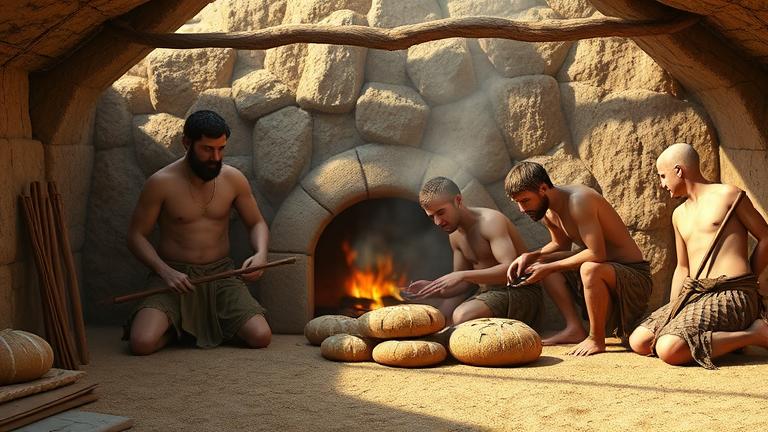
The Birth of Baking in Ancient Times
Baking has a long and fascinating history that stretches back thousands of years. It all began in ancient civilizations where people discovered how to turn simple grains into bread, a staple food that gave early communities strength and nourishment. These early bakers didn’t have the modern ovens we use today, but their innovations laid the foundation for the baking practices we enjoy now.
Many of the earliest evidence of baking comes from ancient Egypt around 2500 BC. The Egyptians were among the first to grind grains into flour and experiment with baking bread in clay ovens. They used basic tools like simple stones and wooden paddles, and their bread was often made with barley or wheat. Interestingly, they also flavored bread with herbs and spices, which added extra flavor and variety to their diets. This shows how baking was more than just survival; it became a craft and an art form even then.
In ancient Mesopotamia, around 2000 BC, baking was already a well-established practice. Bakers in these regions operated small bakeries, sometimes owned by temples or wealthy families. They baked large quantities of bread for their communities, often using tandoor-like clay ovens. These early ovens were dome-shaped and fueled with wood or dung, making the baking process more efficient. The breads of Mesopotamia were simple, but they served as a daily staple for many people.
In addition to Egypt and Mesopotamia, ancient China and India also have rich baking histories. In China, around 1000 BC, bakers made flatbreads and steamed buns using yeast and other fermentation methods. In India, people baked unleavened bread like chapati and roti using clay griddles called tavas. These breads were basic but essential parts of their meals, often made with millet or wheat flour.
Early bakers also discovered that fermentation—the process of letting dough rise—improved the texture and flavor of bread. This discovery wasn’t immediate, but once it was mastered, it transformed bread from flat, dense loaves into light, airy ones. The fermentation process uses natural yeasts found in the environment, and bakers began to understand how to control it to achieve the best results. This was a significant step toward modern bread baking.
Throughout these early times, baking was often a community activity. People shared techniques, traded recipes, and learned from each other across different regions. Despite lacking the scientific knowledge we have today, ancient bakers experimented and improved their methods over generations. Their work was crucial in moving from simple, rough bread to more refined, flavorful, and varied baked goods.
- Tip: When trying your hand at bread baking today, consider giving sourdough a try. It uses natural yeast like early bakers relied on and offers a rich, tangy flavor.
- Mistake to avoid: Using instant yeast for traditional recipes that call for natural fermentation can result in different textures and flavors. Follow recipe instructions for best results.
The First Known Bakers in History
Baking is one of the oldest culinary arts, with roots stretching back thousands of years. The earliest known bakers were not famous names you might recognize today, but rather anonymous craftsmen who started baking bread and other simple foods for their communities.
Archaeological evidence shows that baking began in ancient times, around 6,000 years ago, in regions that are now parts of the Middle East. These early bakers used primitive clay ovens and simple ingredients like barley, wheat, and water. They prepared dough, shaped it into flatbreads, and baked it on hot stones or fire bricks. This was a communal activity, often central to gatherings and daily life.
One of the earliest recorded figures associated with baking is the ancient Sumerian bake master. The Sumerians, who lived in Mesopotamia around 4000 BCE, are credited with developing some of the first recipes for bread. They kept detailed clay tablets with instructions that resemble the earliest recipes known to archaeology. While we do not know the names of individual bakers, these tablets show that baking was an organized craft often overseen by specialized artisans.
In Egypt, around 2500 BCE, bakers who worked in the service of pharaohs and temples became more prominent. These bakers used new techniques, including shaping dough and baking in larger communal ovens. The Egyptians are also known for discovering leavening, which produces bread with a lighter texture. They may have been among the first to use fermentation in baking, a significant step in culinary history.
Throughout history, as civilizations expanded, baking evolved. The Greeks and Romans advanced baking techniques further, developing bread that was both nutritious and portable. Ancient Rome even had bakers who sold bread in marketplaces, making baking a popular and accessible craft for ordinary people.
In general, early bakers were skilled craftsmen who understood their tools and ingredients well. They often learned their craft through apprenticeships, passing down techniques from generation to generation. Their stories are not always recorded, but their legacy lives on in the countless types of bread and baked goods we enjoy today.
- Early baking used mainly simple ingredients like grains and water.
- Ovens were primitive, often just clay structures heated by fire.
- Leavened bread was a major innovation, thanks to fermentation discoveries.
- Many ancient civilizations had skilled bakers, even if their names are lost to time.
This fascinating history shows us that baking has been a vital part of human life for thousands of years. From humble beginnings, it grew into a rich craft that continues to evolve today.
Early Civilizations and Baking Innovations
Many ancient societies laid the foundation for the baking techniques we enjoy today. By exploring how early civilizations shaped baking, we can better understand the origins of our favorite breads, pastries, and other baked goods.
Ancient Egypt is often credited as one of the first societies to develop advanced baking methods. Around 2500 BCE, Egyptian bakers used simple ovens and learned to make bread from wheat and barley. They discovered that leavening agents, like natural yeasts and sourdough starters, made bread lighter and airier. This was a significant step forward from flat, unleavened bread, and it influenced baking across the Mediterranean and beyond.
Similarly, the Sumerians of Mesopotamia, around 3000 BCE, contributed to baking innovations. They created early recipes for bread, using natural ingredients and developing techniques for kneading dough. They used clay ovens, which allowed for more consistent heat and better bread quality. These ovens inspired later civilizations to refine baking methods even further.
In ancient China, around 1000 BCE, bakers began experimenting with steamed bread and pastries. They used bamboo steamers and specialized molds to create textured, flavorful bread, often used in religious rituals or as everyday food. Their techniques of steaming instead of baking in ovens added diversity to Asian baked goods and influenced neighboring regions.
Throughout these early civilizations, certain common themes emerged. They recognized the importance of controlling heat, developing methods for fermenting dough, and experimenting with different grains. These discoveries gradually evolved into more sophisticated baking tools and recipes.
Innovations such as using clay or brick ovens, developing fermentation techniques, and creating new recipes allowed early bakers to improve quality and flavor. Over time, these methods spread from one civilization to another, often through trade routes and conquest. This exchange of ideas helped baking become a vital part of cultural identity for many societies.
Tips for modern bakers inspired by these early innovations include experimenting with different grains and fermentation times. Don’t be afraid to try baking in a simple clay or brick oven if you have access, or to make sourdough starters at home. The basic principles from ancient baking—control of heat, fermentation, and ingredient variety—are still relevant today.
- Use natural yeasts for more complex flavors.
- Experiment with different grains like spelt, rye, or millet.
- Try baking in different types of ovens or using steaming techniques for unique textures.
- Pay attention to fermentation times; longer fermentation can enhance flavor.
- Look into historical recipes to add a touch of tradition to your baking.
By understanding how early civilizations innovated in baking, we can appreciate the history behind our daily bread and find inspiration for our own kitchen experiments. Each step they took helped shape the diverse and delicious world of baking we enjoy today.
Traditional Baked Goods of Ancient Cultures
Throughout history, different ancient cultures have developed their own unique baked products that reflect their flavors, ingredients, and cooking methods. Exploring these traditional baked goods gives us a glimpse into the culinary heritage of civilizations from around the world. Many of these recipes have been passed down for hundreds or thousands of years, showing their lasting appeal and cultural significance.
One of the earliest known baked goods is the flatbread, which dates back to ancient Egypt and Mesopotamia. These simple bread forms were often made with basic ingredients like flour, water, and salt. They were baked on hot stones or open flames. Today, you might recognize similar flatbreads such as pita or naan, which still hold a special place in Middle Eastern and Mediterranean cuisine.
Moving to Europe, the ancient Romans and Greeks created various types of bread and pastry. The Greeks, for instance, baked a sweet bread called ‘plakous’ made with honey and nuts, while the Romans made a crusty bread called ‘panis’ that was sometimes enriched with herbs or olives. They often used clay or stone ovens, which provided a high, even heat perfect for baking bread with a crispy crust and soft interior.
In Asia, ancient Chinese and Indian cultures developed their own baked delights. The Chinese baked mooncakes and sesame seed buns, both of which are still enjoyed today. Indian bakery traditions include sweet and savory bread like parathas and stuffed flatbreads, often baked in tandoor ovens—clay ovens that reach very high temperatures and lend a unique smoky flavor to the baked goods.
In Central and South America, offerings like Mexican tortillas and Brazilian pandeló with sweet fillings showcase the rich baking possibilities using native ingredients like corn and tropical fruits. These baked staples serve as everyday food and festive treats, often baked on hot stones or in traditional brick ovens.
Each ancient culture used distinctive techniques and ingredients that shaped their local baked goods. For example, the use of certain grains, like millet in Africa or rice in Southeast Asia, influenced the types of bread and pastries they could produce. Many recipes relied on natural leavening methods, such as wild yeasts or fermentation, which helped the dough rise and develop flavor.
Today, these traditional baked goods continue to inspire modern bakers. Whether you’re making a simple flatbread, a sweet honey cake, or a smoky flatbread from a clay oven, understanding the history and techniques behind these recipes can deepen your appreciation. Plus, experimenting with ancient ingredients and methods can lead to delicious new twists in your baking.
Here are some practical tips to get started with traditional baked goods from ancient cultures:
- Choose authentic ingredients like honey, native grains, or traditional herbs when possible for true flavor.
- Use the right baking surface—whether it’s a hot stone, clay oven, or regular baking sheet—to recreate traditional textures.
- Experiment with fermentation and leavening techniques to develop complex flavors and textures in bread.
- Be patient—many ancient recipes involve slow baking or fermentation, which improves taste and authenticity.
By exploring these baked goods from different cultures, you can discover new flavors and baking techniques that enrich your culinary skills. Many ancient recipes are surprisingly simple yet full of history and character. Happy baking!
How Baking Techniques Evolved Over Millennia
Baking is an ancient art that has developed over thousands of years, shaped by cultures, technology, and changes in daily life. From simple early methods to modern innovations, understanding this evolution offers a fascinating glimpse into how we prepare food today.
One of the earliest forms of baking dates back to around 6000 BC, in ancient civilizations like Mesopotamia. Early bakers used hot stones and clay ovens to cook bread made from basic ingredients like grains and water. These rudimentary techniques laid the foundation for baking as a vital part of human nourishment.
As societies advanced, so did baking tools and methods. By the time of ancient Egypt around 2500 BC, bakers had developed more sophisticated clay ovens and introduced leavening agents such as sourdough starters. These natural ferments caused bread to rise, resulting in lighter, more enjoyable loaves. This innovation spread across cultures, influencing Greek and Roman bread recipes.
Medieval and Renaissance Innovations
During the Middle Ages, bakers began using brick and stone ovens that could maintain steady heat, improving baking quality and consistency. Guilds of bakers formed, promoting standard recipes and techniques. Around this time, the discovery of yeast as a leavening agent became more widespread, making bread lighter and less dense.
With the Renaissance came new ingredients like sugar and spices, transforming baking into an art of flavor. Recipes became more elaborate, and the use of dough mixers and more precise measurements emerged. These changes allowed for greater creativity and variety in baked goods.
Industrial Revolution and Modern Advancements
The Industrial Revolution, starting in the 18th century, brought significant changes to baking. Mechanical mixers and ovens replaced manual labor, making baking faster and more uniform. The invention of the rolling pin, bread pans, and other tools made shaping dough more consistent.
In the 19th and 20th centuries, advances in chemistry led to the development of chemical leaveners like baking soda and baking powder. These innovations allowed for quick rising and baking of treats like cakes and biscuits, transforming home baking and commercial production alike.
Technological Innovations Today
Today, digital technology and new baking equipment continue to shape how we bake. Stand mixers, bread machines, and convection ovens make it easier to achieve professional results at home. Recipes now often include specific temperature settings, timers, and even apps that guide bakers step by step.
Moreover, modern techniques like sous-vide baking and vacuum packaging help preserve freshness and improve textures. Technology also allows for gluten-free, allergen-friendly, and health-conscious baked goods, reflecting evolving dietary needs.
Throughout history, cultural influences played a significant role. Each region brought unique ingredients, flavors, and methods, creating the diverse world of baked goods we enjoy today. From ancient clay ovens to smart kitchen gadgets, baking continues to evolve while remaining rooted in its fundamental principles: transforming simple ingredients into comforting, delicious bread and pastries.
Famous Historical Figures in Baking
Throughout history, many notable individuals have shaped the art of baking, turning it from simple bread-making into a celebrated culinary craft. Their contributions have helped it develop into a diverse and beloved part of our culture today. By learning about these figures, we gain a greater appreciation for the history behind our favorite baked goods.
One of the earliest influential figures is Marie-Antoine Carême (1784–1833). Often called the father of French haute cuisine, Carême was known for his artistic approach to baking and pastry design. He created elaborate sugar sculptures and breathtaking pastries that turned desserts into visual art. His work set the stage for modern pastry artistry and inspired countless bakers and pastry chefs.
Another key figure is Auguste Escoffier (1846–1935), a legendary French chef who helped organize professional kitchens. While best known for his work in haute cuisine, Escoffier also revolutionized baking by simplifying complex recipes. He emphasized quality ingredients and practical techniques, making bakery arts more accessible to everyday cooks. His influence persists in many bakeries around the world today.
Moving beyond France, Nancy Silverton, a contemporary American baker, has been influential in popularizing artisan baking. She co-founded La Brea Bakery in Los Angeles, which brought artisan bread to mainstream markets. Silverton’s focus on natural fermentation and sourdough techniques helped revive traditional baking methods and inspire a new generation of home bakers.
In addition to these pioneers, many other figures have contributed to baking’s evolution. Fannie Farmer, a pioneering American cookbook author from the early 20th century, emphasized precise measurements and clear instructions. Her cookbook, first published in 1896, helped standardize baking recipes and improve consistency, making baking more approachable for beginners.
Historically significant bakers also include Marie Hélène Godefroy in French pastry circles, who specialized in delicate tarts and chocolates, and Paul Hollywood, a contemporary English baker, noted for his mastery of bread and his role in popular TV baking shows. Each one brought unique skills and ideas that enriched baking’s history.
- Understand the origins of techniques you use today by exploring their pioneers’ work.
- Try recreating their famous recipes to learn from history’s masters.
- Visit bakeries or read books inspired by these figures for deeper insights.
From artistic visionaries to practical innovators, these individuals have all contributed to baking’s rich history. Recognizing their legacies can inspire home bakers to experiment and craft their own delicious creations, while appreciating the fascinating stories behind the baked goods we enjoy every day.
Modern Advances in Baking Technology
Today’s baking world has been transformed by exciting advances in technology. These innovations make baking easier, faster, and more consistent than ever before. Whether you are a home baker or a professional, these modern tools and techniques can help you achieve perfect results every time.
One of the biggest changes is the introduction of smart ovens. These appliances come with digital controls, Wi-Fi connectivity, and preset programs. You can now bake bread or cookies with a simple tap on your phone. Some smart ovens can even monitor temperature and adjust settings automatically, ensuring your baked goods are just right. This reduces guesswork and improves accuracy, especially for tricky recipes that require precise timing or temperature.
Another major development is the use of high-tech mixers. Stand mixers now feature multiple attachments and variable speeds to handle everything from kneading dough to whipping cream. Some models even come with built-in scales, timers, and digital displays. These features help bakers measure ingredients accurately and keep track of mixing times, leading to better texture and rise in your baked products.
Advances in ingredient technology have also made a big difference. Modern flours are specially milled for specific baking needs, such as bread flour with higher protein content for better gluten development. Additionally, there are enzymatic additives that improve dough fermentation or enhance moisture retention. These innovations help bakers troubleshoot issues like flat bread or dry pastries.
3D printing is a cutting-edge technology that is starting to find its place in baking. Food printers can create detailed cookie designs or custom shapes that would be difficult to produce by hand. While still in early stages, 3D printed baked goods open new creative possibilities for parties, gift packaging, or artistic presentation.
Improvements in temperature control and humidity management also boost baking quality. Some specialized ovens and proofing boxes now maintain optimal humidity levels during dough fermentation. This leads to better gluten development and a superior crust in bread baking. Plus, temperature precision in ovens helps prevent over- or under-baking your treats, which is a common challenge for many home bakers.
Many bakers now use digital thermometers and timers connected to their devices. These tools allow for precise control of baking stages and help avoid common mistakes like under-baking or burning. Some apps also offer recipes with step-by-step instructions and alerts, guiding even beginners to success.
- Look for appliances with user-friendly features that suit your skill level.
- Invest in tools that improve measurement accuracy and consistency.
- Stay open to new ingredients and additives that enhance your baking results.
As technology continues to evolve, so will the ways we bake. Embracing these modern advances can make your baking process more enjoyable, reliable, and innovative. Whether experimenting with new gadgets or leveraging smarter appliances, you are part of a baking future that combines tradition with innovation.