
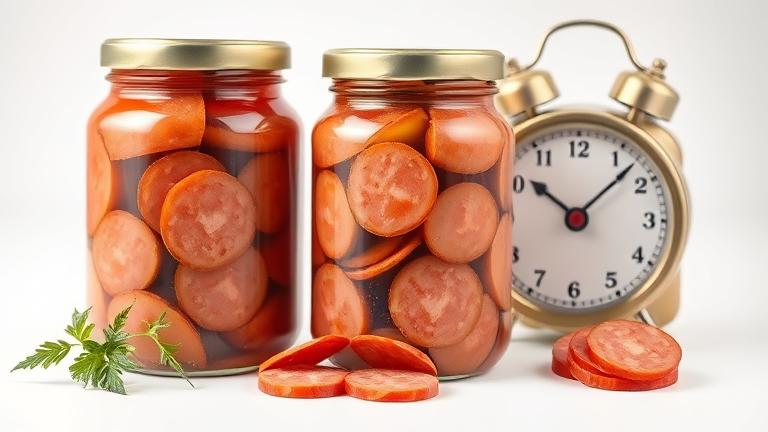
Understanding the Origins and Preparation of Pickled Bologna
Pickled bologna, also known as packaged or fermented bologna, has a storied history as a popular preserved meat snack. Its roots trace back to Europe, where preserving meat was essential before the advent of modern refrigeration technology. This tradition allowed people to store meat safely for longer periods, especially during winter or in times of limited fresh meat availability.
The process of pickling or fermenting bologna involves soaking slices in a vinegar-based brine or marinade. This mixture often includes spices, garlic, and sugar to enhance flavor and preservation. Typically, this curing process lasts several days, giving time for the flavors to meld and for fermentation to develop. The end result is a tangy, savory snack loved across generations for its distinctive taste and convenience.
How to Make Pickled Bologna Today
Preparing pickled bologna is straightforward yet requires attention to detail. Sliced bologna is submerged in a vinegar-based marinade seasoned with spices like peppercorn, mustard seed, and bay leaves. Some recipes include garlic and sugar to balance the acidity and add depth. The slices typically soak in this mixture for several days in the refrigerator, allowing the flavors to develop fully.
The soaking time is critical; longer marination ensures an even tangy taste and firm texture. Many enthusiasts prefer to let it sit for at least three to five days, checking periodically. This process yields a snack with a pungent aroma and a satisfying crunch. Its portability and bold flavor have helped maintain its popularity through the decades.
Video Guide to Making and Enjoying Pickled Bologna
Below is a helpful YouTube video demonstrating the process of making pickled bologna, providing visual guidance to complement the instructions:
This tutorial offers tips for selecting quality ingredients, preparing the marinade, and properly storing the pickled slices. Watching the video can help clarify techniques, especially for beginners interested in trying their hand at this traditional craft.
Food Safety and Spoilage Indicators
Despite its delightful flavor, pickled bologna can spoil if not stored properly. Over time, spoilage signs become apparent, and recognizing these cues is essential for food safety. If mold appears on the surface, especially fuzzy or discolored patches, it indicates microbial growth and the product should be discarded.
Discoloration such as dark spots or a dull, faded appearance also signals spoilage. Additionally, a slimy or sticky texture on the slices or marinade points to bacterial activity. Changes in odor are particularly telling; sour or rancid smells mean the bologna is no longer safe to consume. External textures that feel excessively soft or slippery further confirm spoilage. Regular inspection and adherence to safety protocols help prevent foodborne illnesses from spoiled meats.
Proper Storage Tips for Longevity and Freshness
Proper storage extends the shelf life of pickled bologna and maintains its quality. Always keep it refrigerated in airtight containers to prevent contamination and spoilage. The ideal storage temperature is below 40°F (4°C).
When stored correctly, pickled bologna can last from two to three weeks in the refrigerator. Once opened, it should be consumed within this time frame to avoid bacterial growth. To maximize freshness, ensure the container lid is tightly sealed, and check regularly for any signs of spoilage. Discard the product immediately if it develops an off smell, mold, or a slimy appearance. Proper storage not only preserves flavor but is critical for health and safety.
Conclusion
Pickled bologna remains a beloved delicacy that combines historical preservation methods with modern culinary appreciation. Its origins in Europe highlight its longstanding cultural significance. Today, with simple ingredients and proper techniques, anyone can create this tangy snack at home, enjoying a taste of history.
Understanding the signs of spoilage and following safe storage practices ensures that this treat is both delicious and safe. Whether enjoyed as a snack, appetizer, or ingredient in various recipes, pickled bologna offers a unique culinary experience. Its enduring popularity underscores its status as a flavorful, shelf-stable protein source favored by many.