
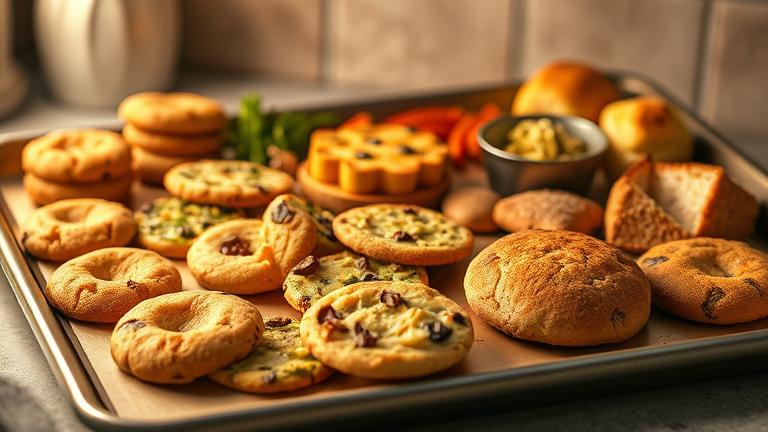
Classic Cookies and Brownies
When it comes to baking, nothing beats the comforting aroma of freshly baked cookies and brownies. These treats are perfect for a cookie sheet and are a great way to share a delicious dessert with friends and family. Whether you’re a beginner or an experienced baker, mastering classic cookies and brownies can bring a lot of joy to your kitchen.
Cookies and brownies are versatile, easy to make, and require common ingredients like flour, sugar, butter, eggs, and cocoa or chocolate. The key to making them taste fantastic lies in understanding the right techniques for mixing, baking, and storage. Let’s explore some helpful tips to achieve the best texture and flavor in your baked goods.
Tips for Perfect Cookies
- Use room temperature butter and eggs. Softened butter mixes better and helps your cookies spread evenly, creating a consistent texture. Eggs at room temperature blend more smoothly into the dough.
- Don’t overmix the dough. Once you add flour, mix just until combined. Overmixing can develop gluten, resulting in cookies that are tough instead of tender.
- Chill the dough if possible. Refrigerating cookie dough for at least 30 minutes can improve flavor and help cookies hold their shape during baking.
- Use an even scoop or spoon to portion dough. This ensures all cookies are the same size, baking evenly on your sheet.
- Place dough balls 2 inches apart on the sheet. This gives them room to spread and prevents sticking together.
Tips for Fabulous Brownies
- Choose quality chocolate or cocoa powder. Using good ingredients makes a big difference in flavor and richness.
- Be careful not to overbake. Brownies are best when slightly underdone in the center. They will continue to set as they cool.
- Use parchment paper or silicone mats. These prevent sticking and make cleanup easier.
- Allow brownies to cool before slicing. This helps them set and results in cleaner, prettier cuts.
- For chewy brownies, use more eggs and a bit more butter. For cakier brownies, add a little extra baking powder.
Common Mistakes to Avoid
- Overbaking. Keep a close eye on baking times and sample a test cookie or brownie to prevent dryness.
- Using cold ingredients. Cold butter or eggs can lead to uneven mixing and rough textures.
- Opening the oven door frequently. This causes temperature fluctuations, which can affect how cookies and brownies rise and bake.
Storage Tips
Keep your cookies and brownies fresh by storing them in an airtight container at room temperature. They typically stay good for up to five days. For longer storage, you can freeze them in an airtight bag or container for up to three months. To preserve their softness, place a slice of bread in the container, which helps retain moisture.
With these simple tips, your batch of cookies and brownies will turn out delicious every time. Enjoy baking and sharing your tasty creations with friends and family!
Roasting Vegetables and Nuts
Roasting vegetables and nuts on a cookie sheet is a simple way to bring out their rich flavors and add a delicious crunch. Using a cookie sheet allows for even heat distribution, ensuring that your food cooks uniformly. Plus, it’s an easy method that doesn’t require special equipment, making it perfect for home cooks of all levels.
Before you start roasting, gather the ingredients and some basic supplies. You’ll need your vegetables or nuts, a baking sheet (preferably with a rim to catch any drips), and some oil or seasoning if desired. Line the cookie sheet with parchment paper or a silicone baking mat to prevent sticking and make cleanup a breeze. This small step also helps your food brown more evenly.
Preparing Your Vegetables and Nuts
- Cut vegetables into similar-sized pieces to ensure even cooking. For example, chop carrots and zucchini into about the same size.
- For nuts, such as almonds or walnuts, no cutting is needed. Just use raw or roasted nuts as desired.
- Pat them dry if they’re wet, especially vegetables, to promote browning.
Seasoning and Coating
Lightly coat your vegetables or nuts with oil—olive oil, avocado oil, or even melted butter work well. Use just enough to give them a nice sheen without making them greasy. Sprinkle with salt, pepper, or your favorite herbs and spices for added flavor. For vegetables, consider adding garlic powder, paprika, or dried herbs. Nuts benefit from a touch of cinnamon or a sprinkle of chili powder for extra zing.
Roasting Tips
- Preheat your oven to a temperature between 375°F and 425°F, depending on what you’re roasting. Vegetables typically roast well at 400°F, while nuts roast at a slightly lower temperature for even browning.
- Spread the vegetables or nuts in a single layer on the cookie sheet. Overcrowding can cause steaming instead of roasting, leading to softer results.
- Place the sheet in the middle of the oven for even heat. Avoid decks too close to the heating element which can cause uneven browning.
- Check and stir or flip the food halfway through cooking. This ensures all sides get browned and crisped evenly.
Cooking Time and Monitoring
Vegetables usually take about 20 to 30 minutes, depending on their size and type. Nuts, like almonds, might take about 10 to 15 minutes. Keep an eye on them, especially near the end of cooking, to prevent burning. Look for a golden hue and a fragrant aroma, which are signs they’re ready.
Cooling and Serving
Once roasted, let your vegetables and nuts cool for a few minutes. This helps them firm up and develop a crunch. Serve roasted vegetables as a side dish or toss them into salads. Roasted nuts are perfect as snacks, toppings for yogurt, or additions to baked goods.
Remember, practice makes perfect. Adjust cooking times based on your oven and ingredient sizes. With a bit of experimentation, you’ll master the art of roasting on a cookie sheet, bringing out the best in your vegetables and nuts every time.
Making Crispy Snacks and Chips
Making crispy snacks and chips at home is easy, fun, and a great way to enjoy healthy, flavorful treats. You can turn simple ingredients into crunchy bites that satisfy your snack cravings. The key to perfect crunch lies in choosing the right ingredients and following some basic techniques.
Start by selecting your main ingredient. Popular options include potatoes, sweet potatoes, kale, zucchini, or even grains like rice or corn. Each ingredient needs a slightly different approach to get that satisfying crispness. Generally, slicing your ingredients evenly ensures they cook uniformly and turn out crisp.
Preparation Tips
- Wash and dry ingredients thoroughly. Excess moisture can make snacks soggy instead of crispy.
- Slice ingredients as thinly as possible but evenly. A mandoline slicer makes this easier and ensures uniform thickness.
- Consider tossing your slices with a small amount of oil. This helps them crisp up and enhances flavor. Use a light spray or a tablespoon of oil for a healthier touch.
- Add seasonings like salt, pepper, paprika, or garlic powder before baking. This boosts flavor without extra moisture.
Baking Technique
Preheat your oven to a high temperature, typically around 375°F to 400°F (190°C to 200°C). An oven that is too cool can make your chips soft. Line a baking sheet with parchment paper or a silicone baking mat to prevent sticking and promote even cooking.
Spread your slices in a single layer on the prepared sheet. Avoid overcrowding, which traps moisture and makes chips soggy. For extra crispness, you can bake multiple sheets at once, switching their position halfway through for even baking.
Bake until the edges are golden brown and crispy. This usually takes around 15 to 25 minutes, depending on thickness and ingredient. Keep an eye on them towards the end to prevent burning, especially with thinner slices.
Achieving Extra Crunch
If you want your snacks to be extra crispy, try these tips:
- Thin slices bake more evenly and become crispier than thick ones.
- Using a wire rack on top of your baking sheet allows hot air to circulate around the snacks, helping them crisp all over.
- Let baked snacks cool completely on a wire rack. This final step helps remove any remaining moisture that can make them soft.
- If your snacks aren’t crunchy enough after baking, you can pop them in for a few extra minutes, but watch closely to avoid burning.
Storing Tips
Once cooled, store your crispy snacks in an airtight container. They stay crunchy for several days but are best enjoyed fresh. If they start to soften, a quick re-bake or toast in the oven can revive their crunch.
Experimenting with different ingredients and seasonings lets you create a variety of treats, from spicy kale chips to sweet potato crisps. The secret is to keep slices thin, use high heat, and give them enough space on the baking sheet.
Baking Flatbreads and Crackers
Baking flatbreads and crackers on a cookie sheet is a simple and satisfying way to make homemade snacks or serve alongside your meals. These treats are versatile, quick to prepare, and can be customized with different herbs, spices, or seeds. Whether you’re making a crispy cracker or a soft flatbread, the key is to get a nice, even baking surface and pay attention to a few basic tips.
Preparing Your Dough
The first step is to prepare your dough. Common options include using flour, water, and a bit of oil, though you can also add seasonings or herbs for extra flavor. Knead the dough until it is smooth and elastic, which usually takes about 5-10 minutes. This helps develop gluten for better texture. Rest the dough for at least 10 minutes to make it easier to roll out.
Rolling and Shaping
After resting, divide the dough into manageable portions. Roll each piece on a lightly floured surface until it’s about 1/8 inch thick. Thinner dough will result in crispier crackers, while slightly thicker flatbreads will be softer and chewier. Use a sharp knife or pizza cutter to cut the dough into your desired shapes, such as squares, rectangles, or rounds.
Baking Tips
- Preheat your oven to 375°F (190°C). A hot oven helps the flatbreads and crackers become crisp and golden.
- Line your cookie sheet with parchment paper or a silicone baking mat. This prevents sticking and makes cleanup easier.
- Arrange the cut dough pieces on the sheet with space between them. They may expand slightly during baking.
- Brush the tops lightly with olive oil or melted butter for extra flavor and crunch. You can also sprinkle with sea salt, sesame seeds, or herbs.
- Bake until golden brown and crispy, usually about 10-15 minutes. Keep an eye on them to prevent burning, especially if your oven heats unevenly.
Cooling and Storage
Once baked, transfer the flatbreads or crackers to a wire rack to cool. This helps maintain their crispness. Store them in an airtight container at room temperature for up to a week. If they lose their crunch, you can re-crisp them in the oven at 350°F (175°C) for a few minutes.
Practical Tips and Common Mistakes
- Don’t skip evenly rolling your dough. Uneven thickness results in uneven baking—some pieces may be burnt while others remain soft.
- Experiment with toppings like herbs, seeds, or spices before baking for added flavor and visual appeal.
- Avoid overcrowding the cookie sheet. Give each piece enough space to bake evenly and become crispy.
Enjoy Your Homemade Snacks
Homemade flatbreads and crackers are perfect for snacking, packing in lunchboxes, or serving as part of a cheese platter. You can adjust the seasonings and toppings to match your taste or meal theme. With a little practice, you’ll be baking them with confidence and impressing friends and family with your tasty, homemade treats.
Preparing Breakfast Items
Using your cookie sheet for breakfast preparations is a smart way to make meal times easier and more fun. You can create a variety of tasty dishes like baked oats, breakfast pizzas, or breakfast casseroles all in one place. The key is to organize your ingredients and use the sheet efficiently for a delicious start to the day.
First, always preheat your oven to the right temperature, usually around 375°F to 400°F, depending on the recipe. This helps ensure even cooking and prevents your food from sticking. Before adding ingredients, line your cookie sheet with parchment paper or lightly grease it to make cleanup simpler and prevent food from sticking.
Baked oats are a simple and nutritious breakfast option. Mix rolled oats with milk, a bit of honey or maple syrup, and your favorite add-ins like berries, nuts, or chocolate chips. Spread the mixture evenly on the cookie sheet and bake for about 20-25 minutes until golden. Once done, cut into squares and serve warm or cold.
Breakfast pizzas are another fun idea. Start with a prepared pizza dough or a flatbread as your base. Spread some tomato sauce, sprinkle cheese, and add toppings like scrambled eggs, cooked bacon, vegetables, or even slices of avocado. Bake at 375°F for 15-20 minutes until the crust is crispy and cheese is bubbly. This versatile dish is great for customizing to everyone’s taste.
For breakfast casseroles, layer ingredients in a large bowl or spread directly on the cookie sheet. Typical layers include bread cubes, cooked sausage or ham, cheeses, and beaten eggs. For a more set casserole, you can pour the egg mixture over the layered ingredients and bake for about 30-40 minutes until firm and golden. It’s perfect for serving a crowd or make-ahead mornings.
Here are some tips to help you get the best results:
- Use a large cookie sheet so ingredients have plenty of space and cook evenly.
- Keep an eye on baking times, as different oven models may vary slightly.
- Feel free to experiment with flavors and ingredients to match your preferences.
- Let baked items cool slightly before cutting to prevent them from falling apart.
When your breakfast items are ready, simply serve warm from the oven. Leftovers can be stored in airtight containers in the fridge for a day or two and reheated for a quick morning meal. Using your cookie sheet makes prepping a variety of breakfast dishes simple, organized, and delicious.
Creating Savory Appetizers
Savory appetizers are perfect for entertaining guests or enjoying a tasty snack. They are usually simple to prepare and easy to serve straight from a cookie sheet. Whether you’re making stuffed vegetables, cheesy bites, or other finger foods, these tips will help you create delicious appetizers that everyone will love.
Choosing the Right Ingredients
Start with fresh, high-quality ingredients. For stuffed vegetables, options like bell peppers, cherry tomatoes, or zucchini work well. For cheesy bites and finger foods, choose cheeses that melt nicely, such as mozzarella, cheddar, or cream cheese. Incorporate herbs and spices for added flavor. Think about your guests’ preferences and any dietary restrictions to select suitable fillings and toppings.
Preparing Your Appetizers
Preparation is key to making appealing savory snacks. Wash and dry vegetables thoroughly before stuffing or baking. Cut them into uniform sizes so they cook evenly. When making cheesy bites, cut ingredients into small, manageable pieces. For finger foods, consider pre-cutting or pre-assembling if needed, to save time during cooking. Use a baking sheet lined with parchment paper for easy cleanup and to prevent sticking.
Assembly and Cooking Tips
Stuff vegetables with flavorful fillings like seasoned cheese, herbs, or ground meats. For cheesy bites, you can create mini sandwiches, or roll ingredients into balls or logs. Arrange the snacks evenly on the cookie sheet, leaving space for expansion during baking. Preheat your oven to the correct temperature, usually around 375°F to 425°F depending on the recipe. Bake until golden and bubbling, which typically takes 15 to 25 minutes.
Keep an eye on the appetizers during baking to avoid overburning. Use a toothpick or fork to check for doneness—cheese should be melted, and vegetables tender. For a crispier texture, broil for an extra minute or two at the end, but watch carefully so they do not burn.
Serving Suggestions
Once out of the oven, let the appetizers cool for a few minutes. Serve them hot or warm from the cookie sheet for maximum flavor. Consider garnishing with fresh herbs like parsley or basil for a pop of color and freshness. Serve with dipping sauces such as marinara, ranch, or garlic aioli for added enjoyment.
These savory appetizers are perfect for casual gatherings or as part of a larger party spread. Because they are easy to prepare and serve, they save you time and effort while impressing your guests with delicious, homemade treats.
Tips for Perfect Cookie Sheet Baking
Baking on a cookie sheet is a simple and convenient way to make a variety of delicious treats. To get the best results every time, it’s important to pay attention to a few key tips. These will help ensure your cookies bake evenly, have the right texture, and come out looking great.
1. Choose the Right Cookie Sheet
Start with a good-quality cookie sheet that is flat, sturdy, and has a smooth surface. For even baking, use a light-colored sheet rather than a dark or non-stick one. Dark pans tend to absorb heat more quickly, which can cause cookies to brown too fast or burn around the edges.
2. Prepare Your Sheet Properly
Before baking, line your cookie sheet with parchment paper or a silicone baking mat. This prevents sticking and makes cleanup easier. If you prefer, you can lightly grease the sheet with butter or non-stick spray, but liners are often newer and more effective.
3. Proper Spacing of Cookies
Keep enough space between cookies—usually about 2 inches apart. This allows them room to spread out evenly as they bake. Crowded cookies tend to bake unevenly and may merge together, which ruins their shape and texture.
4. Maintain the Correct Oven Temperature
Most cookies bake well at a temperature around 350°F (175°C). Use an oven thermometer if possible because oven gauges can be inaccurate. Baking at the correct temperature helps cookies spread just enough, develop a golden color, and bake through without burning.
5. Monitor Baking Time Carefully
Follow your recipe’s suggested baking time, but start checking a few minutes before the end. Cookies can go from perfect to burnt quickly. Look for a light golden color around the edges and a firm but not hard center. Remember, cookies often continue to set after coming out of the oven.
6. Rotate the Sheet Halfway Through
For even baking, rotate your cookie sheet halfway through the baking time. Turn it 180 degrees to avoid hot spots, especially if your oven has uneven heat. This is a simple trick that makes a big difference in cookie uniformity.
7. Cool Cookies Properly
Once baked, transfer cookies to a wire rack to cool. This prevents them from becoming soggy from steam buildup underneath. Letting cookies cool for at least 5 minutes before moving helps them set and makes handling easier.
8. Avoid Overmixing and Overhandling
When preparing cookie dough, mix just until ingredients are combined. Overmixing can create dense, tough cookies. Similarly, handle the dough gently when shaping or portioning to keep cookies tender.
9. Practice and Adjust
- Keep notes on your baking times and results to tweak for your oven and recipe.
- Every oven behaves differently, so some trial and error helps improve your results over time.
- Consider using a baking stone or extra insulation if your oven runs hot.