
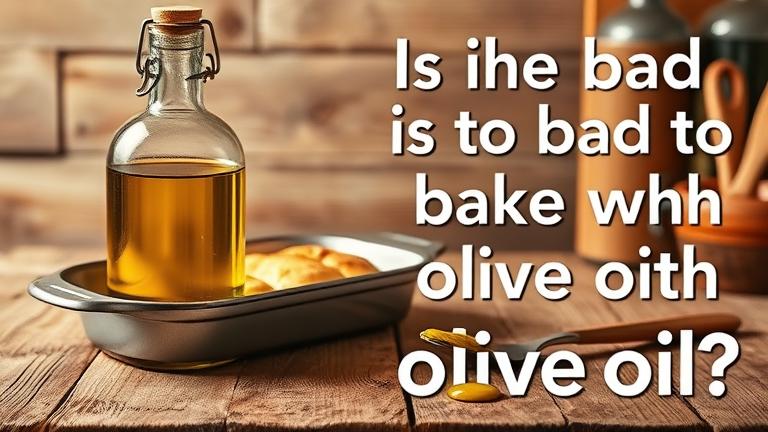
Is Olive Oil Safe for Baking?
Many home bakers love using olive oil in their recipes because of its rich flavor and health benefits. But when it comes to baking, some wonder if olive oil is safe and how it compares to other fats. The good news is that olive oil is generally safe to use in baking. It can add moisture, depth of flavor, and healthy fats to your baked goods.
Olive oil is a natural product made from pressed olives. It is rich in monounsaturated fats, which are considered heart-healthy. However, because olive oil contains fats, it can oxidize at high temperatures. Oxidation is a process where fats break down and form compounds that may be harmful if consumed in large amounts regularly. That said, choosing the right type of olive oil and using it properly will help ensure safety and preserve its health benefits.
Types of Olive Oil and Their Uses
- Extra virgin olive oil: This is the highest quality olive oil. It is made from cold pressing and retains the most flavor and nutrients. It has a low smoke point, generally around 375°F (190°C), making it ideal for baking and low to medium heat cooking.
- Virgin olive oil: Slightly lower in quality than extra virgin, with a similar but less intense flavor. It also works well for most baking needs.
- Pure or refined olive oil: This oil has been refined to remove impurities. It has a higher smoke point, around 410°F (210°C), and is suitable for baking and frying.
Safety Tips for Baking with Olive Oil
- Use moderate heat: Keep baking temperatures below the smoke point of your olive oil type. For most baked goods, this means baking at temperatures under 375°F (190°C). Higher temperatures may cause the oil to break down and generate harmful compounds.
- Choose high-quality olive oil: The fresher and purer the oil, the safer and more flavorful your baked goods will be. Avoid using expired or rancid olive oil, as it may contain oxidized fats.
- Store properly: Keep olive oil in a cool, dark place away from direct sunlight. Proper storage slows oxidation and helps maintain safety and flavor.
- Avoid reusing used olive oil: Reusing olive oil that has already been heated or used in frying can increase the risk of harmful compounds. Use fresh oil for baking for best safety and taste.
Health Considerations
In most baking situations, using olive oil is safe and can be beneficial. It provides healthy fats and antioxidants that may support heart health. However, since olive oil is calorie-dense, use it in moderation, especially if you’re watching your calorie intake.
People with allergies or sensitivities to olives should avoid olive oil. Also, those with specific medical conditions should consult their healthcare provider before making significant changes to their fat sources.
Common Mistakes to Avoid
- Using too much oil, which can make baked goods greasy and increase calorie content.
- Heating olive oil beyond its smoke point, leading to potential harmful compounds.
- Using low-quality, old, or rancid olive oil, which can affect flavor and safety.
In conclusion, olive oil is a safe and nutritious choice for baking when used correctly. Select the right type, keep the temperature in check, and store it properly. With these tips, you can enjoy delicious baked goods that are both tasty and good for your health.
Health Benefits of Baking with Olive Oil
Adding olive oil to your baked recipes is a simple way to boost both flavor and health. Olive oil is rich in healthy fats called monounsaturated fatty acids, which are good for your heart. Using it instead of butter or other fats can make your baked goods not only tastier but also more nutritious.
One of the top benefits of olive oil is its high level of antioxidants. These natural compounds help protect your cells from damage caused by free radicals. When you bake with olive oil, you’re including these antioxidants in your diet, which may help reduce inflammation and lower the risk of chronic illnesses.
Heart Health
Olive oil is a key component of the heart-healthy Mediterranean diet. Its monounsaturated fats can help lower bad cholesterol levels while maintaining good cholesterol. This balance supports better cardiovascular health over time. Swapping butter or margarine for olive oil in muffins, bread, or cookies is a simple change that can contribute to healthier arteries.
Nutrient Absorption
Some nutrients, like vitamins A, D, E, and K, are fat-soluble. This means your body absorbs them more effectively when combined with healthy fats like those in olive oil. When you bake with olive oil, you help your body get the most out of these essential nutrients in other ingredients like vegetables or fortified flours.
Anti-Inflammatory Effects
Many compounds in olive oil, such as polyphenols and oleocanthal, have anti-inflammatory properties. Regularly baking with olive oil may help reduce inflammation in your body, which is linked to conditions like arthritis and certain chronic diseases. Incorporating olive oil into recipes like muffins, granola bars, or bread can be a tasty way to support your health.
Better Digestion
Olive oil also aids digestion by stimulating the production of bile, which helps break down fats. This can make baked goods with olive oil easier on your stomach. Plus, its healthy fats promote a feeling of fullness, which may help control appetite and support weight management.
Practical Tips for Baking with Olive Oil
- Choose extra virgin olive oil for the highest antioxidant content and flavor.
- Use it in recipes that benefit from a mild, fruity flavor, like quick breads, muffins, or cookies.
- Replace half or all of the butter or margarine called for in a recipe with olive oil for added health benefits.
- Store olive oil in a cool, dark place to keep it fresh longer.
- Watch out for overly high baking temperatures, as excessive heat can degrade some of olive oil’s beneficial compounds.
Incorporating olive oil into your baking routine is a simple way to enjoy its delicious flavor and health advantages. Over time, these small choices can add up to better heart health, enhanced nutrient absorption, and a more balanced diet. So next time you bake, reach for that bottle of extra virgin olive oil and enjoy the benefits it brings to your baking and your well-being.
Best Types of Olive Oil for Baking
When it comes to baking, choosing the right olive oil can make a difference in the flavor and texture of your treats. Olive oil is a versatile ingredient that adds richness and moisture to baked goods. There are mainly two types of olive oil suitable for baking: extra virgin olive oil and refined olive oil. Knowing the differences will help you pick the best one for your recipes.
Extra virgin olive oil is made from the first cold pressing of olives. It is the highest quality olive oil, known for its robust flavor and rich aroma. This type is perfect for baked goods where you want to add a fruity, slightly peppery note. Use extra virgin olive oil in recipes like muffins, bread, and cookies where its flavor can shine through. It also contains more antioxidants and nutrients, making your baked treats not just tasty but also more nutritious.
Refined olive oil, on the other hand, has undergone additional processing to remove impurities and strong flavors. Its taste is milder, and it has a higher smoke point, meaning it can handle higher temperatures without burning. Refined olive oil is ideal for baking at high heat, such as roasting bread or making certain cake batters where a subtle flavor is preferred. It also tends to be less expensive, making it a practical choice for everyday baking.
So, how do you choose the best olive oil for baking? Here are a few tips:
- For recipes where flavor is important, like a rustic bread or a lemon cake, go with extra virgin olive oil. It adds depth and a special touch.
- If you prefer a more neutral flavor or are baking at very high temperatures, refined olive oil works well without overpowering the other ingredients.
- Check the smoke point: extra virgin olive oil has a smoke point of around 375°F (190°C), while refined olive oil can go higher, around 465°F (240°C). This is useful if your recipe involves baking or roasting at high temps.
Here’s a quick comparison:
| Type of Olive Oil | Flavor | Processing | Best for |
|---|---|---|---|
| Extra Virgin | Rich, fruity, slightly peppery | First cold press only | Flavorful baked goods, dressings, drizzling |
| Refined | Mild, neutral | Further processed to remove flavors | High-temperature baking, everyday cooking |
Keep in mind that storing olive oil properly is key. Store it in a cool, dark place away from heat and light to preserve its quality. Whether you choose extra virgin or refined, olive oil is a healthy, flavorful addition to your baking pantry. Experiment with both to find what suits your recipes best and enjoy the delicious results.
Olive Oil vs. Other Baking Oils
When it comes to baking, choosing the right oil can make a big difference in flavor and texture. Olive oil is a popular choice, but there are other common options like canola oil, vegetable oil, and butter. Understanding the differences can help you pick the best for your recipes.
Olive oil is known for its rich, fruity flavor. It adds a nice depth to baked goods, especially in bread, muffins, or cakes that benefit from a slight tang. Extra virgin olive oil, which is less processed, has a stronger flavor. Light olive oil has a milder taste and a higher smoke point, making it more versatile for baking.
Canola oil is a neutral-tasting oil that doesn’t compete with other flavors. It’s light, mild, and has a high smoke point, so it’s great for cookies, brownies, and cakes. Because it doesn’t add much flavor, it works well when you want the other ingredients to shine. Canola oil is also low in saturated fat and high in heart-healthy omega-3 fats.
Vegetable oil is similar to canola but often a blend of oils, like soybean or sunflower oil. It’s inexpensive and has a neutral flavor. It’s a good all-around choice if you don’t want your baked goods to have a noticeable oil flavor. Keep in mind that some vegetable oils may contain trans fats if they are partially hydrogenated, so check the label if you’re concerned about health.
Butter is a dairy product that adds a rich, creamy flavor to baked goods. It also contributes to a tender crumb because of its fat content. Butter can be used for many baked items like cookies, scones, and pie crusts. Keep in mind that butter has a lower smoke point than oils, so be cautious when baking at very high temperatures. Using melted butter can add moisture and flavor, but if you want a softer texture, consider creaming it with sugar first.
Health-wise, olive oil offers heart-healthy monounsaturated fats and contains antioxidants, which can be beneficial when used in moderation. Canola and vegetable oils tend to be lower in saturated fat but may contain more omega-6 fatty acids, which some people prefer to limit. Butter has saturated fat but also provides fat-soluble vitamins and valuable flavor.
Cooking properties also matter. Oils with high smoke points, like canola and light olive oil, are less likely to burn during baking. Oils with strong flavors, like extra virgin olive oil, are best used in recipes where their taste can complement the dish. Butter’s flavor is excellent in many baked goods but may require adjustments for vegan or dairy-free diets.
| Oil/Fat | Flavor | Smoke Point | Best Use in Baking |
|---|---|---|---|
| Extra Virgin Olive Oil | Fruity, robust | 375°F (190°C) | Breads, muffins, flavorful cakes |
| Light Olive Oil | Mild, neutral | 465°F (240°C) | Cookies, quick breads |
| Canola Oil | Neutral | 400°F (204°C) | Cakes, brownies, muffins |
| Vegetable Oil | Neutral | 400-450°F (204-232°C) | General baking |
| Butter | Rich, creamy | 350°F (177°C) | Cookies, scones, pie crusts |
How Olive Oil Affects Flavors
Olive oil plays a significant role in shaping the flavor profile of baked goods. When you add olive oil to your recipes, it brings a rich, fruity note that can enhance the overall taste. Unlike butter, which adds a creamy richness, olive oil introduces a depth of flavor that can range from grassy and peppery to mild and buttery, depending on the type of oil used.
Using olive oil in baking can also influence the texture. It tends to produce moist, tender baked goods because of its healthy fats. The flavor it imparts can vary based on the quality and variety of the oil. Extra virgin olive oil, for example, often offers more intense fruity and peppery notes, perfect for adding complexity to simple cakes and bread. Refined olive oils have a milder taste, suitable when you want the oil to act more as a fat than a flavor component.
How Olive Oil Impacts Different Baked Goods
In bread baking, olive oil can contribute to a softer crumb and a subtle aroma that complements herbs or garlic. When baking muffins or quick breads, a splash of olive oil adds moisture and sophistication without overpowering the sweet or savory ingredients.
In cookies and bars, olive oil can create a unique flavor twist, especially when paired with citrus zest or herbs. For cakes, especially olive oil cakes, the oil adds moistness and a gentle fruitiness that pairs well with nuts, berries, and other fresh ingredients.
Tips for Pairing Olive Oil with Ingredients
- Match flavor intensity: Use mild olive oil with delicate baked goods like vanilla or lemon cakes, and reserve robust, peppery oils for hearty breads or savory pastries.
- Complement ingredients: Olive oil works beautifully with ingredients like garlic, herbs, citrus, almonds, and berries. Pairing these with the right olive oil enhances their natural flavors.
- Experiment with ratios: Start with a small amount when trying a new recipe. Olive oil can be quite prominent, so adjusting the quantity helps balance the flavor.
Common Mistakes to Avoid
- Overpowering the flavor by using too much strong olive oil, especially in light, airy baked goods.
- Skipping quality checks: using cheap or old olive oil can result in dull or rancid flavors, ruining your baked treats.
- Ignoring pairing principles: pairing a strong-flavored olive oil with mild ingredients can make the oil too dominant, overshadowing other flavors in your baked goods.
Practical Tips for Incorporating Olive Oil
When substituting olive oil for butter, use about 3/4 of the amount called for in your recipe since oil is liquid and butter contains water. Consider adding a pinch of salt or a splash of citrus to accentuate the oil’s fruity notes. Lastly, taste and adjust the amount based on your preferences and the specific flavors you want to highlight.
Common Mistakes in Olive Oil Baking
Using olive oil in baking can add a rich, savory flavor to your treats, but it also comes with some common pitfalls. Many home bakers encounter issues because they don’t quite get the hang of how to best incorporate olive oil into their recipes. Knowing these mistakes can help you avoid turnouts that fall flat or taste off.
The first mistake is using the wrong type of olive oil. Not all olive oils are created equal for baking. Extra virgin olive oil, which is cold-pressed and minimally processed, has a bold flavor and a thicker texture. While it’s great for drizzling and finishing dishes, it can sometimes overpower baked goods, especially if used in large quantities. For baking, a milder or light olive oil is often a better choice because it provides the benefits without dominating the flavor. Be sure to check the label and choose an oil suited for baking purposes.
Another frequent error involves the quantity of olive oil used. Adding too much or too little can throw off the recipe’s balance. Using too much olive oil can result in dense, greasy baked goods, while too little may cause the texture to be dry or crumbly. A good rule of thumb is to follow the recipe’s measurement closely. Often, recipes designed for butter need adjustments to work well with oil, so pay attention if you’re substituting one for the other.
Temperature control is also important. Olive oil has a lower smoke point compared to other oils, meaning it can start to smoke and flavor can deteriorate when heated above certain temperatures. When baking at high heat, such as in bread or cake recipes, be mindful of the oven temperature. Using olive oil at moderate temperatures (generally below 375°F or 190°C) helps maintain its flavor and prevents the oil from breaking down, which can give your baked goods a bitter taste.
Mixing techniques matter too. Olive oil should be well incorporated into your batter or dough. If added unevenly, it can create pockets of oil or cause the mixture to separate. To avoid this, whisk the oil thoroughly with wet ingredients before combining with dry ingredients. This ensures an even distribution and a better texture overall.
Storage is a subtle but common mistake. Olive oil loses its freshness over time when exposed to light, heat, and air. If your oil has gone rancid, it will affect both the flavor and the quality of your baked goods. Store olive oil in a dark, airtight container in a cool, dark place. Using fresh, high-quality olive oil ensures your baked items taste their best.
Lastly, don’t forget that olive oil can subtly influence the flavor of baked goods. Some bakers make the mistake of using a strongly flavored oil in delicate recipes. If you’re baking a subtle cake or cookies and want the olive oil to shine through, a mild variety is best. For more robust, savory recipes like bread or focaccia, a stronger flavor can complement the dish perfectly.
- Choose the right type of olive oil for baking: mild or light varieties are often best.
- Measure carefully to avoid greasy or crumbly textures.
- Mind the temperature to prevent smoking and flavor degradation.
- Mix the oil thoroughly into wet ingredients for even distribution.
- Store olive oil properly to keep it fresh and flavorful.
- Match the flavor strength of the oil to the recipe’s delicacy or robustness.
By being aware of these common mistakes and how to avoid them, you’ll be well on your way to baking with olive oil confidently. It’s a versatile ingredient that, when used correctly, can elevate your baked goods with both flavor and health benefits.
Nutritional Perks of Olive Oil Baking
Using olive oil in baking offers many health benefits that can enhance your diet. Unlike some fats, extra virgin olive oil is rich in healthy monounsaturated fats, which are good for your heart and overall wellness. Incorporating olive oil into baked goods can make your treats not only delicious but also a nutritious choice.
One of the key advantages of olive oil is its high content of antioxidants. These compounds help fight free radicals in your body, which can reduce inflammation and lower the risk of chronic illnesses like heart disease and certain types of cancer. When you bake with olive oil, you add a boost of these protective antioxidants to your meals.
Olive oil also contains beneficial plant compounds such as polyphenols. These natural substances have anti-inflammatory properties and support healthy blood vessels. Including olive oil in your baking can promote better circulation and heart health over time.
Another important benefit is how olive oil can help with weight management. Because it is a healthy fat, it can increase feelings of fullness and satiety after eating. This means you might be less likely to overeat or snack unnecessarily. Plus, replacing saturated fats like butter or margarine with olive oil can reduce calorie intake when used in moderation.
For those watching their cholesterol levels, baking with olive oil is a smart move. It can help increase your good cholesterol (HDL) while lowering bad cholesterol (LDL). Over time, this balance supports your cardiovascular health and keeps your arteries clear.
Adding olive oil to your baked goods also offers practical benefits. It can improve the texture, making cakes, muffins, and bread moist and tender. Unlike butter, it won’t create a greasy feeling and can make baked items last longer without going stale quickly.
Here are some practical tips for baking with olive oil:
- Use high-quality extra virgin olive oil for the best flavor and health benefits.
- Replace butter or other oils gradually to get used to the taste and texture.
- Dark bottles help preserve olive oil’s nutrients, so store it in a cool, dark place.
- Balance your overall diet by including plenty of fruits, vegetables, and whole grains along with olive oil baked goods.
In summary, baking with olive oil can make your foods healthier while adding a lovely flavor. It supports your heart, helps manage weight, and supplies antioxidants that boost your overall health. Next time you bake, consider substituting olive oil for less healthy fats for a tasty and nutritious result.