
Introduction to Deer Kielbasa
Deer kielbasa is a tasty and unique type of sausage made from ground venison, or deer meat. It combines the rich, lean flavors of game meat with the traditional spices used in Polish and Eastern European sausages. This makes it a popular choice for those who enjoy exploring different flavors and game meats in their cooking.
Originally, kielbasa is a term for various sausages from Poland, often made with pork. Over time, chefs and hunters adapted the recipe to include venison, creating deer kielbasa. Its natural lean quality helps keep it healthy, while the spices add a smoky, savory flavor that appeals to many home cooks.
One of the reasons deer kielbasa is so loved is because it offers a good balance between flavor and texture. The ground venison provides a firm, tender bite, and when combined with fat and seasonings, it turns into a juicy sausage. Because deer meat is often lean, adding some pork fat or pork belly in the recipe improves the flavor and keeps the sausage moist during cooking.
Deer kielbasa is also incredibly versatile. You can grill it, pan-fry slices, or cook it in stews or soups. It pairs well with traditional sides like sauerkraut, mustard, and rye bread. Making your own deer kielbasa at home is a rewarding experience that allows you to customize the spice levels and ingredients to suit your taste.
Aside from its delicious taste, deer kielbasa is a great way to use game meat that might otherwise go to waste. It’s a smart choice for hunters who want to enjoy their harvest in a new and exciting way. Whether you’re an experienced home cook or just starting out, deer kielbasa is a fun and satisfying project that can bring a burst of flavor to your meals.
Preparing Deer Kielbasa for Cooking
Getting your deer kielbasa ready before cooking is an important step to ensure it tastes great and is safe to eat. Deer kielbasa is flavorful and versatile, but proper preparation helps bring out its best qualities. Whether you’re cooking it on the stove, grill, or oven, taking a few simple steps can make a big difference.
The first thing to check is whether your deer kielbasa is frozen or fresh. If it’s frozen, you’ll need to thaw it safely before cooking. Frozen kielbasa should be moved from the freezer to the refrigerator and left to thaw overnight. This gradual thawing maintains good texture and keeps the meat safe from bacteria. If you’re in a hurry, you can also thaw it in a sealed plastic bag submerged in cold water, changing the water every 30 minutes until the sausage is soft.
Once your deer kielbasa is thawed or if you already have fresh sausage, the next step is to prepare it for cooking. Start by removing the packaging carefully. If your kielbasa has a natural or artificial casing, decide whether to cook it in the casing or remove it beforehand. Cooking in the casing helps keep the sausage juicy and intact, but some people prefer to peel it off for specific recipes like sliced stir-fries or grilled pieces.
To slice the kielbasa, lay it flat on a cutting board. Use a sharp knife to cut the sausage into even pieces, about half an inch thick. Uniform slices cook more evenly and look appealing on your plate. If you’re planning to grill or fry the sausage in pieces, this step makes cooking more manageable.
For extra flavor, consider marinating the slices before cooking. A simple marinade of olive oil, garlic, and herbs can enhance the taste. Allow the slices to sit in the marinade for 15 to 30 minutes in the refrigerator. Remember, marinating is optional but adds a nice touch if you want more flavor.
Before cooking, it’s wise to check the temperature. Deer kielbasa should reach an internal temperature of 160°F (70°C) to ensure it’s fully cooked and safe. Use a meat thermometer inserted into the thickest part of the sausage to check this. Always cook until you reach this temperature to avoid any food safety issues.
Finally, have all your cooking tools ready. Whether you’re grilling, pan-frying, or baking, make sure your equipment is preheated and clean. This makes the process smoother and helps you achieve an even, delicious result.
- Keep thawed deer kielbasa refrigerated if not cooking immediately.
- Remove casing if you prefer grilled or sliced recipes.
- Use a sharp knife for clean, even slices.
- Always check internal temperature for safety.
- Marinating enhances flavor but is optional.
By following these simple preparation steps, you can enjoy flavorful and safely cooked deer kielbasa that’s ready to impress at any meal.
Best Cooking Methods for Deer Kielbasa
Cooking deer kielbasa can be simple and delicious if you choose the right method. Whether you want it crispy, smoky, or tender, there are several ways to prepare this flavorful sausage. Each technique offers a different texture and taste, so you can pick the best method based on your preference and the equipment you have at home.
Grilling Deer Kielbasa
Grilling gives deer kielbasa a nice smoky flavor and a slightly charred exterior. To get started, preheat your grill to medium-high heat.
Place the kielbasa links on the grill, turning occasionally to prevent burning. Cook for about 8-10 minutes until they develop a golden-brown color and are heated through.
Use tongs to turn the sausages so each side gets charred evenly. You can cut the kielbasa into smaller pieces before grilling if you want them easier to handle or serve as skewers.
- Don’t pierce the sausage with a fork, as it releases flavorful juices.
- Consider brushing with a little oil or marinade for extra flavor.
- Use a meat thermometer to ensure they reach an internal temperature of 160°F for safety.
Boiling Deer Kielbasa
Boiling is a gentle method perfect for making the sausage tender and juicy. This technique works well if you’re planning to serve the kielbasa in a stew or with sauerkraut.
Start by filling a pot with enough water to cover the sausages. Bring the water to a boil, then reduce to a simmer. Add the deer kielbasa and cook for about 10-15 minutes until heated through.
- Don’t boil vigorously, which can cause the sausage casing to burst.
- Adding herbs or spices to the water can infuse extra flavor.
- Once cooked, you can serve them as is or sauté them lightly for some color.
Pan-Frying Deer Kielbasa
Pan-frying is quick and creates a crispy exterior that many enjoy. Use a skillet or frying pan over medium heat, adding a small amount of oil or butter to prevent sticking.
Place the sausages in the pan and cook for about 5-7 minutes, turning regularly to brown all sides evenly. When they’re heated through and browned, they’re ready to serve.
- Don’t overcrowd the pan; cook in batches if needed.
- Check for doneness with a meat thermometer or by cutting into one to ensure juices run clear.
- For extra flavor, add sliced onions or peppers to the pan.
Baking Deer Kielbasa
Baking is a hands-off method that yields evenly cooked sausage with less mess. Preheat your oven to 375°F. Arrange the deer kielbasa on a baking sheet lined with foil or parchment paper.
Bake for about 20-25 minutes, turning halfway through, until they’re browned and hot all the way through. Baked kielbasa is great for feeding a crowd or preparing in advance.
- For added flavor, brush with barbecue sauce or glaze during the last 5 minutes.
- Use a meat thermometer to verify an internal temperature of 160°F.
- Let the sausages rest for a few minutes before serving for maximum juiciness.
Choosing the best cooking method depends on what you’re craving. Grilling adds smoky flavor and char, boiling keeps it tender, pan-frying offers crispiness, and baking is convenient for larger quantities. Experiment with these techniques and find your favorite way to enjoy deer kielbasa.
Flavor Ideas and Seasoning Tips
Deer kielbasa is a versatile sausage that can be transformed with the right seasonings and flavor combinations. Whether you enjoy it smoky, spicy, sweet, or savory, there are plenty of ways to enhance its natural flavors. The key is to experiment with different herbs, spices, marinades, and complementary ingredients to find your perfect match.
Start by thinking about the flavor profile you want. For a smoky taste, consider adding ingredients like smoked paprika, cumin, or a splash of liquid smoke. If you prefer a spicy kick, cayenne pepper, crushed red pepper flakes, or hot sauce can do wonders. For a touch of sweetness, try honey, maple syrup, or brown sugar, which balance the savory flavors beautifully.
Marinades are a great way to infuse deer kielbasa with extra flavor. A simple marinade might include olive oil, garlic, mustard, and a splash of apple cider vinegar. Let the kielbasa soak in the mixture for at least an hour, or overnight if you have the time. This helps tenderize the sausage and enhances its taste.
Seasoning Blends to Try
- Herb & Garlic: Mix minced garlic, dried thyme, rosemary, and black pepper.
- Spicy Southwest: Combine cumin, chili powder, paprika, and a pinch of cayenne.
- Sweet & Savory: Use brown sugar, smoked paprika, and a dash of cinnamon.
- English Style: Add Dijon mustard, sage, and black pepper for a classic flavor.
Additionally, complementary ingredients like onions, bell peppers, or apples can be cooked alongside the kielbasa. These add layers of flavor and texture to your dish. For example, sautéed onions and peppers with slices of deer kielbasa make a hearty and flavorful meal.
Cooking Tips for Maximum Flavor
- Always season your sausage evenly and generously for the best taste.
- If grilling or pan-frying, cook over medium heat to develop a nice char without burning.
- Rest cooked kielbasa for a few minutes before slicing to help retain its juices.
- Try adding fresh herbs like parsley or chives at the end of cooking for a fresh burst of flavor.
- For an extra smoky aroma, finish your cooking with a quick splash of liquid smoke or smoke-infused wood chips if grilling.
Remember, flavor pairing is all about personal taste. Don’t hesitate to try different combinations and adjust seasonings to suit your preferences. With a little experimentation, you can turn deer kielbasa into a truly flavorful highlight of your meal.
Cooking Times and Safety Tips
Cooking deer kielbasa the right way is essential for both flavor and safety. Knowing the correct cooking times helps prevent undercooking, which can be unsafe, or overcooking, which can make the sausage dry and tough. In this section, you’ll find practical tips to cook your deer kielbasa perfectly every time.
Typically, deer kielbasa should be cooked until it reaches an internal temperature of 160°F (71°C). This temperature ensures that any harmful bacteria are killed, making the sausage safe to eat. Using a meat thermometer is the most reliable method to check doneness. Insert the thermometer into the thickest part of the sausage without touching the pan or grill surface for an accurate reading.
Cooking Methods and Times
| Method | Approximate Cooking Time | Notes |
|---|---|---|
| Grilling | 10-15 minutes | Preheat grill to medium. Turn sausages frequently for even cooking. |
| Pan-frying | 12-15 minutes | Cook over medium heat. Add a little oil if needed. Turn frequently. |
| Oven Baking | 20-25 minutes at 375°F (190°C) | Line a baking sheet with foil. Turn sausages halfway through. |
| Boiling | 10-12 minutes | Simmer in water just below boiling point. Do not overboil, or sausage can become mushy. |
Each method has its advantages. Grilling gives a nice smoky flavor but needs attentive turning. Pan-frying is quick and gives a crispy exterior. Oven baking is hands-off, ideal for many sausages at once. Boiling is often used to pre-cook or reheat sausages.
Safety Tips to Remember
- Always use a meat thermometer to check if the sausage has reached 160°F (71°C).
- Avoid partially cooking the sausage and then letting it sit out. Always finish cooking thoroughly.
- If you notice anything unusual, like a strange odor or slimy texture, discard the sausage.
- Store leftover cooked deer kielbasa in the refrigerator within two hours of cooking. Consume within 3-4 days for best quality and safety.
- Reheat leftovers to at least 165°F (74°C) before eating again.
By following these cooking times and safety tips, you can enjoy delicious and safe deer kielbasa every time. Remember, when in doubt, check the internal temperature, and don’t rush the process. Proper cooking not only ensures safety but also enhances flavor and texture.
Serving Suggestions and Recipes
Deer kielbasa is a flavorful, hearty sausage that tastes great in many dishes. Whether you’re grilling, baking, or serving it on the stove, there are plenty of ways to enjoy this wild game sausage. Here, you’ll find simple recipes and serving ideas to inspire your next meal.
First, consider how you want to serve the kielbasa. It can be enjoyed on its own, incorporated into a larger dish, or used as a topping. The key is to balance its robust flavor with complementary sides and garnishes. Let’s explore some tasty options to make your deer kielbasa the star of the plate.
Grilled Deer Kielbasa
One of the easiest and most popular ways to serve kielbasa is grilling. Preheat your grill to medium heat. Slice the sausage into thick rounds or leave it whole, depending on your preference. Brush with a little oil and grill for about 4-5 minutes per side until nicely charred and heated through.
Serve the grilled kielbasa with fresh mustard, a squeeze of lemon, or a drizzle of honey for a sweet and smoky flavor. It pairs well with grilled vegetables like peppers, onions, and zucchini. For a quick meal, toss the grilled sausage and veggies into a bread roll to make a hearty sandwich.
Baked Kielbasa with Vegetables
For an easy, all-in-one dish, try baking deer kielbasa with vegetables. Preheat your oven to 400°F (200°C). Slice the sausage into chunks and arrange on a baking sheet with chopped potatoes, carrots, and onions. Drizzle with olive oil, sprinkle with your favorite herbs, salt, and pepper.
Bake for about 20-25 minutes until the vegetables are tender and the sausage is slightly crispy. This dish works great with a side of crusty bread or over rice for a complete meal.
Stovetop Skillet Meal
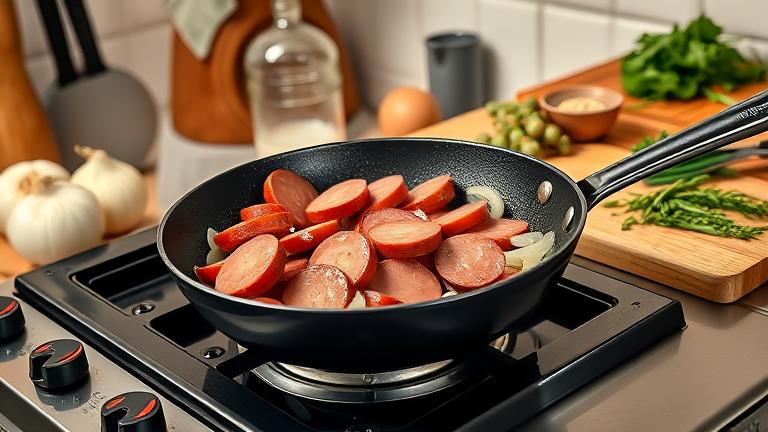
Heat a skillet over medium heat and add sliced deer kielbasa. Cook until browned, about 5 minutes. Add sliced peppers, onions, and garlic. Continue cooking until the vegetables soften and the sausage is cooked through. For extra flavor, add a splash of soy sauce or a dash of paprika.
This method creates a quick, satisfying dish perfect for weeknights. Serve over mashed potatoes, polenta, or noodles for a filling dinner.
Plating Ideas and Accompaniments
- Rustic Platter: Arrange sliced kielbasa on a wooden board with mustard, pickles, and fresh bread for a casual, shareable appetizer.
- Sauces and Condiments: Replaces plain mustard with spicy aioli, tangy sauerkraut, or apple chutney for added flavor.
- Side Dishes: Classic sides like roasted potatoes, sauerkraut, or a fresh green salad work beautifully. For a more hearty meal, add baked beans or hearty bread.
- Garnishes: Fresh herbs such as parsley or chives brighten the dish. A sprinkle of cracked black pepper and a squeeze of lemon also enhance the flavors.
Creative Serving Ideas
- Use kielbasa slices as toppings for baked potatoes or loaded nachos for a smoky twist.
- Stuff kielbasa into pita bread with vegetables and a creamy sauce for a quick wrap.
- Make a skillet hash with diced potatoes, onions, and kielbasa for breakfast or brunch.
With these versatile ideas, you can turn your deer kielbasa into many delicious meals. Feel free to experiment with your favorite flavors and sides to create the perfect plate. Remember, the key is balancing the rich sausage with fresh, crunchy, or tangy accompaniments for a well-rounded meal that everyone will enjoy.
Common Mistakes and How to Avoid Them
Cooking deer kielbasa can be easy and delicious, but there are a few common mistakes that can happen along the way. Knowing what to watch out for can help ensure your kielbasa turns out tender, flavorful, and just right every time. Here are some typical errors and simple tips to avoid them.
1. Overcooking or Undercooking
One of the most frequent mistakes is not getting the cooking just right. Overcooking can dry out the kielbasa, making it tough and less flavorful. On the other hand, undercooking may pose a food safety risk and leave the sausage unpleasantly raw inside.
To avoid this, always use a meat thermometer when cooking deer kielbasa. The internal temperature should reach 160°F (71°C). If you’re simmering or grilling, check the temperature in multiple spots. This helps ensure it’s perfectly cooked through and safe to eat.
2. Not Prepping the Sausage Properly
Skipping the right prep steps can lead to uneven cooking or bursting of the sausage skin. Many people forget to prick the kielbasa a few times before cooking or don’t score the casing. This allows excess steam to escape and prevents the sausage from bursting open.
Before cooking, use a fork or skewer to poke small holes in the sausage. If you’re frying or grilling, turning the kielbasa regularly also promotes even cooking. And, if boiling, consider bringing the water to a gentle simmer rather than a full rolling boil, which can be harsh on the casing.
3. Using Too High or Too Low Heat
The temperature of your cooking surface makes a big difference. Too high a heat on the grill or stovetop can burn the outside before the inside is cooked. Conversely, too low a heat might make the cook time unnecessarily long and can lead to an uneven cook.
Medium heat is usually best when frying or grilling deer kielbasa. This allows the outside to caramelize nicely while the inside reaches the right temperature. If boiling or simmering, keep the water at a gentle simmer rather than a rolling boil.
4. Ignoring Flavor Enhancements
Deer kielbasa can be flavorful on its own but adding herbs, spices, or a marinade can take it to the next level. A common mistake is serving it plain or overcooking it without extra flavor. Overcooked sausage can also become bland if it lacks seasoning.
Try adding garlic, paprika, or a splash of beer while cooking for added taste. Some cooks like to brush the sausage with a barbecue sauce during the last few minutes of grilling for a glossy, flavorful finish.
5. Not Allowing the Sausage to Rest
After cooking, rushing to cut into the deer kielbasa can cause the juices to escape, leaving it dry. A common mistake is to serve immediately without letting it rest.
Allow the kielbasa to sit for about five minutes after cooking, covered loosely with foil. This resting period helps lock in juices, making the meat tender and flavorful with every bite.
- Tip: Use a timer and meat thermometer for precise results.
- Tip: Practice gentle heat and monitor it closely to prevent burning or undercooking.
- Tip: Add herbs or marinades ahead of cooking for richer flavor.