
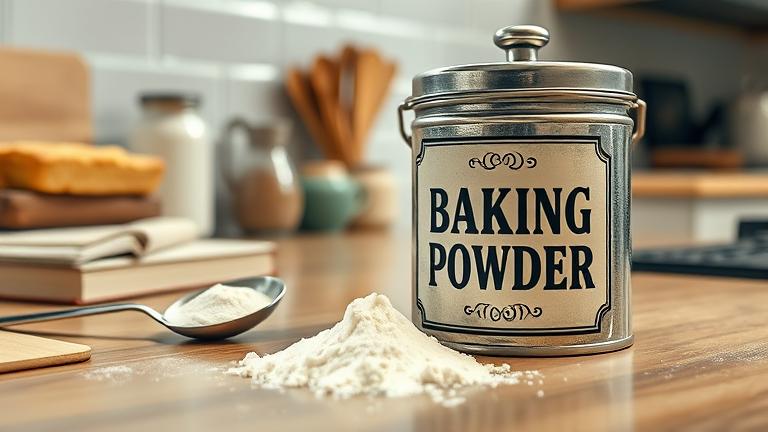
Introduction to Baking Powder
Baking powder is a common ingredient in many baking recipes. It is a leavening agent, which means it helps doughs and batters rise, creating light and fluffy baked goods. If you’ve ever made cakes, muffins, or some cookies, you have likely used baking powder without even realizing it.
Understanding what baking powder is and how it works can make your baking more successful. Baking powder contains a combination of an acid and a base. When it is mixed into a wet mixture, it produces carbon dioxide gas. This gas forms tiny bubbles in the dough or batter, causing it to expand and become airy.
There are two main types of baking powder: single-acting and double-acting. Single-acting baking powder reacts once when mixed with liquid. Double-acting baking powder reacts twice: once when mixed and again when heated in the oven. Most recipes use double-acting because it gives a more reliable rise.
Common Uses in Cooking and Baking
- Cakes: Baking powder is essential for creating soft, moist, and fluffy cakes. It helps the batter rise evenly, resulting in a light texture.
- Muffins and Quick Breads: These baked goods rely on baking powder for a quick rise since they do not need yeast.
- Pancakes and Waffles: The bubbles formed by baking powder make these breakfast favorites fluffy and airy.
- Scones and Biscuits: Baking powder helps these quick bread options be tender with a good rise.
Why It’s Important to Understand Baking Powder’s Safety
Using baking powder safely is important to avoid potential issues in your baking. Although it is generally safe when used correctly, overusing baking powder can cause a bitter taste or a soapy flavor in baked goods.
Always check the expiration date on your baking powder. Old or expired baking powder may not fizz properly, resulting in baked goods that fall flat. To test if your baking powder is still active, mix a teaspoon with hot water. If it bubbles vigorously, it’s good to use. If not, it’s time to get a fresh supply.
Store baking powder in a cool, dry place and keep it tightly sealed. Moisture and humidity can cause it to lose effectiveness. Always measure carefully, as too much baking powder can affect the taste and texture, while too little may make your baked goods dense and flat.
Practical Tips for Using Baking Powder
- Use the correct amount specified in the recipe. Usually, a teaspoon of baking powder is enough for most baked goods.
- Don’t substitute baking soda for baking powder without adjusting the recipe, as they are not interchangeable.
- Mix baking powder with dry ingredients first to ensure even distribution throughout your batter.
- Remember to bake your batter soon after mixing to enjoy the full leavening power of baking powder.
By knowing the basics about baking powder, you can improve your baking results and avoid common mistakes. It’s a small ingredient but makes a big difference in producing tasty, well-textured baked goods. Happy baking!
Understanding Allergic Reactions to Baking Powder
Baking powder is a common ingredient in many baked goods, helping them rise and become fluffy. However, for some people, certain ingredients in baking powder can trigger allergic reactions. Understanding these potential reactions can help you cook safely and avoid health issues.
Most baking powders contain a combination of baking soda, an acid like cream of tartar, and sometimes additional ingredients for flavor or stability. While these are generally safe for most people, those with food allergies or sensitivities may experience reactions. Common symptoms include itching, swelling, hives, stomach discomfort, or in severe cases, difficulty breathing.
Allergic responses happen when the immune system mistakenly identifies an ingredient in baking powder as harmful. This causes the immune system to release chemicals like histamine, leading to allergy symptoms. Recognizing the specific ingredients that may cause issues is key to avoiding reactions.
Key Ingredients That Can Cause Allergies
- Baking Soda (Sodium Bicarbonate) – Rarely causes allergies but some sensitive individuals might react.
- Cream of Tartar: Derived from grapes; people allergic to grapes or wine may react to it.
- Additional Additives: Some baking powders contain preservatives or anti-caking agents, which can be allergenic for sensitive individuals.
Because many baking powders are store-bought, reading labels is very important. Some brands add ingredients like aluminum compounds or artificial flavors that could trigger reactions in very sensitive people.
Signs and Symptoms of an Allergic Reaction
Allergic reactions can vary in severity. Mild symptoms include itching or skin hives and stomach discomfort. More serious reactions can involve swelling of the face, lips, or throat, and trouble breathing. If you or someone else experiences these severe symptoms, seek emergency medical help immediately.
Additionally, some reactions may be delayed, appearing several hours after eating baked goods containing baking powder. Keeping track of symptoms and ingredients can help you pinpoint allergies or sensitivities.
How to Minimize Risks
- Choose allergy-friendly baking powders: Look for products labeled free from common allergens, such as gluten-free or devoid of artificial additives.
- Read labels carefully: Always check ingredient lists on store-bought baking powders.
- Consider homemade alternatives: You can make your own baking powder using simply baking soda and cream of tartar in safe proportions.
- Test new products cautiously: If trying a new brand or type of baking powder, start with small amounts to see if symptoms occur.
If you suspect an allergy related to baking powder, consult a healthcare professional or allergist for testing and personalized advice. Being aware of ingredients and possible reactions can keep your baking safe and enjoyable.
Potential Side Effects of Excessive Consumption
While baking powder is a common ingredient in many baked goods, it’s important to use it in moderation. Eating too much baking powder can lead to several health issues that you should be aware of. Understanding these side effects can help you enjoy your recipes safely and avoid unwanted health problems.
One of the most common issues caused by consuming too much baking powder is digestive discomfort. Baking powder contains baking soda and acid salts, which can upset your stomach if taken in large amounts. You might experience feelings of bloating, nausea, or stomach cramps after eating too many baked treats with excessive baking powder. These symptoms are usually temporary but can be unpleasant.
More serious side effects can occur if baking powder is consumed in very high quantities over time. Baking powder contains sodium bicarbonate, which is a source of sodium. Eating large amounts can contribute to high blood pressure or swelling because of the excess salt. People on a low-sodium diet or with health conditions like hypertension should be especially cautious.
In rare cases, excessive baking powder intake can cause toxicity. This happens when the amount of baking powder significantly exceeds typical recipes, leading to an overdose of bicarbonate. Symptoms of bicarbonate overdose include muscle twitching, confusion, or even irregular heartbeat. Such cases are uncommon but highlight the importance of using baking powder as directed in recipes.
To help avoid these side effects, keep a few tips in mind:
- Always measure baking powder carefully and follow recipe instructions.
- Be mindful of your overall salt intake, especially if you use baking powder frequently.
- Limit the amount of baked goods with baking powder if you notice digestive issues.
- If you experience any unusual symptoms after baking or eating, consult a healthcare professional.
In general, using baking powder correctly in recipes is safe and effective. The key is moderation and attention to your body’s signals. By being aware of potential side effects, you can enjoy delicious baked treats without risking your health. Remember, safety first in the kitchen.
Contaminants and Adulterants in Baking Powder
Baking powder is a common ingredient in many baked goods, helping desserts rise and become fluffy. However, it’s important to be aware that some baking powders might contain contaminants or adulterants that could pose health risks. Knowing what to look for and how to choose quality products can keep your baking safe and delicious.
Contaminants are unwanted substances that can accidentally get into baking powder during manufacturing or packaging. Adulterants are substances added intentionally, often to increase volume or mimic quality, but they may not be safe. Both can affect the safety and taste of your baked treats.
Common Contaminants in Baking Powder
- Heavy Metals: Sometimes, impurities like arsenic, lead, or cadmium can be present due to contamination of the raw materials or manufacturing process. Chronic exposure to these metals can cause health issues over time.
- Microorganisms: Rare but possible, bacteria or molds can contaminate baking powder if it’s not stored properly or if packaging is compromised. These can lead to spoilage or food poisoning.
- Pesticide Residues: If raw ingredients aren’t thoroughly cleaned, pesticides might linger. While typically low, they can accumulate in contaminated products.
Common Adulterants in Baking Powder
- Industrial Fillers: Sometimes, inexpensive fillers like chalk powder or talc are added to increase weight. These are not meant for human consumption and can be harmful if ingested.
- Chemical Mimics: Certain cheap substitutes may include incorrect chemical compounds that mimic baking powder but could be unsafe or less effective.
How to Identify Quality Baking Powder
Since contaminants and adulterants might not be visible, choosing trusted brands is key. Look for packaging that is sealed tightly without damage or tampering. Check the label for quality certifications from reputable authorities.
In addition, observe the appearance and smell of the baking powder. High-quality baking powder should be dry, fine, and have a neutral smell. If it smells unusual or off, it could be contaminated or adulterated.
Testing Your Baking Powder at Home
- Leak Test: Mix a teaspoon of baking powder with a small amount of vinegar or lemon juice. It should fizz vigorously if fresh and pure. Weak or no fizz might indicate altered or adulterated powder.
- Visual Inspection: Check for discoloration, clumping, or particles that shouldn’t be there.
Tips for Safe Buying
- Purchase from reputable stores and brands known for quality control.
- Look for expiration dates and avoid products past their best-by date.
- If possible, choose organic or certified products that follow strict safety standards.
Final Advice
Keeping your baking ingredients safe starts with awareness. Always store baking powder in a cool, dry place to prevent moisture that can promote microbial growth. When in doubt about the safety of a product, it’s better to select a new, trusted package. By staying informed and choosing quality brands, you can enjoy your baking confidently and safely.
Safe Usage Guidelines
Using baking powder correctly in your recipes is important for both the best results and your health. Baking powder is a common leavening agent that helps baked goods rise, but improper use can lead to health concerns or less tasty treats. Here are some friendly and practical tips to ensure you’re using baking powder safely and effectively.
First, always check the expiration date before using baking powder. It loses its potency over time, which means your baked goods might not rise properly if it’s expired. To test if your baking powder is still active, mix a teaspoon with a few drops of vinegar or water. If it bubbles vigorously, it’s good to go. If not, it’s time to get a fresh batch.
Measuring Baking Powder Correctly
For accurate results and safety, measure baking powder carefully. Use a standard measuring spoon and level it off with a straight edge. Too much baking powder can cause your baked goods to rise rapidly and then collapse, leading to flat or dense textures. It can also give baked goods a bitter taste if used excessively.
- Tip: Avoid scooping baking powder directly from the container with a spoon or your hand. This can introduce moisture and cause clumping. Instead, use a dry measuring spoon and level it off.
Proper Storage
Store baking powder in a cool, dry place away from humidity, heat, or sunlight. Keep the container tightly closed to prevent moisture from getting in. Moisture can activate the baking powder prematurely, reducing its effectiveness when you need it.
- Tip: Consider storing baking powder with silica gel packets or in an airtight container to keep it dry.
Using Baking Powder Safely in Recipes
Follow the recipe measurements carefully. Using too much baking powder can cause the batter to overflow in the oven, creating a mess and potentially unhealthy smoke or fumes. Using too little might result in dense or flat baked goods.
Always add baking powder at the right stage of your baking process. Typically, it is mixed with dry ingredients, then combined with wet ingredients. This ensures an even distribution and proper leavening.
If a recipe calls for baking powder, do not substitute it with baking soda unless the recipe specifically indicates so. Baking soda is much stronger and requires a different amount and acid to activate safely.
Health Considerations
While baking powder is generally safe, consuming large amounts regularly may cause health issues like stomach discomfort or electrolyte imbalance. Stick to the recommended quantities and avoid inhaling the powder directly, as it can irritate your respiratory system.
People with salt sensitivities should check the ingredients list, as some baking powders contain added sodium. If you need a low-sodium alternative, look for baking powders labeled as such or use cream of tartar in small amounts as a substitute.
Common Mistakes to Avoid
- Using expired baking powder
- Measuring inaccurately
- Adding baking powder directly from the package without measuring
- Storing baking powder in humid environments
- Replacing baking powder with baking soda without adjusting other ingredients
By following these friendly safety tips, you’ll enjoy perfectly risen and tasty baked goods without health worries. Remember, proper measurement, storage, and handling are your best tools for safe and successful baking.
When to Seek Medical Advice
If you’ve used baking powder and start noticing unusual symptoms or reactions, it’s important to know when to seek help from a healthcare professional. While baking powder is generally safe when used in recipes, sometimes people can have reactions or issues that require medical attention.
First, pay attention if you experience symptoms like difficulty breathing, swelling of the face or throat, or a rash after using baking powder. These signs could indicate an allergic reaction, which needs prompt medical care. Allergies to ingredients in baking powder, such as sodium bicarbonate or added fillers, are rare but possible.
Another situation to watch for is if you feel very sick, get persistent nausea, or experience severe stomach pain after ingesting baked goods containing baking powder. While minor discomfort can be common, ongoing or intense symptoms shouldn’t be ignored. They might suggest an upset stomach, indigestion, or a more serious reaction.
In some cases, accidental ingestion of large amounts of baking powder can cause health problems. For example, swallowing a spoonful of baking powder directly can lead to stomach upset or even more serious effects like electrolyte imbalance. If this happens, seek medical advice immediately or go to the emergency room.
Also, if you notice skin irritation or burns after handling baking powder, especially if it’s in concentrated form or comes into contact with sensitive areas, consult a healthcare professional. Sometimes, the chemical can cause irritation, and proper treatment or advice might be needed.
Regardless of symptoms, if you have underlying health conditions such as asthma, allergies, or digestive issues, it’s a good idea to consult your doctor if you suspect an adverse reaction from baking powder. Your healthcare provider can give tailored advice and help you determine if further testing or treatment is necessary.
- Always read labels carefully, especially if you have known allergies or sensitivities.
- Keep baking powder out of reach of children to prevent accidental ingestion.
- If you’re unsure whether your symptoms are related to baking powder, it’s better to be cautious and seek advice.
In summary, seek medical advice if you experience signs of allergies, severe reactions, or any persistent or unusual symptoms after using baking powder. Prompt attention can prevent complications and ensure your health remains safe.
Conclusion and Final Recommendations
Using baking powder correctly can make a big difference in the outcome of your baked goods. Remember, it’s a leavening agent that helps your cakes, muffins, and biscuits rise, giving them lightness and fluffiness. But, like any ingredient, it needs to be used in the right way for the best results.
One key point is to measure baking powder carefully. Too much can cause a bitter taste or a collapse in your baked item, while too little might make your treats flat. Using the correct amount, usually a teaspoon per cup of flour, helps ensure your baked goods rise properly without any off-flavors.
Safety is also important. Baking powder contains ingredients that react quickly when wet and heated. Keep it in a cool, dry place to prevent clumping or losing its potency. Always check the expiration date before using it, as expired baking powder won’t work effectively and can affect your baking results.
Many bakers sometimes wonder if they can substitute baking soda for baking powder. Remember, they are not interchangeable because baking soda needs an acid to activate. If you only have baking soda, you’ll need to add an acid like lemon juice or vinegar to get a similar rise, but this can change the flavor of your baked goods.
Another tip is to avoid using too much baking powder at once. Adding a little at a time and mixing well ensures even distribution throughout your batter. This helps the dough or batter rise uniformly, preventing dense spots or uneven baking.
For best results, combine baking powder with fresh ingredients and proper mixing techniques. Overmixing can develop gluten in some recipes, which might make baked goods tough. Mix just until ingredients are combined, then bake promptly to catch the leavening action at its peak.
In summary, moderation is key when using baking powder. Using the right amount, storing it properly, and paying attention to freshness can greatly improve your baking. Follow these simple safety tips and measurement guidelines for consistently good results in the kitchen.
- Check expiration dates regularly and store baking powder in a cool, dry place.
- Use the correct measuring tools for accuracy.
- Follow recipes carefully—don’t guess the amount needed.
- If substituting with baking soda, add an acid to activate it.
- Avoid overmixing batter to keep baked goods tender and light.