
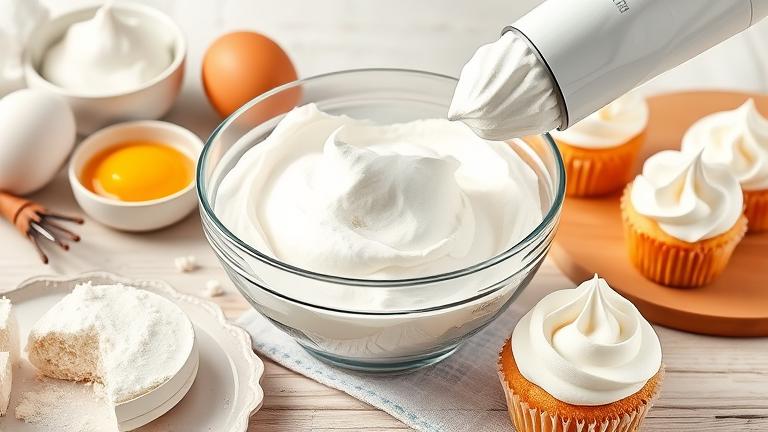
Introduction to Meringue Powder: The Baking Essential
Meringue powder is a fundamental ingredient in the world of baking, particularly when it comes to creating light, fluffy desserts. This versatile powder primarily consists of dried egg whites that are processed into a fine, white form, making it easy to incorporate into a variety of recipes. When combined with sugar, meringue powder forms a stable meringue that is ideal for frosting, decorations, and confections like marshmallows.
One of the main reasons meringue powder is regarded as a crucial baking ingredient is its shelf stability. Unlike fresh egg whites, which can spoil or become stained, meringue powder can be stored for long periods without refrigeration. This makes it a convenient and reliable choice for bakers who want consistent results every time.
Furthermore, meringue powder contains proteins and stabilizers that help create stiff, airy peaks—a key characteristic in many desserts. Its ability to hold air and give structure facilitates the making of royal icing, meringues, and even certain pastries. Due to these properties, it has become an indispensable ingredient in many baking adventures.
Creative Recipes Featuring Meringue Powder
The versatility of meringue powder extends far beyond simple frosting. It is a key ingredient in creative recipes that add elegance and texture to desserts. For example, royal icing, which is perfect for decorating cookies and cakes, relies on meringue powder for its glossy, hard finish that can withstand handling and transportation.
Other popular confections like marshmallows incorporate meringue powder to achieve their signature fluffy and chewy consistency. Similarly, light meringue-based cookies or pavlovas showcase how this ingredient can elevate delicate desserts.
For bakers interested in experimenting, the YouTube video below offers excellent tips on using meringue powder for various decorating techniques. It demonstrates how to achieve perfect peaks and patterns, making it a valuable resource for both beginners and experienced decorators.
Beyond traditional uses, meringue powder can inspire innovative creations like layered mousse desserts, airy soufflés, and intricate sugar sculptures. Its ability to stabilize whipped ingredients allows bakers to push boundaries and craft visually stunning, structurally sound confections.
Historical Roots and Traditional Uses
Meringue powder has a rich history rooted in its origins as a dried egg white product designed for baking and decoration. Initially created as a practical alternative to fresh egg whites, it offered bakers a product with a longer shelf life and easier handling. This innovation revolutionized baking practices, especially in Europe and North America.
Traditional uses of meringue powder have been passed down through generations. It became an essential ingredient in making royal icing, which dates back to the 18th century, and was used extensively to decorate cookies, pastries, and celebratory cakes. The commercial production of meringue powder began in the early 20th century, significantly improving its availability and ease of use.
Today, meringue powder continues to be a favorite among bakers for its reliability and ability to produce consistent, high-quality results. It preserves culinary traditions while enabling modern baking innovations. Its role in creating beautiful, intricate decorations and staple confections highlights its enduring significance in the baking world.
Ingredients and Measurements: How to Use Meringue Powder Perfectly
Using meringue powder accurately is key to achieving optimal results in baking and decorating. Typically, one tablespoon of meringue powder is equivalent to one egg white, making it a convenient substitute in recipes. This standard measurement simplifies conversions and provides consistency across baking sessions.
Before incorporating meringue powder into recipes, it is advisable to sift it with powdered sugar or flour. Sifting helps prevent clumping, ensuring even distribution within your mixture. When making royal icing or meringue, gradually add the powder to dry ingredients to promote smooth mixing.
To enhance stability, a pinch of cream of tartar or a few drops of lemon juice can be added. These acids help stabilize the protein structure in the egg whites, allowing for stiffer peaks and a longer-lasting hold. During preparation, gently fold whipped egg whites into dry ingredients without overmixing to maintain the volume and lightness of the meringue.
Decorating with Meringue Powder: Techniques and Tips
Decorating with meringue powder offers bakers the means to create stunning, durable designs that maintain their shape over time. Its stabilizing properties make it ideal for piping intricate flowers, borders, and figures on cakes and pastries. The smooth, glossy finish provided by meringue icing makes baked goods visually appealing and professional-looking.
Achieving perfect decorations involves adding the right amount of liquid and sugar to the meringue mixture. Beating the mixture until stiff peaks form ensures that the icing is firm enough to hold intricate shapes. Incorporating a small pinch of cream of tartar or lemon juice enhances the structure and volume, making piping easier and more precise.
Proper decorating techniques include using piping bags fitted with various tips to create flowers, rosettes, or fine lines. Attention to ingredient ratios and consistent mixing times help ensure the decorations do not collapse or become runny. Bakemakers who follow these careful practices can craft beautiful, resilient decorations that elevate any cake or pastry presentation.