
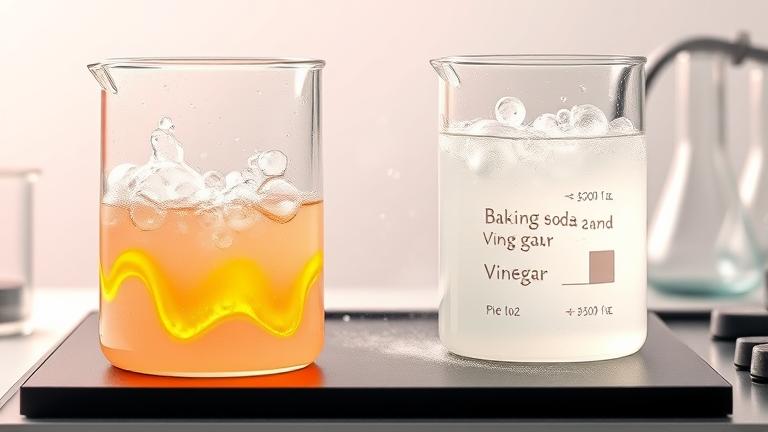
Introduction to Baking Soda and Vinegar Reactions
If you enjoy simple science experiments or are looking for effective cleaning tricks in your kitchen, understanding how baking soda and vinegar react is very useful. These two common household ingredients often work together in fun projects, homemade cleaners, and even some cooking techniques. Their reaction is classic, safe, and easy to observe, making it a great starting point for anyone curious about the science behind everyday kitchen activities.
Baking soda, which is also called sodium bicarbonate, is a soft white powder. Vinegar, on the other hand, is a sour liquid made from fermented alcohol, usually containing acetic acid. When you combine baking soda and vinegar, a chemical reaction occurs that creates bubbles and fizz. This reaction is what makes volcano projects and cleaning solutions so popular.
The basic process happens because baking soda and vinegar are chemical opposites. Baking soda is a base, and vinegar is an acid. When they come into contact, they react to neutralize each other. This reaction produces three main things: carbon dioxide gas, water, and a mild vinegar solution. The bubbling you see is the release of carbon dioxide gas, which forms bubbles and foam. This effect can be very vigorous or gentle depending on how much of each ingredient you use and how quickly they mix.
In practical terms, this reaction is used for several common purposes. For example, it helps with cleaning because the fizz can loosen dirt, grime, and soap scum. You might also use it to clear minor drain clogs or to freshen up your trash bin. Baking soda and vinegar are natural, inexpensive, and safe alternatives to many chemical cleaners, making them popular in eco-friendly homes.
One fun way to see this reaction in action is by making a small volcano or a bubbling science project. Just mix a spoonful of baking soda with a bit of vinegar in a container and watch it fizz. The more baking soda and vinegar you add, the more vigorous the reaction. Keep in mind that this process is temporary; once the baking soda is neutralized, the bubbling will slow down and stop.
It’s also helpful to understand what’s happening on a chemical level. When baking soda reacts with vinegar, the acetic acid combines with sodium bicarbonate to produce carbon dioxide gas. This gas creates the bubbles and foam that you see. The reaction can be summarized as follows:
| Chemical Reaction | Equation |
|---|---|
| Sodium bicarbonate reacts with acetic acid | NaHCO3 + CH3COOH → CO2 + H2O + sodium acetate |
This simple yet fascinating chemical process shows how ordinary ingredients can produce something entertaining and useful. Whether you are cleaning, playing, or exploring, knowing this basic science helps you be more confident using baking soda and vinegar in your home and projects.
The Chemistry Behind Heating Baking Soda and Vinegar
When you combine baking soda and vinegar, you create a fun fizzing reaction that many people use for science experiments or cleaning. But what really happens on the chemical level when you heat this mixture? Understanding the chemistry can help you use these ingredients more effectively in your kitchen and beyond.
Baking soda, which is also known as sodium bicarbonate, is a common household compound with the chemical formula NaHCO3. Vinegar is an acid, mainly composed of acetic acid (CH3COOH). When these two come into contact at room temperature, they immediately react to produce carbon dioxide gas, water, and a salt called sodium acetate. The reaction looks like this:
NaHCO3 + CH3COOH → CO2 + H2O + CH3COONa
Here, the carbon dioxide (CO2) forms bubbles, which is the fizz you see. This reaction is fast and releases energy as the chemical bonds break and form new ones. When you heat the mixture, the process speeds up and changes in interesting ways.
Energy Dynamics and Reaction Changes with Heating
Heating the mixture gives more energy to the molecules involved. This extra energy makes the molecules move faster, which can increase the reaction rate. It also causes some of the reaction components, especially the baking soda, to decompose further.
When baking soda is heated alone to high temperatures, around 80°C (176°F), it begins to break down directly into sodium carbonate, carbon dioxide, and water. This process is called thermal decomposition and looks like this:
2 NaHCO3 rarr; Na2CO3 + CO2 + H2O
In a heated vinegar and baking soda mixture, this decomposition adds more CO2 to the bubbling action, making the reaction more vigorous. The heat accelerates the release of CO2, which can help in applications like cleaning or in baking where the puffing-up effect is desired.
Practical Tips for Heating Baking Soda and Vinegar
- Always add vinegar to baking soda in a safe container, preferably outdoors or in a well-ventilated area, because gases can build up rapidly.
- Heat gently at first; sudden, intense heat can cause splattering or overflowing.
- Use a heat-resistant container, like glass or metal, to prevent breakage.
- Remember that the reaction produces carbon dioxide gas, so avoid sealing the container tightly during heating to prevent pressure buildup.
- Heating enhances certain processes like cleaning, where the increased reaction speed helps lift grime or loosen debris more effectively.
Understanding the chemistry behind heating baking soda and vinegar reveals how energy and reactions work together. Whether you’re bubbling up a science project or boosting your cleaning routine, knowing these processes helps you use the ingredients safely and effectively.
What Causes the Bubbles When Heated?
When you see bubbles forming in a pot or a pan as you heat your food or liquid, it means something interesting is happening underneath the surface. These bubbles are usually caused by gases escaping and reactions speeding up due to heat. Understanding why this happens can help you better control your cooking and avoid common mistakes.
Most often, bubbles are a sign that water or another liquid is reaching its boiling point. As you heat, the temperature rises, and the molecules in the liquid move faster. Eventually, they gain enough energy to turn into vapor and escape as bubbles. Think of it as tiny steam clouds forming and rising to the surface.
But bubbles aren’t just about boiling water. In many other foods, bubbling indicates chemical reactions or gas release. For example, when baking bread, yeast produces carbon dioxide gas, which creates bubbles and makes the dough rise. Similarly, when cooking certain vegetables, heat can cause cell walls to break down, releasing gases trapped inside, leading to bubbling.
Here’s a simple breakdown of what causes bubbles during heating:
- Gas release from liquids: As liquids heat up, dissolved gases like air or carbon dioxide come out of solution. This process is similar to opening a soda bottle and seeing bubbles form. When the liquid reaches the boiling point, these gases escape more rapidly.
- Formation of vapor bubbles: When the temperature hits the boiling point of the liquid (for water, 212°F or 100°C at sea level), bubbles of vapor form inside the liquid and rise to the surface. This is the classic bubbling of boiling water.
- Chemical reactions: Sometimes, heating triggers reactions that produce gases. For example, when cooking certain foods with leavening agents like baking soda or baking powder, they release carbon dioxide, creating bubbles that help baked goods rise.
It’s important to note that not all bubbles are a sign of boiling. Sometimes you see small bubbles forming below the surface before reaching the boiling point. These are often just dissolved gases escaping as the temperature increases.
Additionally, the size and number of bubbles can give you clues about what’s happening. Tiny, steady bubbles usually indicate gradual gas release, while large, vigorous bubbles show active boiling or rapid gas production.
Keep in mind that if bubbles form too early or too vigorously, it might cause messes or uneven cooking. For example, boiling over happens when bubbles escape too quickly and spill over the sides. To prevent this, you can adjust the heat or use a larger pot.
In summary, bubbling during heating is mainly caused by gases escaping from liquids and reactions accelerating due to heat. Recognizing these signs helps you manage the cooking process better and often predicts how your dish will turn out. So next time you see bubbles forming, you’ll know exactly what’s happening behind the scenes!
Changes in Gas Production and Volume
When you heat a reaction that produces gases, you might notice that the amount and space these gases occupy can change a lot. Understanding how heating affects gas production and volume helps you get better results in cooking and baking.
First, let’s talk about gas production. Many chemical reactions or cooking processes release gases like carbon dioxide, oxygen, or steam. When you heat these reactions, they often produce more gases or the gases become easier to release. For example, when baking bread, heating causes the yeast to produce carbon dioxide. This gas makes the dough rise and creates that fluffy texture. As the temperature increases, more gas is generated, which pushes the dough up and helps it expand.
Now, consider the volume of these gases. Gases tend to expand when heated. This means that as you increase the temperature, the space they take up grows. If you heat a sealed container of gas, you might see it swell or even burst if there’s no way for the gas to escape. In cooking, this is why steam and bubbles are so important—they help food rise and become light.
To explain how temperature influences gas volume, think about the gas laws — specifically, Charles’s Law. It states that at constant pressure, the volume of a gas increases directly with temperature. So, if you double the temperature in Kelvin (the absolute temperature scale), the gas volume roughly doubles. While you don’t need to do the math when cooking, it gives a good idea of why gases expand when heated.
It’s also helpful to understand that when gases are heated, they behave differently depending on the environment. In open air, expanding gases can escape easily, so you might see bubbles or rising steam. In a sealed container, the pressure increases as the gas expands unless the container has a way to release the extra pressure.
Remember, controlling heat carefully can help you manage gas production. For example, in baking, too high a temperature can produce rapid gas expansion and cause the dough or batter to burst or turn out dense. On the other hand, gentle heating encourages slow gas formation, leading to better texture and rise.
Be aware of common mistakes—such as heating too quickly, which can cause uneven rising or blowouts. It’s best to heat food gradually to allow gases to develop evenly. Also, avoid opening a hot, sealed container suddenly; the rapid release of pressurized gases can be dangerous.
In summary, heating makes gases produce more and expand more. This change in gas volume is crucial in many cooking processes like baking, fermenting, and even making whipped cream. By understanding how temperature affects gas behavior, you can better control your cooking results and prevent mishaps in the kitchen.
Effects of Heat on the Reaction Speed
When you mix baking soda and vinegar, a fun and fizzy chemical reaction happens. This reaction releases carbon dioxide gas, causing lively bubbles. Many home cooks wonder how adding heat might change this reaction. The good news is that heat can actually make the reaction happen faster, but there are some tips and details to keep in mind.
In general, increasing the temperature speeds up chemical reactions. This is because heat gives particles more energy, making them move faster. When baking soda (sodium bicarbonate) and vinegar (acetic acid) come into contact, their molecules collide more frequently and with greater force at higher temperatures. This means the reaction produces carbon dioxide gas more quickly.
How Temperature Affects Reaction Rate
- At room temperature: The reaction starts as soon as baking soda meets vinegar, and it lasts a few seconds to a minute. It’s easy to see the fizzing action without extra heat.
- When heated gently: Warming the vinegar or baking soda mixture makes the bubbles form faster. For example, if you warm the vinegar slightly before mixing, the reaction will be quicker and more vigorous.
- Too much heat: Be careful not to overheat the mixture. Boiling vinegar or baking soda can cause splashes and might reduce the reaction’s effectiveness because extreme heat can sometimes break down the reactants or produce unwanted side effects.
Practical Tips for Using Heat
- Warm the vinegar slightly by placing it in a warm water bath or microwave for a few seconds. Avoid boiling it, as this can be dangerous and messy.
- Test with small amounts first to see how heat influences the fizzing. This helps prevent spills or overreaction.
- Make sure your container can handle the bubbling action. Using a larger or taller container can prevent splashes from foam or overflow.
- If you’re doing an experiment or science project, recording the time it takes for the fizzing to stop at different temperatures is a good way to see the effect clearly.
Common Mistakes to Watch Out For
- Adding boiling vinegar directly onto baking soda can cause intense fizzing and splashes. Always warm vinegar gently instead.
- Overheating the mixture might slow down the reaction or cause some of the reactants to break down, decreasing the fizzing effect.
- Don’t forget safety: Use heat-resistant gloves and eye protection if heating the liquids, especially when working with higher temperatures.
Summary
In short, heat generally makes the baking soda and vinegar reaction faster because it energizes the molecules and speeds up their collisions. Gentle warming can increase fizzing and make the reaction more vigorous. Just be cautious with the temperature so you don’t cause splashes or reduce the reaction’s effectiveness. Whether you’re doing a science experiment or just having fun in the kitchen, understanding how heat influences this reaction is both practical and interesting.
Common Mistakes When Heating the Mixture
When working with baking soda and vinegar, heating the mixture can create exciting reactions, but it’s important to do it safely and correctly. Often, home cooks and beginners make mistakes that can affect the results or even cause accidents. Knowing these common errors can help you avoid problems and enjoy your experiments safely.
One common mistake is overheating the mixture too quickly. When you heat baking soda and vinegar, the reaction releases carbon dioxide gas, which causes bubbling and fizzing. If you apply high heat all at once, the reaction can become vigorous and unpredictable. This might cause the mixture to spill over or create a mess. To prevent this, heat the mixture slowly and gently, using a low to medium flame or heat setting. This ensures better control and a safer reaction.
Another mistake is using a container that is too small or not heatproof. When the reaction occurs, the bubbling can be intense, and a small or flimsy container might not handle the pressure. Always use a heat-resistant glass or metal container that’s large enough for the bubbling to happen without overflowing. This reduces the risk of burns or messes.
Many people forget to add the vinegar first before heating. The vinegar acts as a base for the baking soda and reaction. If you heat the mixture before adding vinegar, you won’t get the desired fizz or reaction. Always add the vinegar to the baking soda before heating. This order produces a controlled reaction and cleaner results.
It’s also a mistake to leave the mixture unattended while heating. The reaction can happen quickly, and if it gets too vigorous, it might lead to spills or even accidents. Keep an eye on the process, and always stay nearby. If the mixture starts boiling or spilling over, turn off the heat immediately.
- Tip: Use a thermometer to monitor the temperature if you want to heat it precisely. Usually, a gentle warming to just above room temperature is enough for most experiments.
- Tip: Always perform heating in a well-ventilated area. The heating of vinegar can release fumes, and extra ventilation keeps the air fresh and safe.
- Tip: Keep a fire extinguisher or baking soda nearby. If the mixture gets out of control, you’ll want to act quickly and effectively.
Lastly, never seal the container tightly while heating. Built-up gas pressure can cause the container to burst unexpectedly, creating a safety hazard. Always leave some space for gases to escape and ensure the container is loose-fitting or open during heating.
By avoiding these common mistakes, you can have a safe, fun, and successful experiment with heating your baking soda and vinegar mixture. Remember, patience and caution are key to enjoying science safely at home.
Safe Tips for Experimenting at Home
Trying out experiments with baking soda and vinegar can be a fun way to learn about chemical reactions and have some household science fun. But it’s important to keep safety in mind to ensure everyone stays safe and the experience stays enjoyable.
When working with heated baking soda and vinegar, a little planning goes a long way. These tips will help you do your experiments safely, avoiding common mistakes and accidents.
1. Prepare Your Space
Choose a well-ventilated area, like a kitchen or outdoor space, where you can easily contain any mess or fumes. Cover surfaces with newspaper or plastic sheets to catch spills or splashes. Keep your workspace clutter-free so you don’t accidentally knock over containers or spill hot mixtures.
Have everything you need within reach before starting and clear away items that could be damaged or cause accidents.
2. Use Appropriate Containers
For heating baking soda, use heat-resistant containers such as metal pans or glass that can withstand high temperatures. Avoid using plastic, as it can melt or release harmful fumes when heated.
Make sure your containers are stable and sit flat on the surface. Never heat materials in containers that are not designed for high temperatures.
3. Handle Heat Carefully
If you’re heating baking soda, do so slowly and carefully. Use tongs or heat-resistant gloves to handle hot containers or items. Always keep a safe distance to avoid splashes or steam burns.
Never leave heated baking soda unattended — it can change quickly. Remember to turn off the heat or remove from heat source once your experiment is complete.
4. Control the Reaction
Vinegar and baking soda produce carbon dioxide gas rapidly, which can cause bubbling over. To prevent spills, add vinegar to baking soda gradually, especially during heated reactions. Do a small test first to see how vigorous the reaction will be.
If you’re heating, add the baking soda to vinegar in a deep container to give the gases room to escape without overflowing.
5. Wear Safe Clothing and gear
Protect your skin and eyes by wearing safety goggles and gloves, especially when handling hot substances or vigorous reactions. An apron is also useful to keep clothing clean from spills.
Never look directly into a reaction or place your face close to the bubbling mixture. Reactions can sometimes release unexpected splashes or fumes.
6. Store and Dispose Responsibly
When your experiment ends, let the mixture cool before disposing of it down the drain with plenty of water. Avoid pouring hot or concentrated solutions into sinks that might be sensitive to acids.
If you have leftover baking soda, storing it in a sealed container prevents accidental reactions later. Keep all chemicals out of reach of children and pets.
7. Know When to Stop
If at any point something seems unsafe — like excessive smoke, strong fumes, or unstable reaction — stop immediately. Ventilate the area and remove yourself from the fumes.
If a spill or splash occurs, wash the area with soap and water right away. If any chemical gets in your eyes or skin, rinse thoroughly and seek medical help if needed.
- Remember, safety always comes first, even when experimenting for fun.
- Start small and slow to understand the reaction’s behavior.
- Supervise children closely during all experiments involving heat or chemicals.
By following these simple tips, you can safely enjoy exploring the exciting reactions of baking soda and vinegar at home. Happy experimenting!