
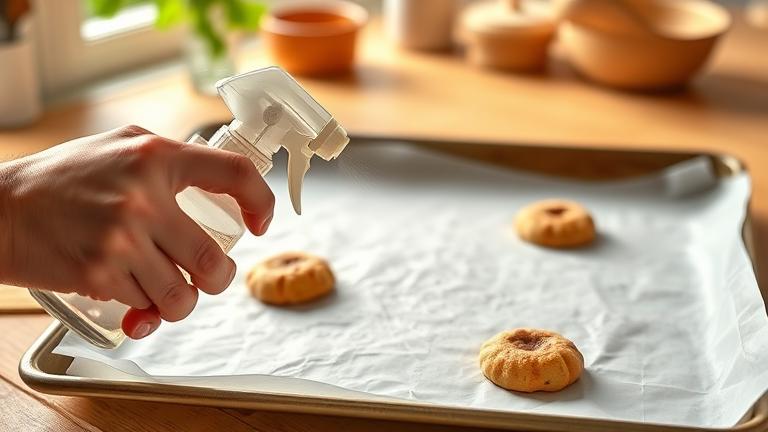
Do You Need to Spray Parchment Paper?
When baking cookies, roasting vegetables, or preparing other baked goods, you might wonder if you should spray parchment paper with cooking spray beforehand. The good news is that, generally, you do not need to spray parchment paper before baking. Parchment paper is designed to be non-stick on its own, making it a handy tool for many recipes.
Using parchment paper without spraying can help you achieve even baking and easy cleanup. It prevents food from sticking and allows baked items to slide off easily. Most commercial parchment papers have a silicone coating that provides a natural non-stick surface. Because of this, adding extra oil or spray isn’t usually necessary, especially with standard recipes like cookies or roasted veggies.
When Might You Want to Spray Parchment?
- Sticky or delicate items: If you’re baking something with a sticky batter, like blondies or fruit bars, lightly spraying the parchment can make removal easier. It also helps for delicate baked goods that might stick if they are fragile or moist.
- High sugar content: Recipes with a lot of sugar or caramel, such as caramelized nuts or sticky toffee treats, might benefit from a quick spray. It can minimize the risk of sticking due to sugary syrups or caramelization.
- Preventing scorching: Sometimes, spraying oil on the parchment paper can help prevent the edges from browning too quickly, especially in recipes that need long baking times.
Tips for Using Parchment Paper Effectively
- For most baking, you can skip the spray altogether. Just cut your parchment to size, line your baking sheet, and proceed.
- If you decide to spray, use a light, even coat of a neutral oil such as vegetable or canola spray. Too much oil can cause uneven browning or make the food greasy.
- Remember that some non-stick sprays contain additives that might affect the flavor or appearance of certain baked goods. Check your spray’s ingredients if you’re concerned.
Common Mistakes to Avoid
- Spraying too much oil, which can make your baked goods greasy or cause excessive browning.
- Not cutting the parchment paper correctly or placing it unevenly on the baking sheet, which can cause it to curl or slide.
- Using parchment paper in a microwave without checking the manufacturer’s instructions, as some are not microwave-safe.
In most cases, you’ll find that parchment paper works best when used as is for easy release and clean-up. Remember, a quick spray is optional and mainly helpful for specific recipes or personal preferences. Experiment a little to see what works best for your baking style.
When to Use Non-Stick Parchment
Using non-stick parchment paper can make your baking much easier and less messy. It’s especially helpful when baking items that tend to stick to your pans, like cookies, pastries, or delicate fish fillets. Knowing the right times to use parchment ensures your baked goods come out cleanly and your pans stay in good shape.
One of the most common times to reach for non-stick parchment is when baking cookies. Cookies often stick to baking sheets, especially if they are soft or if you’re using a new or unseasoned pan. Lining your sheet with parchment provides a smooth surface that prevents sticking and promotes even baking. Plus, it makes cleanup faster because you won’t need to scrub off baked-on residue.
Parchment is also great for cooking foods that can stick to pans, like roasted vegetables or fish fillets. When you line a baking dish or sheet, the food releases more easily after cooking. This is particularly useful for foods with delicate texture, such as meringue or sponge cakes. With parchment, you won’t risk tearing your baked goods trying to lift them off.
Another excellent use is when preparing sticky or sugary items, such as caramel, fruit fillings, or bread dough that tends to stick. Lining your surfaces or baking pans with parchment helps you handle these sticky mixtures without mess and makes cleaning up a breeze.
Parchment paper is also handy for making DIY en papillote recipes. This is when you wrap fish, vegetables, or chicken in parchment to cook by steaming inside the pouch. It creates a sealed environment that locks in moisture and flavors. In this case, non-stick parchment prevents the food from sticking to the wrapper and makes opening the pouch easier when it’s done.
Tips for Using Non-Stick Parchment Effectively
- Always use fresh parchment paper if your sheets are old or greasy. Old parchment can become less non-stick over time.
- Trim the parchment to fit your baking pan or sheet for better coverage and easier handling.
- For added non-stick power, lightly spray the parchment with non-stick cooking spray before placing your food on it.
- Be cautious when using parchment in broiler settings, as some types are not heat-safe above certain temperatures.
In summary, non-stick parchment paper is your best friend for tasks where sticking might ruin your baked goods or cause a mess. Whether baking cookies, roasting vegetables, or making delicate fish en papillote, using parchment ensures your food releases easily and your cleanup is quick. Keep some handy and choose the right occasions to get the most benefit out of this versatile kitchen tool.
How to Prevent Sticking in Baking
Baking can be fun, but dealing with items that stick to the baking surface can be frustrating. Whether you’re working with cookies, cakes, or bread, preventing sticking is key to achieving perfect results. The good news is that with a few simple techniques, you can keep your baked goods slipping right off every time.
One of the easiest ways to prevent sticking is to use the right baking surface. Parchment paper is a popular choice because it creates a non-stick barrier between your baked item and the pan. Before placing your dough or batter, cut a piece of parchment to fit the bottom of your baking tray or pan. This is especially helpful for cookies or fragile items like meringues. For greasing, lightly butter or spray the pan before adding flour or powdered sugar, which also helps the baked goods release easily.
Using the Correct Materials
- Parchment paper: Ideal for cookies, bars, and delicate baked items. It protects the surface and prevents sticking without adding calories or extra fat.
- Silicone baking mats: Reusable mats that provide a non-stick surface for cookies and pastries. They are a great eco-friendly option and distribute heat evenly.
- Greasing and flouring: For pans that aren’t lined, grease with butter or oil, then dust lightly with flour or cocoa powder to create a barrier.
Tips for Preventing Sticking
- Allow baked items to cool: Let cookies or cakes cool in the pan for a few minutes before attempting to remove them. This helps them set and reduces the chance of breaking.
- Use the right amount of grease: Too much oil can make items greasy, but too little can cause sticking. Grease evenly and lightly for best results.
- Adjust your baking time: Overbaked goods tend to stick more because they may become dry or hard. Keep an eye on baking times, especially with new recipes or pans.
Common Mistakes to Avoid
- Skipping the preparation: Not lining or greasing the pan can lead to sticking, especially with sticky doughs like caramel or fruit jams.
- Using the wrong pan: Non-stick or well-seasoned pans help, but older or damaged pans might make sticking worse. Consider replacing worn-out surfaces.
- Handling baked goods too early: Trying to move them before they are cooled enough can cause sticking and breakage. Patience is key.
Extra Tips for Success
- Dust with powdered sugar or cocoa: For cookies that tend to stick, lightly dusting with powdered sugar or cocoa powder can help them slide off easily.
- Use a flexible spatula: For delicate baked items like tarts or cookies, a thin, flexible spatula can help lift them without tearing.
- Reheat stubborn items: Slightly warming a stuck item in the oven for a few minutes can sometimes loosen it, making removal easier.
By following these simple techniques and tips, your baked goods will come out cleanly and beautifully each time. Remember, a little preparation goes a long way to prevent sticking and ensure your baking success!
Best Practices for Parchment Use
Using parchment paper in baking can make your life much easier and help you achieve better results. It’s a versatile tool that prevents sticking, makes cleanup a breeze, and ensures even baking. To get the most out of parchment, it’s good to follow some simple best practices.
First, always start with the right size and quality of parchment paper. It should be slightly larger than your baking sheet or pan. You can trim it if needed, but having some extra around the edges helps prevent sticking and spills. Look for unbleached parchment if you prefer a more natural option, though bleached versions are also fine for most baking needs.
When it’s time to use parchment on your baking sheets, cut a piece to fit the bottom. You do not need to grease or oil the paper unless your recipe specifically asks for it. The parchment naturally creates a non-stick surface, so baked goods slide right off once they are cooled.
For even baking, lay the parchment flat on the tray and smooth out any wrinkles. Wrinkles can cause uneven heat distribution, which might lead to uneven baking or browning. If you are baking cookies or pastries, you can gently press the parchment down so it lies flat against the surface.
Another tip is to reuse parchment paper when it’s not too soiled. For instance, you can use the same sheet a few times for cookies or savory roasting, as long as it’s clean and free of burnt bits. However, replace it if it becomes torn, overly greasy, or charred.
When roasting vegetables or other foods directly on parchment, ensure your ingredients are spread out so they do not overlap excessively. Overcrowding can cause steaming rather than roasting, which might affect texture and flavor. Parchment can also handle a range of temperatures, typically up to 420 degrees Fahrenheit (215 degrees Celsius). Always check your oven’s maximum safe temperature before baking.
For recipes needing to lift baked items out of the pan, parchment makes it easy. Use it as a sling by lifting the edges once cooled. This technique is especially handy for delicate cakes or sticky bars. Just make sure to gently remove any excess crumbs or grease from the paper first to prevent sticking.
Be cautious about using parchment in broilers or on open flame. Most parchment papers are not flame-proof and can ignite at high temperatures. Always stick to baking oven temperatures and avoid directly exposing parchment to flames or heating elements.
- Use the correct size of parchment paper for your pan.
- Lay it flat and smooth before baking for even results.
- Reuse when clean and undamaged to save money and reduce waste.
- Avoid exposing parchment to direct flames or excessively high heat.
- Replace if torn, overly greasy, or charred for best results.
Alternatives to Spraying Parchment
If you’re trying to avoid spraying parchment paper, don’t worry — there are plenty of other ways to prevent sticking and achieve great baking results. Using alternatives can be just as effective and often healthier since you won’t need to add extra oils or sprays. Let’s look at some practical options you can use.
1. Use Silicone Baking Mats
Silicone baking mats are a popular reusable alternative to parchment paper. They are non-stick, durable, and heat-resistant, making them ideal for cookies, roasted vegetables, or even bread. Just place the mat on your baking sheet, and you’re ready to go. They’re easy to clean and will last for hundreds of uses, saving you money over time. Remember, silicone mats work best when used on flat, stable baking sheets.
2. Lightly Oil the Pan or Sheet
If you prefer a more traditional approach, lightly greasing your baking pan with a brush of oil or butter works well. Use a paper towel or a pastry brush for even coating. You don’t need much — just enough to create a thin barrier that keeps food from sticking. For easier cleanup, you can use a neutral-flavored oil like vegetable oil or canola oil. This method is especially good for baked goods that tend to stick, like brownies or cakes.
3. Use Non-Stick Bakeware
Investing in non-stick baking pans can eliminate the need for sprays or parchment altogether. These pans are coated with a silicone-based layer that prevents food from sticking. When using non-stick bakeware, you might still add a tiny bit of oil or butter for extra comfort, but often it’s not necessary. Just remember to handle non-stick pans gently to preserve their coating over time.
4. Dust with Flour or Cocoa Powder
This trick is especially useful for baked good batters like cake or bread. Before pouring the batter, sprinkle a light layer of flour or cocoa powder on the pan or parchment. Tap out the excess. This method creates a barrier that helps prevent sticking and adds a bit of flavor, particularly with cocoa powder. It’s simple, cheap, and effective for many recipes.
5. Use Aluminum Foil with Caution
As an alternative, aluminum foil can sometimes replace parchment. Lightly oil the foil before placing your food on it. However, be careful — foil can stick to certain foods, especially if not oiled properly or if cooking at very high temperatures. Also, avoid using foil for delicate baked goods where the foil might tear or disrupt the shaping of your food.
Extra Tips for Success
- Always preheat your oven before placing items on non-stick surfaces or mats for the best results.
- Wash reusable silicone mats with warm, soapy water to keep them in good condition.
- Test different options to see which works best for your favorite recipes.
Easy Baking Hacks with Parchment Paper
Parchment paper is a home baker’s best friend. It’s versatile, affordable, and makes baking much easier. Whether you’re baking cookies, roasting vegetables, or lining pans for cakes, there are many clever ways to use parchment paper to improve your baking experience.
Here are some simple and practical hacks that will save you time and help you get perfect results every time.
1. Prevent Sticking and Make Cleanup a Breeze
One of the top uses of parchment paper is to prevent foods from sticking. Line your baking sheets or cake pans with a sheet of parchment before adding dough or batter. This way, baked goods slide right off, and you won’t have to scrub stubborn residue afterward.
For cookies, cut parchment to size and place it on your baking sheet. This keeps the cookies from sticking and ensures even baking. After baking, simply lift the parchment and toss it out. No need to wash the pan thoroughly!
2. Make Perfectly Round Cookies or Discs
Want perfectly round cookies, pancakes, or pastry discs? Cut parchment paper into a circle with a template or using a cookie cutter as a guide. Pipe or spoon your batter onto this circle, then bake directly on the parchment. It helps in shaping and keeps the edges neat.
Once baked, slide the parchment onto a cooling rack for easy handling. This hack is especially useful for custom-shaped cookies or layered desserts.
3. Create a Non-Stick Surface for Easy Rolling
Rolling out dough on a floured surface can sometimes stick or be tricky to clean. Instead, place your dough between two sheets of parchment. Use a rolling pin on top, and your dough will stay in place.
This method also prevents messes and allows you to transfer delicate dough easily—just lift the top parchment and flip it onto your baking tray.
4. Freeze and Store for Convenience
Line a baking sheet with parchment and place small portions of dough or batter on top, spaced apart. Freeze them until solid, then transfer to a zip-top bag or container. These ready-to-bake portions save time later and prevent waste.
When you want fresh baked treats, just transfer a frozen portion onto a parchment-lined baking sheet and bake. No more rolling out dough from scratch each time!
5. Easy Lining for Roasting and Clean-Up
For roasting vegetables or meats, line your baking tray with parchment first. This catches drips and makes cleaning up way faster. It also prevents sticking, so your food comes out tender and intact.
After roasting, simply fold up the parchment and toss it. Your tray stays clean, and you minimize scrubbing chores.
6. Use as a Food Carrier or Folded Pouch
Parchment can be folded into small pouches for steaming or baking individual portions. Fill a pouch with seasoned vegetables, fish, or chicken, fold it tightly, and bake or steam. This is a great way to cook healthy, flavorful meals with minimal cleanup.
- Cut a large sheet of parchment into your desired shape or size.
- Add your ingredients in the center.
- Fold the parchment to encase the food completely.
- Seal the edges by folding over or crimping.
- Bake or steam as required.
- Tip: Use parchment scrolls for quick access to pre-cut sheets.
- Tip: Keep some parchment handy in the kitchen for any unexpected spills or quick fixes.
With these hacks, parchment paper becomes a powerful tool in your kitchen. It helps you bake more efficiently, reduces mess, and results in better-looking, tastier dishes. Now, you can focus more on your baking and less on cleanup or fussing over your ingredients!
Tips for Perfect Cookies and Baked Goods
Baking cookies and other baked treats can be so rewarding, especially when you get everything just right. Using parchment paper is a simple yet powerful trick to help you achieve bakery-quality results right at home. Here are some friendly and practical tips to make the most of parchment paper and ensure your baked goods turn out perfect every time.
Why Use Parchment Paper?
It creates a non-stick surface, which means your cookies won’t stick to the baking sheet. It also helps with even baking and makes cleanup much easier. Plus, parchment paper can help prevent burning on the bottoms of your cookies, ensuring they cook uniformly.
Choosing the Right Parchment Paper
- Look for unbleached parchment paper for a more natural option. It’s less processed and often environmentally friendly.
- Use heavy-duty parchment for recipes with higher fat or sugar content. It withstands higher temperatures without breaking down.
- Pre-cut sheets are great for convenience, but rolls give you more flexibility for sizes and shapes.
How to Use Parchment Paper Effectively
- Line your baking sheets with a single sheet of parchment paper, fitting it smoothly to prevent wrinkles that could cause uneven baking.
- For cookies that spread a lot, evenly space them on the parchment to allow room for expansion. This helps prevent sticking and makes handling easier.
- Use parchment paper for tasks like pouring, spreading, or even rolling out dough. It helps keep your workspace clean and dough from sticking.
Additional Tips for Baked Goods
- Always preheat your oven before baking, as a steady temperature is key to even results.
- Rotate your baking sheet halfway through the baking time. This ensures even browning, especially if your oven has hot spots.
- Keep an eye on your baked goods as they approach the end of baking time to avoid over-baking or burning the bottoms, even with parchment paper.
- Use a silicone spatula or a gentle hand to remove baked treats from the parchment, helping to keep them intact.
Common Mistakes to Avoid
- Skipping the parchment and using greasy or damp baking sheets, which can cause sticking.
- Cutting the parchment to the wrong size—make sure it covers the entire baking surface for best results.
- Overcrowding the baking sheet; give each cookie room to spread out evenly for better texture.
- Using parchment at temperatures higher than recommended, as it can scorch or become brittle. Check your parchment’s temperature limit before baking at high heat.
Storing and Reusing Parchment Paper
In many cases, you can reuse parchment paper if it’s not too greasy or stained. Let it cool completely before storing flat in a resealable bag or with other parchment sheets. If it’s heavily soiled or charred, it’s best to replace it to avoid burning or unwanted flavors in your baked goods.
With these friendly tips and an understanding of how to handle parchment paper effectively, you’ll be well on your way to baking flawless cookies and baked treats. Enjoy the process, and don’t be afraid to experiment slightly to find what works best in your kitchen!