
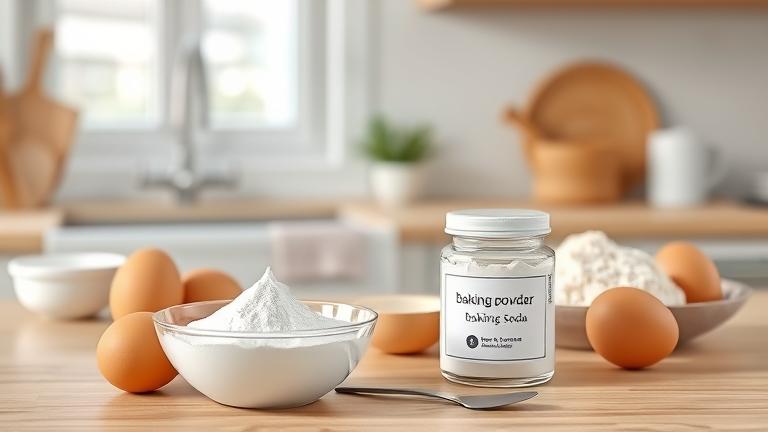
What Are Baking Powder and Baking Soda?
When you bake cookies, cakes, or muffins, you often see ingredients like baking powder and baking soda listed in the recipe. But what exactly are these ingredients, and how do they work? Understanding the difference between baking powder and baking soda is a key step for every home baker.
Both baking powder and baking soda are leavening agents. This means they help produce the bubbles of gas that make baked goods rise and become soft and fluffy. Without these ingredients, your baked treats might turn out flat and dense. However, they are not interchangeable because they react differently and are used in different situations.
What Is Baking Soda?
Baking soda is pure sodium bicarbonate, a chemical compound that acts as a leavening agent. When it reacts with moisture and an acid, it produces carbon dioxide gas. This gas forms tiny bubbles in your batter or dough, helping it expand and become light.
To get this reaction started, baking soda needs an acid like vinegar, lemon juice, buttermilk, or yogurt. That’s why recipes with baking soda often include something acidic. If you use baking soda without enough acid, your baked goods might have a soapy or metallic taste, and won’t rise properly.
What Is Baking Powder?
Baking powder contains baking soda but also includes an acid, usually cream of tartar, along with a moisture absorber like cornstarch. Since it already has an acid included, you don’t need to add one separately when using baking powder.
Baking powder is usually double-acting, meaning it releases gas in two phases: once when it’s mixed with wet ingredients and again when exposed to heat during baking. This makes it very convenient and reliable for recipes that don’t have other acidic ingredients.
Key Differences at a Glance
| Feature | Baking Soda | Baking Powder |
|---|---|---|
| Composition | Pure sodium bicarbonate | Sodium bicarbonate, acid, starch |
| Reaction | Reacts with acids, moisture, heat | Reacts with moisture and heat, usually double-acting |
| Use | Needs an acid in the recipe | Does not require additional acids |
| Common in recipes | Cookies, pretzels, recipes with acidic ingredients | Cakes, biscuits, quick bread |
Practical Tips
- Always measure baking soda and baking powder carefully. Too much of either can affect flavor and texture.
- If a recipe calls for baking soda but you only have baking powder, it may not work as well. Usually, you need about three times more baking powder than baking soda.
- Store baking powder and baking soda in a dry place, away from moisture. They lose their potency if exposed to humidity.
- If your baked goods aren’t rising well, check your expiration date. Old baking soda or powder won’t produce enough gas.
Knowing the roles of baking powder and baking soda helps you use them correctly and troubleshoot recipes. With this foundation, you’re ready to start experimenting and baking confident treats every time!
Are They Good or Bad for You?
Baking powder and baking soda are common ingredients found in many kitchens. They help your baked goods rise and become light and fluffy. But when it comes to health, many people wonder if these ingredients are good for you or best avoided.
Let’s start with baking soda. Its chemical name is sodium bicarbonate. It’s a natural substance that reacts with acids, like vinegar or lemon juice, to produce carbon dioxide bubbles. These bubbles help dough and batter expand during baking. In small amounts, baking soda is generally safe and can even have health benefits, such as neutralizing stomach acid and relieving indigestion.
However, consuming too much baking soda can cause problems. Because it is high in sodium, eating large amounts may increase your salt intake, which could raise blood pressure or cause water retention in some people. It’s especially important for those on a low-sodium diet to be cautious with the amount they use. Symptoms of too much baking soda consumption might include nausea, stomach pain, or even more serious issues like electrolyte imbalance.
Baking powder is a bit different. It contains baking soda plus other ingredients, often tartaric acid or sodium aluminum sulfate, which activate in the presence of moisture. This means you don’t need to add an acid separately when baking. Baking powder is usually safe when used in typical recipe amounts. Like baking soda, it provides sodium, so overdoing it can contribute to excessive salt intake.
Some misconceptions about baking soda and baking powder involve their detoxifying or medicinal uses. For example, some people believe baking soda can cure certain ailments or detoxify the body. While it may help temporarily relieve heartburn, consuming it in large quantities or regularly for health purposes is not recommended without medical advice. Excessive intake can disturb your body’s acid-base balance and lead to health issues.
Scientifically, both ingredients are safe when used properly in baking and cooking. They are recognized as safe by food authorities when used according to recipes. It’s best to use the amount specified in your recipe. If you have health conditions like high blood pressure, discuss with your doctor whether you should limit foods high in sodium, including baked goods with baking soda or baking powder.
In summary, baking soda and baking powder are generally good additions to your kitchen for baking. They are safe in small, culinary amounts. Just be mindful of how much you use, especially if you need to limit your salt intake. Avoid self-medicating or over-consuming them beyond what recipes call for, as that can cause health problems. When used properly, they are more helpful than harmful in making your baked treats fluffy and delicious.
How Do They Impact Your Health?
Baking powder and baking soda are common leavening agents used in baking to make your baked goods rise and become fluffy. While they are safe for most people when used properly, understanding their effects on health can help you use them more wisely in your kitchen.
Both baking soda and baking powder are alkaline substances that react with acids to produce carbon dioxide gas. This gas creates the bubbles that help bread, cakes, and muffins expand. But consuming too much of either can lead to some health issues, so it’s good to know how they work and what to watch out for.
Baking Soda and Your Health
Baking soda is pure sodium bicarbonate. When you use a small amount in recipes, it’s generally safe. However, because it’s high in sodium, eating large quantities can increase blood pressure or cause swelling and discomfort. People on a low-sodium diet should be careful and use it sparingly.
Beyond the sodium concern, overuse of baking soda can lead to stomach upset, including nausea or gas. These reactions happen because baking soda neutralizes stomach acid, which can interfere with digestion if taken excessively. Some people also use baking soda as an antacid for occasional indigestion, but this should be done with caution and not as a regular remedy without consulting a doctor.
Baking Powder and Its Effects
Baking powder contains baking soda along with acids like cream of tartar. Since it includes acids, it reacts quickly when mixed with wet ingredients. While it’s generally considered safe when used in typical amounts, consuming large quantities may cause bloating, gas, or stomach discomfort due to the release of carbon dioxide gas.
Some baking powders contain added aluminum compounds. For most people, this is not a concern, but those sensitive to aluminum or seeking to avoid it should check labels carefully. Consuming small amounts of aluminum from baked goods is unlikely to harm, but excessive intake over time might be linked to health issues.
Practical Tips for Safe Use
- Use the recommended amount specified in recipes to prevent overconsumption.
- If you need to reduce sodium intake, opt for recipes with baking powder that has less sodium or look for sodium-free options.
- Store baking soda and baking powder in a dry, cool place to keep their potency and reduce the risk of clumping or spoilage.
- Be aware if you have health conditions like high blood pressure or kidney issues—they may require special considerations when using baking soda or baking powder.
Common Mistakes and Their Effects
Using too much baking soda or baking powder is a common mistake that can cause baked goods to taste metallic or bitter. It can also lead to excessive gas in your digestive system, causing discomfort. Always measure carefully and follow recipe instructions.
In summary, baking soda and baking powder are generally safe when used correctly. However, moderation is key to avoiding side effects like bloating, excess sodium intake, or taste issues. Knowing their chemical interactions and how they affect your body helps you enjoy baking without worries.
Tips for Using Them Safely
Baking powder and baking soda are common ingredients in many recipes, especially for baking cakes, muffins, and bread. While they help your baked goods rise and become fluffy, it is important to use them correctly to ensure safety and the best results.
Using the right amount of baking powder and soda not only improves taste and texture but also minimizes any potential health concerns. Too much of these leavening agents can cause unwanted side effects, and incorrect usage may affect the quality of your baked goods.
Here are some practical tips to help you incorporate baking powder and soda safely and effectively into your recipes.
1. Follow the Recipe Carefully
Always stick to the measurements specified in your recipe. Baking is a science, and the correct amount of baking powder or soda is crucial for the desired rise. Using too much can cause your baked goods to become bitter or have an off-putting flavor.
Most recipes include precise amounts, usually teaspoons or tablespoons. If you’re experimenting or making adjustments, do so gradually to avoid over-adding.
2. Measure Accurately
Use proper measuring spoons, not teaspoons or tablespoons from your cooking set, to get an accurate amount. Level off the powder or soda with a knife for precision.
Incorrect measurements can lead to excessive rising, leaving an unpleasant aftertaste, or can cause the baked item to collapse or become dense.
3. Store Properly
Store baking powder and soda in a cool, dry place, away from humidity. Moisture can cause them to react prematurely, reducing efficacy and possibly creating clumps. Keep the containers tightly sealed when not in use.
Using expired or stale leavening agents can result in flat baked goods. Check the expiration date before using them.
4. Perform a Freshness Test
To ensure baking soda is still active, mix a small amount with a few drops of vinegar or lemon juice. If it bubbles vigorously, it’s good to use. For baking powder, add a teaspoon to warm water; if it bubbles immediately, it’s fresh.
5. Use Safely in Your Diet
High intake of baking soda can affect your stomach, causing discomfort or other health issues. People with certain health conditions, like high blood pressure, should consult their doctor before consuming baked goods with added baking soda or large amounts of baking powder.
In general, using these ingredients in moderation is safe for most people.
6. Avoid Long-Term Storage of Excess Leavening Agents
Keep leftovers of baking powder or soda sealed and labeled. If you notice any change in color, smell, or clumping, it’s best to discard them and buy fresh ones.
7. Be Careful with Ingesting Excess Raw Powder
Keep baking powder and soda away from direct contact with your skin or eyes, as they can cause irritation. Wash your hands after measuring them.
If any powder gets into the eyes, rinse with plenty of water immediately and seek medical advice if irritation persists.
Final Thoughts
- Using baking powder and soda safely involves accurate measuring and proper storage.
- Always follow recipe instructions for the best results and minimal health risks.
- Test for freshness before use, especially if your ingredients are old.
- Remember, moderation is key for health and tasty baked treats.
Healthy Alternatives to Baking Powder and Soda
If you’re looking to make your baking a little healthier or want natural options, there are plenty of alternatives to traditional baking powder and baking soda. These substitutes often contain fewer additives and can add unique flavors to your baked goods. Whether you’re avoiding certain chemicals or just experimenting with healthier ingredients, these options can help you enjoy delicious treats without compromising your health.
First, let’s understand what baking powder and baking soda do. They are leavening agents that help baked goods rise. Baking soda is pure sodium bicarbonate, and baking powder contains baking soda along with an acid, like cream of tartar. When combined with moisture and heat, they produce carbon dioxide bubbles that cause dough or batter to expand. Naturally, finding substitutes means mimicking this leavening action with other ingredients.
Common Natural Alternatives
- Cream of Tartar: This powdered acid is a popular natural leavening agent. When mixed with baking soda, it creates a reaction similar to baking powder. Use about 1/2 teaspoon of cream of tartar combined with 1/4 teaspoon of baking soda for every teaspoon of baking powder called for in a recipe.
- Baking Soda with Lemon Juice or Vinegar: When combined with an acid like lemon juice or vinegar, baking soda releases carbon dioxide, helping your baked goods rise. For each teaspoon of baking powder required, use 1/4 teaspoon of baking soda plus 1/2 teaspoon of lemon juice or vinegar. Mix quickly and bake immediately for the best results.
- Buttermilk or Yogurt: These dairy products contain acids that react with baking soda. When using them, reduce other liquids in your recipe by a small amount and add 1/4 teaspoon of baking soda per cup of buttermilk or yogurt. This not only helps with leavening but also adds moisture and flavor.
- Self-Rising Flour: This is flour pre-mixed with baking powder and salt. It’s convenient and can be used directly in recipes that call for baking powder. Just replace regular flour with self-rising flour in a 1:1 ratio, but remember to omit other leavening agents.
Tips for Successful Substitutes
- Always measure ingredients carefully. Too much baking soda or baking powder can cause a bitter taste or a metallic flavor.
- Adjust your liquid ingredients if you’re using acidic liquids like lemon juice or buttermilk. Too much acid can make baked goods dense or tangy.
- Be mindful of reactions: some substitutes work best if mixed and baked immediately.
- If you’re experimenting, try small batches first to see how the substitution affects texture and rise.
Safety and Storage Tips
- Store baking soda and cream of tartar in a cool, dry place to keep them fresh.
- Avoid using expired baking soda or cream of tartar, as their leavening power diminishes over time.
- If you’re sensitive to acidity, test your substitutes first to ensure they don’t alter the flavor too much.
By exploring these natural alternatives, you can make healthier baked goods without sacrificing rise or texture. Experimenting with ingredients like lemon juice, vinegar, or buttermilk not only supports a cleaner diet but also introduces new flavors that can make your baking truly special. Remember, a little practice and adjustment will help you perfect your favorite recipes with these wholesome substitutes.
Common Questions Answered
If you’re new to baking or just curious, you probably have some questions about baking powder and baking soda. These ingredients can be a bit confusing because they look similar and are often used together. Here, we’ll clear up some common doubts and help you understand how to use them properly.
What is the main difference between baking powder and baking soda?
Baking soda is pure sodium bicarbonate. It needs an acid, like lemon juice or vinegar, to activate and produce carbon dioxide bubbles that help baked goods rise.
On the other hand, baking powder contains sodium bicarbonate plus an acid and a stabilizer. It’s designed to work automatically when mixed with wet ingredients, so it doesn’t need extra acid in the recipe.
Can I substitute one for the other?
Usually, no. Baking soda and baking powder are not directly interchangeable. If a recipe calls for baking soda and you only have baking powder, you’ll need to use more, and it might change the taste or texture.
Similarly, using baking soda instead of baking powder can result in a bitter or metallic flavor because of the excess soda. If you want to substitute, you need to adjust the quantity and add an acid, which can be tricky.
How do I test if my baking soda or baking powder is still good?
To check baking soda, mix a small amount with vinegar or lemon juice. If it fizzles actively, it’s still good. If not, it’s probably expired.
For baking powder, stir a teaspoon into hot water. If it bubbles vigorously, it’s still active. If no reaction, it’s time to buy fresh baking powder.
Why is my baked good not rising properly?
This can happen if you use old or inactive baking powder or baking soda. It could also be due to using too little of the leavening agents or mixing the batter too gently. Make sure to measure carefully and don’t overmix, as this can affect rising.
Are there any safety tips I should know?
- Always store baking soda and baking powder in a cool, dry place.
- Keep the containers tightly sealed to prevent moisture from activating the leavening agents prematurely.
- Be careful not to inhale the powders directly, especially in large quantities, as it can irritate your nose and throat.
What are some common mistakes when using these ingredients?
- Using too much baking soda or baking powder, which can cause a bitter taste.
- Not measuring accurately, leading to poor rise or dense baked goods.
- Using expired baking soda or baking powder, which lose their effectiveness over time.
Understanding how baking powder and baking soda work can make your baking more successful. With a little practice and attention to details, you’ll be able to avoid common errors and create delicious baked treats every time.
Tips for Healthy Baking with Baking Soda and Powder
Using baking soda and baking powder in your baking can be healthy and effective when you know how to use them properly. These leavening agents help your baked goods rise and become fluffy, but they should be used mindfully to maintain a nutritious balance. Here are some practical tips to incorporate baking soda and powder into your healthy baking practices.
Understand the Differences
First, it’s important to recognize that baking soda and baking powder are not the same. Baking soda is pure sodium bicarbonate, which reacts with acids in your batter to produce carbon dioxide bubbles that make baked goods rise. Baking powder contains baking soda plus an acidifying agent and a drying agent, so it only needs moisture to activate.
Use baking soda when your recipe includes natural acids like yogurt, lemon juice, or vinegar. Baking powder is good for recipes without added acids. This knowledge helps you use the right amount, avoiding excess sodium or unnecessary additives.
Use in Moderation
When baking for health, it’s best to use baking soda and powder sparingly. Excess amounts can add unnecessary sodium or cause a bitter taste. For example, most recipes require just a small teaspoon or less. Check your recipe and stick to the recommended amount.
Reducing sodium intake is a good goal, especially for heart health. Look for recipes that use less baking soda or baking powder, or try natural alternatives like mashed bananas or applesauce for leavening in some baked goods.
Choose Organic or Non-GMO Options
If you want a cleaner ingredient list, look for organic or non-GMO baking soda and powder. This ensures you avoid unwanted additives and chemicals. Organic options are usually free from pesticides and synthetic substances, making your baked treats slightly more wholesome.
Pair with Nutritious Ingredients
Add healthy ingredients that complement baking soda or powder to boost nutrition. For example, whole grain flours, oats, nuts, seeds, and dried fruits add fiber, protein, and healthy fats.
Instead of overly processed ingredients, use natural sweeteners like honey or maple syrup, and incorporate fruits and vegetables when possible. This improves the overall nutritional profile of your baked goods.
Mindful Baking for Better Results
Pay attention to the freshness of your baking soda and powder. Old leavening agents lose potency, which can result in flat baked goods. Store them in a cool, dry place, and check expiration dates.
Here’s a little tip: when using baking soda, you can test if it’s still active by mixing a small amount with vinegar. If it bubbles vigorously, it’s good to go. If not, it’s time to replace it.
Experiment and Adjust
Baking is a science, but it also allows for creativity. Feel free to experiment with reducing baking soda and powder in recipes or substituting with natural alternatives. Adjust recipes bit by bit to find what works best for your health goals without sacrificing taste.
Remember, a balanced diet includes baked goodies in moderation. Using baking soda and powder thoughtfully helps create treats that are both delicious and nutritious.