
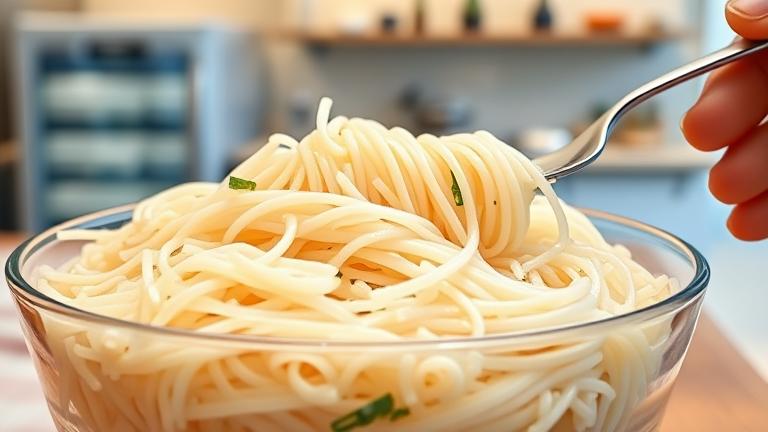
Is Frozen Rice Vermicelli Safe to Eat?
Many home cooks wonder if frozen rice vermicelli is safe to eat once stored in the freezer. The good news is that frozen rice vermicelli can be safe to consume, but there are some important safety considerations to keep in mind. Proper handling and storage help prevent foodborne illnesses and keep your noodles tasting fresh and delicious.
Rice vermicelli, like other rice products, can harbor bacteria if not stored or handled correctly. When freezing, it’s essential to do so within a safe timeframe and keep it at a consistent temperature. Generally, if you freeze your rice vermicelli within 1-2 days of cooking and store it properly, it remains safe for several months. However, improper storage can cause spoilage or food safety issues.
How to Safely Freeze Rice Vermicelli
- Cool it properly: After cooking, let the rice vermicelli cool down at room temperature for no more than an hour. Then, refrigerate until fully chilled to prevent bacterial growth.
- Use airtight packaging: Place the cooled noodles in airtight containers or freezer bags. Remove as much air as possible to prevent freezer burn and contamination.
- Label and date: Write the freezing date on your packaging. While it’s safe to eat beyond this time, quality declines over time.
How Long Can Frozen Rice Vermicelli Last?
| Storage Time | Safety & Quality |
|---|---|
| 1-2 months | Best quality, safest |
| 3-6 months | Still safe if kept frozen, but texture may decline |
| Over 6 months | Potential decline in quality, safety not guaranteed |
Reheating and Serving Tips
When you’re ready to eat frozen rice vermicelli, thaw it safely by transferring it to the fridge overnight. For quick reheating, you can also immerse it in boiling water for a few minutes or microwave it with a damp paper towel on top.
Always check for signs of spoilage before eating. If the noodles develop an off smell, slimy texture, or any discoloration, it’s best to discard them. Remember, even frozen foods can spoil if they were stored improperly or kept too long.
Common Mistakes to Avoid
- Refreezing thawed noodles: Only refreeze rice vermicelli if it was thawed in the refrigerator and not left out at room temperature.
- Not cooling before freezing: Freezing hot or warm noodles can raise your freezer’s temperature, risking bacterial growth and compromising safety.
- Ignoring storage time: Use frozen rice vermicelli within the recommended duration to enjoy the best quality and safety.
In summary, frozen rice vermicelli can be safe to eat as long as you follow proper storage and reheating practices. Keeping it well-packaged, avoiding prolonged storage, and checking for signs of spoilage will help ensure your noodles remain both safe and tasty for your next meal.
Best Practices for Freezing Cooked Vermicelli
If you’ve cooked more rice vermicelli than you can enjoy right away, freezing is a great way to keep it fresh for later. Proper freezing helps preserve the flavor and texture, preventing spoilage. Follow these friendly tips to ensure your cooked vermicelli stays tasty and safe to eat when thawed.
First, allow the cooked vermicelli to cool down to room temperature. Spreading it out on a baking sheet can help it cool faster and prevent clumping. Once cooled, it’s important to handle the vermicelli gently to avoid breaking the delicate strands.
Preparation Tips Before Freezing
- Lightly toss the cooked vermicelli with a small amount of oil. This prevents the noodles from sticking together in the freezer, making it easier to portion later.
- If you plan to use the vermicelli in stir-fries or soups, consider freezing it in portions. Use small containers or resealable bags for easy defrosting and to avoid thawing more than needed.
- Remove as much air as possible from resealable bags. Excess air can cause freezer burn, which may affect the texture and taste.
Freezing Techniques
- Use airtight containers or resealable bags: Place the cooled vermicelli in these to keep out moisture and prevent off-flavors from other freezer items.
- Label and date: Always write the date on the packaging so you know how long the vermicelli has been stored. Typically, cooked vermicelli can be frozen safely for up to 2 months.
- Spread it out: If using bags, lay them flat in the freezer until frozen. This saves space and makes stacking easier.
Thawing and Reheating
When ready to enjoy your frozen vermicelli, the best method is to thaw it in the fridge overnight. If you’re in a rush, you can also reheat directly from frozen.
- To reheat, add the frozen vermicelli to boiling water for 1-2 minutes or until heated through. Drain well before adding to your dish.
- For stir-fries, simply toss the frozen noodles into the hot pan. They will thaw and heat up quickly, especially if broken into smaller pieces beforehand.
Safety and Storage Duration
| Storage Method | Duration |
|---|---|
| Airtight container or resealable bag | Up to 2 months |
| Notes | Ensure vermicelli is cooled and moisture is removed to prevent freezer burn. Always check for signs of spoilage before use. |
By following these friendly practices, your cooked vermicelli can be stored efficiently in the freezer without losing its texture or flavor. Proper handling and packaging will make reheating quick and simple, helping you enjoy delicious meals even days after cooking.
Storage Tips for Fresh Freezer Life
Storing frozen rice vermicelli properly is essential to maintain its freshness and taste. When stored correctly, it can last a long time in your freezer without losing quality. Understanding the best storage practices helps you enjoy the dish whenever you want, without worries about spoilage or freezer burn.
First, always use airtight containers or resealable freezer bags to store rice vermicelli. This prevents moisture loss and limits exposure to air, which can cause freezer burn. Before sealing, try to remove as much air as possible from the bag to keep the noodles fresh. Label each package with the date you froze it. This way, you’ll know how long it has been in the freezer and can use it before quality declines.
Freezing rice vermicelli at a steady, cold temperature of 0°F (-18°C) helps preserve its texture and flavor. Avoid frequent temperature fluctuations, which can cause ice crystals to form and damage the noodles. If your freezer has a temperature control, set it correctly for optimal storage. Keep the rice vermicelli away from the freezer door, as opening and closing can result in temperature swings.
To prevent clumping, consider portioning the noodles into smaller amounts before freezing. That way, you can take out just what you need without thawing the entire batch. Freezing in individual or small portion-sized bags makes meal prep easier and reduces waste. After sealing, lay the bags flat in the freezer to save space and facilitate quick freezing. Once frozen, stand the bags upright or stack them neatly for easy access.
For best results, consume frozen rice vermicelli within 1 to 2 months. While it may remain safe beyond that timeframe, the noodles can start to lose their texture and flavor. Always check for signs of freezer burn, like dry spots or off smells, before using. If you notice any of these, it’s best to discard the noodles to avoid disappointment.
| Storage Condition | Details |
|---|---|
| Temperature | Keep at 0°F (-18°C) or lower for optimal preservation |
| Packaging | Use airtight containers or resealable freezer bags |
| Portioning | Divide into small portions to prevent thawing the entire batch |
| Labeling | Write the freezing date on each package |
| Storage Duration | 1 to 2 months for best quality, up to 6 months safe but not optimal |
- Always defrost rice vermicelli in the refrigerator or microwave before reheating.
- Avoid refreezing thawed noodles to prevent texture changes.
- Store away from strong-smelling foods to prevent absorption of odors.
With these storage tips, your frozen rice vermicelli will stay fresh and flavorful for your next delicious meal. Proper storage not only extends its shelf life but also helps retain the noodles’ best texture and taste. Happy cooking and storing!
How to Thaw Rice Vermicelli Properly
If you have frozen rice vermicelli and want to use it in your cooking, thawing it properly is key. Thawing gently helps maintain the noodles’ soft texture and prevents clumping. There are several simple and effective methods to do this. Let’s explore the best ways to thaw rice vermicelli safely and efficiently.
Method 1: Thaw in the Refrigerator
The safest way to thaw rice vermicelli is by planning ahead and using the refrigerator. This slow method keeps the noodles at a safe temperature and helps preserve their texture.
- Remove the frozen rice vermicelli from the freezer.
- Place it in a bowl or container and cover it with a damp cloth or paper towel.
- Set it in the refrigerator and let it thaw for several hours or overnight.
This method usually takes between 4 to 8 hours, depending on the amount of noodles. Once fully thawed, gently separate any clumps with a fork or your fingers before cooking. It’s a good idea to check the noodles for any excess moisture, patting them dry if needed to prevent sogginess.
Method 2: Quick Thaw in Cold Water
If you’re short on time, a cold water bath offers a quick way to thaw rice vermicelli. It’s fast and effective but requires a bit of attention to keep the noodles from sticking together.
- Place the frozen rice vermicelli in a resealable plastic bag, removing excess air.
- Submerge the bag in a large bowl filled with cold water.
- Change the water every 10 minutes to keep it cold.
- After about 15 to 20 minutes, check if the noodles are soft enough to handle.
Once thawed, drain the noodles thoroughly and gently loosen any clumps. Avoid hot water, as it can cook the noodles slightly and change their texture. The cold water method is perfect when you need to expedite thawing without sacrificing quality.
Method 3: Direct Use Without Thawing
In some recipes, you can add frozen rice vermicelli directly into hot water or boiling broth. This approach works best for stir-fries or soups, where heat quickly separates the noodles.
- Carefully break apart any icy clumps with your fingers or chopsticks before adding.
- Add the frozen noodles into boiling water or broth.
- Cook for a few minutes, stirring gently to prevent sticking.
This method saves time but may slightly affect the texture. It’s ideal for dishes where the noodles are cooked further or combined with other hot ingredients.
Tips to Remember
- Always thaw rice vermicelli in a way that keeps it at safe temperatures.
- Avoid using hot water or microwaving directly, as this can cause uneven thawing or cooked edges.
- Gently separate clumps after thawing to prevent sticking and maintain a light, tender texture.
- If the noodles seem too moist after thawing, pat them dry with paper towels before cooking.
Choosing the right thawing method depends on your schedule and recipe. Whether you plan ahead for slow thawing or need a quick solution, these techniques will help you keep your rice vermicelli delicious and ready to use in your favorite dishes.
Common Mistakes When Freezing Vermicelli
Freezing rice vermicelli can be a great way to save leftovers or prepare meals in advance. But many home cooks run into issues that can affect the texture and safety of the noodles. Knowing what mistakes to avoid will help you keep your vermicelli fresh, tasty, and safe to eat. Here are some common errors and practical tips to ensure you get it right.
One of the most frequent mistakes is not properly cooling the vermicelli before freezing. If you pack hot noodles directly into the freezer, it can lead to condensation and ice formation, which damages the noodles’ texture. Always spread the cooked vermicelli on a tray or plate to cool completely at room temperature. Avoid leaving it out too long, as this can promote bacterial growth.
Another common error is not removing excess air from the storage bag. Air exposure can cause freezer burn, resulting in dry, chewy noodles with off-putting flavors. When freezing vermicelli in plastic bags or containers, press out as much air as possible before sealing. You can use a straw to suck out air or press the air out with your hands for a better seal.
Many people also forget to portion the vermicelli before freezing. Freezing large quantities in one big batch makes it hard to thaw only what you need. To prevent waste and maintain quality, divide the noodles into small, meal-sized portions. Use zip-top bags or airtight containers and label them with the date. This way, you can easily grab just the right amount without thawing the entire batch.
A significant mistake is freezing the vermicelli without using an airtight container. If the noodles are left in open containers or loosely packed bags, they are exposed to moisture and odors from the freezer. Always store vermicelli in airtight containers or sealed bags designed for freezer storage to protect its flavor and texture.
Another oversight is not following recommended storage times. Rice vermicelli can last in the freezer for about 1 to 2 months. Beyond that, it may develop freezer burn or lose its freshness. Keep track of storage dates by writing on the packaging with a marker. Use the noodles within this window for the best quality.
Lastly, many forget to properly thaw frozen vermicelli. Thawing at room temperature can promote bacteria growth, especially if the noodles are left out too long. Instead, transfer the frozen noodles from the freezer to the refrigerator a few hours before use. For quick thawing, you can also run the bag under cold water or use the microwave’s defrost setting. Always reheat the noodles thoroughly before eating to ensure food safety.
In summary, avoid these common mistakes: not cooling noodles properly, leaving excess air in storage, freezing in large undivided portions, using non-airtight containers, ignoring storage time limits, and improper thawing methods. With attention to these details, your frozen vermicelli will stay delicious, safe, and ready for your next meal.
Delicious Recipes Using Frozen Vermicelli
Frozen rice vermicelli is a versatile and convenient ingredient that can elevate many meals. Whether you’re short on time or want to try something new, these recipes demonstrate how easy it is to incorporate frozen vermicelli into your cooking. Its soft texture and quick cooking time make it perfect for quick, tasty dishes.
One of the best aspects of using frozen vermicelli is how fast it prepares. You can have a delicious meal on the table in just 10 minutes or less. Plus, it’s very flexible—great for stir-fries, soups, salads, and more. Let’s explore some simple and flavorful ideas to get you started.
Stir-Fried Vermicelli with Vegetables and Protein
This is a classic way to enjoy frozen rice vermicelli. First, thaw the vermicelli by soaking it in warm water for 5 minutes. Drain well and set aside. In a large skillet or wok, heat a little oil over medium-high heat.
Add chopped garlic and your favorite vegetables such as bell peppers, carrots, and snap peas. Stir-fry for about 3-4 minutes until tender-crisp. Then, add your choice of protein—shrimp, chicken strips, or tofu—and cook until done.
Next, toss in the thawed vermicelli. Add soy sauce, a dash of sesame oil, and chili flakes if you like some heat. Stir everything together for 2-3 minutes until evenly coated and heated through. Serve hot. This dish is quick, filling, and customizable to your tastes.
Vermicelli Soup with Broth and Greens
For a comforting and nourishing soup, start by heating chicken or vegetable broth in a large pot. Once boiling, add balance with salt, pepper, and a splash of ginger or garlic for extra flavor. Thaw the frozen vermicelli in warm water for a few minutes, then add it directly to the simmering broth.
In the last few minutes, toss in leafy greens like spinach or bok choy. Cook until the greens are wilted and the vermicelli is tender—usually around 2-3 minutes. Serve hot with a squeeze of lime and some chopped scallions for a fresh touch. This soup offers a quick, satisfying meal with minimal effort.
Cold Vermicelli Salad
This refreshing dish is perfect for hot days or light lunches. Begin by thawing the frozen vermicelli in warm water, then drain thoroughly. Let it cool to room temperature or place in the fridge for a few minutes.
In a large bowl, combine the cool vermicelli with chopped cucumbers, shredded carrots, and sliced herbs like cilantro or mint. For the dressing, whisk together lime juice, fish sauce, a touch of honey, and chopped chili. Pour over the salad and toss gently to combine.
Chill for 10-15 minutes before serving. It’s a vibrant, diet-friendly dish that comes together quickly using frozen vermicelli. Consider adding cooked shrimp, grilled chicken, or tofu for extra protein.
Tips for Cooking Frozen Vermicelli
- Thaw before cooking to prevent clumping. Soaking in warm water is the easiest method.
- Drain excess water thoroughly to avoid soggy dishes.
- Adjust cooking time based on your recipe; usually, a few minutes in boiling water or broth is enough.
- Season generously, as vermicelli absorbs flavors well.
- Experiment with textures! Add crunchy vegetables or roasted nuts for contrast.
Frozen vermicelli is a time-saver that opens up many meal possibilities. With these simple recipes, you can enjoy quick, delicious, and satisfying dishes any day of the week.
Quick Tips for Perfectly Frozen Rice Vermicelli
Freezing rice vermicelli is an excellent way to keep it fresh and ready for quick meals. Whether you cook in batches or store leftovers, proper freezing helps maintain its texture and flavor. Here are some practical tips to ensure the best results every time.
Choose the Right Type of Rice Vermicelli
Make sure you’re using dry, uncooked rice vermicelli for freezing. Fresh or cooked vermicelli can be tricky to freeze without becoming mushy. If you have cooked vermicelli, consider the best way to reheat it afterward to prevent sogginess.
Cook and Cool Before Freezing
If you plan to freeze cooked rice vermicelli, cook it until just tender. Drain thoroughly and rinse with cold water to stop the cooking process. Allow it to cool completely before freezing. Hot or warm vermicelli can cause condensation, leading to ice crystals or soggy texture.
Portion in Small Batches
- Divide vermicelli into small, easy-to-use portions. Use freezer-safe containers or resealable plastic bags.
- Flat, resealable bags are especially convenient. Flatten the bags to save space and promote even freezing.
Use the Right Packaging
Seal the vermicelli tightly to prevent air exposure, which causes freezer burn. Remove as much air as possible if using plastic bags, or press out excess air before sealing. Label each package with the date of freezing to keep track of freshness. Proper packaging preserves texture and flavor longer.
Freeze Quickly for Best Results
Place packages in the coldest part of your freezer. For faster freezing, spread the packages out on a flat surface initially, then stack or store once frozen solid. Rapid freezing prevents ice crystal formation that can damage delicate strands of vermicelli.
Store for a Maximum of 2–3 Months
For optimal quality, try to use frozen rice vermicelli within two to three months. After that, it may lose some texture or flavor, although it can still be safe to eat if stored properly.
Thaw and Reheat Carefully
To reheat, gently thaw in the refrigerator or at room temperature. Alternatively, add frozen vermicelli directly into boiling water or stir-fry. Be gentle to avoid breaking the delicate strands.
Watch Out for Common Mistakes
- Don’t freeze cooked vermicelli that’s been sitting out at room temperature for too long, as bacteria can grow.
- Avoid over-stocking the freezer, which can slow down freezing and affect quality.
- Never re-freeze vermicelli that has already been thawed, especially if it was cooked before freezing.
Following these simple tips will help you enjoy fresh, perfectly textured rice vermicelli even after freezing. With a little prep and the right storage methods, you can always have this versatile ingredient ready to go for quick and delicious meals.