
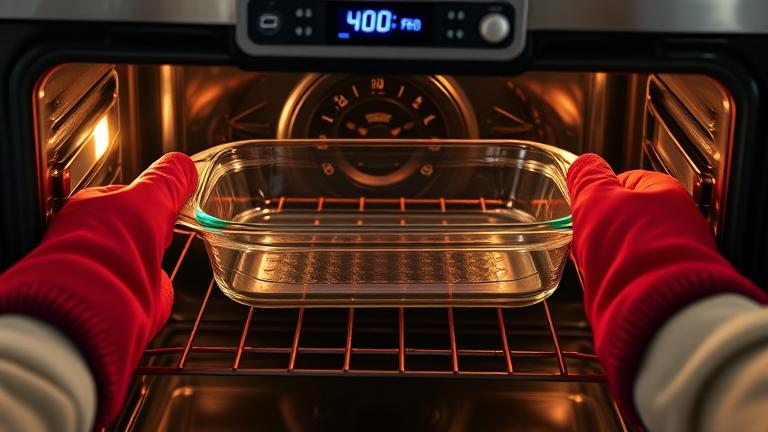
Is Baking Pyrex at 400°F Safe?
If you’re wondering whether it’s safe to bake with Pyrex at 400 degrees Fahrenheit, you’re not alone. Many home cooks want to know if their trusty glassware can handle higher oven temperatures without cracking or breaking. The good news is that Pyrex can generally withstand this temperature, but there are some important considerations to keep in mind.
Pyrex, especially the traditional borosilicate kind, was designed to handle high heat. However, many modern Pyrex products are made from tempered soda-lime glass, which has different heat tolerance levels. While both types can usually survive oven baking, sudden temperature changes or thermal shock can cause damage.
To ensure safety while baking at 400°F, follow these practical tips:
- Check the Label: Always look at the manufacturer’s instructions or labeling on your Pyrex dish. Some products specify maximum oven temperatures, often around 450°F or less.
- Avoid Sudden Temperature Changes: Don’t take a cold Pyrex dish directly from the fridge and place it into a hot oven. Instead, let it warm gradually, or bring it to room temperature first.
- Use the Right Dish for Baking: Pyrex made for baking, often labeled as oven-safe, is more reliable at higher temperatures. Avoid using non-oven Pyrex or decorative Pyrex in the oven.
Testing the limits of your Pyrex can sometimes lead to unexpected surprises. If you’re baking at 400°F, consider the following points:
- Preheat the Oven: Make sure your oven reaches the desired temperature before inserting your Pyrex dish. This reduces thermal shock risk.
- Place Dish Carefully: Put the dish in the center of the oven to ensure even heat distribution. Avoid placing it near the oven walls or heating elements.
- Don’t Overfill: Avoid overfilling your dish to prevent spills, which can cause uneven heating.
While baking at 400°F is generally safe for Pyrex, remember that every piece is different. Older or scratched dishes might have weaker spots. Be attentive and inspect your Pyrex before and after baking for any signs of cracks or chips.
In case of doubt, consult the manufacturer’s guidelines or consider using alternative oven-safe materials like ceramic or metal for higher temperatures. When handled carefully, Pyrex can be a versatile tool for many baking recipes, even at 400 degrees Fahrenheit.
Suitable Pyrex Dishes for High Heat
If you plan to bake at high temperatures like 400°F, it’s important to choose the right Pyrex dish. Not all Pyrex products are built to handle such heat safely. Knowing which types are suitable helps you avoid accidents in the kitchen and ensures your baked goods come out perfectly.
Pyrex has been a trusted name in glass bakeware for decades. The key is to select dishes made from heat-resistant tempered glass. These dishes are designed to withstand high oven temperatures without cracking or breaking. When shopping for Pyrex for high-heat baking, always look for markings or labels indicating oven safety at high temperatures.
Types of Pyrex Dishes Suitable for 400°F
- Pyrex Glass Baking Dishes: These traditional glass dishes are the most common for baking. Look for versions labeled as oven-safe or tempered. Typical sizes include 9×13 inches and smaller casseroles. These can handle 400°F comfortably if they are the tempered type.
- Pyrex Mixing Bowls (Oven-Safe): Some Pyrex mixing bowls are oven-proof. Check the bottom or packaging for labels confirming they can endure high heat. These are great for preparing dishes that require baking directly in a mixing bowl.
- Pyrex Ramekins: Small individual dishes perfect for baking individual portions, like soufflés or mini casseroles. High-quality ramekins are designed to sustain high oven temperatures, often up to 425°F or higher.
What to Look for When Choosing Pyrex for High Heat
| Feature | Why It Matters |
|---|---|
| Oven Safety Label | Always ensure the dish is marked as oven safe at high temps like 400°F. Look for labels or packaging indicating this. |
| Material Type | Tempered glass is designed to withstand higher temperatures. Regular or non-tempered Pyrex might not be suitable for such baking. |
| Dish Size and Shape | Check that your dish size fits your oven and recipe. Deep dishes can sometimes distribute heat differently, so ensure even baking. |
| Handling Instructions | Use oven mitts when removing hot Pyrex from the oven. Glass can become very hot and fragile if suddenly cooled with water or cold air. |
Safety Tips for Baking with Pyrex at High Heat
- Preheat your oven fully before placing your Pyrex dish inside. Sudden temperature changes can cause the glass to crack.
- Do not expose hot Pyrex directly to cold surfaces or water. Let it cool gradually on a heat-proof mat or trivet.
- Avoid using Pyrex dishes on stovetops, broilers, or under a grill unless they are specifically rated for such use.
- Check for cracks or chips before each use. Damaged Pyrex should be replaced to prevent breaks during baking.
By selecting the right Pyrex dish rated for high heat, you can bake confidently at 400°F. Remember to always follow safety guidelines for handling hot glassware, and you’ll enjoy many years of safe, delicious baking with your Pyrex bakeware.
Pyrex Temperature Limits You Should Know
If you’re a home cook, chances are you’ve used Pyrex glassware for baking, roasting, or storing leftovers. Pyrex is popular because it’s durable and can withstand many kitchen tasks. However, knowing the specific temperature limits for different Pyrex products is essential to keep your cookware safe and in good condition. Ignoring these limits can cause damage, which means replacing your favorite dishes sooner than you’d like.
Pyrex products are made from tempered glass, designed to handle heat but within certain boundaries. Overheating or sudden temperature changes can cause the glass to crack, shatter, or become unusable. This is why understanding and respecting the temperature guidelines is so important.
Maximum Temperature Limits for Pyrex
- Pyrex Glass Bakeware: Most Pyrex glass bakeware can safely handle oven temperatures up to 450°F (232°C). This means you can bake casseroles, brownies, or roasted vegetables without worries.
- Microwave Use: Pyrex is microwave-safe, so you can reheat your leftovers. Just make sure to avoid heating it suddenly from cold to hot, and never use it on a stovetop or open flame.
- Stovetop or Direct Flame: Pyrex is not designed for stovetop or direct flame use. Exposing it to high heat directly can cause it to break, even if the temperature doesn’t seem very high.
- Cold to Hot Transitions: Avoid moving Pyrex directly from the freezer or refrigerator into a hot oven. Sudden temperature changes can cause the glass to shatter. It’s best to let it come to room temperature first.
Understanding Pyrex Safety Limits
Even if your Pyrex is oven-safe up to 450°F, it’s wise to stay below that maximum whenever possible. For example, some recipes may call for 400°F or less, giving you a safety margin. Keep in mind that the thicker the glass, the more heat it can typically withstand, but no Pyrex product is completely immune to thermal stress.
It also helps to understand that older Pyrex products, especially those made before the 1990s, are often made from soda-lime glass, which has different safety thresholds than newer borosilicate Pyrex. While many older pieces are still safe, they might be more prone to breaking under stress.
How to Prevent Damage
- Avoid sudden temperature changes: Do not put a hot Pyrex dish into cold water or vice versa. Let it cool down gradually on a heat-resistant surface.
- Use proper utensils: Use wooden, silicone, or plastic utensils instead of metal to prevent scratching.
- Don’t expose to direct flame: Never set Pyrex directly on a stovetop or burner. Use it inside a consistent oven environment only.
By respecting Pyrex temperature limits and handling your glassware carefully, you can extend its lifespan and enjoy safe, reliable use in your kitchen. Remember, it’s always better to be cautious than to risk a breakage that could cause a mess or injury.
How to Bake Without Breaking Pyrex
Pyrex dishes are popular for baking because they distribute heat evenly and resist stains. However, they can crack or break if not handled carefully, especially during high-heat baking. Knowing some simple tips and techniques can help you avoid damaging your Pyrex and ensure safe, successful baking experiences.
The key to preventing breakage is understanding how Pyrex reacts to temperature changes. Pyrex is made of borosilicate glass, which can withstand high temperatures. But rapid shifts from hot to cold or vice versa can cause it to crack or shatter. Follow these safety tips to protect your dishes.
1. Avoid Sudden Temperature Changes
- Never transfer a hot Pyrex dish directly into a cold environment. For example, don’t take a hot casserole out of the oven and place it on a cold countertop or wet cloth.
- Likewise, don’t add cold ingredients or liquids into a hot dish all at once. The sudden change in temperature can cause stress and possible damage.
- Instead, let your Pyrex cool gradually. Place it on a heat-resistant surface and allow it to cool for 10–15 minutes before handling or washing.
2. Use Correct Temperature Ranges
- Check the manufacturer’s guidelines for your specific Pyrex. Most are safe to bake at temperatures up to 450°F (232°C). Avoid exceeding this limit.
- When preheating the oven, set it to the desired temperature before placing your dish inside. This helps prevent thermal shock caused by sudden heat exposure.
- For recipes requiring very high heat, consider using ovenproof glass specifically designed for such conditions.
3. Handle with Care
- Use oven mitts when placing Pyrex into or removing it from the oven. Surfaces can be hot or slippery, increasing the risk of accidents.
- Lift the dish evenly from multiple sides if it’s heavy or filled with dense ingredients. Don’t lift by handles alone if they are not reinforced.
- Avoid using metal utensils that can scratch or weaken the glass. Opt for silicone or wooden spatulas instead.
4. Proper Washing and Storage
- After baking, wait until the dish is cool before washing it with cold water. Rapid cooling in the sink can cause cracks.
- Wash gently with warm, soapy water. Avoid abrasive cleaners or scrubbing pads that could damage the surface.
- When storing, place a soft towel or paper towel between Pyrex dishes to prevent chips and scratches.
5. Check for Damage Before Baking
Regularly inspect your Pyrex for any cracks, chips, or scratches. Do not use damaged dishes, as their structural integrity may be compromised.
Even small cracks can expand during baking, leading to sudden breakage. Replace any dish that shows signs of wear.
Additional Tips
- Always follow the manufacturer’s instructions and warnings.
- If unsure about your specific Pyrex’s capabilities, test with small amounts first before baking large or complex recipes.
- Remember, patience and gentle handling are your best tools for keeping your Pyrex safe during baking.
Tips for Safe Oven Use with Pyrex
Using Pyrex in the oven can be a great way to bake, reheat, or serve dishes directly from the oven to the table. However, it is important to follow some simple safety tips to prevent accidents and keep your cookware in good shape. Proper use of Pyrex ensures your baking experiences are both successful and safe.
Check the Temperature Limits
Before using Pyrex in the oven, always check the manufacturer’s instructions for temperature limits. Most newer Pyrex glassware can withstand oven temperatures up to 450°F (232°C). Older Pyrex products, especially those made before the early 1990s, may have lower temperature tolerances. Never expose Pyrex to sudden temperature changes, as this can cause it to crack or shatter.
Preheat the Oven Properly
Always preheat your oven to the desired temperature before placing your Pyrex dish inside. This helps maintain even heat and prevents the dish from experiencing rapid temperature shifts, which can lead to damage. Avoid putting a cold Pyrex dish directly into a hot oven or vice versa.
Place Pyrex Correctly in the Oven
When placing your Pyrex dish in the oven, position it on the middle rack for even heat distribution. Keep it away from the oven’s heating elements or open flames. If your dish is large or heavy, use oven mitts or pot holders to gently move it, being cautious not to drop or bump it against hot surfaces.
Avoid Sudden Temperature Changes
One of the biggest risks with Pyrex is exposing it to abrupt temperature changes. For example, don’t take a hot dish out of the oven and immediately rinse it with cold water. Instead, let it cool gradually on a heat-resistant surface. If you want to cool it quickly, cover it with a damp towel after it has cooled slightly.
Handling and Placement Tips
- Use oven mitts or pot holders when handling hot Pyrex dishes.
- Avoid sliding or dragging the dish across a hard surface to prevent chipping or cracking.
- Place the dish on a sturdy, heat-resistant surface when removing it from the oven.
- If you notice tiny cracks or chips, do not use the Pyrex for baking or oven reheating.
Avoid Using Pyrex on the Stove or under the Broiler
Pyrex is designed for oven use and should not be used on the stovetop, under the broiler, or in the microwave unless specified by the manufacturer. Direct contact with direct heat sources can cause the glass to break or shatter unexpectedly.
Cleaning Your Pyrex Safely
Wait until the dish cools before cleaning it. Use warm, soapy water and a soft sponge to clean your Pyrex. Avoid sudden temperature shifts during cleaning, such as running hot water over a hot dish, as this can cause damage.
Common Mistakes to Avoid
- Placing a cold dish into a hot oven or vice versa.
- Using damaged or cracked Pyrex for baking.
- Overloading the dish with very heavy foods, which can stress the glass.
- Ignoring the manufacturer’s instructions related to temperature limits.
By following these simple safety tips, you can enjoy the convenience and beauty of Pyrex in the oven without worry. Proper handling and awareness of your cookware’s limits will keep your kitchen safe and your dishes delicious.
Common Mistakes When Baking with Pyrex
Baking with Pyrex can be a great choice because it evenly heats and resists changing shape. However, using Pyrex incorrectly can lead to problems like cracking, shattering, or uneven cooking. Knowing the common mistakes helps you avoid accidents and get the best results from your bakeware.
One of the most frequent mistakes is exposing Pyrex to sudden temperature changes. Pyrex is made from tempered glass designed to handle heat, but if you take it straight from the refrigerator and put it in a hot oven, or pour cold liquids into a hot dish, the rapid shift can cause it to crack or shatter. To prevent this, always bring your Pyrex to room temperature before baking or gradually warm it using slow temperature increases.
Another common error is using Pyrex at temperatures higher than its recommended limit. Most Pyrex products are safe up to 425°F (220°C), but some recipes may instruct using higher temperatures. Always check the manufacturer’s guidelines before baking at high heat. Overheating can weaken the glass over time and increase the risk of breaking unexpectedly.
Many bakers forget that Pyrex is not suitable for direct stovetop use or open flames. Using it on the stove or under a broiler can cause direct heat damage. Use oven-safe Pyrex only inside the oven, and avoid any direct contact with heating elements or flames.
Additionally, improper cleaning can also cause damage. Avoid using abrasive scrubbers or sudden temperature changes when cleaning. For example, cleaning a hot Pyrex dish with cold water or using rough pads can scratch or weaken the glass. Hand-washing with mild soap and warm water is best, especially after baking and cooling.
Sometimes, bakers fill Pyrex too full, which can cause overflow during baking. This not only makes a mess in your oven but can also stress the glass if the contents boil over or spill onto the edges. Always leave enough space in your dish to prevent spills, especially for recipes that bubble or rise.
Lastly, ignoring signs of wear or damage on your Pyrex can be dangerous. Check your bakeware for chips, cracks, or cloudiness before using it again. Damaged Pyrex is more likely to break unexpectedly during heat exposure. If you see any signs of damage, it’s safer to replace the piece.
Here are some helpful tips to keep in mind:
– Always preheat your oven before placing Pyrex inside.
– Avoid sudden temperature changes by bringing dishes to room temperature first.
– Use Pyrex within the recommended temperature limits.
– Handle with care and clean gently.
– Regularly inspect your bakeware for damage.
By being mindful of these common mistakes, you can enjoy baking with Pyrex safely and effectively. Proper use keeps your bakeware in good shape and your baked goods perfect!
Best Practices for Using Pyrex in the Oven
Using Pyrex in the oven can be a great way to bake safely and efficiently, but it’s important to follow some key guidelines to prevent accidents and damage. Pyrex is a popular glassware made from borosilicate or soda-lime glass, specially designed to withstand oven heat. To make the most of your Pyrex baking dishes, keep these best practices in mind.
1. Check the Manufacturer’s Instructions
Before baking, always read the label or manufacturer’s instructions. Different types of Pyrex may have specific temperature limits. Most modern Pyrex glassware can handle temperatures up to 450°F (232°C), but older versions might be more fragile. Following these guidelines helps ensure safe use and prevents cracking or shattering.
2. Avoid Sudden Temperature Changes
One of the most common mistakes is exposing Pyrex to rapid temperature shifts. Never place hot Pyrex directly on a cold surface or into a cold oven. For example, don’t take it from the freezer and put it straight into a hot oven. Similarly, don’t rinse hot Pyrex with cold water. Instead, let it cool gradually or warm up gently to prevent thermal shock that can cause cracking.
3. Use Proper Oven Settings and Techniques
Preheat your oven before placing Pyrex inside. Baking at moderate temperatures, usually below 450°F (232°C), is safest. Avoid using Pyrex on the stove top, under the broiler, or directly over a flame, as it is designed for oven baking only. When preparing dishes, avoid overfilling the Pyrex dish, leaving some space for expansion and bubbling.
4. Handle with Care
Use oven mitts or pot holders when handling hot Pyrex. The glass retains heat longer than metal pans, so avoid rushing to move it out of the oven. When removing hot Pyrex, place it on a heat-resistant surface or cooling rack to prevent accidental slips or drops.
5. Clean Properly and Store Safely
Allow Pyrex to cool completely before cleaning. Wash with warm, soapy water, and avoid abrasive scrubbers that can scratch the glass. Check for cracks or chips regularly, and retire any damaged pieces. Store Pyrex in a safe place where it won’t be knocked over or damaged.
6. Be Mindful of Common Mistakes
- Don’t expose Pyrex to direct heat sources like stovetops or open flames.
- Avoid sudden temperature shifts—hot to cold or vice versa.
- Don’t overfill or overcrowd the dish.
- Handle with care when hot, and use proper oven mitts.
Following these best practices helps you enjoy cooking and baking with your Pyrex safely. With a little attention to detail, your Pyrex can provide many years of reliable service in your kitchen, making everything from casseroles to baked desserts a breeze.