
Are Espresso Beans Suitable for Coffee?
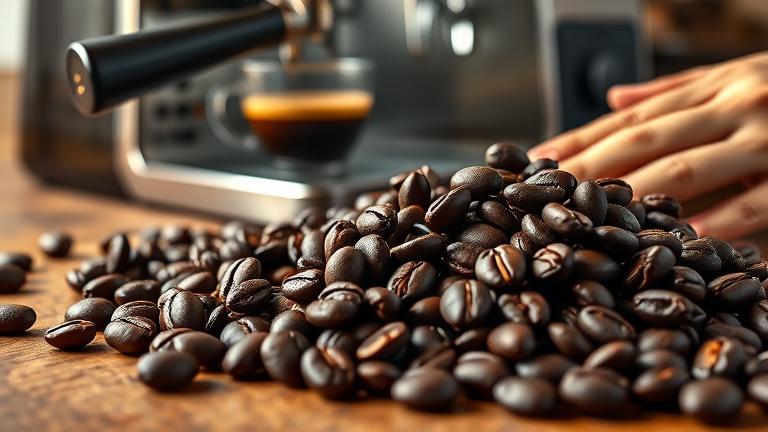
Many coffee enthusiasts wonder if espresso beans can be used for regular coffee brewing. The quick answer is yes, generally you can. Espresso beans are simply a type of coffee bean roasted in a specific way, and that makes them versatile for many brewing methods.
However, there are some important considerations to keep in mind. Espresso beans are typically roasted darker than beans meant for drip or pour-over coffee. This darker roast can influence the flavor, making your regular coffee taste richer and sometimes a bit more intense. So, if you enjoy bold flavors, using espresso beans might actually enhance your brew.
One key thing to watch out for is the grind size. Espresso beans are ground very finely, designed for high-pressure espresso machines. If you’re using espresso beans in a drip coffee maker or French press, you might need to adjust the grind. Coarser grind settings are better for these methods, so using a fine grind might result in over-extraction, leading to a bitter taste.
It’s also worth noting that because of their darker roast, espresso beans can brew a more concentrated and robust cup of coffee. If you’re used to lighter roasts, the change might be quite noticeable. But if you like a strong, full-bodied coffee, espresso beans are a good choice for many brewing styles.
When substituting espresso beans for regular coffee beans, consider these tips:
- Adjust the grind size based on your brewing method—coarser for drip, medium for French press, fine for espresso machines.
- Keep in mind the flavor profile—dark roasted espresso beans will produce a bolder, sometimes more bitter cup.
- Stick to fresh beans. Coffee tastes best when brewed with freshly ground, high-quality beans, regardless of the roast style.
- Experiment to find the right balance. Using espresso beans in a pour-over might produce a different experience than in an espresso machine.
Some coffee lovers enjoy blending espresso beans with other beans to customize the flavor. For example, mixing dark roast espresso beans with lighter roasts can create a balanced cup that isn’t overly intense.
Ultimately, espresso beans can be suitable for most coffee brewing methods, provided you adjust the grind and brewing time accordingly. Don’t hesitate to experiment and find what works best for your taste buds. With a little tweaking, you might discover a new favorite way to enjoy your espresso beans every day.
Differences Between Espresso and Regular Beans
If you’re exploring the world of coffee, you might wonder what separates espresso beans from regular coffee beans. While both come from the same plant, their differences in processing, roasting, and grind size affect the flavor and brewing experience. Understanding these distinctions can help you choose the right beans for your favorite cup of coffee or espresso shot.
Origin and Bean Selection
Generally, espresso beans are a specific type of roast or blend designed for making espresso. They can be any variety of coffee beans, such as Arabica or Robusta. However, the key is in how they’re roasted and ground, not the bean variety itself. Regular coffee beans, on the other hand, are often roasted in a way that suits drip brewing or pour-over methods. They can be light, medium, or dark roasts, depending on your taste preferences.
Processing and Roasting Methods
The main difference lies in how the beans are roasted. Espresso beans are typically roasted darker to develop a bolder flavor. This darker roast reduces acidity and enhances a rich, full-bodied taste. The roasting process concentrates the flavors and oils, making the beans more robust. Regular coffee beans might be roasted lighter or medium to preserve more of the beans’ original brightness, acidity, and subtle flavors.
Another aspect is the roasting time. Espresso beans are often roasted for longer, which also helps create the dark, oily surface many espresso beans have. This oiliness can affect the brewing process, making it easier to extract a rich flavor during espresso shots.
Grind Size and Preparation
When it comes to grind size, espresso beans are ground much finer than regular beans. A fine, almost powdery consistency is essential for creating the high pressure needed in espresso machines. Regular coffee beans are typically ground coarser for drip coffee, French press, or pour-over brewing methods.
This difference in grind size significantly impacts how the water extracts flavors. A grind that’s too coarse for espresso will result in a weak shot, while too fine for drip brewing can cause over-extraction and bitterness.
Flavor Profiles
Because of their roasting and processing, espresso beans usually have a bold, intense flavor with notes of chocolate, caramel, or smoky undertones. They tend to have a thicker body and higher bitterness, which many people love in their espresso shots.
Regular beans, especially lighter roasts, often retain more of the bean’s original flavors. They can taste brighter, fruitier, or more acidic, making them ideal for a clean, nuanced cup. Medium roasts strike a balance, offering a mix of brightness and richness suitable for drip coffee.
What This Means for You
- If you want a strong, rich espresso shot, use espresso beans that are roasted dark and ground finely.
- If you prefer a lighter, more delicate coffee, go for regular beans roasted to your liking and ground coarser.
- Remember, the choice of beans and grind size are both crucial for good brewing results.
Experimenting with different beans, roasts, and grind sizes can enhance your coffee experience. Don’t be afraid to try a variety of options and find what suits your taste best. Remember, the freshest beans and proper storage will always bring out the best in your brew.
Flavor Profiles of Espresso Beans
When exploring espresso beans, understanding their flavor profiles is essential to appreciating the rich, bold taste they bring to your coffee. Espresso beans are known for their deep, intense flavors that can vary widely depending on the origin, roast level, and processing method. These flavor notes directly influence your overall coffee experience, making every cup unique and satisfying.
Most espresso beans are roasted darker than regular coffee beans. This roasting process enhances their natural oils and caramelization, resulting in a robust and full-bodied flavor. Expect to taste a rich, sometimes slightly bitter core that forms the foundation of a classic espresso shot. This boldness is what gives espresso its characteristic punch and complexity.
However, within this bold exterior, you can find a variety of flavor notes. Some beans highlight hints of dark chocolate or cocoa, adding a smooth, almost velvety undertone. Others might have a smoky or roasted flavor that lends a depth of character to the brew. You might also notice subtle nutty flavors, like toasted almonds or hazelnuts, which provide a pleasant, rounded finish.
Origin plays a big role in shaping the flavor profile. For example, beans from South America, especially Brazil, often feature nutty, chocolatey notes with a mild acidity. African beans, such as those from Ethiopia or Kenya, tend to be brighter, with fruity or berry-like hints. Asian beans might display a fuller body with earthy or spicy undertones.
An important factor that influences flavor is the roast level. Light roasts tend to preserve more of the bean’s original fruity and floral notes, which are often muted in espresso due to darker roasting. Darker roasts emphasize boldness and can dull some of the more delicate complexities but create a more intense and smoky flavor profile.
Here are some common flavor notes you might encounter in espresso beans:
- Rich chocolate or cocoa
- Caramel and toasty undertones
- Nutty flavors, such as almond or hazelnut
- Fruity hints, like berries or citrus (more common in certain origins)
- Earthy or spicy notes, especially in beans from Asian farms
- A slightly smoky or roasted finish
Balancing these flavors is part of the espresso experience. Many baristas and home brewers aim for a harmony between boldness and complexity. If your espresso tastes too bitter or flat, it might be a sign to tweak your grind size or brewing time. Conversely, a bright, fruity flavor can be enhanced by choosing beans with a lighter roast or a different origin.
In conclusion, the flavor profiles of espresso beans are diverse and exciting. Whether you prefer deep chocolatey notes, fruity bursts, or smoky richness, there’s an espresso bean out there that suits your taste. Experimenting with different origins, roast levels, and blending techniques can help you find your perfect shot.
How to Grind Espresso Beans Properly
Grinding espresso beans correctly is key to making a flavorful cup of coffee, especially when you are brewing outside of an espresso machine. The goal is to achieve a very fine, consistent grind that allows water to pass through the coffee evenly, extracting the rich flavors without overdoing it. Whether you’re using a manual grinder or an electric one, understanding some basics can help you get the best results.
First, choose a high-quality burr grinder if possible. Burr grinders crush the beans evenly, producing a consistent grind size, unlike blade grinders which can give uneven particles. For espresso, you need a grind that feels like fine powder, similar to powdered sugar. If it’s too coarse, the water will flow too fast and produce a weak, under-extracted shot. If it’s too fine, water may struggle to pass through, leading to over-extraction and a bitter taste.
Steps to Grind Espresso Beans Correctly
- Select the right setting: Set your grinder to a very fine setting, usually the highest or finest grind option. If your grinder has an adjustable dial, start with a setting that’s slightly finer than regular drip coffee.
- Grind in small pulses: Instead of grinding for a long time, use short pulses or brief grinding sessions. This helps prevent overheating the beans, which can alter flavor, and ensures you don’t over-grind the beans into a powder.
- Check the texture: After grinding, examine the coffee. It should be smooth, fluffy, and fine—like powdered sugar. If it’s clumpy or uneven, adjust your grinder and re-grind.
- Test and adjust: Brew a small shot with your ground coffee. If the extraction is very quick, your grind is too coarse, so tighten (make finer) the grinder. If it takes too long or results in a bitter taste, your grind may be too fine, so loosen (make coarser) the grind a bit.
Tips for Better Espresso Grinding
- Always use fresh beans and grind just before brewing to preserve flavor.
- Measure your beans weight carefully—about 18–20 grams for a standard double shot—to ensure consistent results.
- Clean your grinder regularly to avoid leftover grounds affecting the consistency of your grind.
- Keep the beans at a stable temperature; grinding releases heat that can slightly alter flavor.
- Experiment with small adjustments; even a tiny change in grind size can significantly affect your espresso’s taste and strength.
Common Mistakes to Avoid
- Using a blade grinder, which often produces uneven particles unsuitable for espresso.
- Over-grinding or under-grinding the beans, leading to over-extraction or under-extraction.
- Letting beans sit after grinding for too long, as they start to lose their freshness quickly.
- Ignoring the grind size when changing bean types or roasts, because different beans may require slight adjustments.
With some practice and patience, mastering the art of grinding espresso beans outside of an espresso machine becomes simple. Focus on getting a fine, even consistency, and tweak your technique based on taste and extraction times. Soon, you’ll be brewing delicious, rich espresso shots right at home, even without commercial equipment.
Storing Espresso Beans at Home
Keeping your espresso beans fresh is key to brewing tasty, flavorful coffee every time. Proper storage helps preserve the beans’ aroma, taste, and overall quality for as long as possible. Whether you buy in bulk or just want to maintain freshness a little longer, knowing how to store espresso beans correctly makes a big difference.
First, it’s important to understand that coffee beans are best kept in an airtight container. Exposure to air is one of the main ways freshness can diminish. Choose a container made of ceramic, glass, or specially designed coffee tins with a tight-fitting lid. Avoid clear containers that let in light, as UV rays can degrade the beans over time.
Next, consider storage location. A cool, dark place is ideal. Try to avoid storing your espresso beans near the oven, stove, or other heat sources, which can cause the beans to go stale quickly. Instead, a pantry or cupboard away from direct sunlight works well. Keep in mind that temperature fluctuations, such as those caused by opening a fridge or freezer frequently, can affect the beans’ quality.
Many home baristas like to store beans in the freezer if they buy in bulk or won’t use them for a while. If you choose this route, divide the beans into smaller portions and place each in a small airtight bag or container. Only take out what you need, and avoid removing the beans from the freezer repeatedly, as this can cause moisture buildup and make the beans go stale faster. When ready to use, leave the portion at room temperature for a few minutes before grinding. Never refreeze beans once they have thawed.
For daily use, it’s best to keep a small amount of espresso beans at room temperature and replenish from a larger, stored supply as needed. This way, you always have fresh beans on hand without exposing the entire stock to air or temperature changes every day. Remember: beans start losing flavor after about two to three weeks of exposure to air and light, so buy in quantities that match your brewing habits.
Here are some practical tips for storing espresso beans:
- Use an airtight, opaque container to keep out light and air.
- Store in a cool, dark place — avoid kitchen cabinets above the stove.
- If freezing, divide into small portions and only thaw what you need.
- Buy beans in smaller amounts if you brew more frequently, to keep them fresh.
- Write the roast date on the bag to track freshness and get the best flavor.
By following these simple storage tips, you can enjoy full-bodied, flavorful espresso beans every time you brew. Remember, freshness makes a big difference in the taste of your coffee, so take a little time to store your beans properly and get the most out of your brew.
Health and Caffeine Content of Espresso Beans
When it comes to espresso beans, understanding their health implications and caffeine levels can help you enjoy your favorite coffee responsibly. Espresso beans are simply roasted coffee beans prepared to make a rich, concentrated shot of espresso. But because of their roasting process and brewing method, they have unique nutritional and caffeine characteristics.
First, let’s talk about caffeine. Espresso beans generally contain the same amount of caffeine as regular roasted coffee beans. However, because espresso is brewed with high pressure and a small amount of water, it results in a thick, intense shot that delivers a concentrated caffeine dose. On average, a single shot of espresso, which is about one ounce, contains approximately 63 milligrams of caffeine. In comparison, an eight-ounce cup of drip coffee may have around 95 milligrams of caffeine, but it depends on how it’s brewed.
One thing to remember is that the caffeine content can vary depending on the bean type, roast level, and brewing method. For instance, beans labeled as Robusta generally have more caffeine than Arabica beans. Darker roasts tend to have slightly less caffeine than lighter roasts because some caffeine is burned off during roasting. Still, the differences are minor, and the main factor is how much coffee you consume.
Health Implications of Espresso Beans
Moderate coffee intake, including espresso, has been linked to several health benefits. It is rich in antioxidants, which help fight free radicals in your body. Some studies suggest that coffee drinkers may have a lower risk of certain diseases like type 2 diabetes, Parkinson’s, and some forms of cancer.
However, too much caffeine can cause side effects. Common issues include jitters, increased heart rate, trouble sleeping, or stomach upset. For most adults, consuming up to 400 milligrams of caffeine daily is considered safe. That’s roughly four shots of espresso. If you’re sensitive to caffeine, it’s a good idea to limit your intake or avoid it late in the day to prevent sleep disturbances.
Considerations for Consumption
- Be mindful of your total daily caffeine intake, especially if you drink other caffeinated beverages like tea or energy drinks.
- Pregnant women, people with certain health conditions, or those taking specific medications should consult their healthcare provider about caffeine limits.
- Remember that some people may experience digestive issues, such as acid reflux, after drinking espresso. Moderation can help reduce this risk.
- Enjoy your espresso as part of a balanced diet. Don’t forget to drink plenty of water and eat nutrient-rich foods throughout the day.
In summary, espresso beans are generally safe to enjoy in moderation and offer some health benefits. Being aware of your caffeine intake and how your body reacts can help you make the most of your coffee experience without adverse effects. Whether you love a quick shot or a leisurely espresso, it’s good to know what’s in your cup.
Creative Uses for Espresso Beans
Espresso beans are more than just the star of your morning coffee. Their rich, bold flavor can add a delightful twist to many culinary creations. If you’re looking for new ways to enjoy your espresso beans, here are some fun and practical ideas to inspire you.
1. Add to Baked Goods
Crushed espresso beans can elevate baked treats like cookies, cakes, and brownies. Mix a handful of finely ground beans into your muffin batter or sprinkle whole or chopped beans on top of the frosting. The coffee flavor pairs especially well with chocolate, giving your desserts a deeper, more complex taste.
2. Make Coffee-Infused Spices
Create your own coffee spice blend by grinding espresso beans into a fine powder. Combine with cinnamon, nutmeg, and a touch of cocoa powder for a flavorful seasoning. Use it to spice up oatmeal, yogurt, or even grilled meats for a unique flavor boost.
3. Use as a Flavoring in Ice Cream and Yogurt
Crush espresso beans and swirl them into homemade ice cream or yogurt for a rich, coffee-infused treat. This adds a sophisticated flavor that pairs beautifully with vanilla or chocolate. It’s a great way to enjoy coffee’s boldness without brewing a cup.
4. Incorporate into Smoothies
Drop a few whole or crushed espresso beans into your morning smoothie. They provide a natural caffeine kick and a deep coffee flavor. Blend with banana, milk, and a touch of honey for an energizing start to your day.
5. Create a Coffee-Infused Oil or Sugar
Macerate espresso beans in olive oil or sugar to infuse them with coffee essence. Coffee-infused oil can be used in salad dressings or drizzled over roasted vegetables. Coffee sugar adds a unique touch to baked goods, coffee drinks, or as a topping for desserts.
6. Use in Savory Dishes
Espresso beans can add a smoky depth to savory recipes. Crush them and incorporate into spice rubs for meats like steak or pork. They work well in barbecue sauces or chili, adding a subtle coffee bitterness that balances richness.
7. Make Espresso Salt or Pepper
Mix finely ground espresso beans with coarse sea salt or black pepper to create a bold seasoning. Perfect for seasoning grilled meats, vegetables, or even popcorn for a gourmet twist.
Tips for Using Espresso Beans Creatively
- Grind beans finely for baking or spice blends. Use coarser grounds for infusions or savory dishes.
- Start with small amounts when adding to recipes. Coffee flavor is strong, and it’s easy to overpower other ingredients.
- Store whole beans in an airtight container to keep them fresh; grind as needed for maximum flavor.
- Experiment with pairing espresso beans with ingredients like chocolate, vanilla, or caramel for complementary flavors.
With a little creativity, espresso beans can transform ordinary dishes into extraordinary culinary experiences. Whether used in baked goods, spices, or savory dishes, their intense flavor adds depth and sophistication to your cooking adventures. So, next time you’re looking for an innovative twist, reach for those espresso beans!