
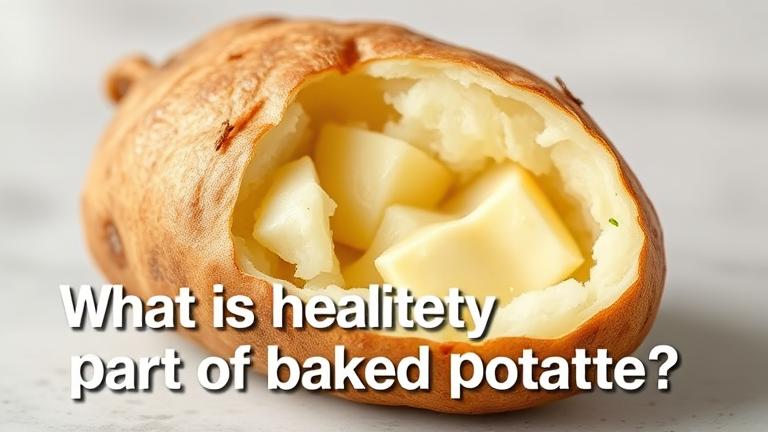
Introduction to Baked Potatoes
Baked potatoes are a classic comfort food loved by many for their simple, hearty flavor and versatility. They are easy to prepare and can be served as a main dish or a side. Baking brings out the natural sweetness and soft texture of the potato, making it a popular choice for quick weeknight dinners or special gatherings.
The popularity of baked potatoes spans cultures and cuisines. You can find them topped with everything from savory cheese and sour cream to hearty chili or fresh herbs. Their neutral flavor makes them the perfect blank canvas for both savory and even some sweeter toppings like apples or cinnamon.
A baked potato starts with a starchy vegetable called a potato, which is rich in carbohydrates. Potatoes are also a good source of vitamin C, potassium, and dietary fiber. When baked, the potato’s outer skin forms a crispy shell, while the inside becomes soft and fluffy. This texture contrast is part of what makes baked potatoes so enjoyable to eat.
It’s helpful to understand the basic nutritional profile of a baked potato. A medium-sized potato, about 150 grams, contains roughly 130 calories, mostly from carbs. It provides nearly 4 grams of fiber, which is good for digestion. Potatoes are low in fat and sodium, making them a nutritious addition to many meals when prepared simply.
Keep in mind that toppings and fillings can significantly change the health profile of baked potatoes. For example, adding cheese or sour cream will increase calories and fat, while fresh vegetables boost vitamins and fiber. Choosing healthy toppings helps you enjoy baked potatoes as part of a balanced diet.
In the next sections, you will learn how to prepare baked potatoes perfectly, from choosing the right ones to getting the ideal crunchy skin and fluffy interior. Understanding these basics helps ensure your baked potatoes turn out delicious every time.
- Use russet potatoes for the best baking results—these have the high starch content that creates a fluffy interior.
- Wash potatoes thoroughly before baking to remove dirt and prevent any unwanted grit.
- Prick the skin with a fork before baking to allow steam to escape and prevent bursting in the oven.
- For extra flavor, rub the skin with a little olive oil and sprinkle with salt before baking.
Nutritional Benefits of the Potato Skin
When you think about a baked potato, you might focus on the fluffy inside, but the skin is actually the most nutritious part. Potato skins are rich in fiber, vitamins, and minerals that can boost your health in many ways. Eating the skin along with the flesh helps you get the full nutritional profile of the vegetable. In this section, we’ll explore why potato skin is considered the healthiest part of a baked potato and how it benefits your body.
One of the standout benefits of potato skin is its high fiber content. Dietary fiber is essential for good digestion and can help prevent constipation. It also supports healthy weight management by making you feel full for longer. A medium-sized baked potato with skin contains about 3 grams of fiber, which is roughly 12% of the daily recommended intake. For even more fiber, keep the skin on when you bake or cook your potatoes.
Besides fiber, potato skins are packed with important micronutrients. They contain significant amounts of vitamins such as vitamin C, B6, and some folate. These vitamins are vital for energy production, immune health, and cell repair. The skin also provides minerals like potassium, magnesium, and iron. Potassium is especially important for maintaining a healthy blood pressure level and supporting proper muscle function.
| Nutrition | Amount in a Medium Potato with Skin | Health Benefits |
|---|---|---|
| Fiber | 3 grams | Supports digestion and helps keep you full |
| Vitamin C | 17 mg | Boosts immune system and skin health |
| Potassium | 926 mg | Regulates blood pressure and nerve function |
| Magnesium | 48 mg | Contributes to muscle and nerve health |
| Iron | 0.8 mg | Helps in oxygen transport and energy production |
It’s worth noting that many nutrients are concentrated right in the skin, so peeling your potato before cooking can reduce the health benefits. When preparing baked potatoes, try to scrub the skin thoroughly to remove dirt and pesticides. You can eat the skin alone or topped with healthy options like herbs, a drizzle of olive oil, or a small amount of cheese.
- Choose organic potatoes if you’re concerned about pesticides on the skin.
- Wash potatoes well before baking to remove dirt and bacteria.
- Avoid peeling when possible for maximum nutrition.
- Consider baking with the skin on and slicing into salads or snacks.
In summary, the potato skin is a treasure trove of nutrients that can help improve digestion, boost immunity, and support overall health. Incorporating the skin into your baked potato not only enhances flavor but also ensures you’re getting the full health benefits of this versatile vegetable.
Comparing Potato Flesh and Skin Nutrients
When it comes to potatoes, many home cooks wonder whether to peel them or cook them with the skins on. The answer depends on what nutrients you want to get from your potatoes. Both the flesh and the skin contain important vitamins, minerals, and fiber, but in different amounts. Knowing these differences can help you make healthier choices in the kitchen.
The potato flesh, which is the soft, white or yellow part of the vegetable, is a good source of carbohydrates. It provides energy through starch, which is the natural storage form of sugar. The flesh also contains some vitamins like vitamin C and certain B vitamins such as B6, which support energy metabolism and immune health. However, compared to the skin, the flesh has fewer minerals and dietary fiber.
The skin of the potato is packed with nutrients, especially fiber, vitamins, and minerals. Fiber is important for digestion and helps keep your gut healthy. It can also aid in controlling blood sugar levels and supporting weight management. The potato skin is rich in mineral content, including potassium, magnesium, and iron. Potassium helps regulate blood pressure and maintain proper nerve and muscle function. Magnesium supports muscle and nerve function, while iron is essential for healthy blood cells.
Nutrient Comparison Table
| Nutrient | Potato Flesh (per 100g) | Potato Skin (per 100g) |
|---|---|---|
| Calories | 77 | 70 |
| Dietary Fiber | 2.2 grams | 2.2 grams |
| Vitamin C | 8 mg | 20 mg |
| Potassium | 429 mg | 535 mg |
| Magnesium | 23 mg | 11 mg |
| Iron | 0.81 mg | 0.87 mg |
As seen in the table, the potato skin contains almost double the vitamin C and more potassium than the flesh. The fiber content is similar in both parts, which makes consuming the skin beneficial for digestion. However, some people choose to peel potatoes because of the earthy or tough texture of the skin or to remove any dirt or pesticide residues. Washing potatoes thoroughly can help make the skin safe to eat and retain all these nutrients.
For the most nutritional benefit, try cooking potatoes with the skins on. Baking, boiling, or roasting with the skin still on helps preserve their vitamin and mineral content. If you prefer peeled potatoes for a smoother texture, remember that you’re removing some valuable nutrients. You can compensate by incorporating other fiber-rich foods into your meal or choosing organic potatoes that are less likely to have pesticides on the skins.
- Tip: Always scrub potatoes well under running water to clean off dirt and residues before cooking with the skin on.
- Be cautious if you have food sensitivities or if the skin shows green spots or sprouts, which can contain toxins.
- For added flavor, brush the skins with a little olive oil and herbs before roasting.
How Cooking Affects Nutritional Content
When you cook a potato, whether you bake it, boil it, or roast it, the method you choose can change its nutritional profile. Potatoes are a good source of vitamins, minerals, and fiber, both in their flesh and in their skin. Understanding how different cooking techniques influence these nutrients can help you make healthier choices and enjoy baked potatoes to their fullest.
Cooking can cause some nutrients to break down or escape, especially water-soluble vitamins like vitamin C and certain B vitamins. For example, boiling potatoes can lead to the loss of these nutrients into the cooking water. On the other hand, baking and roasting tend to preserve more of these vitamins because there’s less water involved. However, high temperatures can sometimes reduce heat-sensitive nutrients, so it’s a balance.
The potato skin contains a lot of the fiber, antioxidants, and some vitamins. Keeping the skin on while cooking helps maximize these health benefits. When you peel a potato, you remove much of the fiber and nutrients, especially antioxidants that reside just beneath the skin. So, for the most nutritional value, it’s best to scrub the skin thoroughly and bake or roast the potato with the skin intact.
Different cooking methods also affect the glycemic index (GI) of potatoes, which measures how quickly they raise blood sugar levels. Baking potatoes tends to have a higher GI compared to boiling, meaning they can cause a quicker spike in blood sugar. To minimize this, you might consider incorporating some cold storage after baking, as cooling the cooked potato can form resistant starches that are better for blood sugar control.
When preparing baked potatoes for maximum health benefits, here are some practical tips:
- Start with a fresh, firm potato and scrub the skin thoroughly.
- Opt for baking at a moderate temperature, around 375 to 400 degrees Fahrenheit, to preserve nutrients and prevent over-browning.
- Keep the skin on for added fiber and antioxidants.
- Avoid adding large amounts of butter or sour cream. Instead, try topping your potato with herbs, a drizzle of olive oil, or a small amount of cheese for flavor without excess calories.
- If you want to reduce the glycemic index, let the baked potato cool for about 15 minutes before eating. This cooling process forms resistant starches, which are beneficial for blood sugar control.
Be mindful that overcooking or burning a baked potato can cause nutrient loss and produce harmful compounds. Always check that your potato is cooked through but not overly crisp or blackened. Proper preparation and cooking methods help you enjoy the nutritional benefits of potatoes while keeping your meals tasty and healthy.
Tips for Eating the Healthiest Part
The baked potato is a versatile and nutritious comfort food when eaten the right way. If you want to maximize its health benefits, focusing on the healthiest part of the potato is a great place to start. The good news is that most of the nutrients are found just beneath the skin, so choosing the right parts and preparing them properly can make a big difference.
First, always try to eat the potato with its skin. The skin is packed with fiber, vitamins, and minerals that support digestion and overall health. When peeling a baked potato, remove only the skin to keep these healthy components intact. If you prefer, gently scrub the skin under cold running water to clean off any dirt or residue before baking.
Next, consider how you prepare and serve your baked potato. Baking helps preserve most of the nutrients, especially when compared to boiling or frying. To keep nutrients in, bake the potato until it’s soft but not overcooked. Use a fork to check doneness—if it slides in easily, your potato is ready.
Adding toppings can either boost or diminish the healthfulness of your baked potato. Choose toppings that align with your health goals. For example, instead of sour cream or butter, try Greek yogurt. It provides protein and probiotics. Sprinkling a little cheese offers calcium and flavor, but keep portions moderate. Fresh herbs and vegetables like green onions, tomatoes, or steamed broccoli add vitamins and fiber without excessive calories.
Be mindful of portion size. A large baked potato can provide more calories and carbs than you need in one meal. Consider swapping to a medium-sized potato or sharing one with a friend. This way, you control your intake while still enjoying the satisfying taste.
If you’re really focused on nutrients, avoid peeling the entire potato when you want to maximize fiber intake. The flesh just below the skin is rich in resistant starch, which benefits gut health and helps control blood sugar levels. By eating the whole potato with its skin, you get that added fiber boost.
- Store raw potatoes in a cool, dark place to prevent sprouting and nutrient loss. Keep them away from onions, as they can cause spoilage faster.
- Cooked potatoes are best enjoyed within a few days. Store leftovers in an airtight container in the fridge and reheat thoroughly before eating.
- When reheating a baked potato, do so evenly to avoid hot spots that can cause bacteria growth. Baking in the oven or microwave until steaming hot is safest.
Finally, pair your baked potato with a healthy protein source like grilled chicken or beans to create a balanced meal. This not only enhances nutrition but also keeps you full longer. With these tips, you can savor your baked potato while making it as nutritious and wholesome as possible.
Common Myths About Potato Nutrition
Many people have heard various ideas about whether potatoes are healthy or not. It’s easy to get confused with so many opinions circulating. In this section, we will clear up some common myths about the nutritional value of different parts of a baked potato. You’ll see that potatoes can be a nutritious and versatile part of your diet.
First, a popular myth is that the potato skin is unhealthy or should be removed. Actually, the skin contains a lot of fiber, vitamins, and minerals. It adds important nutrients like potassium, vitamin C, and antioxidants. Eating the whole baked potato, including the skin, boosts your fiber intake, which can help digestion and keep you feeling full longer. If you prefer to peel your potato, it’s fine, but leaving the skin on makes it more nutritious and adds extra texture and flavor.
Another misconception is that baked potatoes are high in calories and should be avoided if you’re trying to lose weight. While it’s true that potatoes are a carbohydrate-rich food, they are naturally low in fat and calories when baked without added fats. A medium-sized baked potato has about 150 calories. It’s the toppings like butter, sour cream, or cheese that can add extra calories. If you’re watching your intake, try topping your potato with healthy options like Greek yogurt or fresh herbs instead of heavy fats.
Some people think that the white flesh of the potato is less healthy than colored types like sweet potatoes or purple potatoes. In reality, all potatoes, regardless of color, are good sources of vitamin C, potassium, and fiber. Sweet potatoes have more vitamin A, but white potatoes have their own unique nutrients. Each type offers different benefits, so incorporating a variety can be helpful.
A common myth suggests that potatoes cause blood sugar spikes worse than other carbs. While potatoes do contain carbohydrates that raise blood sugar, how you prepare and eat them makes a difference. Baking and eating potatoes with their skin has a lower glycemic index compared to deep-fried or mashed versions with added sugar. Pairing baked potatoes with protein or healthy fats can also help stabilize blood sugar levels.
Some people worry about the presence of solanine, a natural toxin found in potato skins. This fear is mostly based on overripe or sprouted potatoes. When potatoes are fresh, firm, and properly stored, the solanine levels are very low and not a concern for most people. Simply discard any green or sprouted potatoes before cooking.
To sum up, the idea that parts of the baked potato are unhealthy or that potatoes themselves should be avoided is a myth. When cooked properly, baked potatoes are a nutritious, filling, and adaptable food. Keep the skin on when possible, watch your toppings, and enjoy potatoes as part of a balanced diet. They are a versatile vegetable that can fit into many healthy eating plans.
Quick Tips for a Healthier Baked Potato
Eating baked potatoes can be a nutritious and satisfying meal if you choose the right ingredients and preparation methods. Whether you like yours plain or loaded with toppings, these quick tips will help you make a healthier version that’s both tasty and good for you.
Choose the Right Potato
- Select medium-sized organic russet potatoes or sweet potatoes. Sweet potatoes are packed with vitamins A and C, and they have more fiber. Russet potatoes are hearty and versatile, but opt for smaller ones to control portion sizes.
- Avoid large potatoes that can be high in calories and starch. Smaller potatoes help with portion control and make for a more balanced meal.
Prep with Healthier Techniques
- Wash potatoes thoroughly to remove dirt. Use a brush if needed for extra cleanliness.
- Instead of deep-frying or adding lots of butter, prick the potato with a fork and bake it directly in the oven or microwave. This reduces added fats and keeps it simple.
- If baking in the oven, wrap the potato in foil for softer skin or leave it unwrapped for a crisper exterior. Bake at 400°F (200°C) for about 45-60 minutes until tender. Microwave on high for 5-8 minutes per potato, turning halfway through.
- For extra flavor without added calories, brush the skin lightly with olive oil and sprinkle with herbs like rosemary or thyme before baking.
Healthier Topping Choices
- Swap sour cream or butter for Greek yogurt. It adds creaminess with fewer calories and more protein.
- Add fresh toppings like chopped tomatoes, green onions, peppers, or sliced avocado for flavor and nutrients without extra fat or calories.
- Use shredded cheese sparingly or choose a reduced-fat cheese option. A little goes a long way in adding flavor.
- Instead of processed or creamy toppings, try a squeeze of lemon juice or a dash of hot sauce for zest and flavor.
Extra Tips for a Healthier Meal
- If you like toppings, consider adding fiber-rich beans or black beans for added protein and fiber. They make your meal more filling and nutritious.
- Pair your baked potato with a side of steamed vegetables or a fresh salad to increase your vegetable intake and balance the meal.
- Watch portion sizes. A medium-sized baked potato with toppings should be enough as a filling, healthy meal or side.
Common Mistakes to Avoid
- Using excessive butter or sour cream, which adds unnecessary fat and calories.
- Overloading toppings that are high in fat or sugar, like bacon bits or cheese sauces, on every bite.
- Skipping washing the potato thoroughly, which might lead to dirt or pesticides remaining on the skin.
- Baking potatoes too long or at too high a temperature, which can dry them out or cause uneven cooking.
With these simple tips, you can enjoy a healthier baked potato that’s full of flavor and good for your body. Happy baking!