
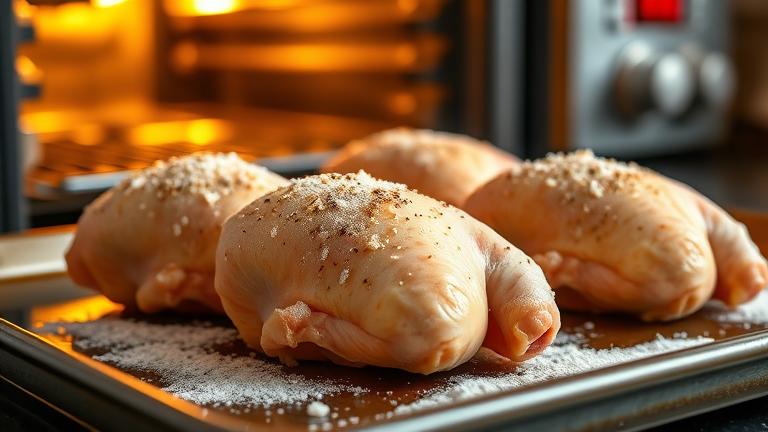
Introduction to Baking Chicken Legs
Baking chicken legs is a simple and delicious way to enjoy this flavorful cut of meat. Whether you’re a beginner or someone looking to perfect your technique, understanding the basics can help you create juicy, tender chicken every time. When you bake chicken legs, you get crispy skin on the outside and tender meat inside, making them a popular choice for family dinners and casual gatherings.
In this section, you’ll learn the key steps for baking chicken legs, including how long to cook them, the ideal oven temperature, and helpful tips to get the best results. Baking is a straightforward method, but small details can make a big difference in flavor and texture.
One of the first things to know is that chicken legs generally take about 35 to 45 minutes to bake in a preheated oven at 425°F (220°C). This time can vary based on the size of the legs and your oven’s accuracy. Using a meat thermometer is the best way to ensure they reach a safe internal temperature of 165°F (74°C). Cooking chicken to this temperature helps prevent foodborne illness and guarantees juicy, fully cooked meat.
What to Expect When Baking Chicken Legs
- Crispy skin: When baked with a little oil and seasoning, chicken legs develop a crisp exterior that seals in moisture.
- Tender meat: Proper baking times prevent the meat from becoming dry or tough.
- Flavorful results: Adding herbs, spices, or marinades can elevate the taste of baked chicken legs.
While it’s a simple process, there are a few common mistakes to watch out for. Overbaking can lead to dry meat, so keeping an eye on the cooking time and checking the internal temperature is crucial. Underbaking, on the other hand, risks leaving the meat unsafe to eat. Using a meat thermometer helps avoid both issues and guarantees a perfect, safe result.
In the next sections, you’ll learn about seasoning options, cooking tips, and how to make your baked chicken legs even more flavorful. Whether you prefer a classic roasted style or a seasoned marinade, baking can be customized to suit your taste. Ready to get started? Let’s explore the basic techniques that will turn your chicken legs into a homemade win.
Effects of Freezing on Cooking Time
When you freeze chicken legs, it can change how long they take to cook. Many home cooks notice that partially frozen chicken may need a little more time in the oven than fresh chicken. Understanding how freezing affects cooking time helps you get perfect results and avoid undercooked or overcooked food.
Freezing doesn’t just preserve food; it also impacts how heat penetrates the meat during cooking. When chicken legs are frozen solid, their internal temperature is much lower, so the heat from your oven or grill first has to thaw the meat before cooking it thoroughly. This means that if you throw in chicken that is still partially frozen, it will take longer to reach the safe internal temperature of 165°F (74°C) recommended by food safety experts.
For example, a thawed chicken leg might take about 35 to 40 minutes to cook at 375°F (190°C). But if the chicken is still partly frozen, you might need to add an extra 10 to 20 minutes. The key is to check the internal temperature with a meat thermometer—don’t rely on cooking time alone. Every oven is different, and the size or thickness of the chicken legs also matters.
Here’s a practical tip: if you’re cooking chicken straight from the freezer or partially frozen, plan for extra cooking time. Check the temperature regularly during the last few minutes of cooking. Don’t forget that even if the outside looks cooked, the inside might still be cold or unsafe to eat if the temperature hasn’t reached the recommended level.
Also, keep in mind that the method of cooking can influence how freezer-related changes in cooking time manifest. Baking, roasting, or grilling frozen chicken generally takes longer. But if you’re boiling or poaching, the water temperature used will also play a role—frozen meat might lower the water temperature initially, which can extend cooking time even more.
To reduce surprises when cooking chicken from the freezer, consider these tips:
- Thaw chicken legs in the refrigerator overnight for more uniform cooking.
- If you’re short on time, use the defrost function on your microwave before cooking. Just be careful not to start cooking it in the microwave.
- Always use a meat thermometer to ensure safety, rather than relying solely on visual cues or time estimates.
In summary, freezing can extend the cooking time of chicken legs, especially if they are only partially thawed. Planning ahead and checking internal temperatures are the best ways to ensure your chicken is perfectly cooked, safe, and tasty. Understanding this effect helps you avoid surprises and achieve the best results every time you cook from frozen or partly frozen meat.
How to Bake Partially Frozen Chicken Legs
Baking chicken legs that are only partially frozen is a common situation in home kitchens. Whether you forgot to fully thaw them or are running low on time, doneness and safety are still achievable with the right method. Baking partially frozen chicken legs requires a bit of extra care to ensure they cook evenly and reach the safe internal temperature.
First, remember that partially frozen chicken takes longer to cook than fully thawed meat. It’s important to adjust your baking time accordingly and use a reliable meat thermometer to check for doneness. This way, you can prevent undercooked chicken, which can be unsafe, or overcooked, which can dry out the meat.
Preparing the Chicken Legs
Start by preheating your oven to 375°F (190°C). While it heats, remove the partially frozen chicken legs from the freezer. You don’t need to thaw them completely, but if they are stuck together, gently separate the pieces with a knife or your hands. Remove any packaging and pat the chicken legs dry with paper towels. This helps the skin crisp up better during baking.
Seasoning and Seasoning Tips
Next, season the chicken legs as you like. A simple mix of salt, pepper, garlic powder, and paprika works well. Since the meat is partially frozen, the seasoning might not stick evenly at first. Don’t worry. You can add a little oil or melted butter to help the spices adhere. For extra flavor, consider adding fresh herbs like thyme or rosemary.
Baking Instructions
- Arrange the chicken legs on a baking sheet or in a baking dish. Use a wire rack if you want the heat to circulate evenly around the meat.
- Place the dish in the preheated oven. Because the chicken is only partially thawed, plan for a longer baking time—typically about 45 to 55 minutes. Check the meat after 45 minutes to prevent overcooking.
- It’s very important to use a meat thermometer to ensure the chicken reaches an internal temperature of at least 165°F (74°C). Insert the thermometer into the thickest part of the leg without touching the bone for an accurate reading.
- If your chicken hasn’t reached the safe temperature yet, continue baking. Check every 5 minutes until the correct temperature is reached.
Finishing and Serving
Once the chicken legs reach 165°F, remove them from the oven. Let them rest for about 5 minutes before serving. Resting allows the juices to redistribute, making the meat more tender and flavorful.
If you want crispy skin, you can broil the chicken legs for 2-3 minutes after baking, but keep a close eye to prevent burning. Serve your baked chicken legs with your favorite sides, like roasted vegetables or mashed potatoes.
Tips for Success
- Always check the internal temperature to ensure safety and doneness.
- If the chicken skin is not crispy enough, broil it for a few minutes at the end.
- Don’t forget to wash your hands and clean surfaces after handling raw chicken.
- Store leftovers in an airtight container in the refrigerator within two hours of cooking. Consume within three to four days for the best quality and safety.
With these steps, you can confidently bake partially frozen chicken legs that are delicious, safe, and cooked perfectly every time.
Tips for Ensuring Food Safety
When it comes to preparing food at home, ensuring safety is key to preventing foodborne illnesses. Proper handling, correct cooking temperatures, and checking internal temperatures are simple steps that make a big difference. Following these tips helps protect you and your loved ones while enjoying delicious meals.
Handle Food Safely from Start to Finish
Always wash your hands thoroughly with soap and water before and after handling raw foods. This removes bacteria that can spread easily, especially when working with raw meat, poultry, or seafood. Use separate cutting boards for raw meats and vegetables to avoid cross-contamination.
Keep raw foods separate from ready-to-eat items in grocery bags and within your refrigerator. Store raw meats on the bottom shelf so juices don’t drip onto other foods. Regularly clean and sanitize countertops, utensils, and cutting boards to keep everything hygienic.
Cook Food to the Proper Temperatures
The right cooking temperature kills harmful bacteria that may be present in raw ingredients. Always use a food thermometer to ensure your foods reach the safe internal temperature. For example, ground beef should be cooked to 160°F (71°C), and poultry to 165°F (74°C).
Thorough cooking not only makes your food safe but also enhances flavor and texture. Remember, visually checking if food looks done is not reliable. Using a thermometer is the best way to guarantee safety.
| Food Item | Safe Internal Temperature |
|---|---|
| Poultry (chicken, turkey) | 165°F (74°C) |
| Ground meats (beef, pork, lamb) | 160°F (71°C) |
| Whole cuts of beef, pork, lamb, veal | 145°F (63°C) and let rest for 3 minutes |
| Seafood | 145°F (63°C) |
| Egg dishes | 160°F (71°C) |
Tip: Check your thermometer’s calibration regularly to ensure accurate readings.
Check Internal Temperatures Correctly
Insert the thermometer deep into the thickest part of the meat, avoiding bones or fat, which can give inaccurate readings. For dishes like casseroles, check the temperature in the center or at several points to confirm even cooking.
Allow the thermometer to sit for a few seconds until the reading stabilizes. Record and compare it to recommended safe temperatures. If the food hasn’t reached safe levels, continue cooking and recheck.
Additional Tips for Food Safety
- Refrigerate perishable foods within two hours, or one hour if the temperature is above 90°F (32°C).
- Thaw frozen foods safely in the refrigerator, in cold water, or in the microwave. Never thaw foods at room temperature.
- Eat leftovers within three to four days and reheat them to 165°F (74°C) before eating.
- Stay alert for signs of spoilage, such as bad odor, slimy texture, or discoloration. When in doubt, throw it out.
Implementing these simple safety tips helps you enjoy home-cooked meals confidently. Remember, paying attention to handling, cooking, and checking temperatures keeps your food safe and delicious every time.
Common Mistakes to Avoid
When baking partially frozen chicken, it’s easy to make a few common mistakes that can affect the final taste and texture. Knowing what to watch out for can help you get perfectly cooked chicken every time. Here are some of the most frequent errors and how to avoid them.
One common mistake is baking the chicken straight from the freezer without adjusting the cooking time. When chicken is still partially frozen, it takes longer to cook evenly. If you ignore this extra time, you might end up with raw spots inside or overcooked edges. To prevent this, always plan for about 50% more cooking time than you would for thawed chicken. Use a meat thermometer to check the internal temperature. The safe cooked temperature for chicken is 165 degrees Fahrenheit (75 degrees Celsius).
Another mistake is not seasoning the chicken properly. Partially frozen chicken can be awkward to season because the surface might be icy or cold. This makes it harder for spices and marinades to stick. To get good flavor, season the chicken before placing it in the oven or coating it heavily. If it’s frozen, consider adding some salt, pepper, or spice rub on the surface while it’s still partially frozen, then season more thoroughly once it begins to thaw during cooking.
Overcrowding the baking dish is also a common error. Stacking or placing too many pieces close together traps steam and prevents the chicken from browning evenly. For crispy, golden edges, keep some space between each piece. If you’re baking a large amount, consider using multiple pans or batches to ensure each piece cooks properly.
Another oversight is not checking the internal temperature regularly. Relying solely on cooking time can be misleading because frozen or partially frozen chicken varies in thickness. Use a meat thermometer inserted into the thickest part of the meat to determine doneness. Remember, the chicken is safely cooked at 165 degrees Fahrenheit, but you may prefer to remove it from the oven slightly earlier if you notice it reaches this temperature sooner, to keep it juicy.
Additionally, neglecting to let the chicken rest after baking can lead to dry meat. Resting allows the juices to redistribute evenly throughout the meat. Let the chicken sit for a few minutes after removing from the oven before slicing or serving. This simple step helps keep your chicken moist and flavorful, especially when it’s been cooked from frozen or partially frozen.
Lastly, avoid baking at too high a temperature. While you want a nice crust or browning, setting the oven too hot can burn the outside before the inside is fully cooked. A moderate oven temperature of around 350 degrees Fahrenheit (175 degrees Celsius) works well for evenly cooked chicken, whether frozen or thawed.
- Remember to adjust cooking time for frozen or partially frozen chicken.
- Season generously and early to improve flavor.
- Maintain space between pieces for even cooking and browning.
- Use a meat thermometer to check for doneness.
- Let the chicken rest before slicing for better juiciness.
- Keep oven temperature moderate for even results.
Best Baking Temperatures and Times
Baking chicken legs to perfection involves using the right temperature and time to ensure they are cooked thoroughly and stay juicy. The goal is to reach a safe internal temperature without drying out the meat or undercooking it. When baking chicken legs, it’s important to balance these factors for the best results.
For juicy, tender chicken legs, most recipes recommend baking at temperatures between 375°F and 425°F (190°C to 220°C). Lower temperatures like 375°F give more even cooking and prevent the outside from burning before the inside is done. Higher temperatures such as 425°F lead to crispy skin and faster cooking, perfect for a quick dinner or a crisp exterior.
The baking time depends on the temperature you choose and the size of the chicken legs. On average, bone-in chicken legs take about 35 to 45 minutes at 375°F, while at 425°F, they can be ready in about 30 to 40 minutes. Always keep in mind that oven temperatures can vary, so using a meat thermometer is the best way to be sure they are cooked safely and perfectly.
To check if your chicken legs are cooked through, insert a meat thermometer into the thickest part of the leg, avoiding the bone. The safe internal temperature for cooked chicken is 165°F (74°C). When the thermometer reads this, you know the meat is fully cooked. If you like crispy skin, you can turn on the broiler for the last 2-3 minutes but watch closely so it doesn’t burn.
Here are some easy guidelines to follow:
- Bake at 375°F (190°C) for about 40 minutes for tender meat with slightly less crispy skin.
- Bake at 400°F (200°C) for around 35-40 minutes for a balance of juiciness and crispiness.
- Bake at 425°F (220°C) for 30-35 minutes for extra crispy skin, especially if your chicken pieces are small or boneless.
Remember to let the chicken rest for 5 minutes after baking. This helps the juices settle, making the meat more flavorful and tender. Cover loosely with foil during resting if you like to keep it warm.
Lastly, avoid the temptation to cut into the chicken immediately after baking. Checking the temperature is safer and more accurate than relying on sight or timing alone. This small step ensures that your chicken legs are both safe to eat and perfectly cooked.
Quick Tips for Perfect Chicken Legs
Getting perfectly baked chicken legs doesn’t have to be complicated. With a few simple tips, you can enjoy tender, juicy, and flavorful chicken that’s ready in no time. Whether you’re a busy home cook or just want a fuss-free main dish, these practical ideas will help you achieve great results every time.
Choose the Right Chicken Legs
Start with fresh or properly thawed chicken legs. Look for pieces that are plump and pinkish with smooth, unblemished skin. If you buy frozen, plan ahead to let them thaw in the refrigerator for 24 hours. Buying good-quality chicken makes a real difference in taste and texture.
Season Well and Early
To maximize flavor, season the chicken legs generously. You can use simple salt and pepper or add herbs and spices like paprika, garlic powder, or thyme. For the best flavor, season the chicken at least 30 minutes before baking. If you have more time, marinate the chicken for a few hours or overnight in the fridge.
Preheat Your Oven
Always start with a hot oven, around 400°F (200°C). A preheated oven ensures the chicken cooks evenly and gets a nice, slightly crispy skin. Avoid putting cold chicken into a cold oven. Give it enough time to reach the right temperature before putting in the chicken.
Use a Baking Sheet or Oven-Safe Pan
Place the chicken legs on a baking sheet lined with parchment paper or a lightly greased pan. Keep space between the pieces so they cook evenly. If you want extra crispy skin, you can broil the chicken for the last few minutes, but watch it carefully to prevent burning.
Keep an Eye on Cooking Time
Typically, chicken legs take about 35-45 minutes to bake. The most reliable way to check doneness is with a meat thermometer. The internal temperature should reach 165°F (74°C). Avoid overcooking, as it can dry out the meat, while undercooking can be unsafe.
Let the Chicken Rest
After baking, let the chicken rest for about 5 minutes before serving. Resting allows the juices to settle, making the meat more tender and easier to bite into. Cover loosely with foil if you want to keep it warm while resting.
Practical Tips to Save Time
- Use bone-in, skin-on chicken legs for the best flavor and texture. They stay moist and juicy.
- Season the chicken in advance or during cooking for maximum flavor with minimal effort.
- Line your baking sheet with foil or parchment paper for quick cleanup.
- Check the chicken early if you’re in a hurry; oven times can vary slightly.
- Pair your baked chicken with quick sides like steamed vegetables or a fresh salad for a complete meal.
Following these simple tips ensures your chicken legs will turn out tender, flavorful, and perfectly cooked with minimal fuss. Happy baking!