
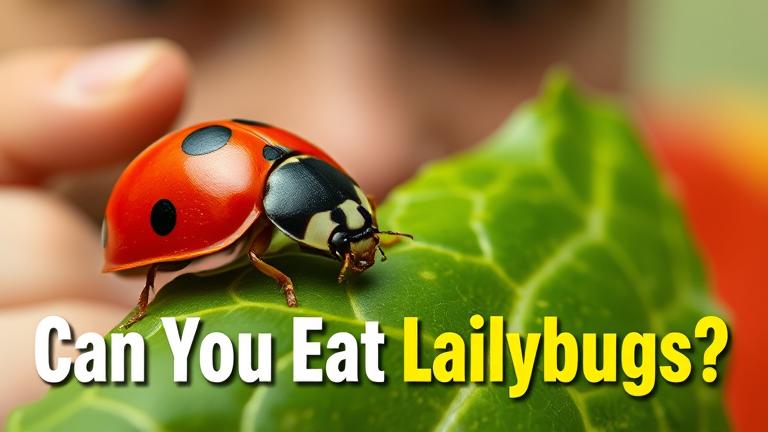
Ladybugs in the Kitchen: Are They Safe to Eat?
Ladybugs, also known as ladybird beetles, are often considered beneficial insects in gardens and farms. However, their safety for human consumption is a different matter altogether. They contain chemicals that can be toxic if ingested, making them unsafe to eat.
Catching Ladybugs at our School
Eating ladybugs can result in allergic reactions and gastrointestinal discomfort. These potential health risks should be taken seriously, and it is best to avoid consuming ladybugs altogether.
In addition, keeping ladybugs out of food areas is a practical safety measure. If they are found indoors, it is advisable to gently remove them outdoors rather than attempting to handle or eat them. Wearing gloves when handling these insects can also minimize exposure to any harmful substances they might carry. Ensuring food safety by preventing accidental ingestion is crucial for maintaining good health.
In summary, despite the fascination with insects as alternative foods, ladybugs should be avoided as a food source because of their toxic potential. Proper precautions and awareness can help prevent any negative health outcomes associated with ladybug exposure.
The Nutritional Value of Ladybugs: Myth or Fact?
Ladybugs have been examined for their potential as an unconventional food source due to their rich nutritional profile. They are notably high in protein, which is comparable to other edible insects. According to research from the Journal of Insect Science, ladybugs provide essential amino acids, healthy fats, and micronutrients like iron and zinc, which are vital for supporting human health.
Many cultures, particularly in parts of Asia, have historically consumed insects, including ladybugs, because they recognize their nutritional benefits. These insects are also seen as a sustainable alternative to traditional livestock, providing a high-yield source of protein with a lower environmental footprint. Insect consumption in these regions is integrated into traditional diets and culinary practices.
However, one must consider the safety aspects as well. Certain species of ladybugs secrete toxic compounds as a defense mechanism, which can be harmful if ingested in large quantities. While they are rich in nutrients, thorough research is needed to determine which species are safe for consumption. Proper processing methods and species identification are crucial to harness their nutritional potential safely.
The overall consensus suggests that, with caution and proper species selection, ladybugs could serve as an unconventional but valuable protein source. Their high nutritional value includes anti-inflammatory compounds naturally present in some species, further enhancing their dietary appeal. Nonetheless, the health benefits should be balanced with potential risks, emphasizing the importance of safety verification.
How to Identify Edible vs. Inedible Ladybugs
Correct identification of ladybug species is key to determining their safety for consumption. Not all ladybugs are alike; some pose health risks if ingested, while others are benign or beneficial. Visual cues such as color patterns, size, and markings aid in distinguishing safe species from harmful ones.
For example, the common seven-spotted ladybug is generally regarded as safe and even consumed in certain traditional cuisines. Conversely, the Asian lady beetle, which can be mistaken for the ladybug, may cause allergic reactions in some individuals and be toxic to pets if ingested. Recognizing these differences is vital for safety.
Expert identification involves paying attention to specific features such as the number of spots, shades of coloration, and the body shape. Well-documented markings and consistent patterns often indicate safe species, whereas irregular or unusual feature patterns could signal danger. Consulting entomology guides or professionals can facilitate accurate identification.
It is also important to avoid collecting ladybugs from environments treated with pesticides or chemicals, as these substances can contaminate the insects and pose additional health risks. When in doubt, seek professional guidance or avoid handling unknown species altogether. Proper identification ensures that potential edible insects are safe and free from toxins or harmful secretions.
For additional information, explore our related article on edible insects and safe consumption practices to better understand species selection and safety measures.
Potential Health Risks of Consuming Ladybugs
Consuming ladybugs carries several health risks that should not be overlooked. Because they are insects that may carry pesticides or other chemicals, ingestion can expose humans to harmful substances. This is especially concerning if the ladybugs have been in contact with treated plants or environments.
Allergic reactions are another significant concern. In some individuals, contact with ladybugs can cause skin irritation, respiratory issues, or more severe allergic responses. Symptoms may include skin rashes, breathing difficulties, or swelling, which necessitate prompt medical attention.
In addition to chemical exposure and allergies, some ladybug species secrete toxic compounds as a defense mechanism. These chemicals can be harmful if ingested or handled improperly. For example, certain Asian lady beetle species produce irritants that can cause gastrointestinal discomfort or allergic responses.
Therefore, it is generally recommended to avoid eating ladybugs unless their species and safety have been thoroughly verified. Educating oneself on identification and handling practices is necessary, especially if considering their inclusion in traditional or experimental dishes. Being aware of these risks helps protect health while exploring alternative protein sources such as insects.
Remember, safety always comes first. If you suspect accidental ingestion or experience adverse reactions, seek medical assistance promptly.
The Ethics and Cultural Perspectives on Eating Ladybugs
Cultural attitudes towards consuming ladybugs are diverse and rooted in historical practices, beliefs, and environmental concerns. In some cultures, ladybugs are regarded as symbols of good luck and beneficial insects. These societies often view them not only as pests but as valuable components of a sustainable ecosystem.
In parts of Asia, edible insects including ladybugs are integrated into traditional diets. They are considered a sustainable protein source that can help address food security and environmental issues. The consumption of ladybugs is seen as eco-friendly and part of a broader acceptance of insects as food.
Conversely, in many Western countries, bugs are still largely perceived as pests and health risks. This results in ethical debates about insect consumption, with concerns over animal welfare, cleanliness, and safety. The shift towards viewing insects as sustainable food options is gaining momentum, driven by environmental awareness and the need for alternative protein sources.
With increasing global acceptance of edible insects, attitudes are gradually changing. Many food companies now include insect-based products like protein bars and snacks in their offerings. This aligns with a broader movement towards sustainable eating and reducing reliance on traditional livestock.
The ethical considerations also involve environmental impacts, treatment of insects, and cultural sensitivities. Education about the safety, nutritional value, and ecological benefits of insect consumption can help shift perceptions and promote acceptance.
For further insights, explore our linked article on insect-based foods and sustainability efforts to understand the broader implications of incorporating insects like ladybugs into diets.