
Is it safe to cook frozen turkey burgers?
Cooking frozen turkey burgers is safe, but it’s important to follow some guidelines to ensure they are cooked thoroughly and safely. Many home cooks wonder if they need to thaw the burgers first or if they can cook from frozen directly. The good news is, you can cook turkey burgers straight from the freezer, but patience and attention to detail are key.
Raw poultry, including turkey, can harbor bacteria like Salmonella or Campylobacter. These bacteria are killed only through proper cooking. If you don’t cook the turkey burger to the right temperature, you risk foodborne illness. That’s why it’s essential to handle frozen turkey burgers safely and cook them evenly.
Handling frozen turkey burgers safely
- Keep the burgers frozen until you are ready to cook. Do not leave them out at room temperature for extended periods.
- If you prefer to thaw the burgers first, do so in the refrigerator overnight. This is the safest method and ensures even cooking.
- Alternatively, if you’re in a hurry, you can cook them directly from frozen, but you will need to adjust cooking times accordingly.
Cooking turkey burgers from frozen
Cooking frozen turkey burgers on the stovetop or grill is convenient. You just need to increase the cooking time slightly to ensure they cook through. For stovetop cooking, follow these steps:
- Heat a skillet over medium heat. Add a bit of oil if needed.
- Place the frozen turkey burger in the skillet. Do not thaw beforehand.
- Cook for about 4-6 minutes on one side until nicely browned.
- Flip and cook for another 4-6 minutes. Cover the pan if necessary to help the inside cook evenly.
- Use a meat thermometer to check the internal temperature. It should reach at least 165°F (74°C) to be safe to eat.
If you’re using a grill, follow similar steps: cook for a bit longer on each side and check the temperature. Keep in mind that cooking times can vary depending on the thickness of the burger and the heat of your grill or skillet.
Why temperature safety matters
The most reliable way to ensure your turkey burger is safe is to use a meat thermometer. The USDA recommends cooking poultry to an internal temperature of 165°F (74°C). This temperature kills harmful bacteria that could cause food poisoning.
Be sure to insert the thermometer into the thickest part of the burger. Avoid touching the cooking surface or the pan’s sides. If the temperature is below 165°F, continue cooking until it reaches the safe zone.
Common mistakes to avoid
- Skipping the temperature check. Relying solely on cooking time might not be enough.
- Overcooking, which can lead to dry, tough burgers. Use the thermometer to avoid this.
- Thawing at room temperature, which can promote bacterial growth. Always refrigerate or cook directly from frozen.
Extra tips for success
- Use a good-quality meat thermometer for accurate readings.
- Even if cooking from frozen, avoid pressing down on the burger, as this releases juices and can dry out the meat.
- Let the cooked turkey burger rest for a few minutes before serving. This helps the juices redistribute and keeps it moist.
Following these guidelines will help you enjoy delicious, safe-to-eat turkey burgers straight from the freezer. Remember, safety first, and don’t forget to check that internal temperature!
Best methods to cook frozen turkey burgers
Cooking frozen turkey burgers can be quick and easy, especially when you want a tasty meal without the hassle of thawing. The key is to choose a method that ensures the burgers are cooked evenly, stay juicy, and reach a safe internal temperature. Here are some of the best methods to cook frozen turkey burgers, with practical tips to help you get the best results.
Oven Method
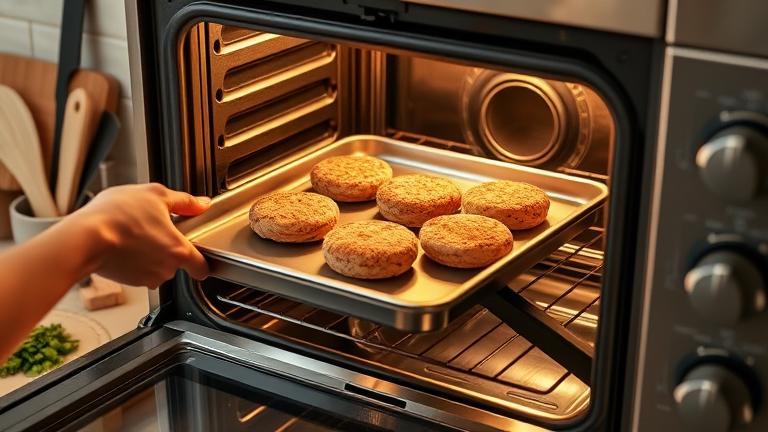
The oven is a convenient way to cook frozen turkey burgers evenly. Preheat your oven to 375°F (190°C). Line a baking sheet with parchment paper or lightly grease it to prevent sticking. Place the frozen turkey burgers on the sheet, leaving some space between each patty.
Cook the burgers for about 25-30 minutes. Flip them halfway through cooking to ensure they brown evenly on both sides. Use a meat thermometer to check the internal temperature, which should be at least 165°F (74°C) for safety. The burgers will be juicy and fully cooked without much effort.
Stovetop Method
This method is quick and allows for more control over the cooking process. Use a skillet or frying pan with a little oil or non-stick spray. Heat the pan over medium heat. Once hot, place the frozen turkey burgers in the pan.
Cook the burgers for approximately 10-12 minutes, turning them every few minutes. Keep an eye on the heat to prevent burning. Check that the internal temperature hits 165°F (74°C) before serving. Lid the pan if you want the burgers to cook faster and stay moist, but remove the lid near the end to let excess moisture evaporate for browning.
Grilling Method
Grilling frozen turkey burgers adds a smoky flavor and nice char. Preheat your grill to medium-high heat. Lightly oil the grill grates to prevent sticking. Place the frozen patties directly over the heat.
Grill for about 12-15 minutes, turning once or twice. Use a meat thermometer to verify the internal temperature reaches 165°F (74°C). Be cautious of flare-ups from drippings, so keep a close eye and control the flames if necessary.
Tips for Convenience and Quality
- Always check the internal temperature to ensure safety and juiciness.
- If the outer surface cooks faster than the center, lower the heat slightly and cover the pan or loosely tent the burgers with foil during oven or stovetop cooking.
- For extra flavor, season the burgers before cooking or add toppings after they are cooked.
- To save time, consider using a food thermometer with an alarm to avoid overcooking.
- For best results, avoid thawing the burgers before cooking, as cooking from frozen helps maintain moisture and prevents overhandling.
With these methods, you can enjoy delicious, perfectly cooked frozen turkey burgers whenever you like. Just remember to cook them thoroughly and keep an eye on the internal temperature for safety and taste.
Tips for perfectly cooked turkey burgers
Cooking turkey burgers just right can make all the difference in your meal. With a few simple tips, you can ensure they’re flavorful, juicy, and cooked to safety standards. Whether you’re new to making turkey burgers or looking to improve your technique, these friendly suggestions will help you achieve delicious results every time.
First, seasoning is key. Since turkey is leaner than beef, it tends to be milder and can dry out more easily. To keep your burgers tasty and moist, add ingredients like chopped onions, garlic, herbs, or a splash of olive oil to your ground turkey mixture. Salt and pepper are basic but essential, and spices like paprika, cumin, or chili powder can add a nice flavor boost. Mix the seasonings gently — overworking the meat can make your burgers dense and tough.
When shaping the patties, make them about ½ inch thicker in the center and slightly thinner around the edges. This helps them cook evenly and prevents them from puffing up in the middle. Also, create a small indentation in the middle of each patty with your thumb; this creates a flat top and stops the burger from doming while cooking.
Temperature control is crucial for perfectly cooked turkey burgers. Use a meat thermometer to check the internal temperature. The USDA recommends reaching an internal temperature of 165°F (74°C) for ground poultry. Insert the thermometer into the thickest part of the burger, avoiding contact with the pan or grill. This guarantees safety from bacteria and ensures the burger is cooked through without becoming dry.
Cooking methods vary — you can grill, cook in a skillet, or broil in the oven. For grilling, preheat your grill to medium-high heat. Cook each side for about 4-5 minutes or until the internal temperature hits 165°F. In a skillet, use a bit of oil and cook over medium heat, flipping gently once the sides are browned. Keep an eye on the temperature to avoid overcooking.
Presentation and serving matter too. Let the cooked burgers rest for a couple of minutes before serving. This helps juices redistribute, keeping the patties moist. Top your turkey burger with fresh toppings like lettuce, tomato, and onions, and add a slice of cheese if you like — just make sure it melts nicely without drying out the meat.
- Use a meat thermometer to check doneness and prevent overcooking.
- Avoid pressing down on the burger with a spatula, which can make the juices escape.
- Don’t overload the burger with toppings; keep it balanced so the patty stays moist.
- For extra flavor, marinate the ground turkey with herbs or citrus for a few hours before shaping.
- Rest the burger a few minutes after cooking for juicier results.
With these practical tips, you’ll master the art of cooking turkey burgers that are tender, flavorful, and safe to eat. Enjoy your perfectly cooked creations at your next cookout or weeknight dinner!
Common mistakes to avoid when cooking frozen turkey burgers
Cooking frozen turkey burgers can be quick and easy, but it also comes with some common pitfalls. Whether you’re new to grilling or just trying to perfect your method, avoiding these mistakes will help ensure your burgers are safe to eat and tasting great.
One of the biggest errors people make is undercooking the turkey burgers. Since turkey is a lean meat, it can dry out easily if not cooked properly. More importantly, raw turkey may carry bacteria that can cause foodborne illness. To avoid this, always use a meat thermometer to check the internal temperature. The USDA recommends cooking turkey burgers to at least 165°F (74°C). Once they reach this temperature, they are safe to eat and should be juicy but thoroughly cooked through.
On the flip side, overcooking is another common mistake. Overdone turkey burgers tend to become dry and tough, making them less enjoyable to eat. To prevent this, cook your burgers over medium heat and keep a close eye on them. Using a thermometer is again your best friend here. When the burgers hit 165°F, remove them from the heat immediately. Remember, residual heat will keep increasing the internal temperature slightly even after removing from the stove or grill, so subtract a degree or two from your target temperature.
Another mistake is not properly thawing the burgers before cooking. Sometimes, frozen turkey burgers are cooked directly from the freezer to save time. While this is possible, it can lead to uneven cooking—outer parts may become overdone while the inside remains undercooked. If you prefer to cook from frozen, expect a longer cooking time and be extra vigilant with the internal temperature. For the best results, it’s often better to thaw the burgers in the refrigerator overnight or in cold water before cooking. This helps them cook more evenly.
Overcrowding the pan or grill is another common slip-up. When too many burgers are cooked together, the heat drops, causing uneven cooking and longer cook times. For even results, leave space between each burger. This allows hot air or heat to circulate, cooking all sides evenly.
Using too high heat is also a mistake that can cause the outside to burn before the inside is fully cooked. Always start with medium heat and adjust as needed. If the outside gets too dark but the inside isn’t done, lower the heat and cover the pan or grill briefly. This traps heat and helps cook the burger evenly without burning the exterior.
Lastly, seasoning your burgers beforehand is important, but avoid adding too much salt or spices before cooking. Excess salt can draw out moisture and make the burger dry. Instead, season after cooking if needed, or add seasonings just before forming the patties to keep the meat moist and flavorful.
In summary, pay attention to internal temperature, avoid uneven thawing, cook over moderate heat, and give your burgers room to breathe. These small adjustments will make a big difference in turning frozen turkey burgers into a safe and tasty meal.
How long to cook frozen turkey burgers?
Cooking frozen turkey burgers can be a quick and easy way to enjoy a healthy and tasty meal, even if you forget to defrost them first. Knowing the right cooking times helps ensure they are safe to eat and come out juicy and flavorful. In this guide, you’ll find approximate durations and learn what factors influence cooking times for frozen turkey burgers.
When cooking directly from frozen, it’s important to give them a little extra time compared to thawed patties. Typically, cooking frozen turkey burgers takes about 20 to 25 minutes on the grill, in the oven, or on the stovetop. If you’re using a grill or outdoor barbecue, plan for around 20 minutes, turning halfway through to ensure even cooking.
For oven baking, preheat your oven to 400°F (200°C). Place the frozen turkey burgers on a baking sheet lined with parchment paper or a lightly greased rack. Bake for approximately 20 to 25 minutes, flipping halfway through to promote even browning.
On the stovetop, cook the frozen turkey burgers in a skillet over medium heat. Use a little oil or cooking spray to prevent sticking. Cover the skillet with a lid to help the burgers cook evenly. Expect to cook them for about 20 minutes, turning occasionally to prevent burning and ensure the inside reaches a safe temperature.
The most crucial factor in cooking times is the internal temperature. The USDA recommends that ground turkey reach a minimum of 165°F (74°C) to be safe for consumption. Using a meat thermometer is the best way to guarantee your turkey burgers are fully cooked.
Several factors can influence how long it takes to cook frozen turkey burgers:
- Burger thickness: Thicker patties take longer to cook through than thinner ones. For standard-sized patties (about ¾ inch thick), plan on 20-25 minutes.
- Cooking method: Grilling, baking, or stovetop cooking will have slight differences in timing. Grilling tends to cook evenly and quickly, but oven baking offers more controlled heat.
- Starting temperature: Since the patties are frozen, they start at a very low temperature, so give them a few extra minutes to reach a safe internal temperature.
- Surface heat: Higher heat can cause the outside to cook faster than the inside, so moderate heat and turning frequently help cook evenly.
- Atmospheric conditions: outdoor cooking on a windy day or in cold weather might slightly increase cooking time.
Tips for best results:
- Always use a meat thermometer after 20 minutes to check for doneness.
- If your burgers are thick or you want them extra browned, extend cooking time gradually but ensure they reach 165°F inside.
- Avoid overcrowding the pan or grill, which can lower the temperature and increase cooking time.
- If the outside looks cooked but the inside isn’t at a safe temperature, cover with foil and cook for a few more minutes.
By keeping an eye on internal temperature and adjusting based on your cooking method, you can enjoy perfectly cooked frozen turkey burgers every time. Remember, patience pays off when aiming for juicy, safe, and delicious results.
How to check if turkey burgers are done?
Cooking turkey burgers safely is important because undercooked poultry can cause foodborne illnesses. To make sure your turkey burgers are fully cooked, you need to check for the right internal temperature and look for visual clues. These methods will help you avoid eating burgers that are too raw or overdone.
The best way to determine if your turkey burgers are done is by using a meat thermometer. This is a reliable tool that measures the internal temperature of the meat. When cooking ground turkey, you want the thermometer to read at least 165°F (74°C). This temperature ensures that any harmful bacteria are eliminated and the burger is safe to eat.
Using a meat thermometer
- Insert the thermometer probe into the thickest part of the burger. Be careful not to touch the grill or pan sides, as this can give a false reading.
- Wait a few seconds until the temperature stabilizes. If you see 165°F or higher, your turkey burger is fully cooked.
- If the temperature is below 165°F, continue cooking and check again after a few minutes.
Remember to clean your thermometer after every use to keep it accurate and hygienic. Using a digital probe thermometer is quick and easy, making it the ideal choice for checking individual burgers.
Visual cues to look for
If you don’t have a thermometer, you can look for these signs that your turkey burgers are done:
- The juices run clear when you cut into the burger. If the juices are pink or bloody, it needs more cooking.
- The color of the meat should be light brown all over, with no pink spots. Remember, turkey can look slightly pink even when fully cooked due to its color, so don’t rely solely on this.
- The texture should be firm but not dry. Overcooked turkey tends to be dry and crumbly, so aim for a juicy, firm burger.
Keep in mind that visual checks can sometimes be misleading, especially with ground turkey. For food safety, using a meat thermometer is the most accurate method. If you’re unsure, it’s better to be safe and cook the burger a little longer.
Common mistakes to avoid
- Checking only the surface of the burger. The inside may still be undercooked if you don’t measure the internal temperature.
- Not cleaning your thermometer after each use. Bacteria from raw meat can contaminate other foods if you don’t wash it properly.
- Ignoring visual signs and relying only on appearance. Always double-check with a thermometer when in doubt.
By following these tips, you can ensure your turkey burgers are both safe to eat and delicious. Remember, proper cooking makes all the difference in enjoying a juicy, flavorful burger without worries.
Final thoughts: Delicious turkey burgers every time
Making tasty turkey burgers at home is simple once you remember a few key tips. The right combination of ingredients, proper handling, and cooking techniques can help you achieve juicy, flavorful burgers every time. Whether you’re grilling outdoors or pan-frying in the kitchen, these pointers will help you get the best results.
First, choose high-quality ground turkey. Look for lean but not too dry, and consider mixing in ingredients like diced onions, garlic, or herbs to boost flavor. Adding a little bit of moisture, such as a splash of olive oil or even a spoon of Greek yogurt, can keep your burgers tender and juicy.
When shaping your patties, handle the meat gently. Overworking it can lead to dense, tough burgers. Make each patty about the same thickness to ensure they cook evenly. Also, create a small indentation in the center of each patty. This helps prevent them from puffing up and ensures a more uniform cook.
Cooking turkey burgers to the right temperature is essential for safety and flavor. Use a meat thermometer to check that the internal temperature reaches 165°F (74°C). Avoid guesswork, as undercooked poultry can be unsafe, while overcooking can dry out the meat. Keep in mind that turkey is leaner than beef, so it may need slightly less time if cooked carefully.
Cooking methods vary, but grilling, pan-frying, and broiling are popular choices. For grilling, oil the grates lightly and don’t press down on the patties while cooking, which can squeeze out juices. For stovetop cooking, use a non-stick skillet or a well-seasoned cast iron pan, and cook over medium heat for about 4–5 minutes per side. Brown the outside well but avoid overdoing it, to keep the inside moist.
- Rest your burgers for a few minutes after cooking. This allows juices to settle and results in a more flavorful bite.
- Experiment with toppings and condiments. Fresh lettuce, tomato, and a healthy smear of mustard or avocado can elevate your burger experience.
- Practice food safety by storing raw turkey properly—keep it refrigerated and cook it thoroughly to avoid any risk of foodborne illness.
Remember, the key to perfect turkey burgers is balancing flavor, texture, and safety. With a little practice, you’ll quickly get the hang of it and be able to serve up delicious, healthy burgers that everyone will love. Have fun experimenting with different ingredients and cooking methods to find your perfect turkey burger style.