
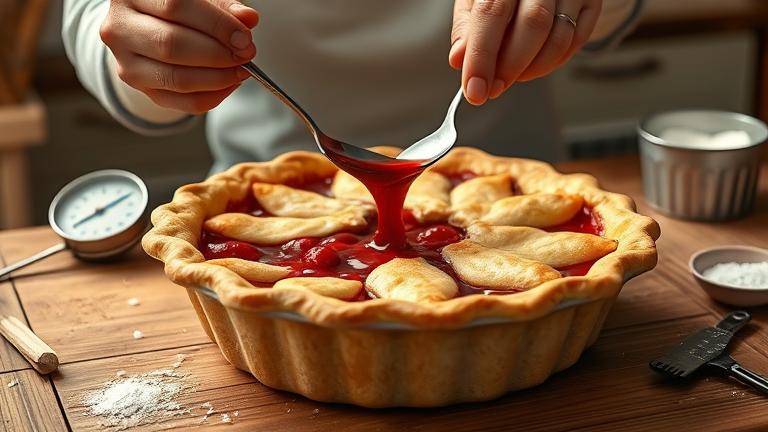
Causes of a Runny Pie
Having a runny pie can be frustrating, especially when you’re eager to enjoy a beautifully set filling. Many home cooks encounter this issue at some point. Understanding the common causes of a runny pie can help you avoid mistakes and fix problems when they happen.
One of the main reasons a pie turns out runny is because the filling hasn’t cooked long enough or at the right temperature. Pies with fruit, custard, or cream fillings need sufficient heat to thicken properly. If the pie is removed from the oven too early, the filling remains too liquid. Remember, even if the crust looks golden, the filling might still need more time to set.
Another common cause is using too much liquid in the filling. For example, when baking fruit pies, using high-moisture fruits like berries without draining or thickening agents can make the filling watery. Likewise, adding too much juice or syrup can contribute to excess liquid. It’s best to use thickeners like cornstarch, flour, or tapioca, which absorb moisture and help create a firmer filling.
Overfilling the pie is also a frequent mistake. When the filling is too full, it may prevent the pie from baking evenly and cause the liquid to pool. Always leave some space at the top to allow the filling to bubble and thicken without spilling over or making the pie soggy.
Next, the type and quality of thickeners matter. Cornstarch, for example, can lose its thickening power if not cooked long enough after adding it. On the other hand, undercooking the filling can leave it too runny. Make sure to follow your recipe’s instructions, especially when it recommends cooking the filling before baking or adding thickening agents at specific times.
Proper baking temperature and time are crucial. Baking at too low a temperature might not allow the filling to reach the necessary heat to thicken. Conversely, baking too quickly on high heat can cause the crust to burn before the filling sets. Find the right temperature and duration based on your recipe, and don’t be tempted to rush the process.
Sometimes, the problem isn’t even in the cooking process but in how the pie is cooled. Cutting or serving the pie before it has fully cooled can make the filling seem runny. Let the pie sit at room temperature for a few hours after baking. This allows the filling to stiffen up and gives you a beautifully set pie.
- Use the right thickening agents and follow their instructions carefully.
- Don’t overfill the pie—leave some headspace for bubbling and thickening.
- Bake at the correct temperature for the recommended time.
- Let the pie cool completely before slicing or serving.
Recognizing When a Pie Is Too Runny
One common challenge when baking pie is ending up with a filling that is too runny. No one wants to cut into a pie only to see a liquid mess spilling out. Being able to spot the signs early can save your dessert from disappointment and help you choose the best fix.
The first sign that your pie filling might be too runny is a very soft or jiggly consistency when you gently shake or tap the pie. If the filling wobbles like jelly or feels liquidy even after baking, it’s often a clue that it needs more thickening or additional baking time.
Another indicator is the appearance of the filling. When the fruit or other ingredients look slick or glossy, and the juices seem to be pooling around the filling rather than being nicely absorbed, the filling may not have set properly. You might also notice that the filling doesn’t hold its shape when sliced, spilling out in a puddle instead.
Temperature can also reveal if a pie is too runny. If the filling appears runny while the pie is hot but thickens as it cools, your filling may just need a little more time to set. However, if it remains liquid even when cooled to room temperature, it’s a sign it needs some correction.
Common Causes of Runny Pie Fillings
- Insufficient thickening agents like flour, cornstarch, or tapioca
- Using too much juice or liquid from fresh fruit
- Underbaking the pie, so the filling hasn’t fully cooked and thickened
- Acidic fruits, such as cherries or blueberries, which can prevent thickening
- Overfilling the pie, which makes it hard for the filling to cook evenly
When to Take Action
If you notice your filling is too runny before baking, consider adding more thickening agents. For fruit pies, a tablespoon of cornstarch or flour mixed into the filling can work wonders. For baked pies that are already cool and still too liquid, there’s still hope.
In some cases, you can return the pie to the oven to bake longer. Cover the edges of the crust to prevent over-browning and bake until the filling firms up. Checking every 10 minutes is a good idea to prevent overbaking or burning.
Another option for a partially baked but too runny pie is to chill it in the refrigerator for a few hours or overnight. Cooling helps the filling to set, especially if it has enough thickening agents. Remember, patience can be key here!
If your pie’s filling is still way too runny, and you don’t want to bake it further, you might try spooning out excess liquid and replacing some of it with a bit of thickening mixture. For example, mix a small amount of cornstarch with cold water, then carefully stir it into the filling. Heat the pie slightly to activate the thickener, keeping a close eye so it doesn’t turn into a gel.
- To prevent runny fillings in future pies, measure your thickening agents carefully.
- Use fresh, but slightly less juicy fruit, or drain excess juice before filling the crust.
- Bake the pie fully to allow the filling to set properly.
By learning to recognize these signs and understanding the causes, you can troubleshoot your pie and improve your baking skills. A well-set, beautifully thickened filling makes all the difference in enjoying a delicious, neat slice.
Immediate Fixes After Baking
Dealing with a Runny Pie
If you find your pie filling is still runny after baking, don’t worry. There are quick and practical ways to fix this problem before serving. Acting fast can help salvage your dessert and impress your guests.
First, check if the pie has just come out of the oven. Sometimes, fillings appear runny but will thicken as they cool. Give it a few minutes and see if the filling firms up slightly. If it’s still too watery, try these immediate fixes.
One simple method is to put the pie back into a hot oven. Preheat your oven to around 375°F (190°C). Bake the pie for an additional 10 to 15 minutes. The heat helps the filling to thicken naturally, especially if it’s a fruit or custard-based pie. Keep a close eye to avoid overbaking or burning the crust.
Another quick fix is to use a cold, damp cloth. Place the pie on a cooling rack and gently cover the top. Cold air can help the filling to set faster. This is especially useful if you plan to serve the pie shortly.
If you prefer not to reheat the entire pie, you can also try adding a quick thickening agent. Carefully brush the surface of the filling with a bit of cornstarch slurry — mix 1 teaspoon of cornstarch with 2 teaspoons of cold water. Drizzle this over the center of the pie and then return it to the oven for another 5–10 minutes. The cornstarch will activate and thicken the filling as it heats.
For fruit pies, another trick is to sprinkle a small amount of instant tapioca starch or unflavored gelatin over the filling. Tapioca absorbs excess moisture, while gelatin adds firmness. Spread it evenly and bake briefly to integrate.
If the pie crust is already nicely baked but the filling remains runny, consider removing the pie from the oven and letting it cool slightly. Sometimes, cooling helps the filling to set better. For immediate serving, a chilled fruit pie often looks and tastes great.
Remember, some fillings, especially those with high water content like berries or peaches, naturally produce more liquid. Using thickening agents during the filling preparation helps prevent this problem. However, these quick fixes can still save your pie after baking.
Avoid opening the oven door too often during baking, as temperature fluctuations can cause fillings to remain runny. Also, be cautious not to overbake, which might ruin the crust or cause burning.
In summary, a few minutes in a hot oven, adding a slurry or thickening agent, or coolly covering the pie are effective ways to fix a runny pie immediately after baking. These tips help you serve a professional-looking dessert, even if things don’t go perfectly in the oven.
Thicken Pie Filling Effectively
Getting the perfect consistency in your pie filling is key to a delicious and visually appealing pie. Whether you’re making fruit pies, custard, or savory fillings, knowing how to thicken filling properly can make a big difference. Thickening helps the filling stay firm and slices neatly, giving your pie that professional touch.
There are several techniques and ingredients you can use to thicken pie filling. The best method often depends on the type of filling and your personal preference. Let’s explore some friendly and practical tips to help you achieve a luscious, well-set pie filling every time.
Common Thickeners for Pie Filling
- Flour: The most traditional thickener, flour is easy to find and inexpensive. It works well for fruit pies, but it can add a slightly cloudy look to the filling if overused.
- Cornstarch: A popular choice for fruit pies, cornstarch thickens quickly and creates a clear, glossy finish. Use about half the amount of cornstarch as you would flour for the same thickening power.
- Arrowroot: Similar to cornstarch, arrowroot makes a shiny, clear sauce. It’s a good option if you want a more natural, gluten-free thickener. Mix arrowroot with cold water before adding to the hot filling to prevent clumping.
- Pectin: Often used in jams and jellies, pectin can also thicken fruit pies. It’s especially helpful if you want a firm, jam-like consistency.
- Gelatin: Suitable for creamy or custard-based pies, gelatin helps set the filling firmly. Dissolve in a small amount of hot water before adding.
Techniques for Effective Thickening
- Pre-mix your thickener: Always mix your flour, cornstarch, or arrowroot with a small amount of cold water or liquid first. This prevents lumps and creates a smooth slurry.
- Add gradually: Slowly pour the slurry into your hot filling while stirring constantly. This helps you control the thickness and prevents over-thickening.
- Cook enough: Allow the filling to simmer for a few minutes after adding your thickener. This cooking time helps activate the thickening properties and ensures everything is fully cooked.
- Adjust as needed: If your filling is too runny after cooking, add a bit more slurry and cook a little longer. If it’s too thick, stir in a small amount of water or fruit juice to loosen it up.
Tips for Best Results
- Always read the measurements on your thickening ingredients. Using too much can make your filling rubbery or gloopy.
- Use fresh, ripe fruit for naturally juicy fillings. Sometimes, a little extra juice from the fruit can help achieve the right consistency without extra thickener.
- For fruit pies, let the filling sit for a few minutes after thickening. This allows the thickener to set and avoids a runny slice.
- Remember that fillings often thicken more as they cool. Slightly under-thicken while hot, so your pie isn’t overly firm when cooled.
- Be cautious with thickeners like flour, which can leave a cloudier appearance. Cornstarch and arrowroot generally produce clearer results.
Common Mistakes to Avoid
- Adding too much thickener at once, which can cause a gloopy or rubbery texture.
- Not mixing your thickener with cold liquid first, leading to lumps.
- Overcooking your filling after adding thickeners, which can break down the starches and make it runny again.
- Skipping the cooking step after adding your thickener—this step is crucial to activate its full effect.
With these friendly tips and simple techniques, you’ll be able to thicken your pie filling perfectly. Practice makes perfect, so don’t be discouraged if your first few attempts aren’t ideal. Soon, everyone will be asking for seconds of your beautifully set, delicious pie.
Tips to Prevent a Runny Pie Next Time
Few things are as disappointing as cutting into a pie only to find a soupy, runny filling. Luckily, most runny pies happen because of small mistakes that can easily be fixed. With a few simple tips, you can enjoy perfectly firm and delicious pies every time. Whether you’re making fruit, custard, or savory pies, these expert tricks will help you keep the filling just right.
First, the biggest factor is the ingredients you choose. Using the right thickening agents is crucial. Common options include flour, cornstarch, tapioca starch, or tapioca pearls. Each behaves differently, so pick the one suitable for your recipe. For example, cornstarch thickens quickly and provides a clear, glossy finish, but it can break down if overcooked. Flour is more forgiving and gives a slightly cloudy appearance. Tapioca starch is excellent for fruit pies because it holds up well and creates a nice, stable texture.
Next, pay attention to the amount of thickener you add. Too little and the pie may be too runny, too much and it can become gummy or starchy. Always follow your recipe’s suggested amount, and if improvising, start with slightly less than you think you need. You can always add more during cooking if necessary.
Another key tip involves pre-cooking your filling when possible. For fruit pies, gently simmering the fruit with sugar and thickener on the stove before baking helps release juices and allows the thickener to activate. This step reduces excess liquid in the raw batter and results in a firmer filling after baking.
When assembling the pie, consider adding a protective layer like a pastry crust or lattice on top. This acts as a barrier, preventing juices from seeping out during baking. For fruit pies, tossing the fruit in a little sugar and letting it sit for 15-20 minutes before filling helps draw out excess moisture, which you can discard or drain.
Proper baking procedures also make a big difference. Baking your pie at the right temperature is key. Starting with a hot oven, around 400°F (200°C), helps set the filling quickly and prevents excess liquid from pooling. Once the crust turns golden, reducing the heat to about 350°F (175°C) lets the filling cook through without over-extracting juice.
Don’t forget to use a pie shield or foil around the edges if they brown too quickly. This ensures even baking without burning the crust, which can interfere with proper filling set. Allow your pie to cool after baking for at least a couple of hours. Cooling helps the filling set and reduces the chance of it being runny when sliced.
Lastly, consider how you store your pies. Keep them refrigerated if they contain dairy or eggs, and try to serve slices shortly after cooling. Pies sit longer at room temperature can become more runny as liquids migrate.
With these simple ingredient choices and baking practices, you can minimize runny pie issues. Experiment with small batches to find what works best for your favorite fillings. Before long, you will be enjoying perfectly firm, sliceable pies that look and taste fantastic every time.
Best Baking Techniques for Perfect Pies
Getting a pie just right involves more than a good recipe. The right baking techniques can make the difference between a soggy mess and a beautifully golden, flaky crust with a perfectly cooked filling. Whether you’re making a fruit pie, custard, or savory quiche, these tips will help you bake like a pro.
First, it’s important to prepare your crust properly. Cold ingredients are key to a flaky crust. Use cold butter or shortening and keep them in the fridge until you’re ready to mix. When combining the dough, handle it as little as possible to avoid developing too much gluten, which makes the crust tough.
Once your dough is ready, chilling it in the fridge for at least 30 minutes helps relax the gluten and makes rolling easier. Roll the dough on a lightly floured surface to prevent sticking, and aim for an even thickness so the crust bakes uniformly.
Pre-baking (Blind Baking)
For many types of pies, especially those without a filling that cooks quickly, pre-baking the crust is essential. This process, called blind baking, ensures a crisp, non-soggy base. To do this, line your pie crust with parchment paper or foil and fill it with pie weights or dried beans. This keeps the crust from puffing up or shrinking.
Bake at a high temperature, usually around 375°F to 400°F (190°C to 200°C), for about 15–20 minutes. Remove the weights and parchment, then bake for another 5–10 minutes until golden brown. Keep an eye on it to prevent burning.
Temperature Control
Temperature is crucial during baking. A hot oven helps develop a crispy exterior, but if it’s too hot, your pie might burn on the edges before the filling cooks. Usually, start with a high temperature to set the crust, then lower it to finish baking. For example, bake at 425°F (220°C) for the first 20 minutes, then reduce to 350°F (175°C) for the remaining time.
If you notice edges browning too quickly, cover them loosely with aluminum foil. This prevents blackening while the rest of the pie finishes baking.
Cooking the Filling
- Ensure your filling is appropriately thickened before baking. Juicy fruits benefit from a thickener like flour, cornstarch, or tapioca that activates during baking.
- Follow the recipe’s recommended baking time for the filling. Overbaking can cause the filling to become too runny or burn.
For delicate custard pies, bake in a water bath, which involves placing your pie dish in a larger pan filled with hot water. This gentle heat prevents the custard from cracking or overcooking.
Finishing Touches
Glazing the crust with an egg wash before baking can give your pie a shiny, golden finish. Simply beat an egg with a tablespoon of water and brush it lightly over the crust.
Finally, let your pie rest for at least 15 minutes after baking. This allows the filling to set, making it easier to slice and serve without losing its shape.
- Use a timer to avoid overbaking.
- Keep an eye on the pie as it bakes and adjust as needed.
- Practice makes perfect — don’t be discouraged by initial attempts.
Troubleshooting Common Pie Problems
Making a perfect pie can be tricky sometimes. From a runny filling to a soggy crust, many home bakers face common issues. Don’t worry—most problems have simple solutions. Here’s how to troubleshoot and improve your pie every time.
Runny Filling
Nothing is more frustrating than slicing a pie and revealing a watery, streaky filling. This often happens when the filling is not thickened enough or the ingredients release too much liquid during baking. To fix this issue, consider these tips:
- Use a thickening agent like flour, cornstarch, or tapioca. For fruit pies, a tablespoon of cornstarch for each cup of filling usually works well.
- Pre-cook or macerate juicy fruits slightly before baking. This releases excess moisture and helps thicken the filling.
- Ensure your filling ingredients are evenly mixed, especially the thickener. Mix the thickener with sugar first, then toss with fruit to prevent clumping.
- Allow the pie to cool before slicing. The filling thickens as it cools, reducing runniness.
Soggy or Blind Crust
A soggy crust can spoil an otherwise tasty pie. It often occurs when moisture from the filling seeps into the crust or if the crust isn’t baked properly. Here are ways to prevent and fix a soggy bottom:
- Pre-bake the crust—also called blind baking—by lining it with parchment paper, filling it with pie weights or dried beans, and baking at 375°F (190°C) for about 15 minutes. This creates a firm base.
- Brush the crust with an egg wash or a thin layer of melted chocolate before adding the filling. This creates a moisture barrier.
- Use a thicker or sturdier crust, like a double crust or a pie crust with added fat for extra stability.
- Choose a filling that is not overly moist. Drain excess juice from fruit fillings and consider using a thickener that absorbs moisture well.
Crust Tearing or Shrinking
Crust tears or shrinks during baking can be frustrating to deal with. These issues happen when the dough isn’t properly prepared or rested. Here’s how to prevent them:
- Chill the dough before rolling it out. Resting it in the refrigerator for at least 30 minutes relaxes the gluten and makes it easier to handle.
- Roll the dough evenly, about 1/8 inch thick, and handle it gently.
- Do not stretch the dough when fitting it into the pie pan. Gently ease it into place without pulling.
- Use a pie crust that is well kneaded but not overworked, as too much handling develops gluten and can cause shrinking.
Burnt Edges or Underbaked Crust
Getting a perfectly baked crust is essential. Sometimes the edges burn before the filling is done, or the crust is not baked enough. Try these tips:
- Wrap the edges with foil or a pie shield during baking to prevent over-browning.
- Bake at the correct temperature, usually 375°F to 425°F (190°C to 220°C), depending on the recipe.
- Start baking at a higher temperature to set the crust, then lower it to finish baking the filling.
- Check for doneness by observing a golden color and a firm crust—if it feels soft or pale, bake a little longer.
By recognizing these common problems and applying these straightforward solutions, you’ll be on your way to baking perfect pies every time. Remember, practice makes perfect, and even seasoned bakers encounter these issues. Happy baking!