
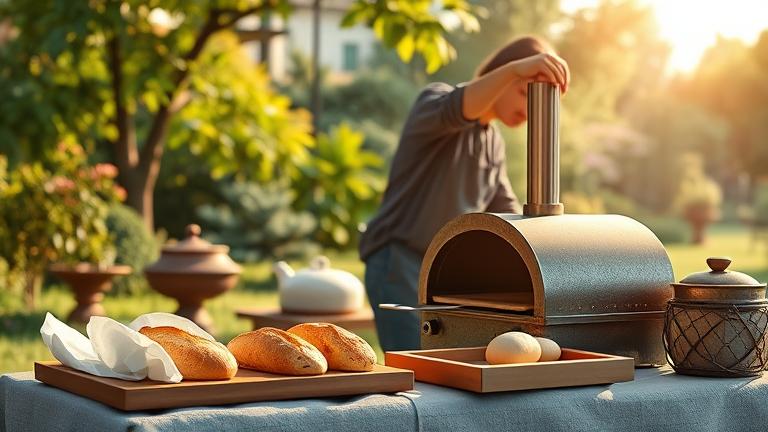
Is Outdoor Baking Possible?
Many home bakers wonder if they can enjoy baking outside, whether during a summer cookout or a weekend camping trip. The good news is, outdoor baking is definitely possible, but there are some important factors to consider before you start. Understanding these will help you plan better and enjoy delicious baked goods under the open sky.
First, consider the type of outdoor space you have. Do you have a backyard with a sturdy patio or a garden area? Or maybe you’re planning to bake while camping in the woods? The environment affects what equipment you can use and how safe it will be to bake outside. For example, a backyard with a fixed outdoor oven or grill makes baking easier than a tent in the woods, where heat sources are limited.
Next, think about the weather. Wind, rain, or extreme heat can affect your outdoor baking plans. Wind can blow out flames or make it harder to control the temperature. Rain can dampen your baking setup. High temperatures might accelerate baking times or cause issues with ingredients, especially if you’re using fresh dairy or perishable items. On the flip side, a cool, breezy day is perfect for outdoor baking adventures.
When it comes to equipment, you’ll need the right tools to handle outdoor conditions. A portable camping oven or even a sturdy grill can double as an outdoor oven if used carefully. Some bakers use cast iron Dutch ovens, placing them directly on coals for baking bread or casseroles. Remember, safety is key — ensure your heat source is stable and well-ventilated, and always follow safety rules for fire and heat handling.
Practical tips for outdoor baking include bringing along a reliable thermometer to check oven temperature, using oven mitts designed for high heat, and setting up a windbreak if needed. It’s also a good idea to carry extra charcoal or wood if you’re using a fire-based oven. Prepare your ingredients beforehand to avoid unnecessary trips back and forth, and always have a plan B in case weather turns bad suddenly.
While outdoor baking requires some extra planning and caution, it can be an enjoyable way to connect with nature and enjoy fresh air. Some bakers love making bread over an open fire, while others prefer using portable appliances to keep things simple. Like any outdoor activity, practice makes perfect, so start with small projects — think scones or simple bread — until you get comfortable with your setup.
- Check the weather forecast before heading out.
- Use sturdy, fire-safe equipment and follow safety guidelines.
- Bring extra ingredients and tools to avoid interruptions.
- Practice in familiar outdoor spaces before trying more ambitious recipes.
With patience and a little creativity, outdoor baking can be a fun and rewarding experience. Whether you’re baking for fun, family, or friends, enjoying a freshly baked loaf outside adds a special touch to any gathering.
Best Outdoor Baking Equipment
When it comes to outdoor baking, having the right equipment can make all the difference. Whether you’re baking pizzas in a portable oven or roasting bread on a grill, the right tools help you achieve delicious results outside your kitchen. In this guide, we’ll walk through some of the must-have and recommended outdoor baking gear to set you up for success.
Portable Outdoor Ovens
A portable outdoor oven is a game-changer for baking in the backyard. These ovens come in various styles, including wood-fired, gas, and electric, each offering different advantages. A popular choice is a compact, portable wood-fired oven that heats quickly and gives your baked goods a wonderful smoky flavor.
Look for models with good insulation and a sturdy chimney to ensure even heat distribution. Some portable ovens are lightweight enough to carry to picnics or camping trips, making them versatile for various outdoor adventures. Remember, preheating the oven before baking is crucial for consistent results.
Outdoor Grills Suitable for Baking
Many home cooks use their existing outdoor grill for baking, but choose the right type for best results. Gas grills heat evenly and are easy to control, making them ideal for baking breads, cakes, and cookies. Charcoal grills can also be used, especially if you want that grilling flavor in your baked goods.
To turn your grill into a baking station, you might need a pizza stone or baking steel. These heat evenly and mimic the performance of traditional brick ovens. When baking on a grill, always use indirect heat to prevent burning and allow temperature control with a thermometer sticker or built-in gauge.
Essential Baking Tools for Outdoors
- Cast Iron Skillet: Durable and retains heat beautifully, perfect for baking bread or cobblers.
- Pizza Peel: Long-handled paddle to slide pizzas or flatbreads in and out of hot ovens or grills.
- Heat-Resistant Gloves: Protect your hands from high heat when handling hot equipment or baked goods.
- Infrared Thermometer: Quickly check the temperature of your oven or grill to ensure optimal baking conditions.
- Thermometer-Equipped Baking Stones: Maintain steady, even heat for perfect crusts and baked textures.
Additional Tips for Outdoor Baking Success
- Always preheat your outdoor oven or grill, just like you would a traditional oven.
- Use oven-safe tools and be cautious of high heat during baking.
- Maintain a steady temperature as fluctuating heat can affect your baked goods.
- Protect your equipment from weather elements by using covers or storing it in a sheltered area when not in use.
With the right outdoor baking equipment, you can enjoy delicious homemade treats even outside your home kitchen. Invest in quality tools, practice patience, and soon you’ll be creating bakery-worthy baked goods in your backyard or on your camping trip.
Portable Oven Tips for Outdoors
When it comes to outdoor baking adventures, a portable oven can be your best friend. Whether you’re camping, hosting a barbecue, or having a backyard gathering, choosing the right portable oven and knowing how to use it can make all the difference. Here are some practical tips to help you get the best baking results outdoors.
Selecting the Right Portable Oven
Start by considering the type of portable oven that fits your needs. Gas-powered ovens are popular for outdoor use because they heat quickly and are easy to carry. Electric portable ovens are great if you have access to a power source, but they might not be suitable for all outdoor locations. Think about size: a compact oven is easy to transport, but if you plan to bake larger items, choose a bigger model with more space.
Look for ovens with adjustable temperature controls. This feature helps you fine-tune the heat for different recipes. A sturdy, lightweight build is also important — you want something durable but easy to carry around. Reading reviews can guide you toward reliable brands that perform well outdoors.
Preparing for Outdoor Baking
Before you start baking, find a flat, stable surface away from wind and direct sunlight. Wind can disrupt the oven’s heat, so setting up behind a windbreak or under a canopy can improve temperature consistency. Keep extra fuel, batteries, or extension cords handy, depending on your oven type.
Use good-quality baking tools designed for outdoor use. A baking peel, heat-resistant gloves, and a digital thermometer can make handling hot items safer and more precise. Always have your ingredients prepared and measured beforehand to streamline your baking process.
Using Your Portable Oven Effectively
Preheat the oven thoroughly before baking, just like you would indoors. This ensures even heat distribution and better baking results. Keep an eye on the temperature with a good thermometer, especially if the oven’s built-in controls aren’t directly visible during baking.
A helpful tip is to place a baking stone or pizza stone inside if your oven can accommodate it. It helps create a more even heat, preventing hot spots and crispy edges. Rotate your baked goods halfway through cooking if you notice uneven browning. This simple step can greatly improve the final look and texture.
Safety and Maintenance Tips
- Always operate the oven in a well-ventilated area to avoid buildup of fumes, especially with gas models.
- Keep a fire extinguisher or water source nearby in case of flare-ups or accidents.
- Clean the oven after each use to prevent buildup of ash, grease, or food debris, which can affect performance and safety.
- Store your portable oven in a dry place when not in use to prevent rust and damage.
By choosing the right oven and preparing properly, you’ll be set to enjoy delicious baked treats outdoors. Remember, patience and practice are key — outdoor conditions can be unpredictable, but with these tips, you’ll bake like a pro in no time!
Outdoor Baking Safety Tips
Baking outside can be a fun way to enjoy the fresh air and nature while making delicious treats. However, it’s important to stay safe while setting up and using outdoor equipment. Whether you’re using a grill, an open fire, or a portable oven, following some simple safety tips can prevent accidents and ensure everyone stays safe.
Fire Safety First
- Choose a safe location: Always set up your baking area on a flat, non-flammable surface away from trees, dry grass, or other combustible materials. Keep a clear space of at least 10 feet around the fire or grill.
- Keep firefighting tools nearby: Have a fire extinguisher, a bucket of water, or a garden hose within reach before starting. Knowing how to use them quickly can prevent small fires from spreading.
- Never leave fires unattended: Always stay close when using grills or open flames. Extinguish the fire completely when you finish baking to prevent accidental sparks or burns.
- Be mindful of weather: Avoid outdoor baking in windy conditions, which can cause sparks to spread. High winds can also make controlling open flames difficult and dangerous.
Weather Considerations
Outdoor baking heavily depends on good weather. Before starting, check the forecast to avoid rain, strong winds, or extreme heat. These conditions can not only spoil your baking but also create safety hazards.
- Rain or moisture: If it starts to rain while you’re baking, move to a covered or indoor area. Wet equipment and surfaces can cause slips or fire hazards.
- Temperature tips: Hot weather can make grilling or baking outdoors uncomfortable and may increase the risk of heat exhaustion. Stay hydrated and take breaks in shaded areas.
- Wind dangers: Wind can cause flames to flare up unexpectedly. Consider using barriers or wind shields around your fire or grill to keep flames contained.
Additional Safety Tips
- Protect your skin and eyes: Wear heat-resistant gloves and safety glasses if necessary, especially when handling hot equipment or flames.
- Handle food safely: Keep raw ingredients separate from cooked foods to prevent cross-contamination. Use clean utensils and wash hands often.
- Be aware of local regulations: Check if there are any restrictions on outdoor fires or open flames in your area before you start.
Enjoy your outdoor baking adventures by staying safe and prepared. With a little foresight and caution, you can create tasty treats and memorable moments without any worries. Remember, safety first makes everything more fun!
Delicious Recipes for Outside
Outdoor baking can be a fun and rewarding experience, whether you’re camping, having a picnic, or just enjoying time in your backyard. The fresh air and natural setting make every treat taste even better. From warm, crusty bread to sweet, gooey desserts, there are many recipes perfect for outside. These recipes are simple to make and designed to bring joy to your outdoor gatherings.
Freshly Baked Bread
Baking bread outside is easier than you think. It’s a great way to fill the air with welcoming aroma and offer a warm snack for everyone. You don’t need fancy equipment—just a sturdy Dutch oven or a heatproof baking dish that can handle open flame or hot coals. Here’s a basic recipe to get you started:
- Start with 3 cups of all-purpose flour, 1 teaspoon of salt, and 1 teaspoon of sugar.
- In a separate bowl, mix 1 teaspoon of dry yeast with 1¼ cups of warm water. Let it sit for about 5 minutes until foamy.
- Pour the yeast mixture into the dry ingredients and stir until a shaggy dough forms.
- Turn the dough onto a floured surface and knead for about 8 minutes until smooth.
- Shape the dough into a round loaf and let it rest for 30 minutes to an hour for the first rise.
- Preheat your outdoor heat source. If using a campfire, wait until the flames die down to produce glowing coals.
- Place the dough in a floured Dutch oven or on a piece of parchment paper in a cast-iron skillet. Cover with a lid or foil.
- Bake over hot coals for 30-35 minutes, checking occasionally for even heat. The bread is done when it sounds hollow when tapped.
Remember, outdoor baking takes patience and attention. The key is maintaining steady heat and watching for hotspots. Don’t worry if it takes a few tries to get that perfect crust.
Delicious Outdoor Desserts
When it comes to outdoor desserts, s’mores are a classic favorite. But you can also try other fun treats like fruit cobblers, grilled bananas, or campfire cookies. Here are some ideas and tips for delicious outdoor desserts:
- S’mores: Layer marshmallows and chocolate between graham crackers and toast over the fire until melty.
- Grilled Fruit: Slice peaches, pineapples, or apples, brush with a little honey or cinnamon, and grill until caramelized.
- Campfire Cookies: Wrap cookie dough around a stick or skewer and cook over the fire until golden brown.
- Fruit Cobbler: Use fresh or frozen berries or cherries. Mix with a little sugar and cornstarch, then top with biscuit or crumble topping. Bake in a covered skillet or Dutch oven over coals for about 20-30 minutes.
For a fun twist, try dipping grilled fruit in yogurt or chocolate. These outdoor desserts are simple and don’t require fancy equipment. Always supervise cooking over open flames for safety and to avoid burning your treats.
Tips for Outdoor Baking Success
- Use a reliable heat source like coals or a portable grill with a lid for even cooking.
- Always keep a close eye on your baked goods and rotate if needed to avoid hot spots.
- Use oven mitts and long-handled tools to stay safe from heat and flames.
- Prepare your ingredients in advance to save time and stay organized outdoors.
- Remember to clean up thoroughly after baking to leave your outdoor space just as beautiful as before.
With a little practice, outdoor baking can become a favorite part of your outdoor adventures. Whether you’re making bread, cookies, or fruit desserts, these recipes will add a special touch to any outdoor gathering. So gather your ingredients, light up that fire, and start creating delicious treats outside.
Weather and Outdoor Baking
When it comes to outdoor baking, the weather plays a big role in how your baked goods turn out. Sunshine, wind, rain, and temperature can all impact your baking process, so it’s good to be prepared and adapt as needed.
For example, hot and sunny days may seem ideal for outdoor baking, but they can cause your oven or grill to heat unevenly or too quickly. On the other hand, chilly or windy weather can make it tricky to maintain consistent temperatures and may even affect baking times. Learning how weather influences your outdoor baking can help you create delicious results no matter what the sky looks like.
Understanding Weather Impact
Temperature is the biggest factor. Warm weather speeds up cooking, so cakes or bread might bake faster than usual. Cold weather can slow everything down, sometimes requiring extra time or higher heat. Wind can also be a big challenge—blowing away heat or causing uneven cooking. Rain and humidity add another layer of complication, because moisture levels can change how your baked goods behave.
| Weather Condition | Effect on Baking | Tips to Adapt |
|---|---|---|
| Hot and sunny | Ovens or grills can heat unevenly or too fast | Use shaded spots, lower temperature settings, or bake during cooler parts of the day |
| Cold weather | Longer baking times, potential uneven rising | Preheat equipment well, consider using a windbreak or cover for insulation |
| Windy conditions | Heat loss, uneven heat distribution | Set up behind windbreaks, shield your equipment with tents or blankets |
| Humidity and rain | Moisture affects dough and batter, can cause soggy results | Cover baked goods immediately, choose days with dry weather, or use a portable outdoor oven with a cover |
Practical Tips for Outdoor Baking in Any Weather
- Always check the weather forecast before heading outside. If rain or high humidity is predicted, consider postponing or preparing to cover your gear.
- If it’s windy, create a windbreak using tables, plants, or portable screens. This helps keep your heat stable and ingredients from blowing away.
- Adjust baking times and temperatures based on outdoor conditions. Keep a close eye on your baked goods to prevent overbaking or undercooking.
- Use a thermometer to monitor your grill or oven temperature tightly. This helps maintain consistent heat, especially important in fluctuating weather.
- Plot your baking spot carefully. Choose a shaded and sheltered area whenever possible for more stable baking conditions.
- Be ready with extra supplies like blankets, tents, or covers. They can help protect your baked goods and equipment from unexpected weather shifts.
Remember Safety
Always prioritize safety, especially if using outdoor heat sources. Make sure your equipment is stable and away from flammable materials. Keep a fire extinguisher handy, and never leave hot equipment unattended outdoors.
With a little planning and flexibility, you can enjoy outdoor baking in nearly any weather. Embrace the challenge and turn it into a fun part of your baking adventure! Whether it’s a sunny picnic or a breezy afternoon, your outdoor creations can turn out just as tasty as indoor favorites.
FAQs About Baking Outside
Can I bake outdoors using a regular oven or do I need special equipment?
You can bake outside using many types of equipment, but it’s best to have the right tools. A portable oven, outdoor pizza oven, or even a grill with a lid can work well. If you’re using a regular kitchen oven, it’s not designed for outdoor use and isn’t safe to move outside.
Small, portable outdoor ovens are available that are easy to set up in your yard or on a patio. For baking bread, cookies, or cakes outside, a dedicated outdoor oven or grill with indirect heat is a good choice.
Remember to keep safety in mind. Never leave hot equipment unattended outside, especially if children or pets are around. Make sure your equipment is stable and on a flat surface to prevent accidents.
What’s the best way to control temperature when baking outside?
Controlling temperature outdoors can be tricky because weather affects heat levels. If you’re using a grill or outdoor oven, use a built-in thermometer or a separate oven thermometer to monitor the heat. Preheat your equipment thoroughly before baking.
For better control, set up your outdoor oven in a shady place or use a windbreak to prevent cold breezes from lowering the temperature. If your outdoor space gets windy, consider creating a wind barrier with a large piece of cardboard or a wind-resistant screen. Adjust the heat source, such as shifting coals or dials on a grill, to maintain a steady temperature.
Keep in mind that outdoors, heat loss can be faster, so check your oven regularly and adjust as needed.
Are there safety tips I should follow when baking outside?
Absolutely. Outdoor baking involves fire, heat, and sometimes open flames, so safety should be your top priority. Always bake in a well-ventilated area, away from overhanging branches, tents, or other flammable objects.
Use heat-resistant gloves and tools when handling hot equipment. Keep a fire extinguisher or a bucket of water nearby in case of flare-ups or accidents. Don’t forget to check the weather forecast before baking outside. Avoid windy, rainy, or extremely hot days, which can make baking more difficult and unsafe.
Lastly, make sure your outdoor setup is stable and secure. Never leave hot equipment unattended, and keep children and pets at a safe distance from the heat source.
What common problems might happen when baking outside, and how can I fix them?
- Uneven baking: This can happen if your heat isn’t evenly distributed. Use a thermometer to check your oven’s temperature and rotate your baked goods during cooking. If using a grill, create hot and cool zones to manage heat better.
- Temperature fluctuations: Outdoor weather can cause temperature swings. Adjust the heat source accordingly and keep an eye on the refrigerator or freezer to check if your baked items are cooling or baking too quickly.
- Burnt bottoms or edges: Use an indirect heat method or place a baking sheet or pizza stone under your baking dish to prevent direct contact with flames or coals.
- Difficulty maintaining steady heat: Adding or removing coals, adjusting vents, or changing the position of your oven or grill can help stabilize the temperature.