
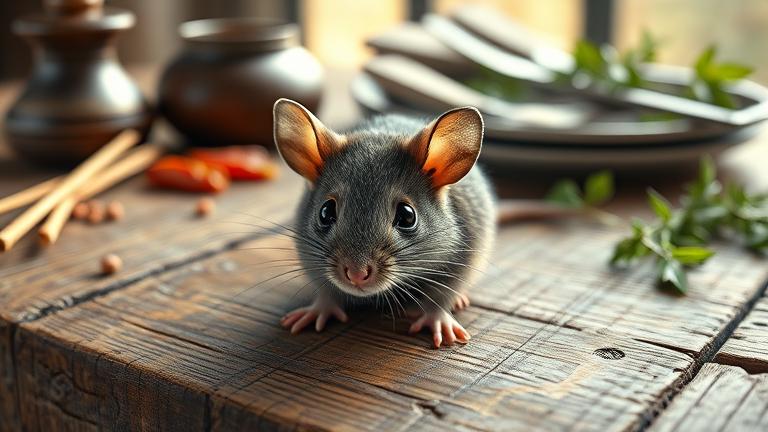
Mice in Culinary Cultures Around the World
Mice have played a significant role in the culinary histories of various cultures, often symbolizing prosperity, fertility, or resourcefulness. In Chinese cuisine, for example, mice were traditionally considered a delicacy in some regions.
This practice was especially prevalent during times of hardship when scarce resources prompted the inclusion of mice in celebratory or ritualistic meals. Historical records from Chinese folklore and texts mention such instances, which reflect the acceptance of mice as food under specific social or temporal circumstances.
Killed By A Mouse
Additionally, medieval Europe saw the consumption of mice during periods of severe food scarcity, primarily driven by necessity. In many peasant traditions, no part of the animal was wasted, and mice became an emergency protein source in times of famine.
Modern Cultural Significance and Regional Practices
Today, certain African and Southeast Asian communities continue to enjoy mice as part of their cuisine. In some regions of Nigeria, roasted mice are a traditional delicacy served at festivals and special celebrations. Such dishes often symbolize hospitality and strengthen community bonds.
In Vietnam, mice are considered a special treat, prepared with specific spices and cooking techniques that elevate their culinary status. These practices are often linked to local beliefs about health and luck, emphasizing the cultural importance of mice within their traditional food systems.
Resourcefulness and Cultural Adaptability
Overall, these culinary customs highlight the resourcefulness of cultures facing food scarcity or seeking to preserve traditional recipes. They demonstrate how animals typically viewed as pests, like mice, may be revered and integrated into diets in different contexts.
Such practices underscore the complex relationship humans have with their environment and reveal how food becomes a cultural artifact.
Ensuring Safe Preparation of Mice for Consumption
Proper hygiene and handling protocols are crucial for safely preparing mice for eating. Thoroughly cleaning all surfaces, utensils, and equipment that come into contact with the mice can significantly reduce bacterial contamination and cross-infection risks.
Before cooking, mice should be carefully washed to remove dirt, debris, or parasites. Disinfecting work areas and tools helps prevent the spread of pathogens. Cooking mice to an internal temperature of at least 165°F (74°C) is essential to eliminate harmful bacteria and parasites, making the meat safe to eat.
Handling raw mice with gloves and washing hands regularly further minimizes contamination risks. Additionally, storing mice in sealed, hygienic containers prior to preparation helps prevent bacterial growth. Following these best practices maintains hygiene and protects health when consuming small game meats.
Recipe Diversity and Culinary Innovations
A variety of regional recipes incorporate mice as an edible ingredient, reflecting both traditional and contemporary culinary approaches. In many cultures, mice are considered a delicacy often roasted, fried, or slow-cooked with regional herbs and sauces.
Traditional dishes emphasize ancestral cooking techniques such as stewing mice with vegetables and spices, resulting in hearty and flavorful meals that mirror local culinary heritage. Modern chefs are blending these techniques with innovative flavors, grilling mice or adding them into fusion-style stews and soups that appeal to adventurous eaters.
Nutrition-wise, mice are a rich source of high-quality protein and low in fat, making them an efficient and sustainable food choice. Utilizing mice as food supports environmental conservation by reducing reliance on resource-intensive livestock and making use of local, available resources.
As the global focus on alternative proteins grows, dishes including mice are gaining recognition both for their nutritional benefits and cultural significance.
Ethical and Environmental Perspectives
Debates about consuming mice often revolve around ethics and animal rights. Critics argue that killing mice for food could be inhumane if the process causes suffering. Proponents, however, contend that if animals are killed quickly and humanely, such practices can be ethically acceptable, especially in cultural contexts where it is traditional.
From an environmental viewpoint, eating mice can help control rodent populations, thus protecting crops and stored food supplies without reliance on chemicals. Still, concerns about disease transmission such as hantavirus or salmonella disruptions also exist if safety precautions are not observed.
Modern perspectives vary, with some communities insisting on ethical harvesting methods while others view mice as a sustainable protein alternative. As food innovation advances, the acceptance of mice in Western diets might increase, driven by sustainability goals and evolving social attitudes. Education about safe handling and cooking techniques could further normalize the incorporation of mice into diverse culinary traditions.
Changing Societal Attitudes and Future Trends
The perception of mice as food is shifting globally. Historically seen as pests, they are now increasingly regarded as potential protein sources, especially in regions facing food scarcity and environmental challenges.
Many countries in Asia and Africa already consume mice regularly, crediting them for their nutritional value and affordability. As awareness of environmental sustainability and food security grows, Western markets are also exploring unconventional proteins, including rodents and insects.
Acceptance will depend on social norms and regulatory changes. Education through culinary exposure and innovation can influence perceptions, turning mice into a mainstream protein option. The potential for mice to contribute to sustainable development aligns with efforts to reduce ecological footprints and improve global nutrition.
Observing ongoing research and market trends suggests that societal acceptance may increase, transforming the future of small game proteins in sustainable diets.