
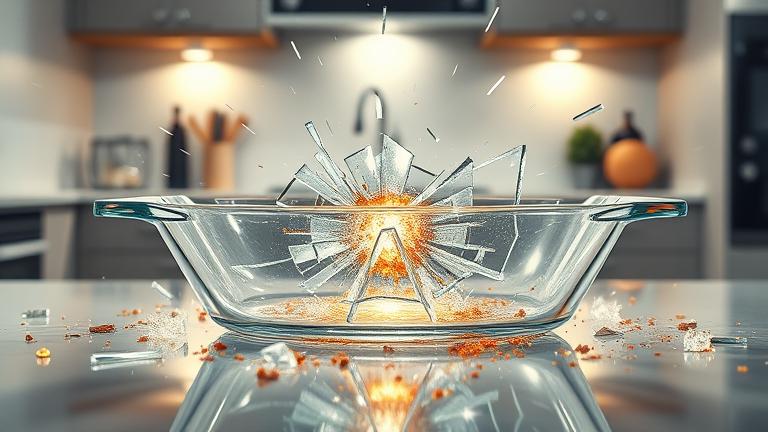
Common Causes of Glass Dish Explosions
Glass baking dishes are a popular choice in many kitchens because they distribute heat evenly and are easy to clean. However, they can sometimes unexpectedly shatter or explode while in use. Understanding the main reasons behind these accidents can help you avoid dangerous situations and keep your cooking safe.
Most glass dish explosions happen because of a few common issues. These include material flaws, sudden temperature changes, or improper handling. Let’s look at these causes more closely so you can recognize and prevent potential problems.
Material Flaws and Manufacturing Defects
Not all glass dishes are made equally. Sometimes, a baking dish might have tiny cracks or bubbles formed during manufacturing. These flaws may seem minor at first, but they can weaken the glass over time.
If a dish with flaws is exposed to heat, the damage can cause the glass to break suddenly. Always check your dish for any visible cracks, chips, or rough edges before using it. It’s best to replace any dish that shows signs of damage, even if it seems okay now.
Rapid Temperature Changes
A common mistake is exposing a glass dish to quick temperature shifts. For example, putting a cold dish directly into a hot oven, or adding cold liquids into a hot dish, can cause the glass to crack or shatter.
Glass is sensitive to thermal stress. When it heats up or cools down too quickly, the material can expand or contract unevenly. Over time, this stress can lead to breakage. To prevent this, always warm your dish gradually. For safer results, allow your dish to come to room temperature before baking or move it from fridge to oven slowly.
Extreme or Uneven Heating
Another factor is using the dish at temperatures beyond its designed limits. Every glass dish has a maximum temperature tolerance. Exceeding this can weaken the glass and cause it to explode when heated.
Additionally, uneven heating—like placing a dish on an unheated part of the oven or using irregular heat sources—can create hot spots. These hot spots can stress the glass unevenly, leading to cracks or shattering. Always check the manufacturer’s instructions to ensure your dish is oven safe and use it on even heat sources.
Incorrect Use and Handling
Using a glass dish for purposes it isn’t designed for is another cause of accidents. For example, using a baking dish as a storage container in the microwave or freezer can cause problems.
Glass dishes intended for baking might not be microwave or freezer safe. Rapid temperature changes from these environments can cause breakage. Also, avoiding dragging or banging the dish against hard surfaces helps prevent chips and cracks that can lead to explosions later on.
Tips for Safe Use
- Always inspect your dish before use for any cracks or damage.
- Warm your dish gradually, especially when moving between cold and hot environments.
- Follow the temperature guidelines provided by the manufacturer.
- Avoid sudden temperature changes, such as taking a cold dish directly from the fridge into a hot oven.
- Use tableware for its intended purpose and avoid using it in incompatible appliances.
Temperature Extremes and Rapid Changes
Handling glass dishes requires attention to temperature extremes and sudden changes. If not managed properly, extreme heat or cold can cause glass to weaken, crack, or even shatter unexpectedly. Learning how to avoid these risks is key to keeping your kitchen safe and your dishes intact.
One common mistake many home cooks make is moving a glass dish directly from the fridge into a hot oven. This rapid temperature change can cause the glass to expand or contract too quickly, leading to cracks or shattering. The same goes for taking a hot dish out of the oven and placing it onto a cold countertop, which can cause thermal shock—another leading cause of glass breakage.
Understanding Thermal Shock
Thermal shock happens when glass experiences a sudden change in temperature that it cannot smoothly adapt to. When the outside of the glass cools or heats faster than the inside, internal stress builds up. If the stress is too high, the glass breaks.
Imagine you bake a casserole in a glass dish, and then you place it directly into cold water to cool down quickly. That quick change from hot to cold is a prime example of thermal shock. To prevent this, always let hot glass dishes cool gradually before washing or transferring to cooler environments.
Safe Temperature Practices
- Always allow hot glass dishes to cool slightly before moving or washing. Use oven mitts to handle hot dishes safely.
- When transferring a dish from the fridge or freezer, allow it to come closer to room temperature first. Don’t put a frozen dish directly into a hot oven.
- Follow the manufacturer’s guidelines for temperature limits. Most tempered glass dishes can handle oven temperatures up to 350-400°F, but check your specific product for recommendations.
li>Use a gradual temperature change when cooking. For example, don’t put a cold dish straight into a hot oven; instead, preheat the oven first and then put the dish in.
Using Proper Techniques
To avoid shattering, follow these practical tips:
- Start with room temperature or slightly warmed dishes when baking or roasting.
- Don’t pour cold liquids into hot glass containers; instead, wait for the dish to cool down.
- When removing a glass dish from the oven, place it on a heat-resistant surface or cooling rack. Don’t put it directly on cold countertops or surfaces.
- If a glass dish does crack, handle it carefully and dispose of it safely. Do not try to repair or reuse cracked glass, as it may break unexpectedly later.
What to Do if Your Glass Shatters
If your glass dish suddenly shatters, stay calm and clear the area. Use a broom and dustpan to carefully sweep up the shards—wear gloves if possible to protect your hands. Vacuum the small pieces that may have scattered. Avoid using water to clean up glass pieces, as this can spread tiny shards further. Proper cleanup prevents injuries and keeps your kitchen safe.
By understanding how temperature extremes and rapid changes affect glass dishes, you can extend their lifespan and prevent accidents. Always handle your glassware with care, and respect the limits specified by the manufacturer. With these simple steps, your cooking experience will be both safe and enjoyable!
Impact and Stress Factors
When working with glass dishes, it is important to understand how impacts and stress can cause them to weaken or even explode. Glass may seem sturdy, but it can be surprisingly fragile under certain conditions. Being aware of these factors helps you handle your dishes more safely and avoid accidents in the kitchen.
Physical impacts are one of the main reasons glass can break or shatter. Dropping a glass plate or bowl onto a hard surface puts sudden force on its structure. Even a minor knock can cause a tiny crack, which might not be visible immediately. Over time, these cracks can grow with regular use or temperature changes, making the glass more vulnerable.
Stress factors also play a big role in glass safety. List your common stressors:
- Thermal stress: Rapid temperature changes can cause glass to expand or contract unevenly. For example, pouring hot water into a cold dish or putting a hot dish directly into the fridge increases the risk of cracking or shattering.
- Mechanical stress: Overloading glass shelves or stacking heavy dishes on top of each other creates pressure that can weaken the surfaces. Make sure to handle and store your dishes carefully.
- Design flaws: Some glassware is made with thin walls or intricate patterns, which can be weaker and more prone to breaking under stress.
How to Minimize Risks
Handling dishes with care is your best line of defense against glass explosions. Follow these practical tips:
- Always lift and set down glass dishes gently. Avoid dropping or banging them against hard surfaces.
- When pouring hot liquids, do so gradually and avoid sudden temperature changes. For example, warm the dish slightly before pouring boiling water into it.
- Allow hot glassware to cool down gradually before washing or refrigerating. Never expose hot glass directly to cold water or cold surfaces.
- Check your glassware regularly for cracks, chips, or other damage. Discard any that shows signs of weakness.
- Store glass dishes in a safe place, avoiding stacking heavy items on top and using protective padding if needed.
Common Mistakes to Avoid
Many accidents happen because of simple mistakes. Here are some common pitfalls:
- Using a damaged glass dish, which increases the risk of shattering.
- Pouring boiling water into a cold or frozen dish.
- Suddenly cooling hot glassware in cold water or fridge, causing thermal shock.
- Handling glass with greasy or wet hands, which can cause slipping and dropping.
Remember
Glass is delicate, but with careful handling, you can enjoy its beauty and functionality safely. Being mindful of impacts and stress factors will protect your dishes and keep your kitchen safe from unexpected explosions.
Wrong Type of Glass for Baking
Using the correct type of glass for baking is really important for safety and successful results. Not all glass containers are made to handle the high temperatures of an oven. When you use the wrong glass, it can lead to cracks, shattering, or even dangerous explosions that can cause injury or mess your kitchen.
Most people think that any glass can go into the oven because it looks sturdy. But in reality, some glass materials are only meant for cold storage or serving, not baking. For example, regular drinking glasses or decorative glassware should never be placed in the oven. These items are often made from thinner, less durable glass that cannot withstand heat changes.
On the other hand, certain types of glass are specifically designed for baking. The most common is borosilicate glass, which is heat-resistant and can handle sudden temperature changes. Brands like Pyrex and Simax often use this type of glass. They are safer choices because they are tested to withstand oven temperatures up to 450°F (230°C) or even higher in some cases.
Using the wrong type of glass for baking can be dangerous. When thin or non-oven-safe glass is exposed to high heat, it might crack or shatter unexpectedly. Sometimes, the cracks may be so tiny that they go unnoticed. But when the glass suddenly shatters, it can cause hot food or liquids to spill and possibly result in burns or injuries.
To stay safe, check your glassware for markings or labels. Look for words like “oven-safe,” “heat-resistant,” or the manufacturer’s instructions. If you’re unsure, it’s better to avoid using it for baking. Instead, opt for glass containers that are explicitly made for oven use. Also, avoid sudden temperature changes: don’t take a cold glass dish straight from the fridge into a hot oven, as this can cause thermal shock and cracking.
Here are some practical tips:
- Always check for oven-safe labels before baking with glass.
- Use borosilicate glass or brands specifically made for baking.
- Never use regular drinking glasses or decorative glassware in the oven.
- Allow glass to come to room temperature before placing it in a hot oven.
- Be cautious with sudden temperature changes to prevent thermal shock.
By choosing the right glass and handling it properly, you can prevent accidents and enjoy delicious baked treats safely. Remember, the right glassware is a small investment for peace of mind and successful baking results.
How to Prevent Explosions Safely
Glass bakeware is a popular choice for baking and roasting because it conducts heat well and looks great on the table. However, if not used carefully, it can sometimes crack or even explode. The good news is that most accidents are preventable with a few simple safety tips. By following these best practices, you can enjoy your baking sessions without worry.
The key to preventing glass bakeware explosions is understanding how heat, temperature changes, and handling affect the glass. Glass is durable but sensitive to sudden shifts. Carefully managing these factors can keep your baking safe and stress-free.
Handle with Care: Proper Usage Tips
- Always follow the manufacturer’s instructions. Different brands and types of glass bakeware may have specific care guidelines.
- Avoid sudden temperature changes. Do not put hot glass directly into cold water or place it in a cold refrigerator immediately after baking. Heating or cooling too quickly causes thermal shock, increasing the risk of cracking.
- Use oven mitts when handling hot glass. Glass can become very hot and may stick or slip when wet or greasy.
- Place your bakeware on a sturdy, flat surface. Avoid placing hot glass directly on cold or uneven surfaces, which can cause stress points.
- Don’t overfill the dish. Leave some space at the top to prevent spills or splashes that can weaken the glass over time.
Temperature Tips for Safe Baking
- Preheat your oven fully before placing the glass inside. Sudden exposure to heat can create stress cracks.
- Use moderate oven temperatures. Typically, keeping oven heat below 450°F (232°C) helps prevent thermal stress. Check your product instructions for maximum safe temperature.
- When baking, avoid placing the glass directly on a heated element or broiler. Only use it in the center of the oven.
- Always allow hot glass to cool gradually. Don’t move it directly from the oven to cold surfaces or water. Let it sit at room temperature until it cools completely.
Avoid Common Mistakes That Lead to Explosions
- Never use damaged or chipped glass. Cracks weaken the structure and increase the chance of shattering.
- Don’t use the same piece of glassware for freezing and then baking. Freezing can create micro-cracks that expand during baking.
- Be cautious when cleaning. Abrasive scrubbers or sudden temperature changes during washing can cause damage.
- Don’t expose glass bakeware to direct flame or stovetop heat. It’s designed for oven use only.
When in Doubt, Play It Safe
If you’re unsure whether a piece of glass bakeware is safe to use, check the manufacturer’s labels or guidelines. When cracks or chips are present, it’s best to replace the item. Remember, safety always comes first, and taking precautions ensures you can enjoy baking without accidents.