
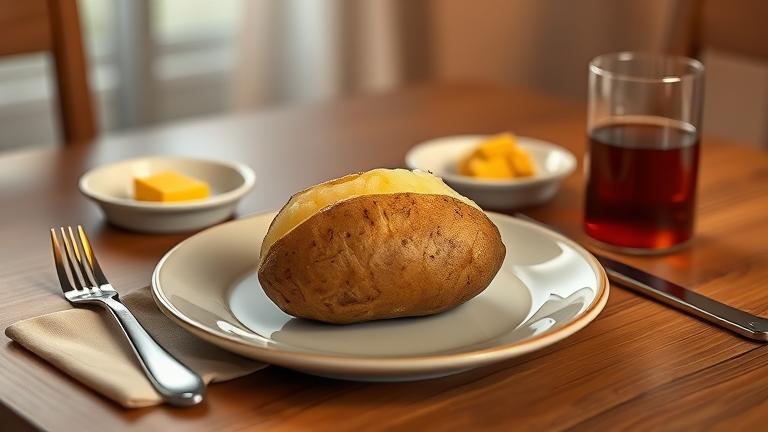
Are Baked Potatoes Enough for Dinner?
Many of us enjoy the simplicity of a baked potato for dinner. It’s quick, comforting, and versatile. But is a baked potato alone enough to satisfy your meal? The answer depends on several factors, including the size of the potato, your nutritional needs, and whether you add toppings or sides.
First, let’s look at the nutritional content of a plain baked potato. A medium-sized potato, about 5 ounces (150 grams), contains roughly 130 calories. It provides a good source of carbohydrates, fiber, vitamin C, and some potassium. However, on its own, it might not provide enough protein or healthy fats to keep you full for long, especially if you’re very active or have higher energy needs.
If you’re considering whether a baked potato alone can be enough for dinner, think about portion size. Sometimes, a large baked potato can be quite filling, especially if you aren’t very hungry or need a lighter meal. But for most people, adding a protein source like chicken, cheese, beans, or yogurt enhances both flavor and nutrition.
Here are some practical tips to make a baked potato a more complete dinner:
- Top it with healthy proteins such as grilled chicken, cottage cheese, or black beans.
- Add nutritious fats by sprinkling cheese, sour cream, or avocado.
- Include plenty of vegetables—think steamed broccoli, sautéed spinach, or salsa—to boost fiber and vitamins.
Portion control is also important. If you’re eating a very large potato, it might be enough on its own. But if the potato is smaller, consider adding a side salad or a handful of nuts to meet your dietary goals.
Keep in mind that balance is key. A baked potato can be the main part of your meal if you add protein and vegetables. Without those, it might feel more like a side dish rather than a satisfying dinner on its own. It’s all about customizing your meal to fit your hunger and nutritional needs.
If you want to use a baked potato as the centerpiece of dinner, plan on including at least one protein and some vegetables. This way, you’ll create a well-rounded meal that’s both filling and nutritious. Remember, everyone’s appetite and dietary requirements are different. Listening to your body and adjusting portion sizes and toppings will help you find what works best for you.
Nutritional Benefits of Baked Potatoes
Baked potatoes are a popular comfort food that also packs a powerful nutritional punch. They are rich in essential vitamins, minerals, and fiber, making them a healthy choice to include in a balanced diet.
One of the main reasons baked potatoes are so nutritious is their high content of carbohydrates. These carbs provide a quick source of energy, especially useful for active individuals or those needing a midday boost. Unlike many processed snacks, baked potatoes offer this energy naturally, without added sugars or unhealthy fats.
In addition, baked potatoes are a great source of vitamin C, an antioxidant that helps support your immune system and skin health. They also contain B vitamins, particularly B6, which play a crucial role in brain health and energy metabolism. Including baked potatoes in your meals can help you meet your daily vitamin needs without much effort.
Minerals are another highlight of baked potatoes. They are particularly high in potassium, a mineral that helps regulate blood pressure, balance fluids, and support nerve function. Eating baked potatoes can contribute to heart health and muscle function thanks to this mineral. They also provide smaller amounts of magnesium, iron, and phosphorus, supporting overall bodily functions.
Fiber is abundant in baked potatoes, especially when you eat the skin. Fiber is key for healthy digestion, preventing constipation, and maintaining a healthy weight. It also helps control blood sugar levels by slowing down how quickly sugar enters your bloodstream.
To maximize the health benefits of baked potatoes, consider how you prepare and serve them. Opt for baked rather than fried options to keep the calorie and fat content balanced. Adding healthy toppings like a dollop of Greek yogurt, fresh herbs, or a sprinkle of cheese can enhance flavor without compromising nutrition.
Eating baked potatoes as part of a meal that includes lean proteins and vegetables can help create a well-rounded, nutrient-dense diet. Remember to keep portion sizes moderate to enjoy their benefits without overdoing calories.
| Nutrient | Amount |
|---|---|
| Calories | 130 |
| Carbohydrates | 30 grams |
| Protein | 3 grams |
| Dietary Fiber | 3 grams |
| Vitamin C | 17% of daily value |
| Potassium | 620 mg |
In summary, baked potatoes are a versatile and nutritious addition to your diet. They provide important nutrients that support energy, immune health, and digestion, making them a smart choice for balanced eating every day.
How to Make Baked Potatoes Satisfying
Baked potatoes are a simple and hearty meal option that can be both filling and delicious. The key to making them satisfying is choosing the right cooking method and adding tasty ingredients. Whether you like them crispy on the outside and fluffy inside or loaded with toppings, these tips will help you bake the perfect potato every time.
Start with good-quality potatoes. Russet potatoes are the most popular for baking because of their starchy, fluffy interior. Look for potatoes that are firm with no green spots or sprouts. Wash them well under cold water to remove any dirt. Dry them thoroughly so the skin crisps up nicely in the oven.
Preparing Your Potatoes
- Prick the potatoes a few times with a fork. This allows steam to escape during baking and prevents bursting.
- Rub the potatoes with a little oil, such as olive oil or vegetable oil. This helps the skin become crispy and flavorful.
- Sprinkle with salt if you like a seasoned crust. This adds taste and makes the skin more appealing.
Cooking Methods for Satisfying Baked Potatoes
The classic way to bake a potato is in the oven, but there are a few methods to consider for the best texture and flavor.
1. Oven Baking
Preheat your oven to 400°F (200°C). Place the prepared potatoes directly on the oven rack or on a baking sheet. Bake for about 45-60 minutes. Check if they are done by inserting a fork into the center—it should slide in easily. The skin should be crispy, and the inside fluffy.
2. Microwave Followed by Oven
For quicker results, start your potato in the microwave. Prick with a fork and microwave on high for 5-7 minutes, turning halfway through. Then, transfer to a hot oven or air fryer for 10-15 minutes to crisp up the skin. This saves time without sacrificing overall texture.
3. Air Fryer
Set your air fryer to 400°F (200°C). Cook the potatoes for about 35-40 minutes, turning halfway. This method produces crispy skin and soft insides quickly, making it ideal for busy days.
Enhancing Your Baked Potatoes
Once baked, the toppings and fillings make your potato more satisfying. Here are some popular ingredients:
- Butter or sour cream for creaminess
- Cheese, melted on top
- Chopped chives, green onions, or herbs
- Crispy bacon bits or ham
- Steamed broccoli or other vegetables for added nutrients
- Spicy jalapeños or hot sauce for a kick
For a more filling meal, turn your baked potato into a meal bowl by adding cooked chili, shredded chicken, or beans. Mixing textures and flavors makes every bite satisfying.
Tips for Perfectly Satisfying Baked Potatoes
- Use large potatoes for a more substantial meal.
- Wrap potatoes in foil if you want softer skin, but keep them unwrapped for crunchiness.
- Let the potatoes rest for a few minutes after baking to allow the insides to settle.
- Experiment with seasoning salts or herbs for extra flavor.
Topping Ideas and Fillings
Baked potatoes are incredibly versatile, and the right toppings and fillings can turn a simple spud into a delicious meal. Whether you like a classic flavor or want to get creative, there are lots of tasty options to try. Using toppings and fillings is a great way to add flavor, texture, and extra satiety to your baked potato.
First, consider the base flavors. A classic combination is sour cream and chives. The creamy tang complements the soft potato perfectly. For a heartier option, try adding shredded cheese. Cheddar, Monterey Jack, or even blue cheese crumbles bring richness and make the potato more filling.
Next, think about proteins. Cooked and seasoned options like crispy bacon bits, shredded chicken, or chili beans can turn your baked potato into a complete meal. For a vegetarian twist, roasted vegetables such as bell peppers, mushrooms, or spinach add flavor and nutrients.
Vegetables also make excellent toppings. Sliced green onions, diced tomatoes, or corn kernels brighten up the dish. For something a bit different, avocado slices or a dollop of guacamole add creaminess and freshness.
For a flavorful kick, consider adding spicy toppings. Hot sauce, jalapenos, or a dash of paprika can spice up a bland potato and make it exciting. If you prefer savory and smoky, caramelized onions and smoked salmon are delicious options.
Here are some popular ideas for toppings and fillings:
- Sour cream and chopped chives
- Shredded cheese (cheddar, pepper jack)
- Bacon bits and green onions
- Chili and shredded cheese
- Steamed broccoli and cheddar
- Guacamole and salsa
- Sauteed mushrooms and thyme
- Spicy jalapenos and hot sauce
- Roasted garlic and herbs
- Crumbled feta and sun-dried tomatoes
Some practical tips: When adding toppings, go easy with sauces and extras to avoid overwhelming the potato. Also, layer flavors for the best results—start with a base like cheese or sour cream, then add proteins or vegetables on top.
Don’t be afraid to mix and match. For example, a baked potato topped with chili, shredded cheese, and green onions is cozy and satisfying, while another with avocado, salsa, and sour cream feels fresh and light.
A good rule of thumb is to balance flavors and textures. Combine creamy with crunchy, spicy with mild, and hot with cool to make each bite interesting.
Finally, keep safety in mind. If you add cooked meats or dairy, store leftovers properly and reheat thoroughly. These toppings can add lots of flavor, but they also need proper handling.
With a little creativity, you can make baked potatoes a personalized and satisfying meal every time. Have fun experimenting with different toppings and fillings to find your favorites!
Protein and Side Dish Options
Baked potatoes are versatile and serve as a great base for a complete meal. To make your meal more satisfying, consider adding a good source of protein along with tasty side dishes. There are many options to suit different tastes and dietary needs.
Protein Choices to Pair with Baked Potatoes
- Grilled Chicken: A simple, lean protein that pairs beautifully with baked potatoes. Try seasoned chicken breasts or thighs for added flavor.
- Baked Fish: Salmon, tilapia, or cod work well. Fish provides healthy omega-3 fatty acids and a light, fresh taste.
- Steak: A juicy cut of steak such as sirloin or ribeye makes a hearty addition. Slice it up for easy serving.
- Beans and Legumes: For a plant-based option, consider black beans, chickpeas, or lentils. They are filling and packed with fiber.
- Tofu or Tempeh: Great vegetarian options. Marinate and pan-fry for extra flavor.
- Eggs: A simple poached or fried egg can add richness when placed on top of your baked potato.
Side Dishes to Complete Your Meal
Complement your baked potato and protein with flavorful side dishes. These options add variety and nutrients to your plate.
- Steamed or Roasted Vegetables: Broccoli, green beans, carrots, or zucchini enhance color and nutrition. Season lightly for extra taste.
- Salads: A crisp green salad with vinaigrette, or a tomato and cucumber salad, pairs well and adds freshness.
- Coleslaw: Creamy or vinegary coleslaw offers a crunchy contrast.
- Sautéed Greens: Spinach, kale, or Swiss chard sautéed with garlic provide a savory side.
- Fruit Salad: Fresh fruit can balance the savory items with a touch of sweetness.
- Bread or Rolls: Warm bread or crusty rolls can help soak up any extra toppings or juices.
Tips for a Balanced Plate
- Think color: adding a variety of colorful vegetables can make your meal more appealing and nutritious.
- Balance flavors: if your protein is spicy, keep sides mild, or vice versa.
- Portion control: aim for a moderate amount of each component to avoid overload.
- Preparation: try grilling, steaming, or roasting instead of frying for healthier options.
- Extras: add toppings like shredded cheese, sour cream, or chives to your baked potato for added flavor.
By mixing and matching these protein sources and side dishes, you can create endless delicious meals around baked potatoes. Experiment with different flavors, textures, and ingredients to keep dinners exciting and balanced. Remember, a well-rounded plate not only tastes better but also keeps you energized and satisfied.
Vegetarian and Gluten-Free Meals
Baked potatoes are a versatile and comforting food that works perfectly for vegetarian and gluten-free meals. They are hearty, filling, and can be easily customized to suit different tastes and nutritional needs. By topping or stuffing baked potatoes with fresh vegetables, proteins like beans or cheese, and flavorful herbs, you can create satisfying meals that are both nutritious and delicious.
When preparing vegetarian and gluten-free baked potato meals, start with selecting large, firm potatoes. Russets are a popular choice because of their fluffy interior, but red potatoes or sweet potatoes also work well. Wash the potatoes thoroughly, then pierce them several times with a fork to prevent bursting during baking.
Basic Preparation Tips
- Preheat your oven to 400°F (200°C).
- Wrap washed potatoes in foil for a softer skin, or place them directly on the oven rack for crisper skins.
- Bake for about 45-60 minutes, depending on the size of the potatoes. To check doneness, insert a fork into the center—if it slides in easily, they’re ready.
Ideas for Topping and Stuffing
For a balanced meal, think about adding a mix of protein, vegetables, and flavor. Here are some tasty and nutritious options:
- Vegetable and Bean Topping: Mix black beans, corn, diced tomatoes, chopped cilantro, and lime juice. Spoon over your baked potato for a colorful, protein-packed meal.
- Cheese and Broccoli: Top with shredded cheese (cheddar, Monterey Jack) and steamed broccoli. Broil briefly until the cheese melts for a warm, gooey finish.
- Chickpea Curry: Use a simple chickpea curry seasoned with spices like turmeric and cumin. Spoon over the potato for a filling, flavorful dish.
- Avocado and Salsa: For a fresh twist, mash ripe avocado and combine with salsa. Spoon on top for a creamy, tangy topping rich in healthy fats.
- Tofu and Vegetables: Sauté tofu cubes with bell peppers and zucchini. Season with soy sauce or your favorite herbs and serve inside the potato.
Tips for a Complete Meal
- Serve baked potatoes with a side salad for extra greens.
- Add a dollop of Greek yogurt or sour cream for creaminess and extra protein.
- Use herbs like parsley, chives, or basil to enhance flavor without gluten or added calories.
- For extra fiber, include lentils or cooked quinoa as a stuffing ingredient.
Storing and Reheating
If you have leftovers, allow the baked potato to cool completely before storing in an airtight container. They can be kept in the refrigerator for up to 3 days. To reheat, microwave on high for 2-3 minutes or until heated through. For a crisper skin, reheat in the oven at 375°F (190°C) for about 10 minutes.
With these ideas, baked potatoes become a nutritious and satisfying base for many vegetarian and gluten-free meals. Feel free to experiment with toppings and ingredients to keep your meals interesting and flavorful!
Quick Tips for Perfect Baked Potatoes
Baking a potato to perfection is easier than you might think. With a few simple tips, you can achieve that fluffy interior and crispy skin every time. Whether you’re preparing a quick weeknight dinner or a special side dish, these tricks will help you get it just right.
Choose the Right Potatoes
Start with high-quality potatoes. Russet potatoes are the best choice for baking because they have a starchy inside and sturdy skin. They become fluffy when cooked, making them ideal for baked potatoes. You can also use sweet potatoes for a different flavor, but remember they have a softer skin and sweeter taste.
Prep Before Baking
- Wash the potatoes thoroughly under cold water to remove dirt. Use a scrub brush if needed.
- Pat them dry with a towel. Wet skin can cause steaming instead of crisping.
- Prick the potatoes a few times with a fork. This allows steam to escape and prevents them from bursting in the oven.
Enhance Flavor and Texture
- Rub the skin with a little oil—olive oil works well—to promote crispiness. It also adds flavor.
- Sprinkle with salt for seasoning. This helps draw out moisture and enhances the skin’s crunch.
- If you like, add herbs or garlic powder to the oil for extra flavor.
Baking Tips
- Preheat your oven to a temperature between 400°F and 425°F (200°C–220°C). This range ensures a crispy skin and fluffy interior.
- Place the potatoes directly on the oven rack or on a baking sheet. Putting them directly on the rack helps air circulate around the potato, making the skin crunchier.
- Bake for about 45 to 60 minutes, depending on the size of the potato. To check if they are done, insert a fork or skewer into the thickest part—the potato should be soft inside.
Additional Tips for Perfect Results
- For quicker cooking, microwave the potatoes for 5–8 minutes before baking. Finish in the oven to crisp up the skin.
- If you prefer softer skins, wrap the potatoes in foil before baking. Keep in mind, this will reduce crispiness.
- Leave space between the potatoes while baking. Crowding can cause uneven cooking and less crispy skin.
Common Mistakes to Avoid
- Skipping the pricking step can lead to potatoes bursting in the oven.
- Not drying the skin thoroughly may prevent it from crisping properly.
- Baking at too low a temperature can result in soggy skins, while too high can burn the outside before the inside is tender.
With these friendly tips, baking perfect potatoes becomes simple and fun. Remember, practice makes perfect, so don’t be discouraged if your first few attempts aren’t flawless. Adjust the timing based on your oven and potato size, and soon you’ll be enjoying beautifully baked potatoes every time!