
Baking Chicken Casserole Tips
Baking a chicken casserole might seem simple, but a few helpful tips can make a big difference in how it turns out. Whether you’re a beginner or a seasoned cook, these practical suggestions will help ensure your casserole is tasty, well-cooked, and perfect every time.
Choose the Right Chicken
Start with quality chicken. You can use cooked chicken leftovers, rotisserie chicken, or raw chicken breasts or thighs. If using raw chicken, cut it into uniform pieces so they cook evenly. For a tender result, chicken thighs are a good choice because they stay moist during baking, but chicken breasts work well too if cooked carefully. Always check that the chicken reaches an internal temperature of 165°F (74°C) to be safe to eat.
Prep Your Ingredients Well
To get a flavorful casserole, season your chicken and other ingredients upfront. Use herbs, spices, or marinade to add depth of flavor. Drain excess liquids from canned vegetables or pre-cooked ingredients to avoid a watery casserole. Precooking or lightly sautéing some vegetables before adding them can enhance their flavor and texture. Additionally, consider using a binding agent like sour cream, cream of mushroom soup, or cheese to keep the casserole creamy and cohesive.
Choose the Perfect Casserole Dish
The right dish makes cooking easier and affects the final texture. Use a shallow, wide baking dish for even cooking and a crispy top. Glass or ceramic dishes are popular because they distribute heat evenly. Make sure the dish isn’t overcrowded; leave space for heat to circulate around the ingredients for thorough cooking.
Layer Thoughtfully
Layering ingredients properly improves flavor and texture. Start with a base of vegetables or rice, then add the cooked chicken, and top with a generous layer of cheese or breadcrumbs. This method helps prevent ingredients from becoming soggy and keeps everything flavorful.
Use the Correct Oven Temperature and Time
A common baking temperature for casseroles is 350°F (175°C). Bake until the casserole is bubbling around the edges and the cheese turns golden. Cooking times vary depending on the recipe and dish size but typically range from 30 to 45 minutes. Always check for doneness by inserting a meat thermometer into the center—aim for 165°F (74°C). If the top starts to brown too quickly, loosely cover it with foil to prevent burning while the inside finishes baking.
Keep an Eye on Moisture
To prevent your casserole from drying out, add enough liquid—like broth or a sauce—and cover it with foil during part of the baking process. Removing the foil near the end helps develop a crispy, golden top. If your casserole looks too dry, you can drizzle a little extra broth or sauce over it before returning it to the oven.
Let It Rest Before Serving
Once out of the oven, allow the casserole to rest for about 5 minutes. Resting helps the ingredients settle and makes slices cleaner. It also allows the flavors to meld, making each bite tastier.
Additional Tips for Success
- Use fresh ingredients when possible – freshness enhances flavor.
- Pre-cook rice or pasta to reduce cooking time and ensure everything heats evenly.
- Don’t overfill the dish – leave some space at the top to prevent spills and uneven cooking.
- Feel free to customize with your favorite herbs, spices, or vegetables to make it your own.
Following these practical tips will help you create a delicious, perfectly baked chicken casserole every time. With a little prep and attention, you’ll serve up a comforting dish that everyone will enjoy.
Common Questions About Baking Casseroles
Many home cooks have questions when it comes to baking casseroles. Whether you’re new to casserole baking or just want to perfect your dish, understanding some basics can make a big difference. Here, we answer some common questions to help you feel more confident in the kitchen.
What is a casserole, and what makes it different from other baked dishes?
A casserole is a one-dish meal that combines ingredients like meats, vegetables, grains, and cheese. It is baked in the oven until hot and bubbly. The main idea is that everything cooks together in a single dish, making it convenient and often very tasty.
Unlike stews or stir-fries, casseroles usually have a thicker, baked component, often thanks to a layer of cheese or breadcrumbs on top. The dish is designed to be hearty, easy to prepare in advance, and suitable for leftovers.
Do I need to pre-cook ingredients before baking?
It depends on the ingredients. Vegetables like potatoes or carrots may need to be cooked partly beforehand to ensure they soften properly. Meat, especially raw chicken or beef, is typically cooked before adding to the casserole, or it should be cooked completely during baking.
For dishes with rice or pasta, it’s best to cook those slightly less than al dente. They will finish cooking in the casserole, absorbing flavors but not becoming mushy.
What is the best baking temperature and time for casseroles?
Most casseroles are baked at temperatures between 350°F and 375°F (about 175°C to 190°C). This range allows the dish to heat evenly without burning the top or undercooking the inside.
Baking times vary based on the ingredients and size of the dish. Typically, casseroles take about 30 to 45 minutes. If you’re adding cheese or breadcrumbs on top, consider baking uncovered for the last 10 minutes to get a golden crust.
How can I prevent my casserole from drying out?
Adding enough liquids, like broth, canned tomatoes, or a sauce, can keep your casserole moist. Covering it with foil during baking traps moisture, especially if baking for longer periods.
Another tip is to not overbake. Check your casserole a few minutes before the estimated time. If the edges look very dry or the top is burning, cover or reduce the temperature slightly.
Can I prepare a casserole in advance?
Yes, casseroles are great for make-ahead meals. You can assemble the dish a day ahead, cover it tightly, and refrigerate. When ready to bake, simply increase the baking time slightly to account for the cold ingredients.
If storing leftovers, keep them in an airtight container in the fridge for up to 3 days. Reheat thoroughly in the oven or microwave before serving.
What are some common mistakes to avoid when baking casseroles?
- Using too much or too little liquid, which can lead to dry or soupy casseroles.
- Overcrowding the dish, preventing proper heat circulation and even cooking.
- Cooking it for too long, making ingredients mushy or burning the top.
- Not covering the dish when needed, which can cause it to dry out.
By paying attention to these tips and questions, you’ll be able to make delicious, perfectly baked casseroles every time. Experiment with different ingredients and seasonings to make your favorite dishes even better!
Best Ways to Cook Chicken Casserole
Cooking a chicken casserole can be a comforting and versatile meal. There are several methods you can use to get that perfect balance of tender chicken, flavorful ingredients, and creamy or crispy textures. The choice of method depends on your time, equipment, and the type of casserole you prefer. Let’s explore some of the best ways to cook chicken casserole to help you achieve delicious results every time.
Baking in the Oven
This is the most common and straightforward way to cook a chicken casserole. Baking allows the ingredients to meld together beautifully and creates a tasty, hearty dish. Start by preheating your oven to 350°F (175°C). Assemble your casserole with raw or cooked chicken, vegetables, sauce, and any toppings. Cover it with a lid or foil to keep moisture in.
Place the casserole in the oven and bake for about 45 minutes to 1 hour. If you want a golden, crispy topping, uncover it during the last 10-15 minutes of baking. This method is great because it requires minimal attention once in the oven and ensures even cooking.
Slow Cooker Method
The slow cooker is perfect for busy days or when you want tender, fall-apart chicken. Simply place all your ingredients into the slow cooker—raw chicken, vegetables, broth, seasonings—and set it on low or high, depending on your schedule. Cooking times typically range from 4 to 8 hours.
This method allows the flavors to develop slowly and the chicken to become very moist. It’s ideal for hearty, comfort-style casseroles. Just remember to check that the chicken reaches an internal temperature of 165°F (75°C) to ensure it’s fully cooked and safe to eat.
Stovetop Cooking
If you’re short on time or prefer a quicker option, stove-top cooking works well. Use a large skillet or Dutch oven. First, cook the chicken pieces over medium heat until they are browned and cooked through, about 8-10 minutes. Then, add your veggies, sauce, and seasonings.
Simmer everything on low heat for about 20-30 minutes, stirring occasionally. This method is great for chicken casseroles that you want to finish quickly. Be mindful to keep the ingredients moist and avoid burning by stirring and checking the liquid level.
Pressure Cooker / Instant Pot
For even faster results, a pressure cooker or Instant Pot can cut the cooking time dramatically. You can cook raw chicken with veggies and sauce in about 15-20 minutes under high pressure. After quick release, check that the chicken is fully cooked and tender.
This method preserves flavors well while saving time. It’s especially handy when you’re making a hearty, substantial casserole in a hurry.
Tips for Perfect Chicken Casseroles
- Always check chicken for doneness, reaching an internal temperature of 165°F (75°C).
- If you prefer a crispy top, add cheese or breadcrumbs towards the end of baking or broil for a few minutes.
- Use bone-in chicken for more flavor if you have time; boneless chicken cooks faster but may be less flavorful.
- Balance your ingredients: include vegetables for nutrition and textures that complement the chicken and sauce.
- Store leftovers in airtight containers in the fridge for 3-4 days and reheat thoroughly before serving.
Whether you bake, slow cook, or use the stove, each method can produce a tasty chicken casserole. Choose the one that fits your schedule and flavor preferences, and enjoy a hearty, homemade dish every time!
Secrets to Perfect Baking Results
Baking a chicken casserole that turns out delicious and consistently perfect might seem tricky at first. But with a few expert tips and secrets, you can become confident in your baking skills and enjoy tasty, fluffy, and well-cooked casseroles every time. Whether you’re a beginner or an experienced home cook, these simple tricks will help you achieve the best results.
Choose Fresh, Quality Ingredients
The foundation of a great chicken casserole is high-quality ingredients. Use fresh chicken breasts or thighs that haven’t been frozen too long, as fresher meat retains more flavor and texture. Fresh vegetables like bell peppers, onions, and carrots add flavor and color, making your casserole more appealing. When possible, opt for organic or farm-fresh ingredients for a richer taste.
Properly Prepare Your Chicken and Vegetables
Before assembling your casserole, cut your chicken into uniform pieces. This ensures even cooking and prevents some parts from drying out or remaining undercooked. Sautéing vegetables briefly before adding them to the casserole can bring out their flavors and improve texture. Also, pat the chicken dry; excess moisture can make your casserole watery.
Create the Perfect Sauce or Base
Most chicken casseroles rely on a flavorful sauce or broth. Use a combination of chicken broth, cream, or cream cheese for richness. For a thicker sauce, add a bit of flour or cornstarch mixed with cold water, and stir well. This helps your casserole’s base stay creamy and prevents it from becoming too runny during baking.
Season Well and Taste Test
Don’t forget the seasoning. Salt, pepper, garlic powder, paprika, and herbs like thyme or rosemary are common choices. Taste your sauce before pouring it over the ingredients. Adjust the seasoning to your liking — this step makes a huge difference in flavor after baking.
Use the Right Baking Dish and Temperature
Select a baking dish that’s appropriate for the quantity you’re making. A glass or ceramic dish works well for even heat distribution. Bake at the recommended temperature, usually around 350°F (175°C). Keep an eye on your casserole towards the end of baking; if the top starts to brown too quickly, cover it loosely with foil to prevent burning while the inside finishes cooking.
Timing and Checking for Doneness
Baking times can vary based on the dish size and oven. Typically, a chicken casserole takes about 30 to 45 minutes. To check if it’s done, insert a meat thermometer into the thickest part of the chicken — it should reach 165°F (75°C). The casserole should be bubbly around the edges and the chicken fully cooked.
Rest Before Serving
Once out of the oven, allow your casserole to rest for about five minutes. Resting helps the sauce thicken slightly and makes serving easier. Plus, it allows flavors to meld beautifully.
- Tip: Use a probe thermometer for precise cooking control.
- Tip: Cover leftovers with plastic wrap and store in the fridge for up to three days.
- Tip: Reheat gently in the oven to prevent drying out.
With these simple secrets, you’ll consistently create chicken casseroles that are flavorful, well-cooked, and crowd-pleasing. Enjoy baking and savor the delicious results!
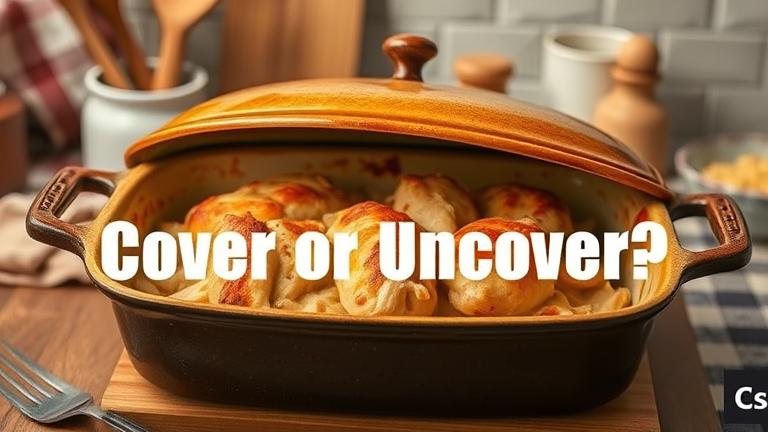
Covered vs. Uncovered: What Works Best?
When baking chicken casseroles, you might wonder whether to cover them or leave them uncovered. Both methods have their benefits and drawbacks, and choosing the right approach depends on what you want to achieve. Understanding the differences can help you get the most flavorful and tender results every time.
Covering a casserole during baking traps moisture and heat, which helps keep the chicken tender and juicy. It also prevents the top from drying out or burning. This method is ideal if you’re cooking a dish that needs to stay moist, such as a creamy chicken and rice casserole. Covering can also speed up cooking time slightly since heat stays contained under the lid or foil.
However, if you want a crispy or golden top, leaving the casserole uncovered is the better choice. When uncovered, the moisture evaporates from the surface, allowing the top to crisp up and develop a nice, browned finish. This method works well when adding cheese or breadcrumbs on top, as it crisps nicely in the oven. Keep in mind that baking uncovered can lead to a drier casserole if it’s left for too long, so timing and monitoring are key.
Benefits of Covering
- Maintains moisture, keeping chicken tender
- Prevents top from over-browning or burning
- Helps ingredients cook evenly, especially in longer baking times
- Speeds up cooking process slightly
Drawbacks of Covering
- Top may not brown or crisp
- May result in a softer, less textured finish
- Can trap excess steam, leading to a soggy surface if left too long
Benefits of Baking Uncovered
- Creates a crispy, browned top for a more appealing look and texture
- Allows moisture to escape, preventing dish from becoming too watery
- Great for finishing off a dish, especially if topping needs melting or crisping
Drawbacks of Baking Uncovered
- Top can over-brown or burn if not watched
- May dry out the chicken or other ingredients if baked too long
- Longer baking times may be necessary to cook through
In many cases, a combination approach works best. For instance, start baking your chicken casserole covered to keep it moist and evenly cooked. Then, uncover it during the last 10-15 minutes to let the top crisp up and brown nicely. Keep an eye on it to avoid over-browning.
Ultimately, the choice depends on your desired outcome and the specific recipe. If the focus is on moist, tender chicken, covering is usually best. If you want a golden, crispy topping, uncovered baking helps achieve that. Don’t be afraid to experiment to find the method that works perfectly for your family’s taste.
Timing and Temperature Tips
Getting the timing and temperature right is key to ensuring your chicken casserole is both safe to eat and delicious. Proper baking not only kills harmful bacteria but also helps develop the flavors and texture you want. Whether you’re a beginner or just need a little guidance, these tips will help you perfect your casserole every time.
First, always start with a preheated oven. Usually, a temperature of around 350°F (175°C) is ideal for chicken casserole. This gentle heat allows the ingredients to cook evenly without drying out the chicken or overcooking the vegetables. If you increase the temperature, keep a close eye on the casserole to avoid burning or drying it out.
Cooking times can vary depending on the size of your casserole dish and whether you’re using cooked or raw chicken. As a general rule, most chicken casseroles are ready after about 40 to 50 minutes of baking. If you’re using raw chicken, plan for closer to 50 minutes, whereas pre-cooked chicken may only need about 30 minutes to evenly heat through and meld the flavors.
To ensure your casserole is cooked thoroughly, check the internal temperature with a meat thermometer. Poultry should reach at least 165°F (74°C) to be safe to eat. Insert the thermometer into the thickest part of the chicken pieces to get an accurate reading. If you notice the filling bubbling and the top is golden brown, that’s a good sign it’s nearing perfection.
For an evenly cooked casserole, avoid opening the oven too often during baking. Opening the door repeatedly lowers the oven temperature and can lead to inconsistent cooking. Only open it near the end of baking to check if the casserole is bubbly and the top is nicely browned.
Here’s a quick overview of temperature and timing tips for different stages:
| What You’re Cooking | Recommended Temperature | Approximate Baking Time |
|---|---|---|
| Raw chicken casserole | 350°F (175°C) | 45-50 minutes |
| Pre-cooked chicken casserole | 350°F (175°C) | 30-40 minutes |
| To check doneness | 165°F (74°C) inside the chicken | N/A |
Keep in mind, every oven is different, so use these times as a guide. If your casserole looks done on the outside but the chicken’s temperature isn’t at least 165°F, pop it back in for a few more minutes. This way, you’ll enjoy a flavorful dish that’s perfectly cooked and safe to eat.
Expert Advice for Delicious Casseroles
Making a tasty casserole isn’t just about throwing ingredients together. It’s about balancing flavors, textures, and cooking times to create a comforting dish that everyone will enjoy. Whether you’re a beginner or an experienced home cook, these expert tips will help you elevate your casserole game and surprise your family and friends.
Choose the Right Ingredients
Start with quality ingredients. Fresh vegetables, good quality meats, and flavorful cheeses can make a big difference. For a more hearty casserole, consider using options like shredded chicken, ground beef, or even seafood. Fresh herbs such as parsley, thyme, or rosemary add a pop of flavor and aroma. If you’re using canned or frozen vegetables, drain excess moisture to prevent a watery dish.
Layer Thoughtfully
Layering ingredients strategically helps flavors meld and prevents sogginess. Typically, start with a base, like noodles or rice, then add protein, vegetables, and a sauce or broth. Finish with a layer of cheese or breadcrumbs on top for that golden, crispy crust. Remember, placing wetter ingredients at the bottom can cause the casserole to become soupy, so consider patting ingredients dry before layering.
Balance the Flavors
To create a well-rounded casserole, taste your sauce before assembling. A pinch of salt, pepper, or herbs can brighten the flavors. Don’t forget the importance of a slightly salty cheese or seasoning, which enhances the overall dish. If your casserole seems bland, a dash of hot sauce or a sprinkle of smoked paprika can add depth and a little kick.
Perfect the Texture
Texture is key for enjoyable casseroles. To avoid a mushy dish, cook noodles or rice slightly less than usual so they don’t overcook during baking. Incorporate crunchy elements like toasted breadcrumbs or crispy bacon bits just before serving. Adding a dairy element, such as sour cream or cream of mushroom soup, helps keep the mixture creamy without making it heavy.
Bake with Care
Preheat your oven to the correct temperature, usually around 350°F (175°C). Cover the casserole with foil if it has delicate toppings or if you want the middle to cook evenly. Remove the foil during the last 10 minutes to allow the top to crisp up. Check for doneness by inserting a knife or fork into the center—if it comes out hot and the edges are bubbly, it’s ready.
Tips for Success
- Allow the casserole to rest for 5–10 minutes after baking. This helps set the ingredients and makes serving easier.
- Customize with your favorite ingredients. Vegans or vegetarians can substitute meat with beans, tofu, or hearty vegetables.
- To make ahead, assemble the casserole, cover it tightly, and refrigerate for up to 24 hours. Just bake it a little longer when ready to serve.
- Watch for common mistakes, like overcooking pasta or not seasoning adequately. Tasting during the prep stage can save you time and ensure great flavor.
By practicing these tips, you’ll develop your own style of casseroles that are flavorful, balanced, and perfectly cooked every time. Happy baking!