
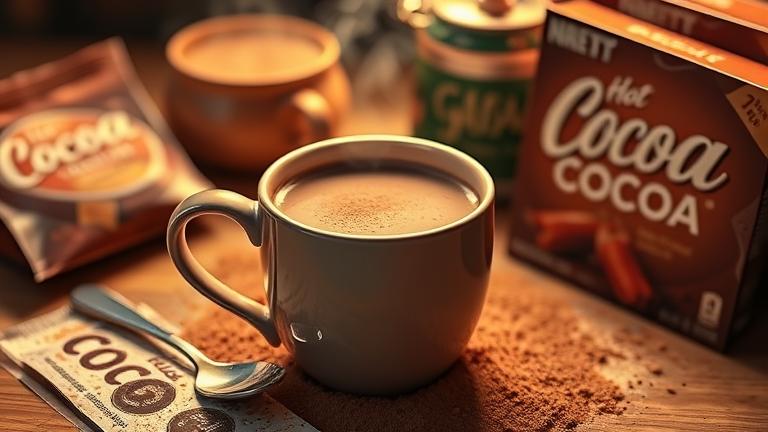
Differences Between Hot Cocoa Mix and Cocoa Powder
If you enjoy a cozy cup of hot chocolate, you might wonder what makes hot cocoa mix different from cocoa powder. They both come from the cacao bean, but their ingredients, flavor, and uses vary quite a bit. Knowing these differences helps you decide when to use one instead of the other and how to get the best flavor out of your drinks and recipes.
Let’s start with what they are. Cocoa powder is simply ground cacao beans that have been processed to remove most of the fat. It is pure chocolate in dry form and is often unsweetened or sometimes sweetened, depending on the type you buy. Cocoa powder has a rich, slightly bitter chocolate flavor and is used in baking and cooking to add chocolate taste.
On the other hand, hot cocoa mix is a prepared product made for quick hot chocolate. It usually contains cocoa powder but also includes sugar, milk powder, and sometimes flavorings like vanilla. Some brands add preservatives or stabilizers to give it a smooth, creamy texture. The main goal of hot cocoa mix is to deliver a sweet, creamy, and chocolatey beverage with minimal effort.
Ingredients
- Cocoa Powder: Pure cacao beans, usually unsweetened. It may be natural or Dutch-processed, which affects flavor and acidity.
- Hot Cocoa Mix: Cocoa powder plus sugar, sometimes milk powder, flavorings, and additives. It is designed for making a ready-to-drink hot chocolate.
Flavor Profiles
Cocoa powder has a deep, intense chocolate flavor that can be slightly bitter, especially if unsweetened. The flavor can be mellowed by adding sugar or milk. Dutch-processed cocoa is less acidic and has a smoother, milder taste.
Hot cocoa mix is sweeter and creamier because it already contains sugar and milk powder. Its flavor is usually milder and more dessert-like, perfect for a quick warm treat. The added sugars also lessen the bitter notes, making it more appealing to those who prefer a sweeter drink.
Most Common Uses
Cocoa powder is versatile. It’s mainly used in baking recipes like cakes, brownies, and cookies, or to make homemade hot chocolate from scratch. You can adjust the sweetness, milk, and flavorings to suit your taste.
Hot cocoa mix is primarily for instant hot chocolate drinks. Just add hot water or milk, stir, and enjoy. Some people also use it in recipes like milkshakes or to flavor desserts, but its main purpose remains as a quick beverage.
Can You Substitute One for the Other?
While you can swap cocoa powder for hot cocoa mix in recipes, keep in mind the differences. Since hot cocoa mix contains sugar and milk powder, replacing it with pure cocoa powder will require you to add those ingredients separately.
For example, if a recipe calls for hot cocoa mix, you might use a tablespoon of cocoa powder plus a teaspoon of sugar and a splash of milk powder or milk to mimic the flavor and creaminess. Conversely, using hot cocoa mix instead of cocoa powder in baking isn’t ideal unless you adjust for the added sugar and dairy.
Summary
- Cocoa powder is pure, bitter, chocolate flavor, used mainly in baking.
- Hot cocoa mix is sweet, creamy, and ready to make a quick hot cocoa drink.
- Understanding their ingredients and tastes helps you choose the best product for your needs.
- Substituting one for the other requires some adjustments for sweetness and creaminess.
How to Substitute Hot Cocoa Mix in Baking
Using hot cocoa mix as a substitute for cocoa powder in baking can be a quick and tasty option. However, since hot cocoa mix contains sugar, milk powder, and flavorings, it’s important to adjust your recipe to get the best results. This guide will help you understand how to swap hot cocoa mix for cocoa powder smoothly and avoid common pitfalls.
First, remember that hot cocoa mix is sweeter and less concentrated than pure cocoa powder. Typically, you will need to reduce the amount of sugar in your recipe because hot cocoa mix already contains added sugar. For every 3 tablespoons of cocoa powder called for in a recipe, you can substitute 3 tablespoons of hot cocoa mix. But be aware that this might make your baked good sweeter than intended.
An effective way to adjust is to cut back on the extra sugar in the recipe by about half the amount of hot cocoa mix used. For example, if you’re replacing 3 tablespoons of cocoa powder with 3 tablespoons of hot cocoa mix, reduce the sugar by 1 to 2 tablespoons to balance the sweetness. If your recipe is very sweet already, consider lowering sugar even more.
How to Make the Substitution
- Measure the hot cocoa mix: Use the same amount as the cocoa powder called for in the recipe. For example, replace 3 tablespoons of cocoa powder with 3 tablespoons of hot cocoa mix.
- Adjust the sugar: Since hot cocoa mix is sweet, cut down on the sugar called for in your recipe by about 1 to 2 tablespoons for each 3 tablespoons of hot cocoa mix used. If you prefer a less sweet outcome, feel free to reduce the sugar more.
- Reduce the liquid if needed: Hot cocoa mix contains milk powder, which can affect moisture levels. You might want to slightly reduce the amount of milk or liquid in your recipe by a tablespoon or two to prevent your baked good from becoming too moist or dense.
- Mix well: Combine the hot cocoa mix thoroughly with other dry ingredients before adding wet ingredients. This helps distribute flavors evenly.
Tips for Delicious Results
- Try to choose a hot cocoa mix with a flavor profile that matches your recipe. For example, if your baked good has a strong vanilla flavor, opt for a plain cocoa mix.
- If you want a deeper chocolate flavor, consider adding a small amount of cocoa powder along with the hot cocoa mix.
- Be cautious with recipes that rely heavily on cocoa’s bitterness, as hot cocoa mix tends to be sweeter and less bitter.
- Experiment with small batches first to find the perfect balance of sweetness and cocoa flavor.
- Remember that all hot cocoa mixes are slightly different—some are richer, others more powdery—so adjust the sugar and liquids accordingly based on taste and texture.
Common Mistakes to Avoid
- Using too much hot cocoa mix without adjusting sugar levels, resulting in overly sweet baked goods.
- Not reducing liquids, which can make the batter too moist or cause uneven baking.
- Substituting without considering flavor differences, especially if the hot cocoa mix includes additional flavorings like marshmallow or caramel.
By following these tips, you can easily swap hot cocoa mix for cocoa powder in your favorite baking recipes. A little adjustment goes a long way to creating delicious treats that satisfy your chocolate craving with less effort and more flavor.
Using Hot Cocoa Mix in Drinks and Recipes
Hot cocoa mix isn’t just for making a warm cup of hot chocolate. Its rich chocolate flavor can be a handy ingredient in many beverages and recipes around your kitchen. Whether you’re craving a comforting drink or looking to add a chocolate twist to your baked goods, hot cocoa mix can be a convenient and flavorful option.
One of the most common uses for hot cocoa mix is preparing hot chocolate. To make a simple, creamy cup, heat milk on the stove or in the microwave and stir in about two tablespoons of cocoa mix per cup. Adjust the amount for a richer or milder flavor. Feel free to add a sprinkle of cinnamon, a dollop of whipped cream, or a marshmallow on top for extra enjoyment.
You can also use hot cocoa mix to create cold drinks. Try blending it with ice and milk for a quick chocolate milkshake. Adding a banana or some cookies can turn it into a delicious dessert in a glass. It’s also great stirred into cold milk for a flavored chocolate milk kids and adults both love.
Using Hot Cocoa Mix in Baked Goods and Desserts
Hot cocoa mix works well as an ingredient in baking, offering a chocolate punch in various treats. You can incorporate it into recipes like brownies, muffins, or cookies to boost their flavor. When baking, replace a small portion of the cocoa powder or flour with hot cocoa mix. This not only adds flavor but also helps keep baked goods moist and tender.
For example, in a brownie recipe, you might add a few tablespoons of hot cocoa mix to the batter. It creates a richer, chocolatier taste. In cookies, you can sprinkle some hot cocoa powder or mix it into the dough for extra depth of flavor. Just keep in mind that hot cocoa mix contains sugar, so adjust your sweetener accordingly to avoid overly sweet treats.
Creative Culinary Uses
Hot cocoa mix can be a secret ingredient in more than just drinks and baked goods. Try sprinkling a little over oatmeal or yogurt for a chocolate-flavored boost. It can also be stirred into pancake or waffle batter for a tasty breakfast twist.
If you’re feeling adventurous, add hot cocoa mix to homemade ice cream or milk pudding. It pairs beautifully with ingredients like peppermint, vanilla, or even chili powder for a spicy kick. Because hot cocoa mix can be a quick substitute for melted chocolate in some recipes, it makes your kitchen versatile and your cooking more fun.
Tips for Using Hot Cocoa Mix
- Start with small amounts when experimenting, as hot cocoa mix contains sugar and flavoring. Taste as you go.
- Store unopened packages in a cool, dry place to keep it fresh.
- For a more intense chocolate flavor, combine hot cocoa mix with melted chocolate or chocolate chips.
- Be mindful of the added sugar in hot cocoa mix when using it in baking or recipes that already have sugar.
Pros and Cons of Using Cocoa Mix Instead of Powder
If you’re out of cocoa powder and thinking about using hot cocoa mix as a substitute, you’re not alone. Many home cooks wonder whether cocoa mix can work in recipes that call for pure cocoa powder. While it might seem like a simple swap, there are important differences to consider. Understanding the advantages and disadvantages can help you decide when and how to use cocoa mix effectively.
Advantages of Using Cocoa Mix
- Convenience: Cocoa mix is usually ready to use straight from the package. It saves time because it contains sugar and sometimes milk solids, eliminating the need to measure and add extra ingredients.
- Flavor: The added sugar in cocoa mix can enhance sweetness, especially if you prefer a milder chocolate flavor or are making a quick treat. It’s great for hot cocoa drinks where sweetness is desired without additional steps.
- Availability: If you don’t have cocoa powder at home, chances are you already have cocoa mix in your pantry. It’s often easier to find in local grocery stores, making it a practical option for last-minute baking or drinks.
Disadvantages of Using Cocoa Mix
- Unpredictable Baking Results: Since cocoa mix contains sugar and possibly milk solids, replacing cocoa powder in recipes like cakes or brownies can lead to overly sweet or different textures. It may affect how the batter reacts during baking.
- Less Control Over Ingredients: Cocoa powder is pure chocolate, allowing you to control the amount of sugar and fat. Cocoa mix’s pre-blended nature can make it tricky to adjust flavor or dietary needs.
- Flavor Differences: Cocoa mix often has a sweeter, sometimes richer or more processed flavor compared to pure cocoa powder. This difference can influence the taste of baked goods or sauces, making them less intense or authentic.
How to Use Cocoa Mix in Recipes
If you decide to substitute cocoa mix for cocoa powder, consider adjusting other ingredients. For example, because cocoa mix is sweeter, reduce the sugar called for in the recipe. In baking, start with a smaller amount and taste test if possible.
For drinks, cocoa mix works perfectly as a quick and easy hot chocolate. Just mix with hot milk and enjoy. In baking, it’s better suited for recipes where sweetness is part of the overall flavor profile or when you’re okay with a slightly different result.
Tips for Success
- Use less cocoa mix than cocoa powder called for, since it already contains sugar.
- Be mindful of added fats or milk solids in cocoa mix, especially if you are on a low-fat or dairy-free diet.
- Test recipes beforehand to find the right balance, especially for cakes or cookies where chocolate flavor is key.
Tips for Customizing Cocoa Mix Substitutes
If you’re using a hot cocoa mix substitute and want it to taste just right, there are plenty of simple ways to customize the flavor, sweetness, and creaminess to suit your preferences. Whether you’re adjusting for dietary needs or just trying to make a cozy cup perfect, these practical tips will help you tailor your drink with ease.
Adjusting Sweetness
The sweetness of your hot cocoa can vary depending on the type of substitute you use. Many cocoa mixes contain added sugar, but alternatives like cacao powder or carob powder may need a little sweetening. Start by tasting your prepared drink before adding extra sugar. If it’s not sweet enough, add sweeteners gradually.
- Add honey, maple syrup, or agave syrup for natural sweetness. These dissolve well in hot liquid and add a warm flavor.
- If you prefer a conventional sugar boost, stir in a teaspoon or two of regular granulated sugar, adjusting to taste.
- Consider using a sugar substitute like stevia or erythritol if you want a lower-calorie option. Remember to adjust the amount since these are often sweeter than sugar.
Enhancing Creaminess
For a richer, creamier hot cocoa, the key is to add fats like milk or dairy substitutes. Depending on your dietary preferences or what you have on hand, there are several options to boost creaminess.
- Use whole milk or full-fat dairy for a naturally creamy texture. You can also swap in cream for extra richness.
- If you’re dairy-free, try coconut milk, almond milk, or cashew-based beverages. These add smoothness and depth of flavor.
- For an extra velvety feel, stir in a spoonful of coconut cream or a splash of half-and-half just before serving.
Flavor Enhancements
Adding a splash of flavor can transform your hot cocoa from basic to indulgent. Here are some easy ideas to spice things up:
- Vanilla: A tiny splash of vanilla extract enhances sweetness and adds warmth.
- Cinnamon or Nutmeg: Sprinkle in a pinch to give a spicy aroma and cozy flavor.
- Chili Powder or Cayenne: For a subtle heat, add a pinch. It pairs surprisingly well with chocolate.
- Mint: A drop of peppermint extract creates a refreshing twist.
Additional Tips for Better Results
- Always taste your drink after making adjustments. It’s easy to add more, but hard to fix if it becomes too sweet or spicy.
- Warm your liquids gradually. Heating can intensify flavors and help sweeteners dissolve more evenly.
- If you’re mixing different ingredients, combine the dry powders first in a small bowl. Mix well before adding to hot water or milk to ensure even distribution.
Common Mistakes to Avoid
When customizing your hot cocoa, watch out for these common pitfalls:
- Adding too much sweetener all at once. Always start small and adjust gradually.
- Overheating your beverage, which can cause the flavors to become dull or burnt. Keep it warm, not boiling.
- Neglecting to stir thoroughly after each addition, leading to uneven flavor and texture.
With these helpful tips, you can personalize your hot cocoa substitute to make a comforting, delicious drink every time. Have fun experimenting and find your perfect cozy flavor!
Common FAQs About Cocoa Substitute Tips
If you’re out of cocoa powder or looking for a quick fix, hot cocoa mix might seem like a tempting substitute. However, there are some important things to know before swapping one for the other. Here are some frequently asked questions to help you make the best choice and avoid common pitfalls.
Can I use hot cocoa mix instead of cocoa powder in recipes?
Yes, you can, but with some caveats. Hot cocoa mix contains added sugar, milk solids, and flavorings, which can affect your recipe. If you swap hot cocoa mix for cocoa powder, you may need to adjust the amount of sugar and other ingredients to prevent your baked goods from becoming too sweet or dense.
As a general rule, you might start with using half the amount of hot cocoa mix called for in a recipe and taste as you go. Keep in mind that hot cocoa mix is sweeter and thicker than pure cocoa powder, so it might change the texture of your final product.
What are the main differences between hot cocoa mix and cocoa powder?
Cocoa powder is simply dried and ground cacao beans, usually unsweetened and with no added ingredients. It provides a rich, bitter chocolate flavor necessary for baking and cooking.
Hot cocoa mix, on the other hand, contains cocoa powder along with sugar, milk powder, stabilizers, and sometimes flavorings like vanilla. It’s designed for making drinks, so it’s sweeter and creamier. Using hot cocoa mix in recipes can alter both the flavor and consistency of your baked goods.
Will hot cocoa mix affect the taste or texture of my baked goods?
Yes. The added sugar and milk solids in hot cocoa mix can make your baked treats sweeter, softer, or denser. For example, cookies might turn out more moist or chewy, and cakes could be sweeter than intended. If you want to avoid these changes, consider reducing the added sugar in your recipe when using hot cocoa mix.
In some recipes like brownies or muffins, hot cocoa mix can add a pleasant chocolate flavor, but it’s best to keep in mind the extra sweetness and adjust accordingly.
Are there any tips for converting hot cocoa mix to cocoa powder in recipes?
- Start by using half as much hot cocoa mix as the amount of cocoa powder called for. Taste your batter or dough and add more if needed.
- Reduce the sugar in your recipe by about half the amount found in the hot cocoa mix, since it contains sugar already.
- Consider the liquid content: hot cocoa mix includes milk solids, which may slightly change the moisture levels. You might want to reduce added liquids slightly.
- Solving for the flavor, you might add a splash of vanilla or a pinch of salt to balance the sweetness.
Can I store hot cocoa mix and cocoa powder interchangeably?
It’s best not to. Store hot cocoa mix and cocoa powder separately. Hot cocoa mix is best kept sealed in a cool, dry place and used by the best-by date to maintain freshness.
Cocoa powder also keeps well in an airtight container but doesn’t contain milk powder or sugar, so it’s less susceptible to spoilage. Using each correctly ensures your recipes turn out great every time.
What are some common mistakes to avoid when substituting hot cocoa mix for cocoa powder?
- Using too much hot cocoa mix, resulting in overly sweet or dense baked goods.
- Failing to adjust the sugar content, which can throw off the sweetness balance.
- Not considering the added ingredients in hot cocoa mix, such as milk powder or flavorings, which can change the recipe’s texture.
- Assuming they are interchangeable without modifying other ingredients.
When in doubt, testing small batches with adjustments can help you perfect your recipe. With a little experimentation, you can use hot cocoa mix successfully, even if it’s not a perfect substitute for cocoa powder every time.
Final Tips for Perfect Hot Cocoa and Baked Goods
Getting the best results with hot cocoa mix and baked treats can be simple when you keep a few handy tips in mind. Whether you’re making a cozy cup of hot cocoa or baking delicious desserts, these expert suggestions will help ensure your creations turn out just right every time.
Hot Cocoa Tips
- Adjust the sweetness: If you prefer a richer, sweeter hot cocoa, add a touch more sugar or sweetener. You can also mix in flavored syrups like vanilla or caramel for extra flavor. If it becomes too sweet, a splash of milk can help mellow it out.
- Use the right liquid temperature: To get a smooth, frothy hot cocoa, heat your milk until it’s steaming but not boiling. Boiling can scald the milk and create a film on top, which isn’t ideal for creaminess.
- Stir thoroughly: Mix the hot cocoa mix well into the hot milk or water. Use a whisk or a spoon to break up lumps. If you’re craving extra froth, use a milk frother or a blender briefly to make it nice and bubbly.
- Experiment with substitutions: If you’re out of milk, try almond, soy, or oat milk. These plant-based options often add unique flavors and are equally creamy. Adjust the amount of sweetener if needed, as some plant milks are more or less sweet than dairy milk.
Baked Goods Tips
- Measure carefully: Baking is a science. Use proper measuring cups and spoons, especially for dry ingredients like flour and sugar. Level off the measurements for accuracy.
- Mix just enough: Overmixing batter can lead to tough baked goods. Mix until ingredients are just combined to keep your treats soft and tender.
- Substitution tips: When replacing ingredients like eggs or butter, opt for suitable alternatives such as applesauce, yogurt, or plant-based margarine. Be aware that substitutions can slightly change texture or flavor.
- Preheat your oven: Always give your oven enough time to reach the correct temperature before baking. This ensures even baking and proper rise.
- Use quality baking pans: Dark metal pans tend to brown baked goods more quickly, so keep an eye on your treats. Light-colored pans reflect heat and bake more evenly.
Common Mistakes to Avoid
- Using cold ingredients: Bring ingredients like eggs and butter to room temperature for better mixing and rise.
- Skipping taste tests: When in doubt, taste your batter or hot cocoa before finishing. Adjust sweetness, spice, or salt as needed.
- Ignoring oven adjustments: If your baked goods aren’t browning or cooking evenly, check your oven temperature and consider using an oven thermometer for accuracy.
Additional Practical Tips
- Keep ingredients handy: Always have your staple ingredients fresh and nearby. It saves time and reduces last-minute stress.
- Clean as you go: Clean workspace and utensils during baking to keep everything organized and prevent cross-contamination of flavors.
- Have fun experimenting: Don’t be afraid to try new flavor combinations or substitutions. Baking and hot cocoa are all about enjoying the process and finding what works best for you.