
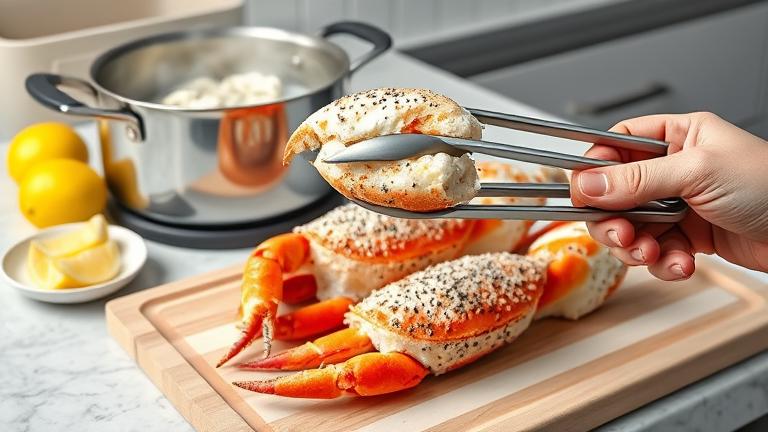
Understanding Frozen Pre-Cooked Crab Legs
Frozen pre-cooked crab legs are a popular seafood choice for many home cooks. They are typically harvested from high-quality crabs, such as king or snow crabs, and then cooked before being frozen. This process helps lock in their flavor and keeps the meat tender and delicious until you’re ready to enjoy them.
The key benefit of pre-cooked crab legs is convenience. You don’t have to spend time boiling or steaming the crab from scratch. Instead, they arrive ready to heat and serve, saving you time in the kitchen. This makes them perfect for weeknights, special dinners, or when entertaining guests.
When crabs are cooked before freezing, they are usually boiled, steamed, or baked immediately after harvesting. Once they reach the right internal temperature, the legs are chilled quickly to prevent bacteria growth. Then, they are vacuum-sealed or packed into airtight containers before being frozen. This careful preservation helps maintain their freshness and quality.
One important thing to understand is that frozen pre-cooked crab legs should be stored properly to avoid freezer burn or spoilage. Keep them at or below zero degrees Fahrenheit, which is -18°C. Once frozen, they can stay in the freezer for up to 6 months, though the best flavor is typically enjoyed within the first 3 months.
Handling frozen crab legs is straightforward. When you’re ready to cook them, you usually don’t need to thaw them first. Cooking them straight from the freezer is often simpler and helps keep the meat moist. However, if you prefer, you can thaw the crab legs in the refrigerator overnight for more even reheating.
In summary, frozen pre-cooked crab legs are a convenient, high-quality seafood option that offers great flavor with minimal effort. Knowing how they are prepared and preserved helps you decide how to store and cook them properly to get the best taste. Whether you’re steaming, boiling, or baking, understanding their frozen state makes your cooking experience smoother and more enjoyable.
Safe Thawing Tips for Crab Legs
Thawing frozen crab legs properly is key to keeping them safe and delicious. Whether you’re preparing for a flavorful dinner or a seafood feast, knowing the best methods can help you avoid bacteria growth and maintain their quality. Here are some simple, safe ways to thaw crab legs, along with practical tips to make the process smooth and stress-free.
1. Thaw in the Refrigerator
The safest way to thaw crab legs is in the refrigerator. This method keeps the seafood at a consistent, safe temperature. To do this, plan ahead and place the crab legs in a shallow dish or on a tray to catch any drips.
Allow them to thaw slowly overnight, usually 12-24 hours depending on the size of the crab legs. Small or pre-cooked crab legs may thaw in less time, around 8-12 hours. Make sure your refrigerator is set at 40°F, which is 4°C, or lower to keep everything safe.
After thawing, cook the crab legs within 1-2 days for the best taste and freshness. This method helps preserve the flavor and texture, while minimizing bacteria growth.
2. Cold Water Thawing
If you’re short on time, cold water thawing is a quick and safe alternative. Keep the crab legs in their original packaging or seal them into a leak-proof plastic bag. This prevents water from seeping in and contaminating the seafood.
Submerge the bag in a bowl or sink filled with cold water. Change the water every 30 minutes to keep it cold and ensure even thawing. Usually, crab legs thaw within a few hours, depending on their size.
Once thawed, cook them immediately to prevent bacteria growth. This method is faster than refrigerator thawing without sacrificing safety if done correctly.
3. Microwave Thawing Method
Using a microwave to thaw crab legs is quick, but it requires careful attention. Place the crab legs on a microwave-safe plate and use the defrost setting or set the microwave to 30% power.
Thaw in short intervals, about 1-2 minutes at a time, turning the crab legs periodically. Be cautious not to start cooking the seafood during this process. If parts of the crab legs begin to cook, stop thawing and cook immediately.
Because microwaves can heat unevenly, some spots may warm up faster. If that happens, cook the crab legs right after thawing to prevent microorganisms from growing.
Tips for Safe Thawing
- Never thaw crab legs at room temperature. This can promote bacteria growth and make the seafood unsafe.
- Always cook crab legs soon after thawing, especially if using the cold water or microwave method.
- Use a food thermometer to ensure cooked crab legs reach an internal temperature of 145°F, which is about 63°C.
- If you notice any off-odor, sliminess, or discoloration after thawing, discard the seafood to prevent foodborne illness.
Following these safe thawing tips will help you enjoy your crab legs at their best. Taking the time to thaw properly not only ensures safety but also enhances the flavor and texture of this delicious seafood.
Reheating Crab Legs Perfectly
Reheating crab legs might seem simple, but doing it just right can make a big difference in flavor and tenderness. Since they are already cooked, your goal is to warm them without overdoing it, so they stay juicy and delicious. Whether you prefer steaming, baking, or microwaving, there are easy methods to bring your crab legs back to life.
Best Practices for Reheating Crab Legs
Before reheating, it’s a good idea to check if your crab legs are still moist. If they look dry or have been stored too long, you might want to add a little moisture during reheating. Also, always keep crab legs refrigerated after cooking and consume them within 2-3 days for the best flavor and safety.
To avoid overcooking, reheat the crab gently. High heat or long reheating times can make the meat tough or rubbery. Now, let’s go over some common methods you can choose from based on what equipment you have and your taste preferences.
Reheating Methods
- Steaming: This is one of the gentlest and most effective ways to reheat crab legs while maintaining moisture and flavor. Fill a pot with about an inch of water, place a steaming rack inside, and bring it to a simmer. Put the crab legs on the rack, cover with a lid, and steam for 5-7 minutes until heated through. You should feel the heat when gently touching the shell.
- Baking in the Oven: Preheat your oven to 350°F, which is 175°C. Wrap the crab legs in aluminum foil to keep in moisture. Place them on a baking sheet and heat for about 10 minutes. For extra flavor, brush with melted butter or garlic butter before wrapping. This method is great for reheating multiple legs at once.
- Microwaving: This is the quickest option. Place crab legs in a microwave-safe dish and cover with a damp paper towel or microwave-safe lid. Microwave on medium power for 2-3 minutes, checking carefully to prevent overcooking. Pause halfway to re-serve the meat if needed. Microwaving is perfect for a quick reheat, but do it carefully to avoid losing the delicate texture.
Tips for Perfect Reheating
- Always check the internal temperature; it should be around 140°F, which is about 60°C, for safety and best results.
- If your crab legs seem dry after reheating, brush them with melted butter or broth before serving. This adds moisture and flavor.
- Avoid overheating, especially with the microwave, as it can make the meat tough.
Common Mistakes to Avoid
- Reheating for too long, which causes loss of juiciness and texture.
- Skipping the cover or adding moisture, resulting in drier crab legs.
- Using high heat, especially in the microwave, without checking often.
With these easy methods and tips, reheating crab legs can be simple and rewarding. The key is gentle reheating and keeping the moisture in. Now, you can enjoy your leftover crab legs just as delicious as when they were fresh.
Best Methods to Cook Crab Legs
Cooking crab legs is a delicious way to enjoy seafood, and there are several methods to choose from. Each technique offers a slightly different flavor and texture, so you can pick what suits your taste and equipment best. Whether you prefer steaming, boiling, baking, or grilling, these methods are easy to master at home and will help you create a tasty crab meal.
Steaming Crab Legs
Steaming is one of the gentlest ways to cook crab legs. It helps preserve their natural flavor and moisture. To steam crab legs, fill a large pot with about two inches of water, placing a steaming rack or basket inside. Make sure the water does not touch the rack. Bring the water to a boil over high heat.
Once boiling, place the crab legs on the rack, cover the pot with a lid, and steam for about 5 to 7 minutes if they are pre-cooked and frozen, or 10 to 15 minutes if they are raw. You will know they are ready when they are heated through and turn a bright reddish-orange color. Add aromatics like lemon slices, garlic, or bay leaves to the water for extra flavor.
Boiling Crab Legs
Boiling is a quick and straightforward method to cook crab legs. Fill a large pot with water—about 4 to 6 quarts—and add salt to replicate salty ocean water. You can also add herbs or spices like Old Bay seasoning for added taste.
Bring the water to a rolling boil, then carefully add the crab legs. Boil pre-cooked, frozen crab legs for 4 to 5 minutes, or raw ones for about 8 to 10 minutes. The crab legs are ready when they turn a vibrant red and are thoroughly heated. Use tongs to remove them from the water and serve hot.
Baking Crab Legs
Baking is a great method for a hands-off approach and works well if you want a slightly roasted flavor. Preheat your oven to 350°F, which is 175°C. Arrange the crab legs on a baking sheet, and brush them with melted butter or olive oil. For extra flavor, sprinkle with garlic, parsley, or paprika.
Wrap the crab legs in aluminum foil to keep them moist, then bake in the oven for around 15-20 minutes if they are pre-cooked, or 20-25 minutes if raw. Check that they are heated through and the meat is hot and tender. Baking is also perfect for adding a crispy or buttery touch if desired.
Grilling Crab Legs
Grilling adds a smoky flavor that many people love. Preheat your grill to medium-high heat. You can grill crab legs directly on the grates or use a grill pan. Brush the crab legs with melted butter or oil for extra flavor and to prevent sticking.
Place the crab legs on the grill and cook for about 4-5 minutes per side if pre-cooked, or 8-10 minutes if raw. Turn occasionally, basting with additional butter or marinade if desired. Keep an eye on them to avoid overcooking, which can dry out the meat. When they are heated through, remove and serve with lemon wedges or dipping sauces.
Quick Tips for Perfect Crab Legs
- Always check if your crab legs are cooked or raw before choosing a method. Pre-cooked legs just need to be heated, while raw will need longer cooking time.
- Avoid overcooking, as the meat can become tough and dry. Timing is key to keeping your crab legs tender and flavorful.
- Add flavor with aromatics like lemon, garlic, herbs, or seasonings to enhance the natural taste of the crab.
- Serve with melted butter, cocktail sauce, or lemon wedges for a classic and tasty experience.
Choose the method that matches your equipment and craving. Whether you steam, boil, bake, or grill, each technique can produce delicious crab legs to enjoy with family and friends.
Seasoning Ideas for Crab Legs
Crab legs already have a delicious, sweet flavor, but adding some seasonings can take your dish to the next level. Whether you’re roasting, steaming, or boiling, experimenting with different flavors can highlight the natural taste of crab meat. Here are some friendly and practical ideas to help you get creative with seasonings.
Classic Butter and Garlic
A timeless combo that never fails. Melted butter mixed with minced garlic creates a rich, savory dipping sauce. To make it extra special, add a squeeze of fresh lemon juice or a pinch of red pepper flakes for a bit of heat. Prepare the butter mixture while your crab legs are cooking so you can dip or brush them with warm goodness.
Zesty Lemon and Herbs
Want a fresh, bright flavor? Combine lemon juice and zest with chopped herbs like parsley, dill, or thyme. Drizzle this over your hot crab legs or serve it on the side as a dipping sauce. To make it even easier, mix everything in advance and keep it chilled until serving. The citrus and herbs beautifully balance the sweetness of the crab meat.
Spicy Cajun or Old Bay
If you like a little kick, spice blends are perfect. Cajun seasoning or Old Bay seasoning are popular choices for crab legs. Sprinkle generously before steaming, or stir into melted butter for dipping. These blends typically contain paprika, cayenne, and other spices that add depth and warmth without overpowering the delicate crab flavor.
Asian-Inspired Flavors
For an unexpected twist, try Asian-inspired seasonings. Mix soy sauce, sesame oil, and a touch of ginger for a savory marinade. Brush this on the crab legs or serve it as a dipping sauce. Adding chopped green onions or a sprinkle of sesame seeds enhances the flavor and presentation.
Sweet and Spicy Glazes
Combine honey or brown sugar with hot sauce or chili flakes to create a sweet and spicy glaze. Brush this onto the crab legs before broiling or grilling. The caramelized topping creates a delightful contrast to the tender crab meat, offering a flavor that’s both sweet and fiery.
Tips for Perfect Seasoning
- Always taste your sauce or seasoning mix before applying it to ensure it suits your preference.
- Use fresh herbs and citrus for the brightest flavors.
- Start with small amounts and add more gradually to avoid overpowering your crab.
- Seasoning can be added during cooking or as a finishing touch; often, a simple brush or dip at the end is enough.
- Pair your seasoned crab legs with crusty bread or rice to soak up extra sauce.
Serving Tips for Delicious Crab Legs
Crab legs are a luxurious treat that look as impressive as they taste. Serving them attractively and conveniently can enhance your dinner experience and impress your guests. Whether you’re presenting a seafood feast or a casual family dinner, the right serving tips make all the difference.
Start by choosing a good presentation style. Crab legs can be served in different ways, such as perched on a platter, nestled in a bed of shredded lettuce, or on a large serving tray. Laying them out neatly in a circular pattern creates an appealing visual, especially if you arrange the claws and legs for symmetry. To add a touch of elegance, garnish the plate with lemon wedges, fresh herbs like parsley or dill, or colorful vegetable slices.
When it comes to dipping sauces, the right choice can elevate the flavor of your crab legs. Classic options include clarified butter with a squeeze of fresh lemon, which complements the sweetness of the crab. You can also prepare flavorful sauces like garlic butter, spicy cocktail sauce, or tangy aioli. Serve sauces in small bowls or ramekins, placing them conveniently next to the crab legs on the platter.
Accompaniments are essential to round out the meal. Fresh side dishes like crusty bread, garlic breadsticks, or warm dinner rolls work well for sopping up delicious sauces. Steamed or roasted vegetables such as asparagus, green beans, or corn on the cob make great complements. For a light and refreshing touch, include a simple side salad with lemon vinaigrette.
When serving crab legs at a gathering, consider practical aspects as well. Providing seafood forks or small picks can make it easier for guests to extract the meat from the shells. Using napkins or moist towels helps keep hands clean, especially since crab legs can be messy to eat. For added convenience, serve pre-cracked crab legs so guests can enjoy more of the sweet meat without struggling with shells.
Presentation also involves creating an inviting atmosphere. Use a large, attractive serving tray or a decorative platter to make the crab legs stand out. Setting the table with nautical-themed décor or shell-shaped dishes can add a fun touch. Bright-colored linens or placemats make the meal more vibrant and inviting.
Remember, the goal is to make the crab legs look tempting and easy to enjoy. Offering a variety of sauces and side dishes allows everyone to customize their meal. Keep the serving area organized and accessible to ensure everyone has a great time. With some effort in presentation and accompaniments, your crab legs will be the star of any table.
Nutritional Benefits of Crab Legs
Crab legs are not only delicious but also packed with important nutrients that can boost your health. Eating crab legs provides a great source of high-quality protein, which is essential for building and repairing muscles. If you’re looking for a tasty way to increase your protein intake, crab legs are an excellent choice.
One of the biggest health benefits is the omega-3 fatty acids found in crab meat. These healthy fats support heart health, reduce inflammation, and can improve brain function. Including omega-3s in your diet can help lower bad cholesterol and decrease the risk of heart disease. Crab legs are a natural, tasty way to get your omega-3s without taking supplements.
In addition to protein and omega-3s, crab legs are rich in various vitamins and minerals. They provide substantial amounts of vitamin B12, which is important for nerve health and red blood cell production. You’ll also find good amounts of zinc, which strengthens the immune system and aids in wound healing. Other minerals like copper, selenium, and phosphorus contribute to your overall energy and bone health.
Key Nutrients in Crab Legs
| Nutrient | Amount per 3 oz (85g) | Health Benefits |
|---|---|---|
| Protein | 16 grams | Builds muscle, keeps you full |
| Omega-3 Fatty Acids | 150 mg | Supports heart and brain health |
| Vitamin B12 | 2.5 micrograms | Vital for nerve and blood cell health |
| Zinc | 1 mg | Strengthens immune system |
| Selenium | 30 micrograms | Acts as an antioxidant, protects cells |
While crab legs are highly nutritious, it’s wise to enjoy them in moderation, especially if you are mindful of your sodium intake. They can be quite high in salt, particularly if processed or pre-seasoned. To balance the nutrients, serve crab legs with fresh vegetables or a light salad.
Incorporating crab legs into your diet offers both health benefits and a delicious experience. Their rich nutrient profile supports many aspects of health, from heart health to immune function. So, next time you indulge in crab legs, remember you’re not only treating your taste buds but also nourishing your body with vital nutrients.