
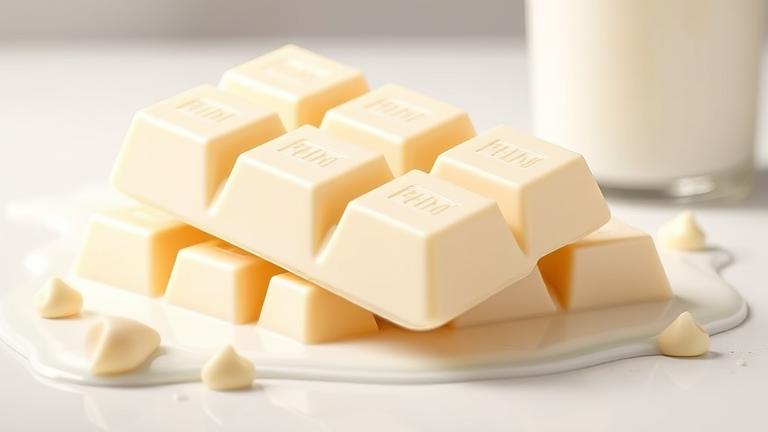
What Is White Chocolate?
White chocolate is a sweet, creamy type of chocolate that many people love for its rich flavor and smooth texture. Unlike milk or dark chocolate, white chocolate doesn’t contain cocoa solids. Instead, it is made from cocoa butter, sugar, and milk solids. This combination gives it a lighter color and a different taste profile.
One of the key things to know about white chocolate is that it has a sweet, buttery flavor. It lacks the bitter notes found in dark chocolate because it doesn’t have cocoa solids, which contain the cocoa mass. Instead, the cocoa butter used in white chocolate provides its smooth, melt-in-your-mouth feel. This characteristic makes it ideal for confections, baking, or just snacking straight from the bar.
White chocolate is often used in dessert recipes because it melts easily and adds a rich, sweet flavor. You might see it in cookies, ganache, candies, or even drizzled over fruit. Its mild flavor pairs well with ingredients like vanilla, berries, and nuts, making it a versatile choice for many treats.
How Does White Chocolate Differ from Other Types?
- Milk Chocolate: Contains cocoa solids, cocoa butter, milk solids, and sugar. It has a creamier and sweeter taste than dark chocolate, with a lighter color than dark chocolate.
- Dark Chocolate: Made from cocoa solids, cocoa butter, and sugar. It has a richer, more intense chocolate flavor and is often less sweet than white or milk chocolate.
- White Chocolate: Made mainly from cocoa butter, sugar, and milk solids but no cocoa solids. It has a sweet, buttery flavor and a creamy texture, but some purists consider it not true chocolate due to the absence of cocoa solids.
Some people consider white chocolate a confection rather than real chocolate because it lacks the cocoa solids that give chocolate its characteristic taste and color. Despite this, it remains popular for its unique flavor and smooth consistency.
When shopping for white chocolate, look for products that list cocoa butter as one of the main ingredients. This ensures you are getting a quality product. Cheaper options might include vegetable fats instead of cocoa butter, which can affect flavor and melting properties.
In summary, white chocolate is a delightful confection made from cocoa butter, sugar, and milk, giving it a creamy texture and sweet flavor. It differs from milk and dark chocolate in ingredients and taste, making it a versatile choice for many desserts and treats. Whether you enjoy it in baking or simply as a snack, understanding what makes white chocolate special can help you use it better in your recipes.
Main Ingredients of White Chocolate
White chocolate has a rich, creamy flavor that many people love. Unlike dark or milk chocolate, it doesn’t contain cocoa solids. Instead, its main ingredients are carefully chosen to give it that smooth, sweet taste. Let’s take a closer look at the primary ingredients used in making white chocolate.
Cocoa Butter
The key ingredient that defines white chocolate is cocoa butter. Cocoa butter is the fat extracted from cocoa beans. It has a mild, nutty flavor and a luxurious smoothness that helps give white chocolate its velvety texture. When choosing cocoa butter, quality matters. Good cocoa butter should be pure and free from any added flavorings or preservatives. It melts at a relatively low temperature, which makes white chocolate melt beautifully in your mouth.
Sugar
Sugar is the sweet component of white chocolate. It balances out the richness of the cocoa butter and gives the chocolate its sweet, appealing flavor. Usually, refined white sugar or cane sugar is used. The amount of sugar can vary depending on the recipe or brand, but most white chocolates contain a significant amount to ensure a sweet and creamy taste. Be cautious with sugar quantities, as too much can make the chocolate overly sweet and affect its texture.
Milk Solids
Milk solids are essential for giving white chocolate its characteristic creamy and smooth profile. They come from milk powder, milk powder concentrate, or milk solids neutralized to remove moisture. Adding milk solids enhances the flavor and softens the texture, making it more melt-in-your-mouth. The type and amount of milk solids used can influence the flavor and color of the final product. They also contribute a slight dairy aroma that complements the sweetness.
Additional Ingredients and Tips
- Emulsifiers: Sometimes, ingredients like lecithin are added to improve the mixability of fats and sugars, helping the chocolate stay smooth and glossy.
- Flavorings: Vanilla or other natural flavors might be added to enrich the taste, but in pure white chocolate, the focus remains on the balance of cocoa butter, sugar, and milk solids.
- Quality check: Always check the ingredient list. High-quality white chocolate will contain a high percentage of cocoa butter and minimal fillers or additives.
Understanding these main ingredients can help you choose better-quality white chocolates and even inspire you to make your own at home someday. Whether you’re melting it for a sauce or baking with it, knowing what’s inside allows you to get the best results every time.
Does White Chocolate Contain Milk?
Many people wonder if white chocolate contains milk, and the answer is generally yes. Unlike dark or milk chocolate, white chocolate is made from cocoa butter, sugar, and milk solids, giving it its creamy texture and sweet flavor. But not all white chocolates are the same, so it’s good to understand what to look for when choosing or making it.
In its typical form, white chocolate does contain milk ingredients. Most commercial brands use milk powder, milk fat, or condensed milk to create that rich, smooth consistency. This makes white chocolate a popular choice for people who enjoy dairy products or crave creamy confections. If you have a milk allergy or are lactose intolerant, most standard white chocolates are not suitable because of the milk content.
Common Formulations of White Chocolate
White chocolate is usually made with the following key ingredients:
- Cocoa butter: The fat extracted from cocoa beans, which gives white chocolate its smooth, melt-in-your-mouth texture.
- Milk solids: Dried milk powder or milk fat, responsible for the creamy flavor and color.
- Sugar: Adds sweetness and balances the richness of the milk and cocoa butter ingredients.
- Emulsifiers: Such as lecithin, which help blend the ingredients smoothly.
Because milk solids are essential, most white chocolates are, by default, considered dairy products. However, some brands offer dairy-free or vegan white chocolates made with plant-based substitutes. These often replace milk solids with coconut milk, soy milk, or other plant fats and powders.
Variations and Dairy-Free Alternatives
If you’re looking for white chocolate without milk, read the labels carefully. Many manufacturers now produce dairy-free options, especially for those with allergies or preferences. These alternatives use ingredients like coconut milk powder or rice milk to mimic the creamy texture. Keep in mind that they might taste slightly different from traditional white chocolate.
Here’s a quick tip: if you’re making your own white chocolate at home and want it dairy-free, try melting cocoa butter and mixing it with sweetened coconut or soy milk powder. Add a sweetener and vanilla for flavor. Homemade dairy-free white chocolate might not set as firmly as commercial versions, so it’s best suited for recipes like truffles or drizzles.
Summary
Most white chocolate does contain milk ingredients, making it unsuitable for those who are allergic or lactose intolerant unless labeled as dairy-free. Always check the ingredient list when purchasing. Whether you prefer traditional dairy-based white chocolate or plant-based alternatives, options are available to suit your dietary needs.
Types of Milk Used in White Chocolate
When making white chocolate, the type of milk used plays a big role in its flavor and texture. Typically, white chocolate is made with milk, which gives it that smooth, creamy consistency. But there are several options to choose from, depending on dietary needs, taste preferences, or availability.
Dairy Milk in White Chocolate
The most traditional and common type of milk used in white chocolate is dairy milk. Usually, it comes from cows and is available in various forms, such as whole milk, skim milk, or condensed milk. Whole milk is often preferred because it adds richness and a full-bodied creamy flavor. The milk fat helps create that melt-in-your-mouth texture that white chocolate is known for.
When using dairy milk, it’s important to heat it gently and avoid boiling, which can scorch the milk and alter the flavor. Many recipes call for milk powder instead of liquid milk. Milk powder tends to blend more smoothly into the chocolate base and helps keep the chocolate stable during storage.
Non-Dairy Milk Alternatives
If you’re lactose intolerant, vegan, or simply want to try different flavors, non-dairy milk alternatives are a great option. These plant-based milks each bring their unique taste and characteristics to white chocolate:
- Almond Milk: Light and nutty, almond milk adds a subtle flavor. Use unsweetened varieties to keep the sweetness controlled.
- Coconut Milk: Rich and creamy, coconut milk imparts a tropical flavor that pairs beautifully with white chocolate. Full-fat canned coconut milk works best for a smooth texture.
- Soy Milk: Neutral in flavor but protein-rich, soy milk creates a stable and creamy white chocolate. Look for versions with no added sugar for better control over sweetness.
- Oat Milk: Slightly sweet and very smooth, oat milk blends well and can produce a nicely textured white chocolate.
- Rice Milk: Thin and mildly sweet, rice milk is a lighter option. It might require a bit more thickening to achieve the same creaminess.
Considerations When Choosing Milk for White Chocolate
Picking the right milk depends on your flavor goals and dietary needs. For the best results:
- Check the fat content: Higher fat milk results in a creamier texture. You might prefer whole milk or coconut milk for added richness.
- Be mindful of sweetness: Sweetened milk can make your white chocolate excessively sweet, so opt for unsweetened versions if possible.
- Experiment with combinations: Sometimes blending dairy and non-dairy milks can create a unique flavor and texture profile.
Remember, each type of milk will influence the final taste and consistency of your white chocolate, so don’t hesitate to try different options and see what you like best! Whether you stick with traditional dairy milk or venture into plant-based alternatives, choosing the right milk is a key step in creating delicious white chocolate treats.
How to Identify Milk in White Chocolate
White chocolate has a smooth, creamy flavor that many enjoy. If you want to know whether it contains milk, the best way is to read the label carefully. Most white chocolates include milk or milk derivatives, but some brands may use alternative ingredients. Recognizing these clues helps you make informed choices, especially if you have dietary restrictions or allergies.
Start by looking at the ingredient list on the packaging. Ingredients are usually listed in order by weight, from the most to the least. If milk or milk-derived ingredients are present, they will be listed here. Common words indicating milk include “milk,” “milk solids,” “milk fat,” “whey,” “casein,” “lactose,” or “milk powder.” Even if the word “milk” isn’t present, look for these related terms.
Some white chocolates are labeled as “vegan” or “dairy-free.” These products are less likely to contain milk. However, always double-check the ingredients list to be certain. Manufacturers might use vegetable fats instead of milk fat or include dairy-free alternatives like coconut milk powder.
Knowing the Common Milk-derived Ingredients
- Milk solids: Dairy component that provides creaminess and flavor.
- Whey: The liquid part of milk left after curdling, used for texture.
- Casein: A protein found in milk, often added for smoothness.
- Lactose: Milk sugar, used as a sweetener or filler.
- Milk fat: Also called butterfat, adds richness.
In addition to the ingredients list, check for allergen information. Many labels include a section noting if milk or dairy is present or if it was processed on shared equipment. This is especially important for those with severe milk allergies or lactose intolerance.
Understanding Labels and Certifications
Some products carry labels like “dairy” or “contains milk.” Others may have symbols indicating the presence of dairy ingredients. If you are seeking dairy-free or vegan white chocolate, look for certifications or labels that specify “vegan” or “dairy-free.”
Always read labels carefully to ensure the product meets your dietary requirements. When shopping in stores, examine the packaging and ingredient list thoroughly before making a purchase.
Tips for Spotting Milk in White Chocolate
- Always read the ingredients carefully, especially if you have allergies or dietary preferences.
- Watch for less obvious terms like “whey” or “casein,” which indicate milk content.
- Compare brands—some might use milk alternatives or omit milk entirely.
- Check for allergy warnings and certifications to be extra cautious.
By paying close attention to labels and understanding ingredient names, you can confidently identify whether a white chocolate contains milk. This helps ensure you enjoy your treats safely and in accordance with your dietary needs and preferences.
Alternatives for Milk-Free White Chocolate
If you’re looking for milk-free white chocolate, you’re in luck. There are plenty of delicious options that suit allergies, dietary choices, or personal preferences. Whether you’re vegan, lactose intolerant, or simply want to avoid dairy, finding milk-free white chocolate can be straightforward and enjoyable.
Many brands now offer dairy-free versions of white chocolate made with plant-based ingredients instead of milk. These alternatives often use coconut, rice, or almond as the base. They deliver the creamy sweetness you expect without any milk products. Plus, they tend to contain fewer allergens, making them a suitable choice for those with multiple food sensitivities.
Here are some popular milk-free white chocolate varieties and tips to choose the best one for your needs:
Plant-Based White Chocolate Options
- Coconut White Chocolate: Made with coconut oil and coconut milk, these chocolates offer a rich, creamy texture and tropical flavor. Brands like Enjoy Life and Made Good provide coconut-based white chocolates that are free from dairy and soy.
- Rice-Based White Chocolate: Using rice milk as a base, these chocolates tend to be lighter but still sweet and satisfying. Look for options like Decking’s vegan white chocolate blocks or similar products.
- Almond or Nut-Based White Chocolate: Some brands use almond milk or other nut milks to craft white chocolate. Be aware of nut allergies when choosing this option.
Allergen-Free and Specialty Alternatives
- Certified Vegan White Chocolate: Many brands label their products as vegan and dairy-free. These are typically free from common allergens like milk, whey, or casein. Always read labels carefully to avoid hidden dairy ingredients.
- Organic and Non-GMO Options: For health-conscious choices, organic and non-GMO milk-free white chocolates are available. Brands like Lily’s or Unreal often focus on such standards and avoid artificial ingredients.
Tips for Choosing Milk-Free White Chocolate
- Check the Ingredient List: Always review the ingredients to confirm no dairy, milk solids, or milk fat are present. Be cautious, as some non-dairy options may still contain traces of milk due to shared manufacturing.
- Look for Certification: Certifications like “Vegan” or “Dairy-Free” can help verify the product’s suitability.
- Try Different Brands and Flavors: Plant-based white chocolates can vary in creaminess and sweetness. Experiment to find your favorite.
- Consider Homemade Options: You can make your own milk-free white chocolate with cocoa butter, coconut milk, and sweeteners, allowing full control over ingredients and flavors.
Practical Tips and Common Mistakes to Avoid
- Beware of products labeled as white chocolate but contain milk solids or milk fat. Always verify ingredients.
- Some “dairy-free” chocolates may still contain traces of milk due to manufacturing processes. For severe allergies, seek certified allergen-free options.
- Store milk-free white chocolate in a cool, dry place to prevent melting and bloom, which is a white surface film caused by fat crystallization.
With many tasty and safe alternatives available, enjoying white chocolate without milk is entirely achievable. A little label reading and experimentation will help you find your perfect dairy-free treat!
Frequently Asked Questions About White Chocolate
If you’re curious about white chocolate, you’re not alone. Many people have questions about what makes it different from regular chocolate, how to store it, and whether it’s suitable for their diet. Here are some common questions answered simply and clearly to help you enjoy white chocolate confidently.
Does White Chocolate Contain Milk?
Yes, most white chocolates do contain milk ingredients. It is made from cocoa butter, milk solids or milk powder, sugar, and sometimes vanilla. The milk in white chocolate gives it a creamy texture and a sweeter flavor compared to dark or milk chocolates.
If you are lactose intolerant or allergic to milk, check the ingredients carefully. Some white chocolates are labeled as dairy-free or vegan, but these are less common. Always read the packaging to ensure it fits your dietary needs.
Can I Store White Chocolate in the Refrigerator?
It’s best to store white chocolate in a cool, dark place away from direct sunlight and heat. Many wonder if refrigeration is a good option. While it can be stored in the fridge, white chocolate may develop a white film called “bloom.”
Bloom occurs when the cocoa butter melts slightly and then re-solidifies on the surface. It doesn’t affect safety or flavor but might make the chocolate look less appealing. If you do refrigerate, place it in an airtight container to prevent moisture absorption and allow it to reach room temperature before eating.
How Long Does White Chocolate Last?
When stored properly, white chocolate can last approximately up to a year. Keep it tightly wrapped or in an airtight container to prevent it from absorbing odors. Once opened, try to enjoy it within a few months for optimal flavor and texture.
If the white chocolate develops an off smell, discoloration, or a sticky surface, it’s best to discard it.
Is White Chocolate Suitable for Special Diets?
White chocolate might not be suitable for all dietary restrictions. Since it often contains milk, it is not vegan or dairy-free. It also includes sugar and fats, which may be unsuitable for low-sugar or low-fat diets.
For allergy-sensitive or dietary restrictions, look for allergen-free or specialty white chocolates labeled as vegan or dairy-free. Remember, moderation is key because white chocolate is high in sugar and fats, which can impact your health if consumed excessively.
Are There Any Common Mistakes to Avoid with White Chocolate?
- Do not store white chocolate in the refrigerator longer than necessary without protection, as it can cause bloom.
- Avoid overheating when melting white chocolate; it burns easily and can become grainy. Use gentle heat or a double boiler.
- Always check labels carefully if you wish to avoid dairy or specific ingredients. Not all white chocolates are identical in composition.
Understanding these essentials about white chocolate—its ingredients, storage, and dietary considerations—helps you enjoy it safely and deliciously. Whether baking, snacking, or decorating, knowing what to look for makes all the difference!