
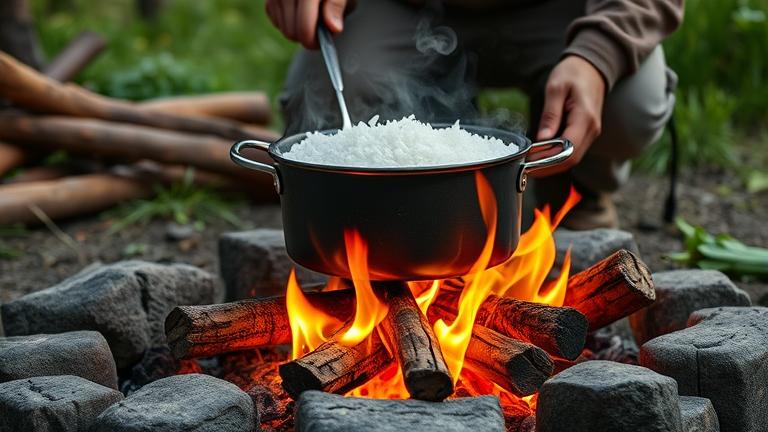
How to Cook Rice Over a Campfire
Cooking rice over a campfire can be a rewarding experience, especially when you’re out in nature and craving a warm, tasty meal. The key is to understand the basic methods and gather the right tools to make the process simple and successful. Whether you’re a beginner or looking to enhance your fire-cooking skills, this guide will help you get started with ease.
First, you’ll need some basic supplies: a sturdy pot with a lid, a heat-safe stirring utensil, and enough water. You might also want a campfire grate or tripod to hold your pot steady over the flames. It’s best to choose a rice variety like long-grain or jasmine, which cooks evenly and results in fluffy grains. Before cooking, measure your rice and water carefully to ensure perfect results.
One simple method is the boil and simmer approach. Here’s how to do it:
- Start your campfire and let it burn until you have hot, glowing embers. If possible, create a mellow bed of coals for even heat.
- Place your measured rice and water into the pot. A common ratio is 1 part rice to 2 parts water, but check your rice package for specific instructions.
- Bring the mixture to a boil over the fire. Use a long spoon or tongs to stir gently and prevent burning at the bottom.
- Once boiling, reduce the heat by moving the pot to part of the fire with less intense flames or by adjusting your coals. Cover the pot with a lid or foil.
- Let the rice simmer gently for about 15-20 minutes. Avoid lifting the lid too often, as steam escapes and can affect cooking.
- Afterward, turn off the heat and let the rice rest covered for about 5 minutes. This step helps the rice become tender and fluffy.
Keep a few tips in mind to improve your rice-cooking experience:
- Use the right water amount: Too much water can make rice mushy, while too little can leave it undercooked.
- Adjust heat carefully: Campfire temperatures vary, so managing the fire to maintain a gentle simmer is key.
- Be patient: Cooking rice over a campfire takes longer than on a stove, so give it time and don’t rush the process.
- Safety first: Always keep a safe distance from open flames and use heat-resistant gloves or tools to handle hot pots.
- Practice makes perfect: Every campfire is different, so don’t be discouraged if your first attempt isn’t flawless. Learn from each experience and tweak your method as needed.
Cooking rice over a campfire is a practical skill that adds a delicious, homemade touch to your outdoor meals. With patience and some basic techniques, you’ll be able to serve fluffy rice that complements your fire-cooked dishes perfectly. Happy camping and enjoy your tasty, fire-cooked rice!
Tips for Perfect Fire-Cooked Rice
Cooking rice over an open fire can be a fun and rewarding experience, but it does require some special tips to get it just right. Whether you’re camping or cooking outdoors, following these simple tricks will help your rice turn out fluffy, tender, and delicious every time.
Choose the Right Type of Rice
Not all rice cooks the same way. Long-grain rice like basmati or jasmine tends to stay separate and fluffy, making them good choices for fire cooking. Short-grain rice, such as sushi rice, is stickier and can be more challenging to cook evenly over open flames.
If you’re new to fire cooking, sticking to basic white rice is a safe bet. You can experiment with brown rice later once you’re comfortable with the process.
Prep Your Rice Well
Start by rinsing your rice thoroughly with cold water. Rinsing removes excess starch, which can make your rice sticky or clumpy. Rinse until the water runs clear for the best results.
After rinsing, drain the rice well and consider soaking it for about 20-30 minutes if you want fluffier grains. This step helps the rice cook more evenly over the fire.
Use the Correct Water-to-Rice Ratio
For most types of rice, a good rule of thumb is to use about 1.5 to 2 cups of water for every cup of rice. Overloading with water can lead to mushy rice, while too little may leave it undercooked.
Adjust the amount based on your rice type and your cooking environment. When cooking over a fire, it’s better to start with a little more water, as some will evaporate quickly.
Control the Fire and Cooking Temperature
Consistent heat makes all the difference. Try to attain a steady, medium heat that simulates gentle boiling. Too high and the rice could burn at the bottom while remaining undercooked on top.
If possible, build a fire that you can manage easily. Use a camping stove or create a controlled fire with rocks or a grill to contain the flames. Adjust the flames as needed to maintain a gentle simmer.
Use a Suitable Pot with a Tight-Fitting Lid
A pot with a tight lid traps steam and heat, helping the rice cook evenly. Cast iron or heavy-duty aluminum pots work well for fire cooking. If you don’t have a lid, you can cover the pot with foil or a piece of waterproof cloth secured tightly around the edges.
Keep the lid on most of the cooking time, only lifting it briefly to check for doneness or stir if needed. Lifting it too often lets out steam and can disrupt the cooking process.
Cooking Time and Techniques
Expect the rice to take about 15-20 minutes to cook once the water is boiling. Once the water is absorbed and the rice looks fluffy and tender, turn off the heat but leave the lid on for another 5 minutes. This allows the rice to finish steaming and become fully fluffy.
Remember, every fire is different. Practice and adjusting the heat as needed will help you perfect your fire-cooked rice.
Common Mistakes to Avoid
- Stirring too often: Stirring can release starch and make rice sticky. Let it cook undisturbed.
- Using too little water: Your rice might stay crunchy or burn.
- Cooking at too high heat: Flames that are too hot can scorch the rice or cause uneven cooking.
Extra Tips for Great Results
- If your rice turns out too sticky, rinse it and reduce the water next time.
- For added flavor, cook the rice in broth or add herbs and spices before cooking.
- Practice makes perfect — each fire and outdoor setup is unique. Keep experimenting to find what works best for your environment.
Best Types of Rice for Camping
If you’re heading out on a camping trip, bringing the right type of rice can make cooking much easier and tastier. Different rice varieties suit different cooking methods, whether you’re using an open fire, portable stove, or camping cookware. Knowing which rice to pack can help you enjoy simple, satisfying meals in the great outdoors.
Let’s explore some of the best rice options for camping, highlighting their unique features and best uses. From quick-cooking favorites to sturdy grains that hold up well in outdoor conditions, you’ll find plenty of choices to suit your camping culinary needs.
Long-Grain White Rice
This is one of the most common and versatile rice types. Long-grain white rice cooks quickly and tends to stay fluffy and separate when cooked. It’s perfect for camping because it doesn’t easily turn mushy. This rice works well for side dishes, rice salads, or as a base for stews.
For quick cooking, use fast-cooking or instant versions. These can be ready in as little as 10-15 minutes. Just remember to bring enough water and a pot with a lid to keep the heat in. Fluff the rice with a fork once cooked to keep it light and airy.
Brown Rice
Brown rice is a whole grain option that includes the bran layer, making it more nutritious but also taking longer to cook. Since camping meals favor quick prep, consider pre-cooking or soaking brown rice at home before your trip. This shortens cooking time and makes it easier to prepare over a campfire.
Brown rice has a nutty flavor and chewy texture. It’s great for hearty meals or when you want more fiber in your diet. Keep in mind, it may need about 40-45 minutes of cooking, so plan accordingly.
Parboiled or Converted Rice
This rice has been partially boiled before packaging, which helps it cook more evenly and faster. It holds its shape well and tends to be less sticky, making it an excellent choice for camping adventures.
Parboiled rice is durable and resistant to breaking apart, so it’s perfect for rice dishes that need to hold together, like pilafs or rice casseroles. It also stores well, making it a reliable pantry staple for camping trips.
Instant or Quick-Cook Rice
If convenience is your priority, instant rice is a camping hero. It’s pre-cooked and then dried, so it only needs hot water and a few minutes to rehydrate. This is ideal for backpackers or campers who want a fast meal after a day on the trails.
Keep in mind, instant rice can sometimes be a bit softer and less flavorful. Enhance it with seasonings, herbs, or bouillon cubes for better taste. Always bring enough water, as over-hydrating can make the rice mushy.
Sticky or Glutinous Rice
This variety is mainly used in Asian cuisines and has a high starch content, making it sticky when cooked. It’s great for meals where you want rice to hold together, like sushi or rice balls.
For camping, sticky rice works best if you have a way to steam it in a basket or use a special pot. It’s not the best for salads or dishes that require fluffy grains, but it’s fun to include in creative outdoor meals.
- Tip: Always rinse rice before cooking to remove excess starch and dirt.
- Tip: Pack rice in airtight containers to prevent spoilage and pests.
- Mistake to avoid: Cooking rice with too little water, which can cause it to burn or stick to the bottom of your pot.
Equipment Needed for Fire Cooking
Cooking rice over a fire can be a fun and rewarding experience. To do it safely and effectively, you’ll need some basic tools and equipment. Having the right gear makes the process easier and helps you avoid common mistakes. Let’s go through the essential equipment you’ll want to gather before starting your fire-cooked rice adventure.
Fire-Resistant Cooking Vessel
The most important piece of equipment is a sturdy pot or pan that can withstand high heat. Classic options include a cast iron skillet or a heavy-duty metal pot with a lid. These materials distribute heat evenly and last a long time. If you’re camping or out in the wild, a lightweight camping pot made of aluminum or titanium is a good choice. Make sure the pot is large enough to hold the rice and water comfortably and has a comfortable handle for safe handling over the fire.
Heat Source and Fire Setup
You’ll need a safe and controlled fire source. This could be a campfire, a wood stove, or a portable camping stove that runs on gas. For open fires, build a stable fire pit and ensure you have enough wood or fuel to keep it steady while cooking. Always keep a bucket of water or a fire extinguisher nearby, just in case. If you’re using a campfire, start with dry wood and build a manageable fire that produces steady heat before cooking.
Cooking Tools
- Long-handled spoon or stirrer: Helps mix the rice and check for doneness without risking burns from the flames.
- Heat-resistant gloves: Protect your hands when handling hot pots or adjusting the fire.
- Metal tongs or pokers: Useful for repositioning logs or adjusting the firewood.
Measuring and Preparation Items
Having the right tools for measuring rice and water ensures consistent results. Bring measuring cups and spoons, especially if you want perfect rice texture. You’ll also need a chopping board and knife if you plan to add ingredients like herbs, vegetables, or seasonings.
Additional Handy Equipment
- Lid covers: A lid helps trap heat and steam inside the pot, speeding up cooking and making rice fluffy.
- Windbreaks or shields: These protect your fire from gusts of wind, maintaining a steady temperature.
- Cooler or storage container: For storing excess rice or leftovers, ready for the next meal.
Safety and Cleanup Supplies
Cooking over fire involves safety. Always keep a first aid kit nearby. Have some fire-resistant mats or surfaces to place hot equipment on. After cooking, cleanup is easier if you have water, soap, and scrub brushes ready for washing your cookware.
Step-by-Step Fire-Cooked Rice Guide
Cooking rice over a fire can be a rewarding experience that brings a rustic touch to your meal. Whether you’re camping or just want to try something different in your backyard, this guide will walk you through each step to ensure your rice turns out perfectly fluffy and delicious.
Preparing the Fire and Equipment
Start by building a safe and steady fire. Use dry wood or charcoal, as they burn cleaner and provide consistent heat. Arrange your fire so that there is a stable bed of embers or a controlled flame. You’ll need a sturdy pot with a lid, preferably one made of cast iron or heavy-duty metal, which distributes heat evenly.
Gather all your ingredients and tools before you begin. You’ll need measured rice, water, a stirring spoon, and optional seasonings like salt or herbs. Having everything ready helps keep the process smooth and enjoyable.
Preparing the Rice
Measure the rice you want to cook. For long-grain rice, one cup generally serves about two people. Rinse the rice thoroughly under cold water to remove excess starch, which prevents clumping and helps achieve fluffy rice.
Once rinsed, set the rice aside. If you’re seasoning, add a pinch of salt or your favorite herbs to the water later, or sprinkle them on the rice after cooking for extra flavor.
Cooking the Rice Over the Fire
- Fill your pot with water, maintaining a ratio of about 2 parts water to 1 part rice. This allows the rice to absorb water properly while preventing burning.
- Bring the water to a boil over the fire. Keep a close eye on it to avoid boil-over or burning at the bottom.
- Add the rinsed rice to the boiling water. Stir it gently to distribute evenly.
- Reduce the heat slightly by moving the pot to a cooler part of the fire, or partially cover to regulate the temperature. Cover the pot with its lid to trap steam.
- Let the rice simmer gently for about 15–20 minutes. Do not lift the lid too often, as this releases steam and can affect cooking time.
Checking and Finishing
After the cooking time, carefully lift the lid to check the rice. It should be tender and the water absorbed. If the rice still has water or feels hard, cover again and cook for a few more minutes.
Once ready, remove the pot from the fire and let the rice sit, covered, for about 5 minutes. This step helps any remaining steam finish the cooking process and equalizes the texture.
Serving and Tips
- Fluff the rice with a fork or a clean cloth to separate the grains.
- Serve your fire-cooked rice with your favorite dishes, such as grilled meats, stews, or vegetables.
- For extra flavor, stir in a little butter or herbs after cooking.
Remember, cooking over fire can be unpredictable. Adjust the fire as needed, keep a safe distance, and always supervise your cooking area. With practice, you’ll master this hearty, rustic way to enjoy perfectly cooked rice any time you’re outdoors.
Common Mistakes to Avoid
Cooking rice over a fire can be a simple and rewarding experience, but it does come with some common pitfalls. Avoiding these mistakes can help you achieve perfectly cooked rice, every time. Whether you’re camping or just using a stovetop flame, understanding what can go wrong helps you cook with confidence.
The most common mistake is using too much water. When rice is cooked with an excess of water, it can turn mushy and lose its texture. Conversely, using too little water can leave the rice undercooked and hard in the center. To prevent this, measure the water carefully and follow a reliable ratio for the type of rice you’re cooking. For most long-grain rice, a typical ratio is 1 cup of rice to 2 cups of water.
Another frequent error is not rinsing the rice before cooking. Rinsing removes excess starch from the surface, which helps prevent the rice from becoming sticky or clumpy. To rinse rice, place the rice in a bowl, cover with cold water, and swirl gently. Drain the water, and repeat until it runs clear. This simple step makes a big difference in the final texture of your rice.
Cooking rice directly over an uneven or overly high flame can cause burning or uneven cooking. Start with a medium flame and check frequently. If the flame is too high, the rice can scorch at the bottom before the top is cooked. Using a heavy-bottomed pot or pan helps distribute heat evenly, reducing the risk of burning. Also, keep an eye on the heat once the water starts boiling, and reduce it to low to allow gentle simmering.
Stirring the rice during cooking is another common mistake to avoid. Stirring too often or too vigorously can break the grains and make the rice sticky. Once you’ve added the water and brought it to a boil, try to leave the rice undisturbed until it’s cooked. If you need to check on it, do so gently and sparingly.
Failing to let the rice rest after cooking is a mistake that can affect texture. Once the rice has absorbed all the water and is tender, turn off the heat and let it sit covered for about 5 minutes. This resting period allows the steam to evenly distribute, making the rice fluffy and preventing it from being too wet or sticky.
- Use a timer to avoid overcooking or undercooking.
- Choose the right pot size; a tight-fitting lid traps steam effectively.
- Adjust heat carefully to prevent burning and ensure even cooking.
- Always let the rice sit covered after cooking for best results.
By steering clear of these common mistakes—such as using too much water, skipping rinsing, cooking over high heat, stirring excessively, or skipping the resting period—you’ll improve your rice cooking skills. Every time you cook rice over a fire, these simple tips will help you enjoy fluffy, perfectly cooked grains with minimal fuss.
FAQs About Cooking Rice on a Fire
Cooking rice on a fire can be a handy skill, whether you’re camping, grilling outdoors, or just want to try something different in your kitchen. There are many common questions about fire-cooking rice, so here are some helpful tips and answers to make your experience a success.
What type of rice is best for cooking on a fire?
Short answer: long-grain rice like basmati or jasmine generally works well because they cook evenly and stay fluffy. However, medium and short-grain rice, such as sushi rice, can also be cooked, but they tend to be stickier. If you’re camping and want simplicity, white rice is easier to prepare. Brown rice can be cooked on a fire too, but it takes longer and requires more water. Choose the type based on your taste and cooking time.
How much water should I use when cooking rice on a fire?
Most traditional rice-to-water ratios are 1 cup of rice to 2 cups of water, but this may vary depending on rice type. For outdoor cooking, it’s often safer to start with a slightly higher amount of water to prevent burning or sticking. A good rule of thumb is to use 2.5 cups of water for every cup of rice. Keep in mind that cooking on an open fire isn’t as precise as on a stovetop, so monitor closely and adjust if needed.
What’s the best way to cook rice on a campfire or open flame?
Using a pot with a lid is essential. Place the rice and water in a sturdy pot or a camping cookware designed for open fire. Bring the water to a boil over the flames, then reduce to a simmer by moving the pot to a cooler part of the fire or lowering the heat if using a camping stove. Cover tightly with a lid or foil. Let it simmer gently for about 15-20 minutes, but remember, outdoor cooking times can vary depending on fire strength and pot material.
How do I prevent rice from burning or sticking to the bottom?
This is a common challenge when cooking on a fire. To prevent sticking, stir the rice once or twice at the beginning to distribute the heat evenly. Use a thick-bottomed pot if possible, as it provides better heat distribution. Keep the heat low after boiling, and avoid lifting the lid frequently, which releases steam and lengthens cooking time. Adding a little oil or butter can also help prevent sticking. Finally, once the liquid is absorbed and rice is tender, turn off the fire and let it sit covered for a few minutes to ensure even heat distribution.
What should I do if my rice is undercooked or too sticky?
If your rice is undercooked, add a splash of boiling water and continue cooking for a few more minutes with the lid on. For overly sticky rice, it may have absorbed too much water or been cooked too long. Fluff it gently with a fork and let it sit uncovered for a few minutes to let excess moisture evaporate. For next time, adjust water amounts or cooking time accordingly. Remember, outdoor cooking can be unpredictable, so a little experimentation helps.
Are there safety tips for cooking rice on a fire?
- Always use heat-resistant gloves when handling hot pots or lids.
- Ensure your cooking area is clear of flammable materials.
- Use stable, level surfaces for your pots to prevent spills.
- Never leave the fire unattended while cooking.
- Have water or a fire extinguisher nearby in case of emergencies.
Cooking rice on a fire is both fun and rewarding once you get the hang of it. With patience and practice, you’ll be able to make perfectly fluffy rice no matter where you are. Happy cooking and enjoy your outdoor meal!