
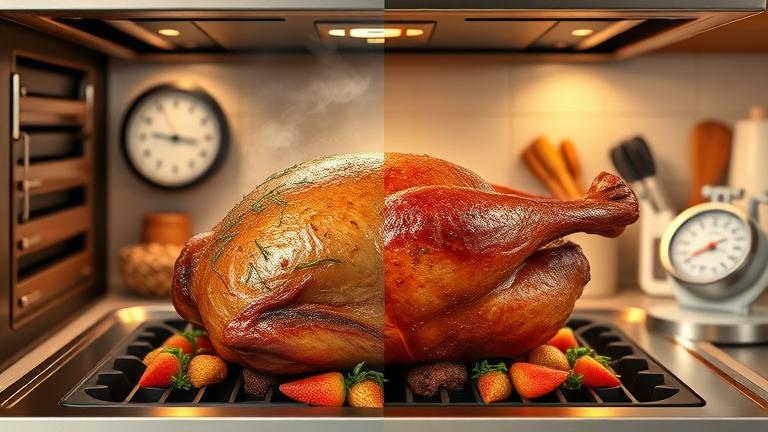
Benefits of Slow Cooking a Roast
Slow cooking a roast is a popular method that offers many advantages for home cooks. This gentle cooking process allows the meat to become tender and flavorful, making it a favorite for busy days or special family dinners.
One of the biggest benefits of slow cooking a roast is how it enhances tenderness. When you cook the meat slowly at a low temperature, the connective tissues break down gradually. This results in a juicy, melt-in-your-mouth texture that’s hard to achieve with quick cooking methods. Even tougher cuts of meat, like chuck or brisket, become tender and delicious after long, slow cooking.
Flavor is another area where slow cooking shines. As the meat cooks slowly, it absorbs flavors from seasonings, herbs, and any vegetables or liquids added. This creates a rich, savory taste throughout the dish. Many recipes even develop a depth of flavor that mimics those made in gourmet kitchens, right in your own home.
Using a slow cooker or a low-temperature oven helps you save time and effort in the kitchen. Once you set everything up, you can leave it to cook without constant attention. This is perfect for busy days when you want a hearty meal ready when you get home. Plus, slow cooking can improve the overall tenderness of the roast without the risk of overcooking or drying out the meat.
Another advantage is the ability to make nutrients more accessible. Slow cooking breaks down tough fibers and connective tissues, making the meat easier to chew and digest. This can be particularly beneficial for those with dental issues or digestion concerns.
Many home cooks find that slow-cooked roasts are versatile. You can use the same method for beef, pork, or even lamb. Additionally, the leftovers can be used in sandwiches, stews, or shredded for tacos, making slow cooking a practical way to prepare multiple meals from one roast.
- Plus, slow-cooked meats tend to be more economical. Cheaper cuts of meat transform into tender dishes that taste just as good as premium cuts.
- And because the cooking process is gentle, it reduces the chance of burning or overcooking the meat, ensuring consistent results every time.
Whether you’re a beginner or an experienced cook, embracing slow cooking for your roasts can bring comfort, flavor, and convenience to your meals. It’s a simple method that rewards you with delicious results every time.
When to Use High-Heat Roasting
High-heat roasting is a powerful technique that can make your dishes more delicious and appealing. It involves cooking your food at temperatures of 400°F (200°C) or higher. This method is great for creating a crispy exterior while keeping the inside tender and juicy. Knowing when to use high heat can help you achieve the perfect results every time.
One common reason to use high heat is to quickly brown the surface of meats, vegetables, or even baked goods. For example, if you’re roasting a chicken, starting with a high temperature for the first 15–20 minutes helps develop a crispy skin. After that, you can lower the heat to finish cooking and keep the meat moist. This method locks in flavor and adds a lovely texture.
High heat is also ideal for searing meat before slow roasting. Searing involves cooking the meat at very high temperatures in a hot oven or skillet for a few minutes. This process forms a caramelized crust full of rich flavors. When you slow roast afterward, the meat remains tender inside, and the crust stays flavorful and crispy. This technique works well with cuts like beef roasts, pork shoulders, or even salmon fillets.
Another situation where high-heat roasting shines is when you want to develop deep, caramelized flavors in vegetables. Root vegetables like carrots and potatoes, or even bell peppers and zucchini, benefit from a hot oven. The high heat causes natural sugars to brown on the surface, creating a sweet, toasted flavor. To prevent burning, keep an eye on the cooking time and toss the vegetables halfway through.
High heat is also useful if you need to reduce cooking time, especially when you’re short on time but want a nice crust. It’s perfect for batch cooking or when preparing for a quick dinner. Remember, though, high heat can cause burning or uneven cooking if you’re not careful. Always check your food regularly to prevent overdoing it.
Keep in mind that not all foods are suitable for high-heat roasting. Sensitive items like delicate fish or thin cuts of meat may dry out or burn easily. For such items, a moderate or lower temperature is safer. Use high heat mainly for foods that benefit from quick, intense cooking to develop texture and flavor.
In summary, use high-heat roasting when you want a crispy exterior, deepen flavors through browning, or when searing meats before slow roasting. It’s also great for vegetables that caramelize quickly. However, stay attentive to prevent burning, and adjust your times according to the size and type of food. With a little practice, high-heat roasting can become a versatile tool in your cooking toolkit, helping you produce vibrant, flavorful dishes every time.
How Temperature Affects Roast Tenderness
When it comes to roasting meat, understanding how temperature influences tenderness can make a big difference in your results. Cooking at the right temperature helps ensure your roast is juicy, flavorful, and easy to slice. Conversely, cooking at the wrong temperature can lead to tough, dry meat that no one enjoys.
The main factor here is heat. As meat heats up, its muscle fibers and connective tissues change. These changes directly impact how tender the final dish will be. Let’s explore how different temperature ranges affect your roast’s texture.
Low and Slow Temperatures (around 200°F to 275°F)
Cooking a roast at low temperatures over a longer period helps break down tough connective tissues called collagen. Collagen converts into gelatin, which makes the meat tender and moist. This method is ideal for tougher cuts like brisket, chuck roast, or pork shoulder.
For example, slow-roasting a beef brisket at 250°F for several hours results in a melt-in-your-mouth texture. It allows evenly distributed heat that gently tenderizes the meat without drying it out.
Moderate Temperatures (around 275°F to 325°F)
This is a popular range for roasting indoors because it balances cooking time and tenderness. The meat cooks thoroughly without excessive moisture loss. It works well for tender cuts like prime rib or a tenderloin.
Roasting at about 300°F, for example, gives a nice crust on the outside while keeping the inside juicy. Be careful not to overcook, as high heat can toughen meat if cooked too quickly or for too long.
High Temperatures (375°F and above)
High heat is often used for quick roasting or searing, such as when making a crispy roast or achieving a browned crust. While high temperatures can quickly develop rich flavors, they also pose a risk of drying out the meat.
If you roast at 400°F or higher, the outer layer may burn before the interior reaches the desired doneness. It’s best to use high heat for short periods and finish at a lower temperature if you want tender, juicy results.
How Internal Temperature Shapes Tenderness
The internal temperature of meat, measured with a thermometer, is a good indicator of its tenderness. For example, steaks are often cooked to medium rare (about 135°F) to retain tenderness and moisture. Roasts, especially larger ones, benefit from reaching an internal temperature that is safe but not overcooked.
Here’s a quick guide:
| Meat Type | Temperature Range | Ideal Doneness | Texture |
|---|---|---|---|
| Beef Roast | 125°F – 130°F (rare), 135°F – 145°F (medium rare to medium) | 145°F for medium | Juicy, tender |
| Pork Roast | 145°F – 160°F | 160°F | Firm, moist |
| Chicken | 165°F | 165°F | Cooked through, juicy if not overdone |
Tips for Perfect Tenderness
- Use a meat thermometer to avoid guesswork. Overcooking can toughen the meat, while undercooking might be unsafe.
- Let your roast rest for about 10-15 minutes after removing from heat. Resting redistributes juices and enhances tenderness.
- Choose the right cooking temperature for the cut. Tougher cuts benefit from lower and slower methods, while tender cuts can be roasted at higher temperatures for shorter times.
By paying attention to temperature, you can control the tenderness of your roast and enjoy more delicious, satisfying meals. Remember, patience and the right heat are your best friends in creating perfectly tender meat.
Best Practices for Roasting Meat
Roasting meat is a classic way to bring out its rich flavors and create a tender, juicy dish. To get the best results, it’s all about careful preparation, proper seasoning, and using the right oven settings. Whether you’re roasting a beef tenderloin or a whole chicken, following these tips will help you achieve a delicious, perfectly cooked meal every time.
Preparing the Meat
Before roasting, start by taking the meat out of the fridge about 30 minutes prior to cooking. Letting it come to room temperature ensures even cooking. Pat the meat dry with paper towels to remove excess moisture, which helps with browning. Season the meat generously with salt and pepper, and feel free to add herbs, garlic, or spices for extra flavor. If you’re using a marinade, do so at least a few hours beforehand to allow the flavors to infuse.
Seasoning Tips
Seasoning is key to flavorful roasted meat. Salt not only enhances taste but also helps retain moisture during cooking. For a simple yet tasty seasoning, mix coarse salt, freshly ground black pepper, and herbs like thyme or rosemary. For added depth, rub garlic, paprika, or lemon zest onto the meat’s surface. Remember, seasonings should be applied evenly across the entire piece for consistent flavor.
Choosing the Right Oven Settings
Start by preheating your oven to the recommended temperature for your cut of meat. For most roasts, a temperature between 375°F (190°C) and 450°F (230°C) works well. Lower temperatures tend to produce more evenly cooked, tender meat, while higher temperatures help develop a nice crust. Use a meat thermometer to monitor internal temperatures. For example, a medium-rare beef roast should reach about 135°F (57°C), while a whole chicken is done at 165°F (74°C).
Cooking Techniques
- Place the meat on a roasting rack inside a roasting pan. This allows hot air to circulate and promotes even cooking.
- If you want a crisp, golden crust, start roasting at a high temperature for the first 15 minutes, then lower it for the remainder of cooking.
- Use a meat thermometer inserted into the thickest part of the meat to avoid over- or under-cooking. Remove the meat from the oven a few degrees below your target temperature because it will continue to cook as it rests.
Resting the Meat
Once the meat reaches the proper internal temperature, remove it from the oven and let it rest for at least 10 to 15 minutes. Resting allows the juices to redistribute evenly, making the meat more tender and flavorful. Cover it loosely with foil during this time to keep it warm, but avoid wrapping tightly, which can cause condensation.
Following these best practices for roasting meat will help you create a beautiful, flavorful dish with tender meat and a tasty crust. Practice makes perfect, so don’t be discouraged if it takes a few tries to master your favorite cuts. Happy roasting!
Tips for Perfectly Juiced Roasts
Getting a roast to stay juicy and moist can seem tricky, but with a few simple tips, you’ll enjoy tender, flavorful results every time. The key is to control how you cook the meat and how you handle it afterward. Let’s explore some practical strategies to help your roasts stay perfectly juicy.
Choose the Right Cut and Size
Start with a good-quality cut of meat known for its tenderness and juiciness. For example, a beef rib roast, pork loin, or chicken thigh often retains more moisture than leaner cuts. Also, pick a size that’s manageable for your oven and allows even cooking. Larger roasts might need more time, which can dry them out if not monitored carefully.
Use a Reliable Cooking Method
- Roasting at the right temperature: A moderate oven temperature, around 325°F to 375°F (160°C to 190°C), helps cook the meat evenly without drying it out. Higher temperatures can cause the outside to burn or cook too quickly.
- Benchmark with a thermometer: Use a meat thermometer to check internal temperature. Pull the roast out just before it reaches the target doneness. For example, a beef roast is best at 135°F to 140°F for medium rare.
- Maintain moisture: Cover the roast with foil if needed or cook it with some broth or marinade. Basting occasionally can also help keep the surface moist.
Don’t Overcook the Meat
One of the biggest mistakes is overcooking, which dries out the meat and ruins its juiciness. To avoid this, rely on the meat thermometer and remove the roast from the oven a few degrees before your desired temperature. Carryover heat will finish the job, keeping the meat juicy.
Rest the Roast Before Carving
Letting your roast rest for at least 10 to 20 minutes after cooking is crucial. Resting allows the juices to redistribute throughout the meat, instead of spilling out the moment you carve into it. Loosely tent the meat with foil during resting to keep it warm without steaming it.
Use Proper Carving Techniques
When slicing, cut against the grain of the meat. This will make each piece tender and retain the juices better. Also, avoid pressing down on the meat while slicing, as that can squeeze out precious moisture.
Additional Tips for Juicy Roasts
- Season early: Marinate or salt the meat a few hours before cooking to enhance moisture retention.
- Employ a marinade or brine: Soaking the meat in a salty or flavorful liquid can help it stay moist during cooking.
- Use a roasting rack: Elevate the meat on a rack so hot air circulates evenly and prevents the bottom from becoming soggy.
By following these simple tips—such as choosing the right cut, using the correct temperature, resting the meat properly, and carving carefully—you can enjoy a roast that is consistently juicy and delicious. Remember, patience and attention to detail make all the difference in achieving that perfect, moist roast every time.
Common Mistakes in Roast Cooking
Roast cooking can be simple and satisfying, but it’s easy to make mistakes that affect the final result. Knowing what to watch out for can help you produce perfectly cooked roasts every time. Here are some common errors and tips to avoid them.
One common mistake is not preparing the meat properly before roasting. Failing to bring the meat to room temperature can lead to uneven cooking. When the meat is cold from the fridge, the outside might cook faster than the inside, resulting in a dry outer layer and undercooked center. To prevent this, take the meat out of the fridge about 30 to 60 minutes before roasting. Pat it dry with paper towels; excess moisture can hinder browning.
Another frequent mistake is overcooking or undercooking the roast. Using a timer alone isn’t enough because various factors like oven temperature and meat size affect doneness. The best way to avoid this is to use a reliable meat thermometer. Insert it into the thickest part of the roast, avoiding bone if present. For beef, a medium rare is around 135°F (57°C), while poultry should reach 165°F (74°C). Removing the roast at the right temperature and letting it rest ensures the juices redistribute, giving you a tender, flavorful result.
Many people forget about seasoning and marinating before roasting. Skipping seasoning can leave your meat bland. Salt is essential — it not only enhances flavor but also helps retain moisture. Apply salt and other herbs or spices at least an hour before roasting or even overnight. For added flavor, marinate the meat in a mixture of herbs, garlic, and oil. This step is especially helpful for tougher cuts that benefit from longer marinating times.
Overcrowding the roasting pan is another common error. When the pan is too crowded, the meat releases juices, and instead of roasting, it steams. This can result in a less crispy exterior and a soggy roast. Make sure there’s enough space around the meat for heat to circulate freely. If cooking multiple pieces, use a roasting rack to keep the meat elevated and promote even cooking.
Many cooks neglect to baste or monitor the roasting process. Basting involves spooning or brushing the meat with its own juices or a marinade to keep it moist. While not always necessary, especially if you’re roasting at a high temperature and using a good fat, basting can add flavor and moisture. Keep an eye on the roast’s color and internal temperature to avoid overbrowning or drying out.
Finally, resting the meat after roasting is often overlooked. Cutting into the meat immediately leads to the loss of precious juices. Rest the roast on a cutting board for at least 10-20 minutes before carving. Cover lightly with foil during this time. This rest period allows the meat’s juices to settle, resulting in a juicy and tender roast.
Avoid these common mistakes, and you’ll find roasting becomes much easier and more successful. With a little preparation and attention to detail, your roasts will come out flavorful, moist, and perfectly cooked every time.
Choosing Between High and Low Heat
Deciding when to use high or low heat is an important part of roasting and can greatly affect the final result. The type of roast you are preparing and the outcome you want should guide your choice. Whether you’re aiming for a crispy exterior or a tender, evenly cooked interior, knowing which heat setting to use makes cooking easier and more successful.
When to Use High Heat
High heat is best when you want to create a nicely browned, crispy crust or caramelized surface on your roast. This is common with beef steaks, chicken breasts, or vegetables that benefit from quick, intense heat. For roasting, high temperatures help sear the outside quickly, sealing in juices and flavor.
For example, if you are roasting a chicken, starting with high heat at the beginning can give you that golden, crispy skin. After about 15–20 minutes, you can turn down the heat to finish cooking through. But be careful — high heat for too long or at too high a temperature can burn the outside while leaving the inside undercooked.
When to Use Low Heat
Low heat is ideal for slow roasting or when you want your roast to stay moist and tender. This method allows heat to penetrate evenly, breaking down tough fibers gradually. Use low heat for larger cuts of meat like pork shoulder, beef brisket, or whole loins.
If your goal is a tender, melt-in-your-mouth result, slow roasting at a lower temperature helps avoid drying out the meat. It’s also useful when cooking delicate ingredients or when you prefer a more uniform doneness from outside to inside. For example, cooking a whole turkey or large roast at low temperature ensures even cooking without over-crisping the surface.
Practical Tips for Choosing Heat Settings
- For crispy, browned exteriors: Use high heat for the first part, then lower the temperature to finish cooking if needed.
- For tender, juicy results: Opt for low, slow roasting, especially for tougher cuts or larger roasts.
- Monitor your roast: Use a meat thermometer to check internal temperature, preventing over or undercooking regardless of heat choice.
- Adjust as needed: If your roast appears to be browning too quickly, lower the heat to prevent burning.
Common Mistakes to Avoid
- Using high heat for too long: This can burn the crust while leaving the inside undercooked. Always monitor your roast and adjust as necessary.
- Roasting at too low a temperature without enough time: This can sometimes lead to uneven doneness or foodborne safety issues for large cuts.
- Ignoring the size of the roast: Larger cuts need slower, lower heat to cook through evenly without burning the outside.
By understanding when to apply high or low heat during roasting, you can control the texture, flavor, and juiciness of your final dish. Remember, it’s all about balancing the initial sear with gentle, even cooking to achieve your perfect roast.