
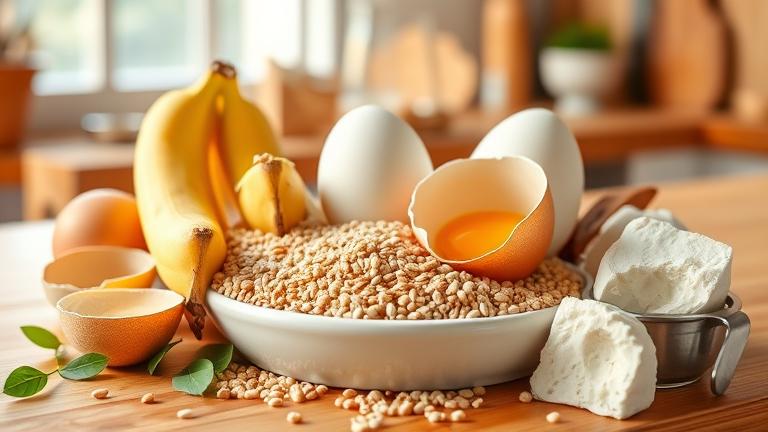
Common Egg Substitutes for Baking
Eggs are a common ingredient in baking because they bind ingredients together, add moisture, and help baked goods rise. However, if you’re allergic to eggs, follow a special diet, or simply ran out of eggs, there are plenty of effective substitutes you can use.
Choosing the right egg substitute depends on the type of baked good you are making. Some alternatives work better for cookies, while others are ideal for cakes or muffins. Let’s explore some of the most popular options and how to use them.
1. Flaxseed Meal or Chia Seeds
Mix one tablespoon of ground flaxseed or chia seeds with three tablespoons of water. Let the mixture sit for about 5 minutes until it becomes gel-like. This substitute works well for muffins, pancakes, and cookies. It adds moisture and a slight nutty flavor.
Tip: Use fresh, ground flaxseed for the best texture. Chia seeds create a slightly different texture but are equally effective.
2. Unsweetened Applesauce
Replace each egg with 1/4 cup of unsweetened applesauce. This works especially well for cakes, muffins, and quick breads. Applesauce adds moisture and sweetness without overpowering the flavor.
Tip: Use unsweetened applesauce to keep the baked goods from becoming overly sweet.
3. Commercial Egg Replacers
Products like Ener-G or Bob’s Red Mill egg replacer are specially formulated powders that substitute eggs in baking. Usually, you mix the powder with water according to package instructions.
These are reliable and don’t alter the flavor much, making them perfect for most baked goods, including cakes and bread.
4. Baking Soda and Vinegar
Combine 1 teaspoon of baking soda with 1 tablespoon of vinegar (apple cider or white). When mixed, they create carbon dioxide bubbles that help baked goods rise. This combo is great for light cakes and cupcakes.
Tip: Use this substitution immediately after mixing, as the reaction starts right away.
5. Silken Tofu
Pureed silken tofu (about 1/4 cup per egg) adds moisture and density. It’s perfect for dense baked goods like brownies or rich cakes. Tofu is flavor-neutral, so it won’t change the taste too much.
Tip: Blend the tofu until smooth before adding to your recipe.
Additional Tips
- Always consider the texture and flavor of your final baked good when selecting a substitute.
- Some substitutes work better for certain recipes. For example, applesauce is great for cakes, while flaxseed is excellent for cookies.
- Experiment with small batches to see which substitute produces the best results for your recipe.
Keep in mind that while these substitutes can often mimic eggs well, they may not always produce identical results. Adjustments in baking time or other ingredients may be necessary.
Vegan Egg Replacers You Can Trust
If you’re looking for reliable vegan egg replacers, you’re in the right place. Eggs are a common ingredient in many recipes, but there are plenty of vegan-friendly options that work just as well. Whether you’re baking a cake, making pancakes, or scrambling tofu, you’ll find suitable replacements here.
Vegan egg substitutes can be commercial products or simple homemade ingredients. The key is to choose the right one based on your recipe and desired texture. Some replacements are best for binding, while others add moisture or leavening. Let’s explore some trusted options.
Popular Commercial Vegan Egg Replacers
- Store-bought egg replacer powders: These are convenience products made specifically for baking. Brands like Bob’s Red Mill Egg Replacer and Orgran all-purpose egg replacer work well. Usually, you mix the powder with water according to the package instructions. They are reliable and consistent, ideal for cookies, cakes, and muffins.
- Liquid flaxseed or chia seed: These are common in many vegan recipes. To use, combine 1 tablespoon of ground flax or chia seeds with 3 tablespoons of water. Let it sit for a few minutes until it thickens. This mixture acts as a binder and is perfect for muffins, pancakes, and brownies.
- Silken tofu: Tofu is a versatile protein that can replace eggs in recipes needing moisture and structure. Use about 1/4 cup of pureed silken tofu per egg. It works especially well in dense baked goods like brownies and bread.
- Applesauce: Unsweetened applesauce adds moisture and can replace eggs in cakes and muffins. Use 1/4 cup of applesauce for one egg. It helps keep baked goods soft and tender, but may make them slightly denser.
- Vinegar and baking soda: A mix of 1 tablespoon of vinegar (apple cider or white vinegar) and 1 teaspoon of baking soda creates a fizzy reaction that lifts baked goods. This combo is great for light cakes and cupcakes.
Homemade Vegan Egg Replacers
Homemade options are handy and often affordable. Here are some go-to DIY replacements:
- Flaxseed or chia seed gel: As mentioned earlier, mix 1 tablespoon of ground flax or chia seeds with 3 tablespoons of water. Let it thicken for about 5 minutes. This gel is a dependable binder for many recipes.
- Banana: Mashed banana adds moisture and sweetness. Use 1/4 cup of mashed banana to replace one egg. It works well in pancakes, muffins, and quick breads, but may add a slight banana flavor.
- Sweet potato or pumpkin puree: These purees provide moisture and some binding power. Substitute about 1/4 cup per egg in recipes where flavor blends well.
Tips for Choosing the Right Egg Replacer
- Consider the recipe: For baked goods that need leavening, like cakes and muffins, options like vinegar and baking soda or commercial leavening agents work best.
- Match texture: For dense items like brownies or bread, tofu or applesauce provide good structure. For lighter baked goods, flax or chia gels are excellent.
- Avoid common mistakes: Don’t replace eggs solely with liquids like water, as they won’t provide the needed binding or leavening. Also, remember that some replacements add flavor, so choose accordingly.
With so many reliable vegan egg replacers available, you can confidently adapt your favorite recipes to suit your plant-based lifestyle. Experiment with different options to discover what works best for your baking adventures!
Healthy Alternatives to Eggs at Home
If you’re looking for nutritious and health-conscious egg substitutes, you’re in the right place. Eggs are a common ingredient in many recipes, but sometimes you need a healthier or allergy-friendly alternative. Fortunately, there are several easy-to-make options you can prepare at home that add flavor and nutrition to your meals.
One popular egg substitute is mashed bananas. This natural fruit adds moisture and a slight sweetness to baked goods like pancakes, muffins, and bread. For each egg you want to replace, mash about a quarter cup of ripe banana until smooth. Keep in mind that bananas can add a slight banana flavor, which works well in sweet recipes but might not suit savory dishes.
Chia seeds or flaxseed are also excellent options for substituting eggs, especially in baking. When mixed with water, they form a gel that works as a binder. To make a chia or flax egg, combine one tablespoon of chia seeds or ground flaxseed with three tablespoons of water. Stir well and let it sit for about 5 minutes until it thickens. Use this mixture just like an egg in recipes for muffins, brownies, or pancakes. An added bonus is that both chia and flax are high in omega-3 fatty acids and fiber, boosting the nutritional value of your baked goods.
For liquid egg replacements that add moisture without altering flavor, apple sauce is a good choice. Use a quarter cup of unsweetened apple sauce to replace one egg. It works especially well in sweet baked recipes like cakes and muffins, adding tenderness and a hint of fruity flavor. Remember that applesauce can make baked goods slightly denser, so adjust your recipes accordingly if needed.
Silken tofu is another versatile substitute, especially for recipes that require eggs to bind ingredients, such as quiches or muffins. Blend about a quarter cup of silken tofu until smooth and incorporate it into your batter. Tofu adds protein and a creamy texture without changing the flavor much. It’s a great option if you want to keep your dishes plant-based and nutritious.
Tips for Using Egg Substitutes in Cooking
- Start with small batches to see how the substitute affects the texture and taste.
- Adjust baking times if your baked goods seem wetter or denser than usual.
- Combine different substitutes for better results, like mashed banana with flaxseed for enhanced binding and flavor.
- Remember that some substitutes work better in sweet recipes, while others are suitable for savory dishes.
Using healthy substitutes for eggs can be a tasty way to make your meals more nutritious and friendly for various dietary needs. Experiment with these options to find the perfect fit for your recipes and enjoy cooking with a healthier twist!
Using Flax and Chia as Egg Replacements
If you want to make your baking plant-based, vegan, or simply reduce eggs in your recipes, ground flaxseed and chia seeds are fantastic options. They act as natural binders and give your baked goods the right texture. Plus, they are easy to prepare and use. Let’s walk through how to turn these tiny seeds into egg substitutes and what recipes work best with them.
Preparing Flax and Chia Egg Replacements
To replace one egg, you’ll need about 1 tablespoon of ground flaxseed or chia seeds mixed with 3 tablespoons of water. This mixture creates a gooey, gel-like consistency similar to an egg. The process is simple:
- First, measure out 1 tablespoon of seeds. If you have whole seeds, grind them finely using a coffee grinder, blender, or mortar and pestle. The ground form blends better into recipes.
- Mix the ground seeds with three tablespoons of water in a small bowl or cup.
- Stir well until the mixture thickens and develops a gel-like texture. This takes about 5 minutes. If it’s too runny, add a little more ground seed and whisk again.
- Now, your flax or chia “egg” is ready to add to your batter or dough. Use it just like you would use a regular egg.
This prepared seed gel is best used in recipes like muffins, pancakes, cookies, and quick breads. It helps hold the ingredients together and adds a slight nutty flavor, especially from the flaxseed.
Tips for Best Results
- Always double-check your measurements — one egg equals about one flax or chia seed gel.
- If you prefer a firmer texture, let the mixture sit for 10 minutes before adding to your recipe. This ensures it’s fully thickened.
- Store extra prepared flax or chia egg in the fridge for up to 24 hours. Just give it a quick stir before using.
- For recipes requiring more eggs, simply multiply the above ratio accordingly.
Which Recipes Are Ideal for Flax and Chia Eggs?
These seed-based egg replacements work well in many baked goods. They add moisture and help with binding, but they don’t give the rising power that eggs do. Here are some good options:
- Pancakes and waffles: Achieve fluffy, delicious breakfast treats.
- Muffins and quick breads: Keep the batter moist and intact.
- Cookies and bars: Assist in binding while adding a slight nuttiness.
- Banana bread and zucchini bread: Enhance moisture and texture.
However, for recipes that need to rise tall or have delicate structure, like soufflés or certain cakes, eggs might still be necessary. Always test a small batch first when trying these substitutions for the first time.
Using flax and chia as egg replacements is a simple, friendly way to make your baking more plant-based and flexible. With just a few ingredients and a little prep, you can enjoy your favorite baked goods without eggs, and even boost your nutritional intake with these nutritious seeds.
Easy and Budget-Friendly Egg Substitutes
Eggs are a common ingredient in many recipes, from baking to breakfast dishes. But they can be expensive or hard to find at times. Luckily, there are simple and affordable alternatives that work well in most recipes. Using budget-friendly egg substitutes is a smart way to save money without sacrificing taste or quality.
One of the easiest options is mashed bananas. They add moisture and a slight sweetness to baked goods like muffins, pancakes, or cookies. Usually, one quarter cup of mashed banana replaces one egg. Keep in mind that it may give a slight banana flavor, which works well in chocolate or spice desserts.
Another popular choice is flaxseed meal. Mix one tablespoon of ground flaxseed with three tablespoons of water. Let it sit for a few minutes until it thickens into a gel-like consistency. This substitute is especially good for muffins, bread, and pancakes because it adds a slight nutty flavor and lots of fiber.
Applesauce is also a handy, budget-friendly egg replacer. Use a quarter cup of unsweetened applesauce for each egg. It helps keep baked goods moist and tender, perfect for cakes, brownies, or muffins. Choose plain applesauce without added sugar for the best results.
Another simple substitute is yogurt or buttermilk. Use a quarter cup of plain yogurt for each egg, which adds moisture and tenderness to baked treats. These options are inexpensive and can improve the texture of your baking.
If you’re looking for a quick fix, commercial egg replacers are available at most grocery stores. They are usually made from starches and leavening agents, designed specifically for baking. Follow the package instructions for the amount needed, and they work well in cakes, cookies, and bread.
When selecting the right substitute, consider the recipe. For example, mashed bananas or applesauce are better in sweet baked goods. Flaxseed and commercial egg replacers are versatile and work in many recipes. Avoid using substitutes that might alter the flavor or texture too much unless the recipe can handle it.
To save more money, you can buy ingredients like flaxseed or bananas in bulk. Look for deals on applesauce or plain yogurt in larger containers. Using what you already have at home is also a smart way to cut costs.
Keep these tips in mind: always measure carefully to match the amount of egg needed, and don’t forget to consider the flavor impacts of substitutes. With a bit of practice, you can easily replace eggs with budget-friendly options that still turn out delicious.
Remember, experimenting with these substitutes can lead to new favorite recipes. Don’t be afraid to try different options and see what works best for your taste and budget. Making smart, affordable choices in the kitchen keeps cooking fun and saves money in the long run.
Tips for Replacing Eggs in Recipes
Eggs are a common ingredient in many recipes, providing moisture, binding, and structure. If you’re allergic, vegan, or out of eggs, don’t worry—there are plenty of effective ways to substitute them. The key is understanding what role the eggs play in your recipe and choosing the right replacement.
When substituting eggs, consider the recipe type and the function eggs serve. For example, in baked goods like cakes and muffins, eggs mainly add moisture and help with rising. In binding recipes like veggie burgers, eggs hold ingredients together. Matching the replacement to the role can make your dish turn out just right.
General Tips for Egg Substitutes
- Match the ratio: Use equivalent amounts of the substitute to replace one egg. Most recipes require about 1/4 cup of the substitute per egg, but check specific recommendations.
- Think about the function: Binding, moisture, leavening, or enriching? Choose a substitute that fits the purpose.
- Adjust texture: Some substitutes add more moisture or density. You might need to tweak other ingredients slightly.
- Combine substitutes if needed: For example, mixing baking soda with vinegar can mimic leavening, while mashed banana adds moisture and binding.
- Test and experiment: Different recipes may respond differently. It’s fine to try small batches first.
Popular Egg Replacements and How to Use Them
| Replacement | Amount | Best For | Additional Notes |
|---|---|---|---|
| Flaxseed Meal | 1 tablespoon ground flaxseed + 3 tablespoons water | Baked goods, muffins, pancakes | Mix and let sit for 5 minutes until gel-like. Adds some fiber and a nutty flavor. |
| Chia Seeds | 1 tablespoon chia seeds + 3 tablespoons water | Baked goods, cookies | Similar to flaxseed, forms gel. Slightly crunchier texture. |
| Applesauce | 1/4 cup per egg | Cookies, cakes, muffins | Moisture-rich, adds sweetness. Best for soft baked items. |
| Banana | 1/4 cup mashed ripe banana per egg | Breads, pancakes, muffins | Imparts banana flavor. Adds moisture and binding. |
| Soy or Aquafaba | 3 tablespoons whipped liquid (from cooked chickpeas or can of beans) | Meringues, mousses, light baked goods | Perfect for light, airy textures. Whip until fluffy. |
| Baking Powder + Oil | 1/4 teaspoon baking powder + 1 tablespoon vegetable oil | Cookies, cakes | Leavening and moisture combined. |
Considerations and Common Mistakes
- Don’t overdo the substitutes: Using too much apple sauce or banana can make baked goods dense or overly moist.
- Combine for better results: Sometimes, mixing a wet and dry substitute yields better texture.
- Adjust baking time: Egg substitutes can affect how long a baked good takes to cook through. Watch closely.
- Test first: If you’re new to a substitute, try a small batch to see how it works with your recipe.
- Be mindful of flavor: Some substitutes like bananas or flaxseed alter the taste, so pick based on your dish.
With these tips and options, replacing eggs in recipes becomes much easier and more flexible. Whether you’re baking a cake without eggs or making vegan cookies, there’s a suitable substitute to help your dish turn out deliciously well.
FAQs About Egg Substitutes and Tips
What are the best egg substitutes for baking?
If you are trying to replace eggs in baking, there are several popular options. The best choice depends on the recipe and your dietary needs. For example, applesauce or mashed bananas work well in quick breads and muffins, adding moisture and a hint of sweetness. Silken tofu is another good option, especially for dense cakes and brownies, as it provides protein and structure without changing flavor much.
Other common substitutes include ground flaxseed or chia seeds mixed with water, which create a gel-like texture suitable for cookies and pancakes. Using commercial egg replacers, like Ener-G or Bob’s Red Mill, can also be effective and convenient. They are typically made from starches and baking soda, designed specifically for baking purposes.
Can I use eggs as a binder in recipes?
Yes, eggs act as excellent binders, holding ingredients together. When replacing eggs as a binder, options like ground flaxseed or chia seeds mixed with water are popular choices. Mix one tablespoon of flaxseed or chia seeds with three tablespoons of water and let it sit for a few minutes until it becomes gel-like. This “flax egg” or “chia egg” works well in muffins, cookies, and veggie patties.
Other options include mashed potatoes or commercial egg replacers, which also add binding qualities. Keep in mind that some substitutes might alter the texture or flavor slightly, so choose based on the recipe’s needs.
Are egg substitutes safe and healthy?
Most egg substitutes are safe and suitable for various diets, including vegetarian and vegan. For health, they often add extra fiber, vitamins, or antioxidants. However, always check the ingredients list if you have allergies or sensitivities. For example, some commercial replacers contain starches or additives that might not suit everyone.
If you prefer natural options, fruit purées like applesauce or mashed bananas are nutritious, providing vitamins and fiber. Keep in mind that substitutes like flaxseed or chia seeds are high in omega-3 fatty acids, which can be beneficial but may cause digestive issues if consumed in large amounts. Overall, choosing the right egg substitute depends on your dietary goals and the recipe you are preparing.
How should I store egg substitutes?
Most homemade egg substitutes, such as flax eggs or fruit purées, should be stored in an airtight container in the refrigerator. Use them within 3 to 4 days to ensure freshness and safety. Commercial egg replacers usually come in sealed packages; once opened, store them in a cool, dry place or in the refrigerator if the package suggests so.
Always check the smell and appearance before using stored substitutes. If they develop an off smell, discoloration, or mold, it is safest to discard them. Proper storage helps maintain quality and prevents food waste.
Are there any common mistakes to avoid with egg substitutes?
- Using too much or too little can change the dish’s texture. Follow recipes’ recommended amounts closely.
- Not adjusting baking times; some substitutes may cause baked goods to brown or cook faster.
- Choosing a substitute that doesn’t match the recipe’s purpose. For example, water-based options may not provide enough moisture in some baked goods.
- Ignoring the flavor or texture changes some substitutes bring, which might impact the final taste or appearance.
Test smaller batches when trying new substitutes, and don’t be discouraged if your first attempt needs tweaking. With a bit of practice, you’ll find the best options for your favorite recipes.